New Arrivals — Browse our catalog for the latest authentic Japanese sword arrivals. Browse →
Articles on tamahagane, quenching, polishing, and lacquer — the technique and science behind the blade.
This article organizes the methods and reference points for measuring nagasa, sori, motohaba, sakihaba, kasane, and weight, and explains how to combine these figures to read a sword's period, intended use, and condition.
Yaki-haba, which describes the width of a hamon, and yakidashi, which describes how the hamon rises near the hamachi. This article explains these two elements — determined by the placement of yakiba-tsuchi — together with guidance on how to view them.
This article examines the differences in forging techniques between kotō and shintō, tracing the historical and economic context of the reorganization of iron distribution following national unification and the concentration of tōkō (swordsmiths) in castle towns.
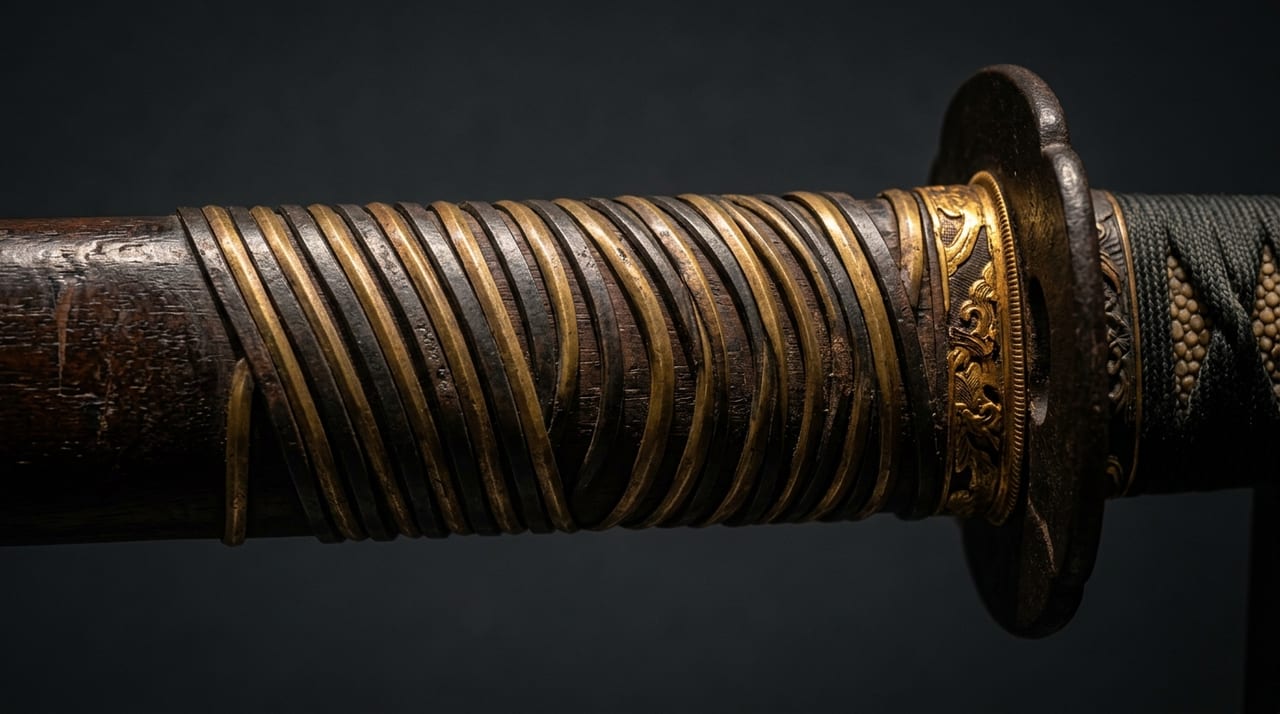
Hirumaki reinforces the saya and tsuka by winding a metal band in a spiral. This article explains the origin of the name, the manufacturing process, and the development from battle-ready fittings to ceremonial ones.
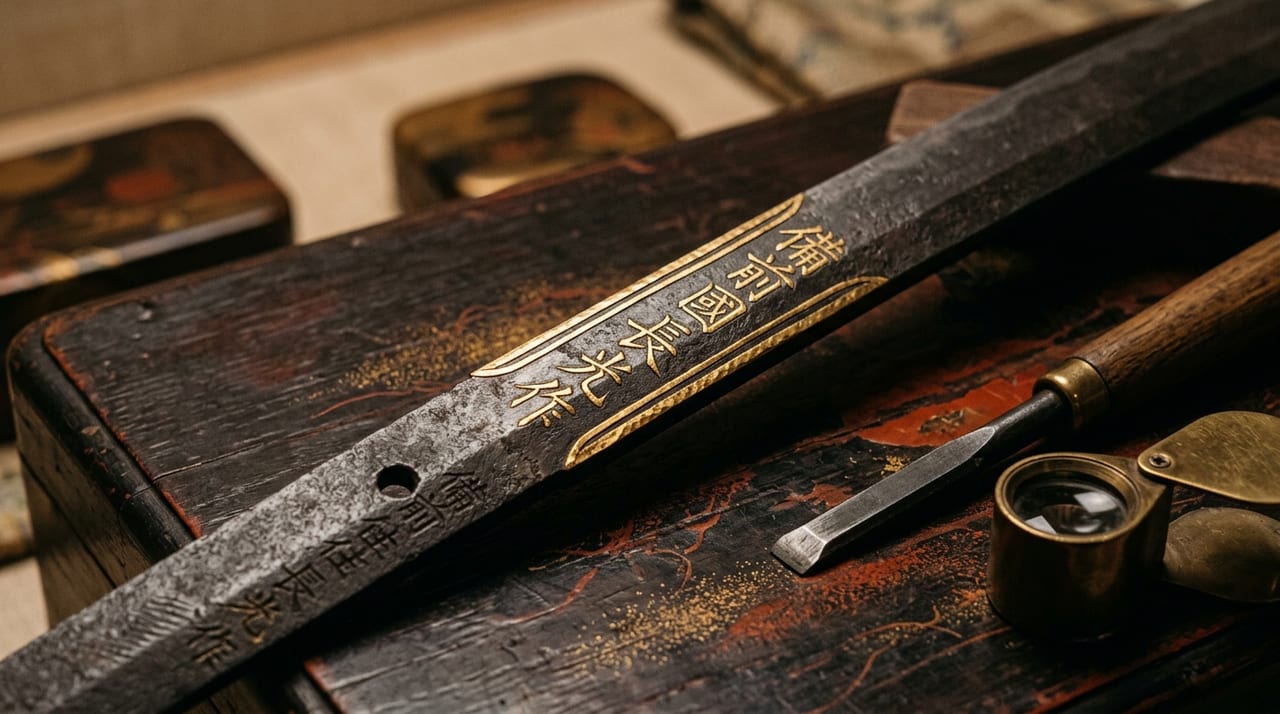
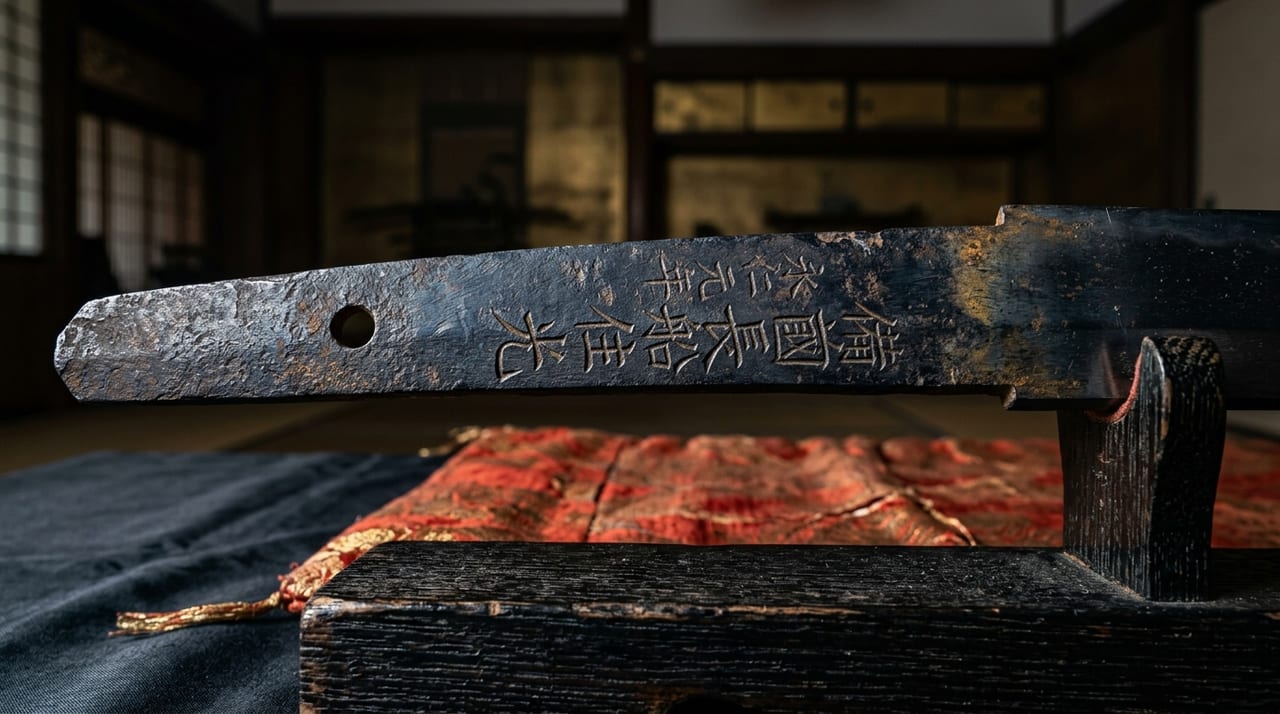
Zōgan-mei: the technique of engraving a maker's name in gold or silver on mumei masterblades. An account of the Hon'ami family's appraisal history and the craft, from groove-carving to the driving in of gold wire.
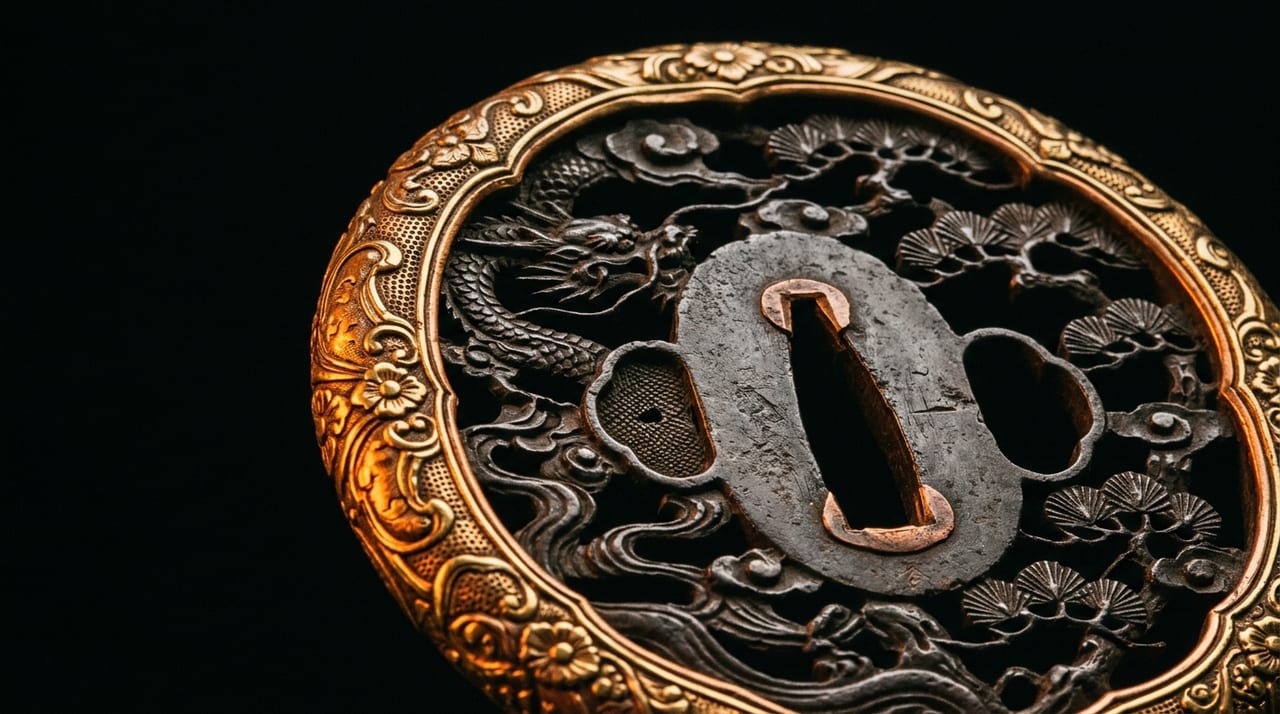
An explanation of the fukurin technique — which wraps the rims of tōsōgu such as tsuba and fuchi-kashira in a metal band — covering its types, materials, and finishing process.
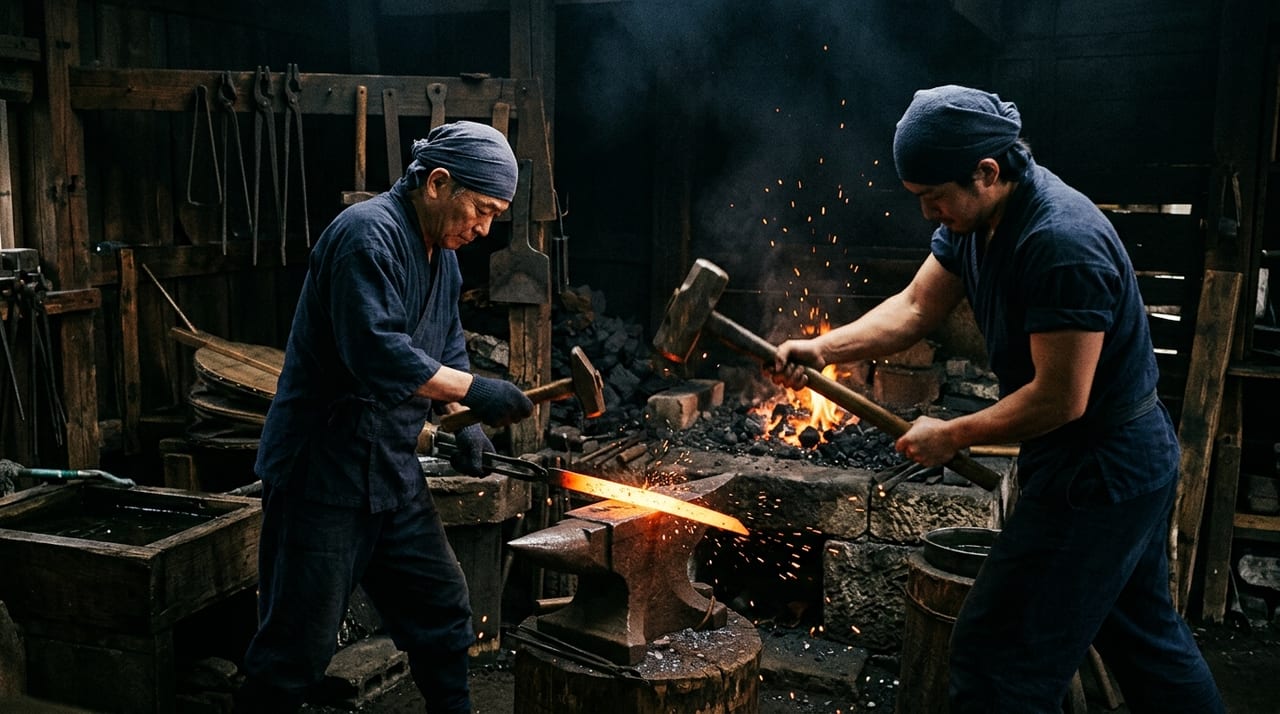
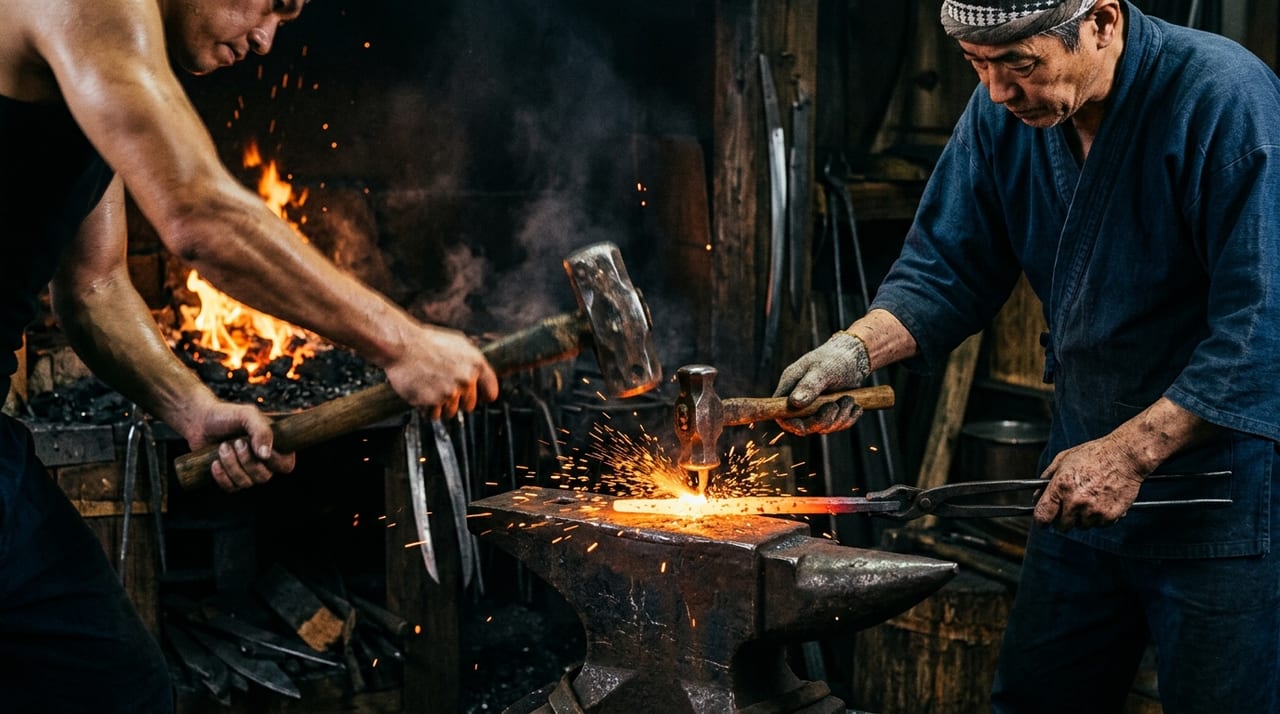
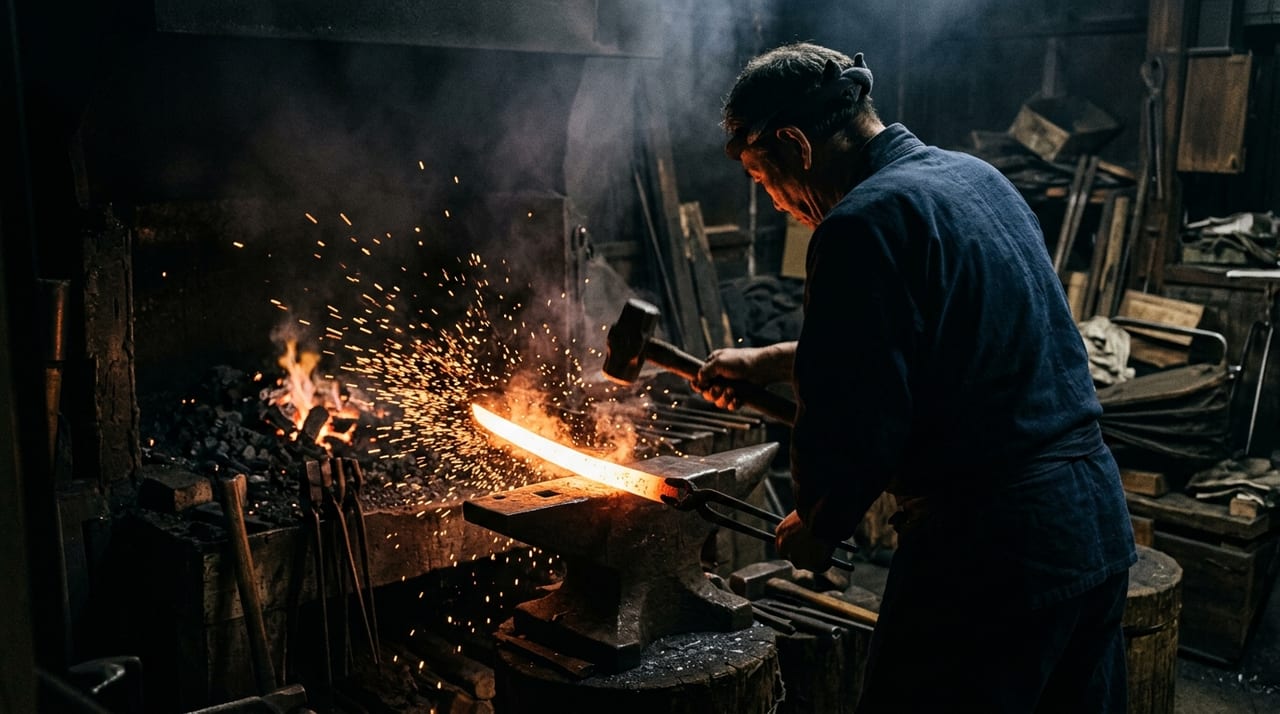
The joint work of the kaji that gave rise to the phrase "aizuchi wo utsu" — explaining the rhythm of the yokoza and sakite striking hammers in turn, and how that breath determines the quality of tanren.
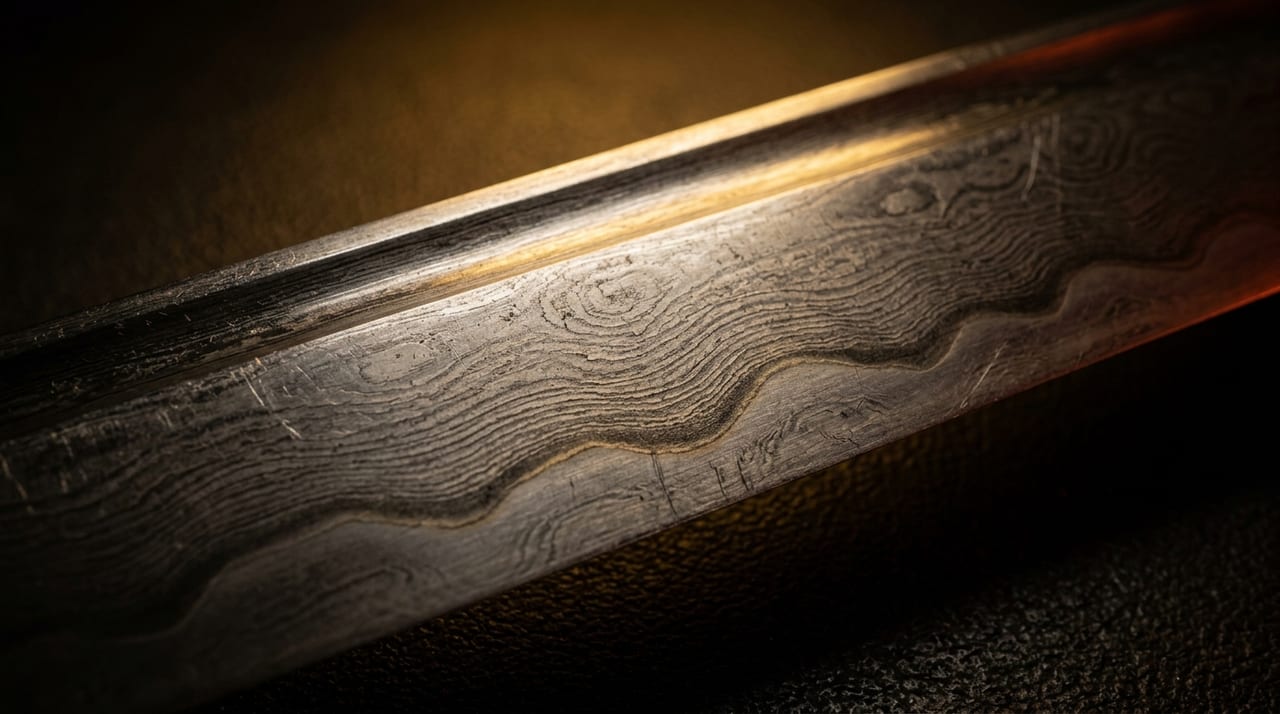
This article explains the metallurgical conditions under which utsuri — the faint shadow that floats in the jigane of a Japanese sword — arises, examining two factors: the layered structure produced by tanren and the differential cooling during yaki-ire.
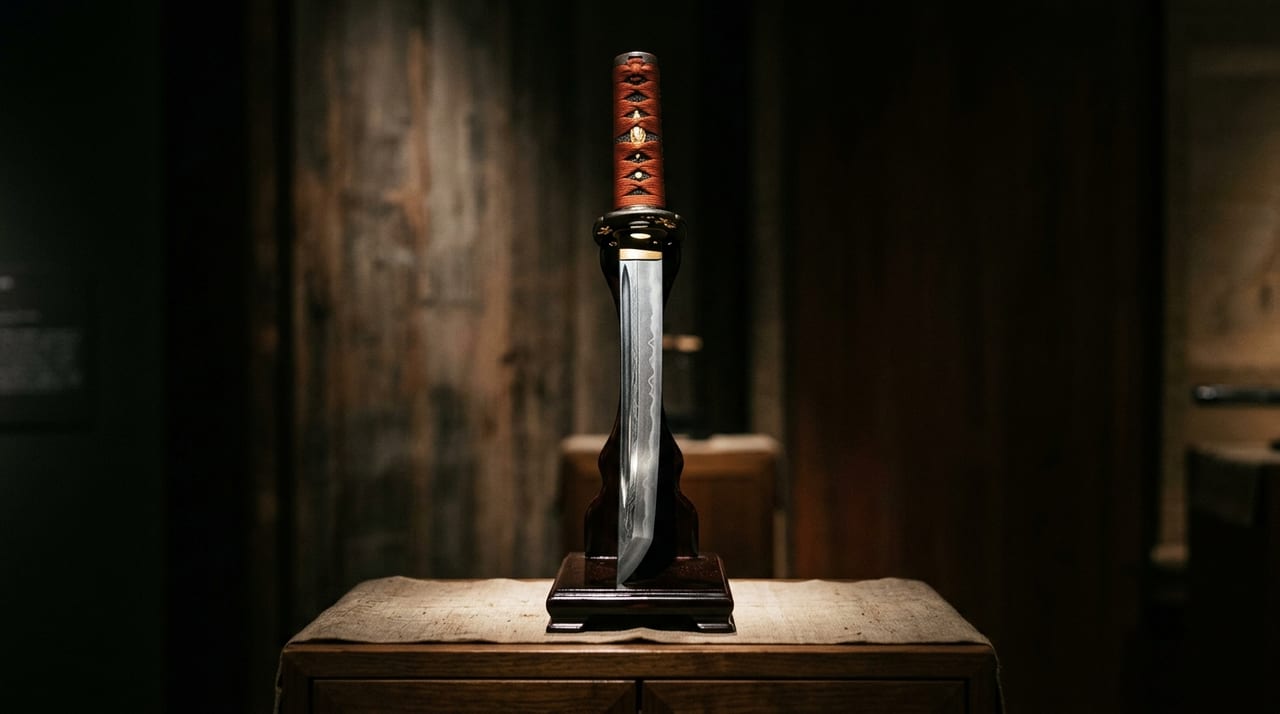
A tanto is a Japanese blade under one shaku (about 30.3 cm). It is forged through the same process as longer swords; the differences lie in its length class, its mostly hira-zukuri form with little curvature, and the minimum forging days in the production-approval criteria.
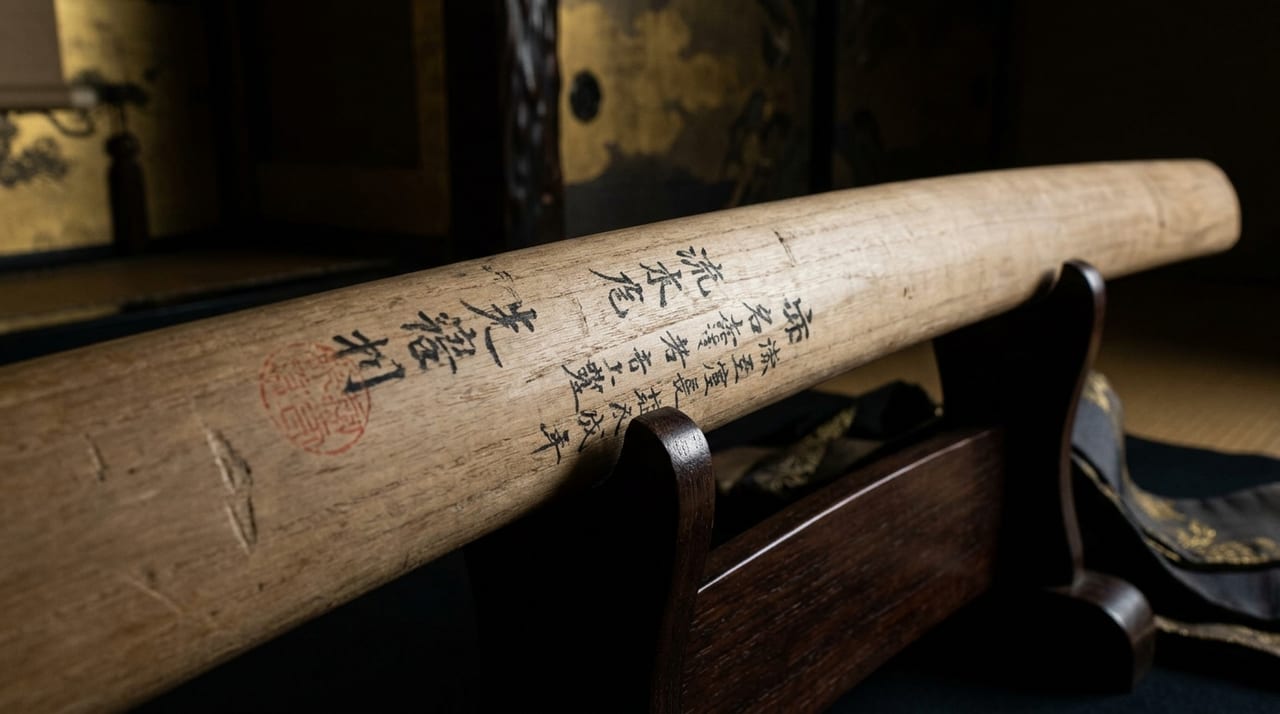
An explanation of the origins of sayagaki inscribed in ink on shirasaya, the role played by the Hon'ami family, how to read the inscribed content, and the differences from kanteisho.
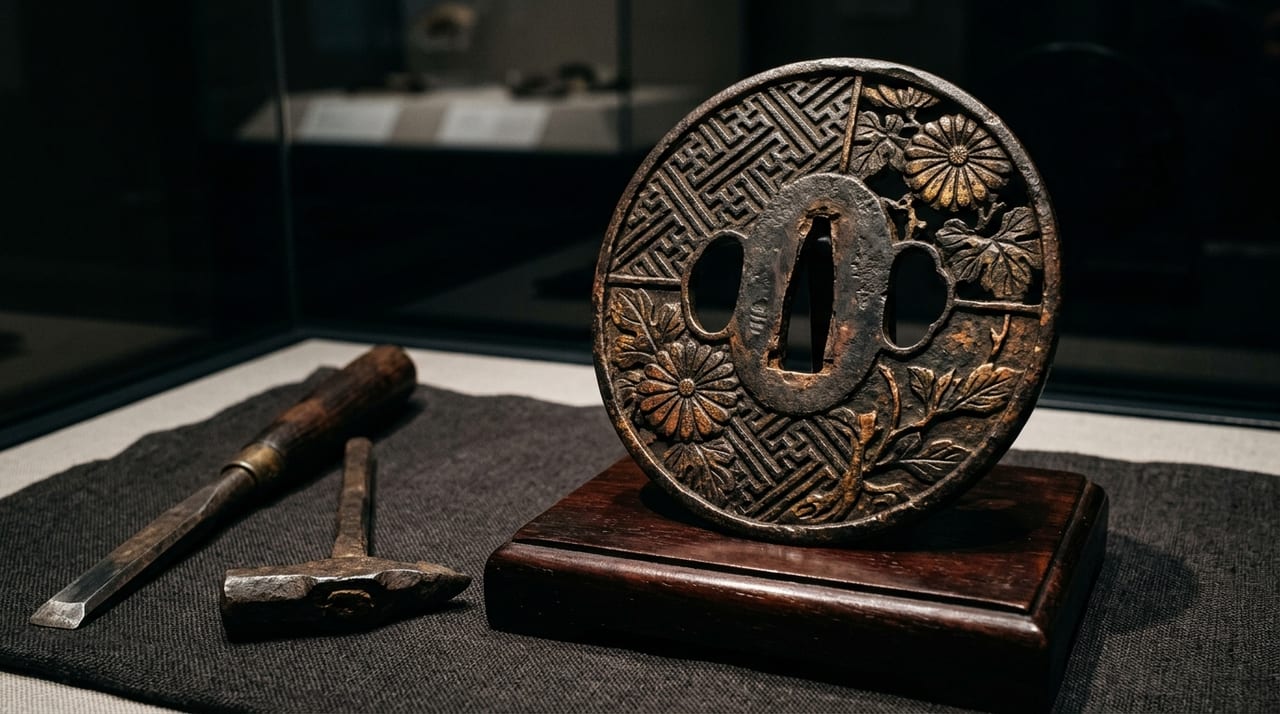
An organized look at the observation points in metalworking technique for distinguishing cast from hand-carved tōsōgu such as tsuba and menuki.
An explanation of the "utsushi" production approach — in which modern tōshō reproduce the form, jigane, and hamon of famous swords — its differences from the original, and its place in the industry.
An explanation of how craftsmen have judged the success or failure of heat treatment and the distribution of hardness from the oxidation colors (yakiiro) that appear on the blade edge, jigane, and mune of nihontō.
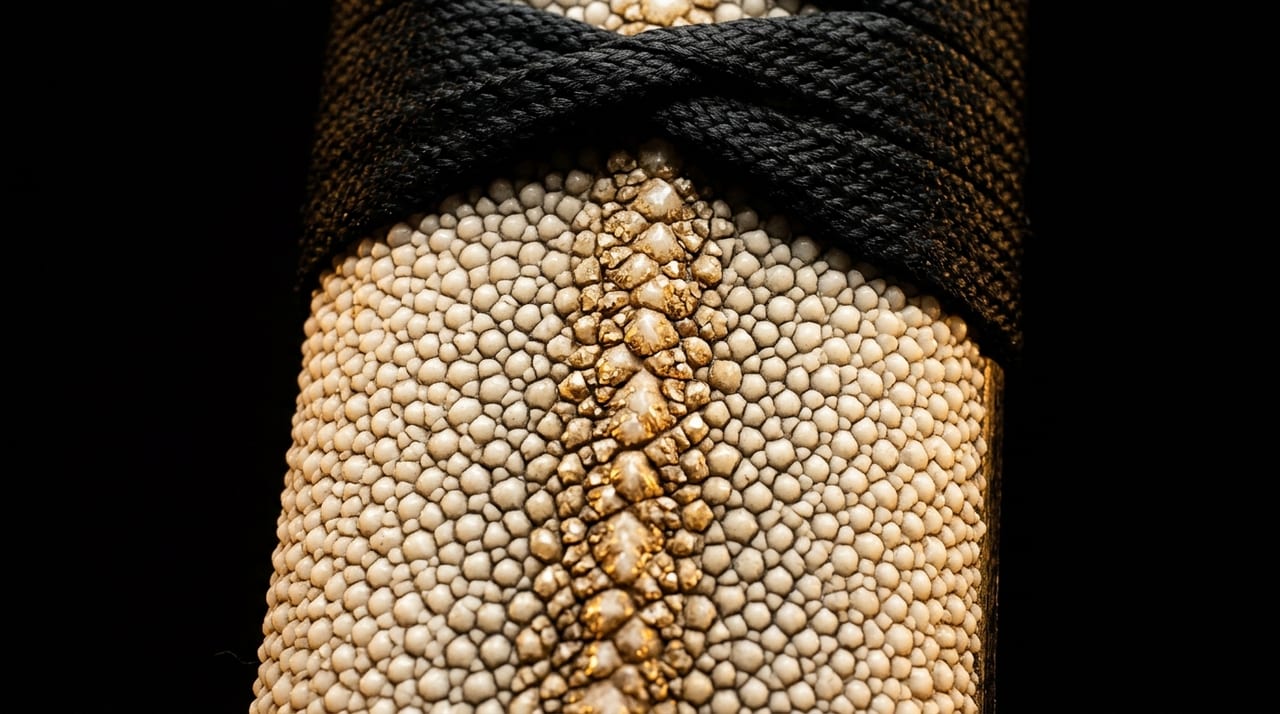
The base treatment of samegawa (ray skin) hidden beneath the wrapping thread of the tsuka. An explanation of the traditional techniques that support the grip of the tsuka, including the placement of the oyatsubu and the application process.
The success of yaki-ire, which determines the quality of a Japanese sword, in fact depends on special clay the tōshō prepares in advance. Hardness adjustment, generating the hamon pattern, and preventing waniguchi cracks — all of it is controlled through clay mixing, a craft secret passed down among swordsmiths.
The introduction of electric grinders and electric furnaces by modern tōshō prompts a re-examination of the relationship between tradition and innovation. This article explains the definition of "tradition" in nihontō production from the system of sword-making approval and registration, NBTHK's assessment criteria, and three distinct camps — results-oriented, process-oriented, and materials-oriented.
This article explains the mechanisms behind the surface oxidation phenomena of decarburization (dattan) and scorching (yake) that occur during nihontō forging, the practical techniques of the tōshō for preventing them—including temperature management, reducing heating time, and the use of protective agents such as warabai (straw ash)—and post-treatment through togi after completion.
Nihontō become magnetized during forging and storage, causing problems for appraisal, storage, and togi. The article explains in detail the practical methods of demagnetization such as kōryū datsuji (AC demagnetization), as well as everyday preventive measures such as maintaining distance from speakers and magnets.
Tsukamaki is an essential technique that protects the grip of a Japanese sword and enables safe handling. This article examines in detail the craft of the tsukamakishi (hilt-wrapping specialist), covering material selection — silk, cotton, and leather — multiple wrapping styles including morotsumami-maki, and the management of uniform tension.
Traditionally, "fuyu-kaji" has been recommended as the time for a tōshō to make swords. The cool season facilitates stable water temperature management during yaki-ire, and the hi-iro of the furnace is also easier to read. Summer work, on the other hand, presents its own challenges, including changes in steel behavior due to high temperature and humidity as well as craftsman fatigue. Understanding the relationship between season and sword-making reveals how closely the Japanese sword as a craft is bound to the natural environment.
Hadori is the most delicate polishing technique applied by the togishi in the final stage of work. This article explains the methods and significance of finish polishing — from whetstone selection to the pressure of the fingertips — that beautifully highlights the hamon.
The forging of nihontō was not mere metalworking but a spiritual act deeply interwoven with the rituals of esoteric Buddhism and Shinto. This article explains what role furnace-side prayers, auspicious objects, and talismanic inscriptions played in the swordmaking process, and examines the actual practice and ideological background of kaji ritual.
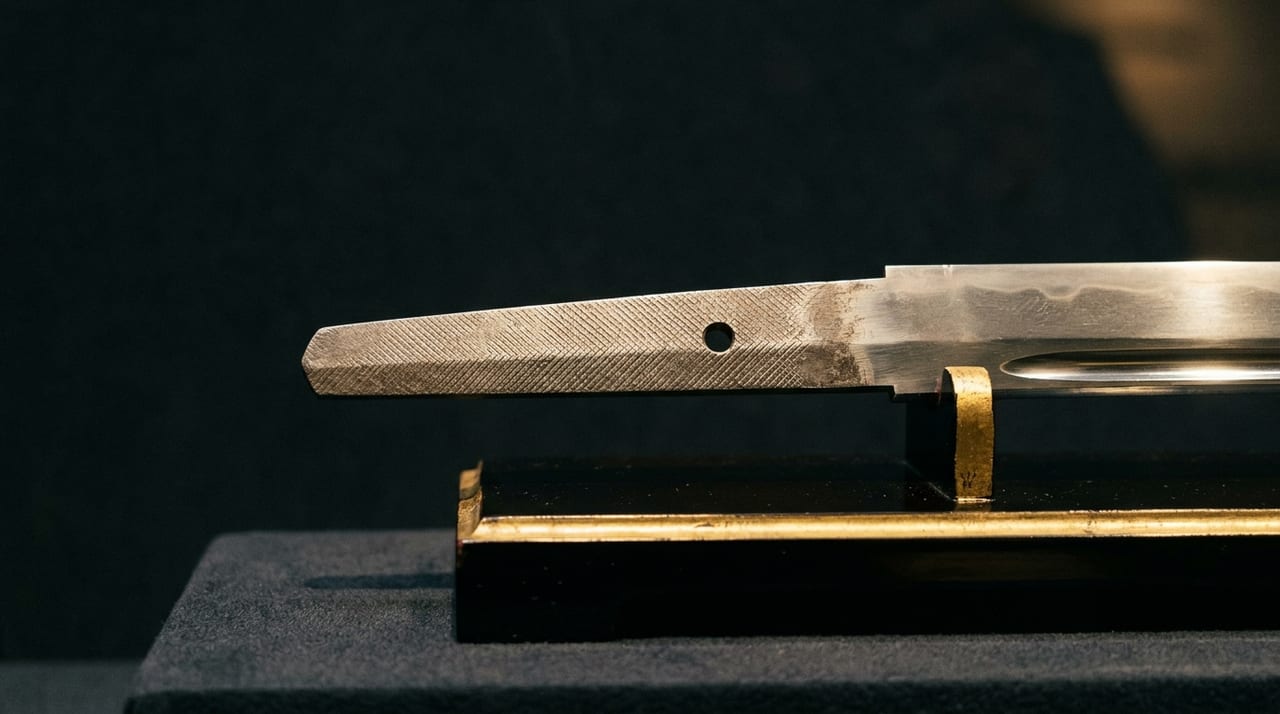
A blade that has completed yaki-ire undergoes a rough-shaving process called "sen-gake" before togi. This article explains the procedure of this technique, which uses a chisel-like tool to bring the blade's sori and shape into order, and the years a craftsman spends mastering it.
In the forging of Japanese swords, the kozuchi operated by the tōshō and the ōzuchi swung by the uchiko work in concert to shape the steel. This article explains the differences in weight, shape, and striking method of each hammer, the division of roles in the tanren process, and the judgments that a skilled tōshō makes in selecting a hammer.
The nakagojiri — the terminal end of the nakago — takes forms such as kurijiri, kengyō, and iriyamagata, each reflecting the tōkō's school and period. This article explains the shaping of the nakagojiri and the significance of kesho-yasurime, as well as their role in kantei, from a technical perspective.
Warabai and dorojiru are indispensable for tansetsu, the process of joining steel in orikaeshi tanren. This article explains, from a chemistry perspective, the mechanisms by which these substances prevent oxidation and flush out impurities, as well as the timing with which a tōkō applies them.
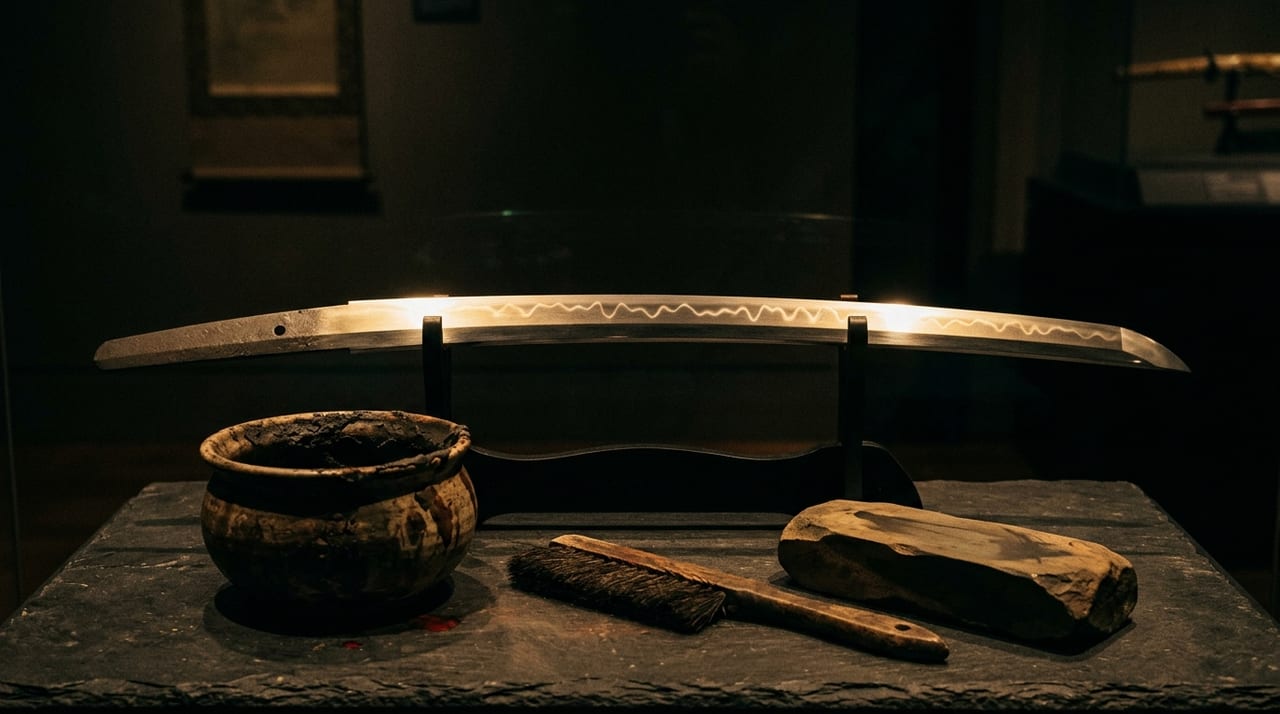
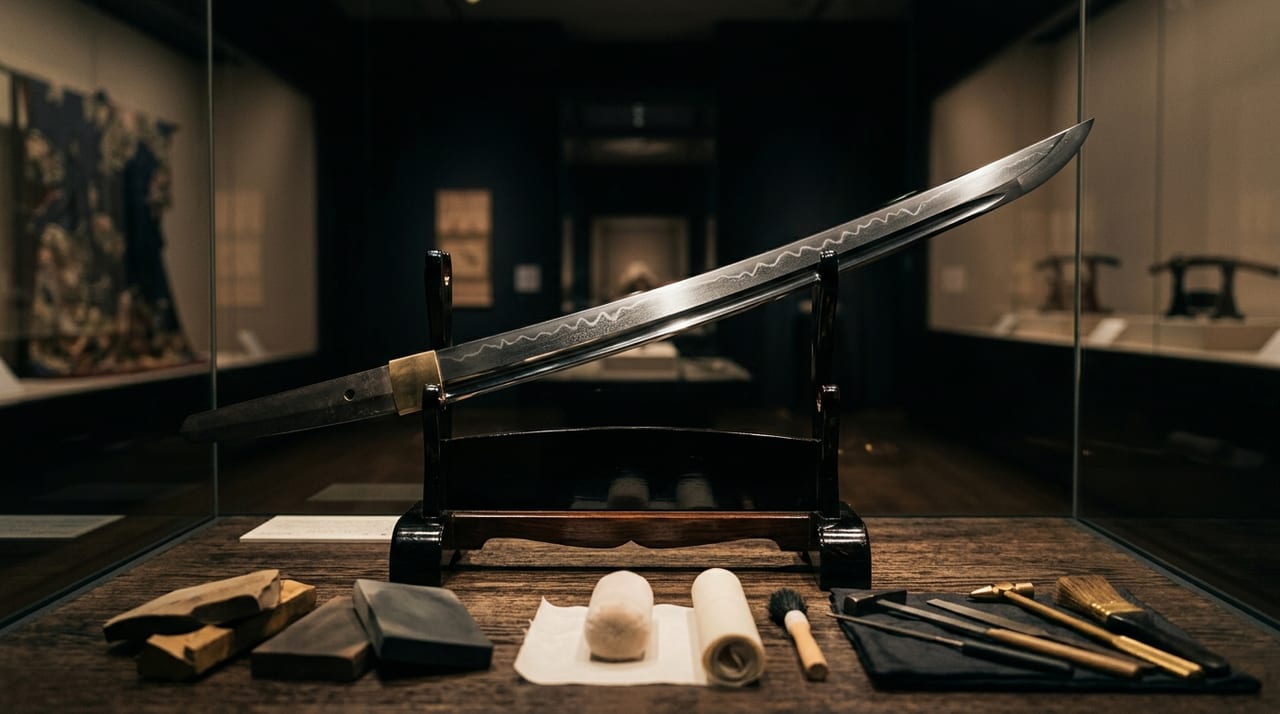
The togi of nihontō uses different whetstones for each stage. This article explains the types and properties of natural whetstones such as ara-to, naka-to, and uchigumori-to, as well as the role of finishing stones used for hazuya and jizuya.
The hi carved into a blade serves both weight reduction and decoration. This article covers the types — bōhi, futasuji-hi, koshi-hi, and others — the tools and process of hi-kaki, and the skill revealed in the treatment of the hi-saki.
Hitatsura, which scatters the quench not only along the cutting edge but also across the ji (flat of the blade), is a hamon that demands highly advanced control of tsuchioki (applying the clay coating) and yaki-ire (quenching). This article explains how this technique, which originated in Sōshū-den, is made and why it is so difficult.
Chōji hamon has even more refined variations, including juzuba and jūka-chōji. This article explains how the evenly aligned heads and double-blooming flower formations are achieved through quenching, and describes the advanced differentiated firing of Bizen-den.
The bōshi — the hamon that appears at the kissaki — is the point where failure in yaki-ire is least forgivable. This article explains the techniques that determine the form of the bōshi, including the difficulty of tsuchioki and cooling, and types such as yakizume and komaru.
During the Edo period, sword smiths incorporated imported iron known as nanban-tetsu into their craft. This article explores, from a technical standpoint, the differences in properties between Japanese steel and nanban-tetsu, the innovative forging methods employed by early-modern smiths, and the significance of nanban-tetsu signatures inscribed on blades.
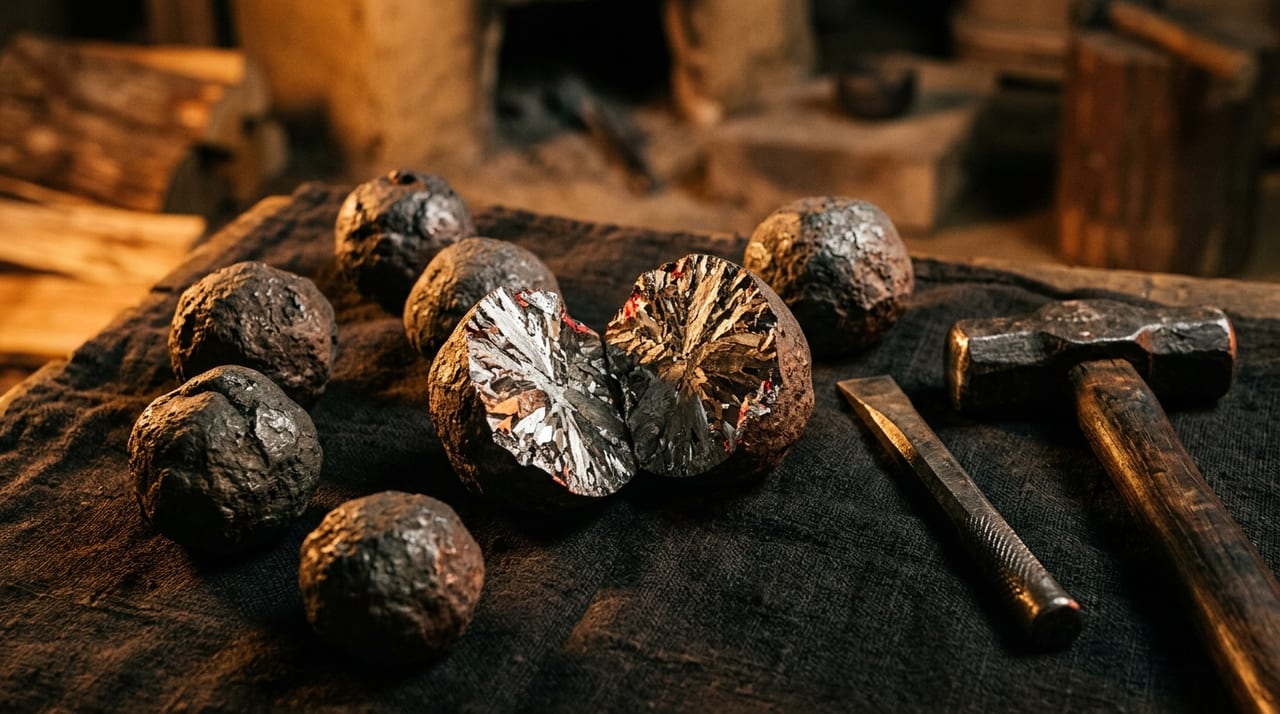
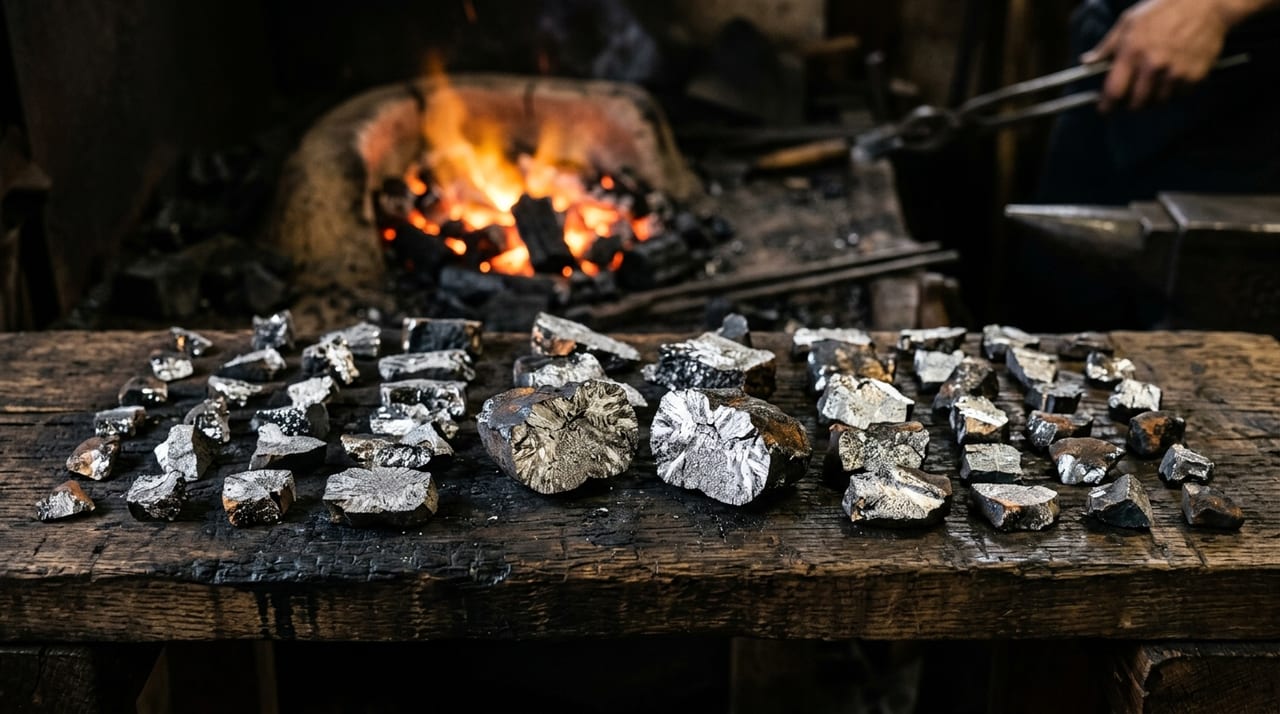
Before entering the orikaeshi tanren stage, tamahagane undergoes the preparatory steps of mizubeshi and kowari. This article explains the tōshō's first act of judgment: flattening the mass, splitting it apart, and reading the carbon content and quality of each fragment to sort them by use.
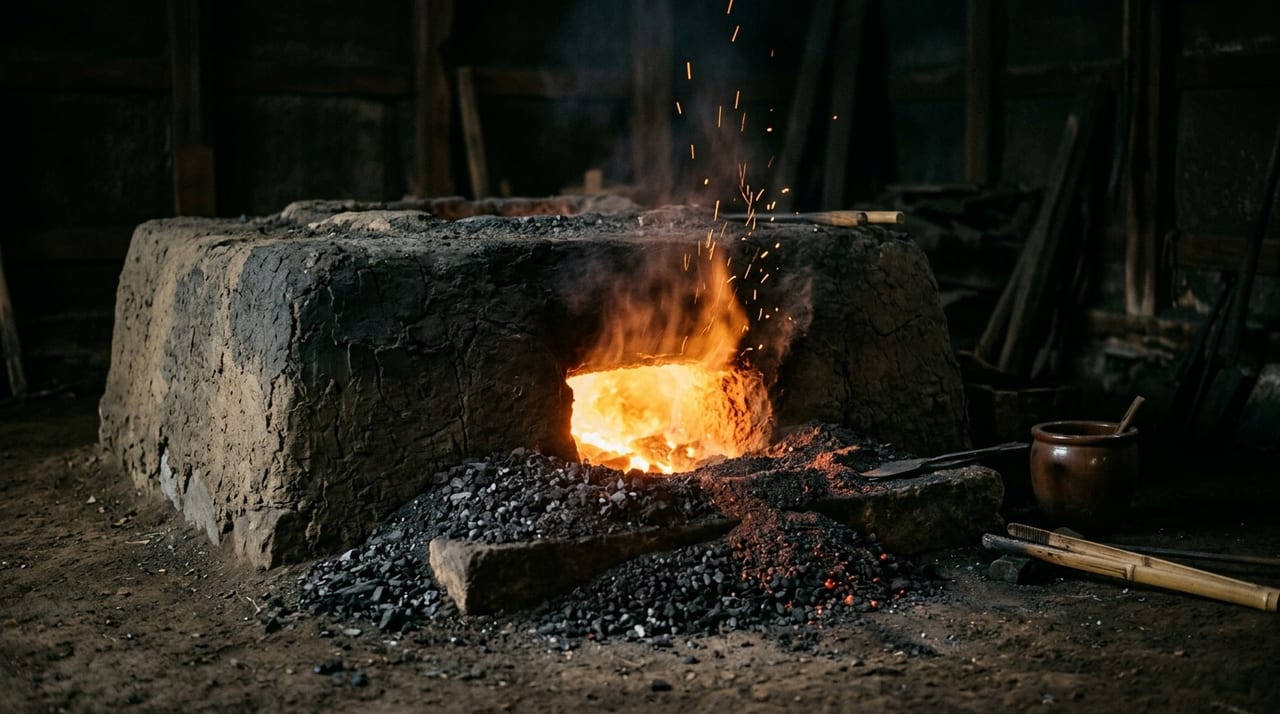
Tatara smelting has two operating methods: kera-oshi and zuku-oshi. This article explains what each produces as its main product, how tamahagane is obtained, and the differences in temperature management and charcoal use.
Covering everything collectors need to know in practice, from daily maintenance using chōji oil and uchiko to shirasaya storage and environments with managed temperature, humidity, light, and vibration, all in order to pass nihontō on to the next generation. Seasonal maintenance frequency, saya interior management, and initial responses to problems are explained in a practical way.
The sharpness of nihontō is determined by the edge angle (ha-kaku) and the togi finish. Making the angle excessively acute leads to chipping; making it obtuse reduces sharpness. This article explains, from metallurgical and practical perspectives, how the tōshō and togishi design and achieve the balance between sharpness and durability in their respective processes.
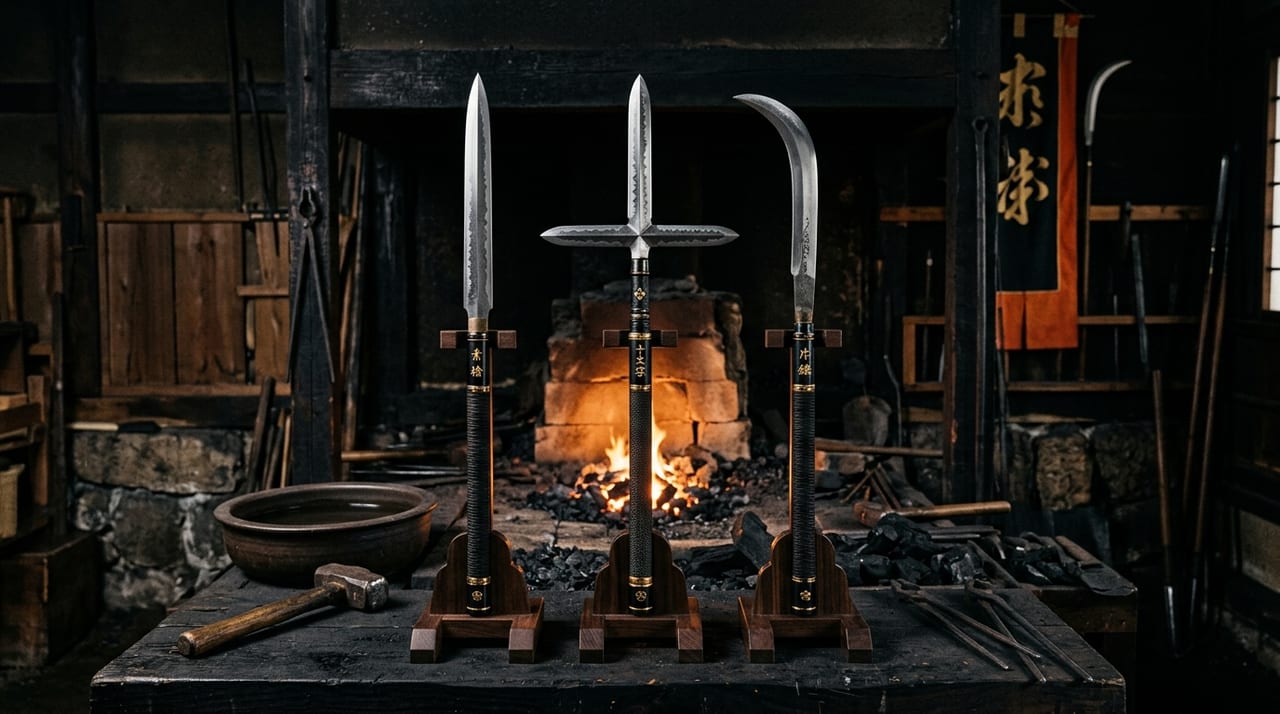
Yari are made by the same tōshō as Japanese swords, yet their manufacturing process differs greatly from that of swords. This article systematically explains the smithing techniques unique to yari, covering the different forging methods for each blade-tip shape (jūmonji, su-yari, and katagama), how the shinogi is formed, finishing the nakago, and controlling the yaki-ire (quenching).
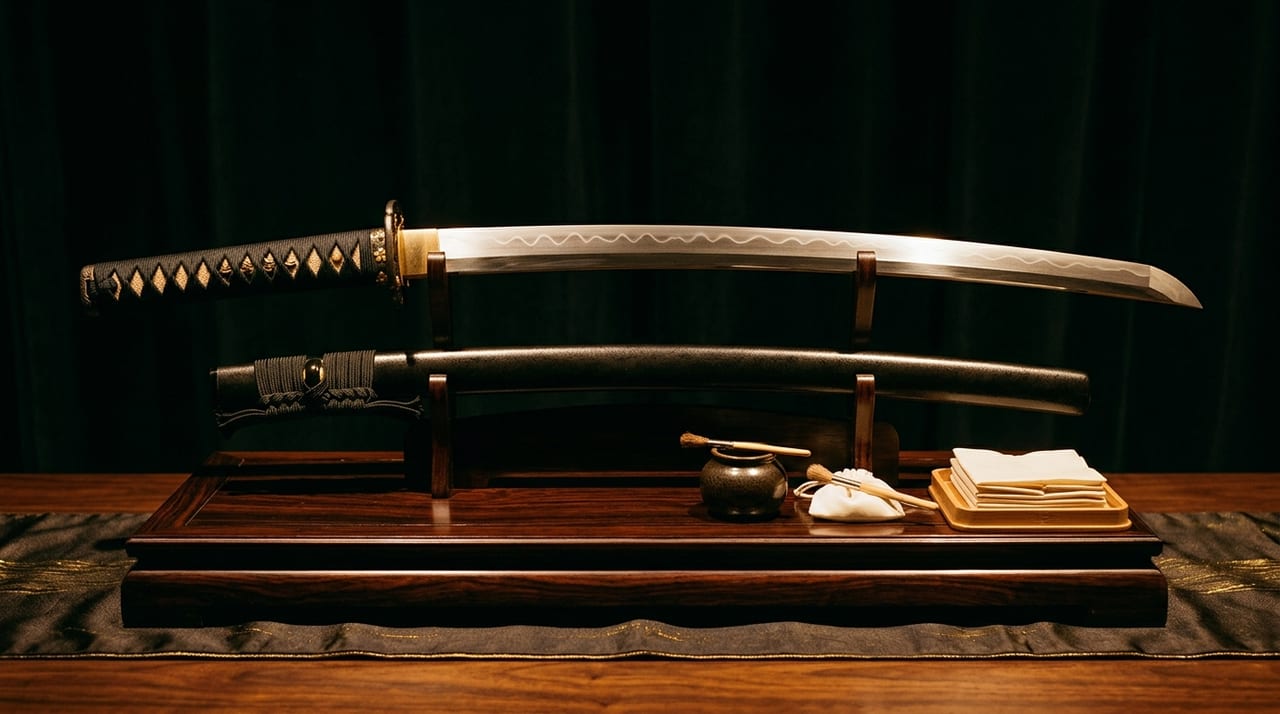
A detailed explanation of the rust-prevention mechanisms that enable long-term preservation of nihontō. Covers the removal and adsorption of old oil by uchiko (polishing powder), oil-film formation using camellia oil, environmental management at relative humidity 40–50%, seasonal maintenance procedures, and rust-prevention measures for metal fittings — all from a material-science perspective, with comprehensive practical knowledge.
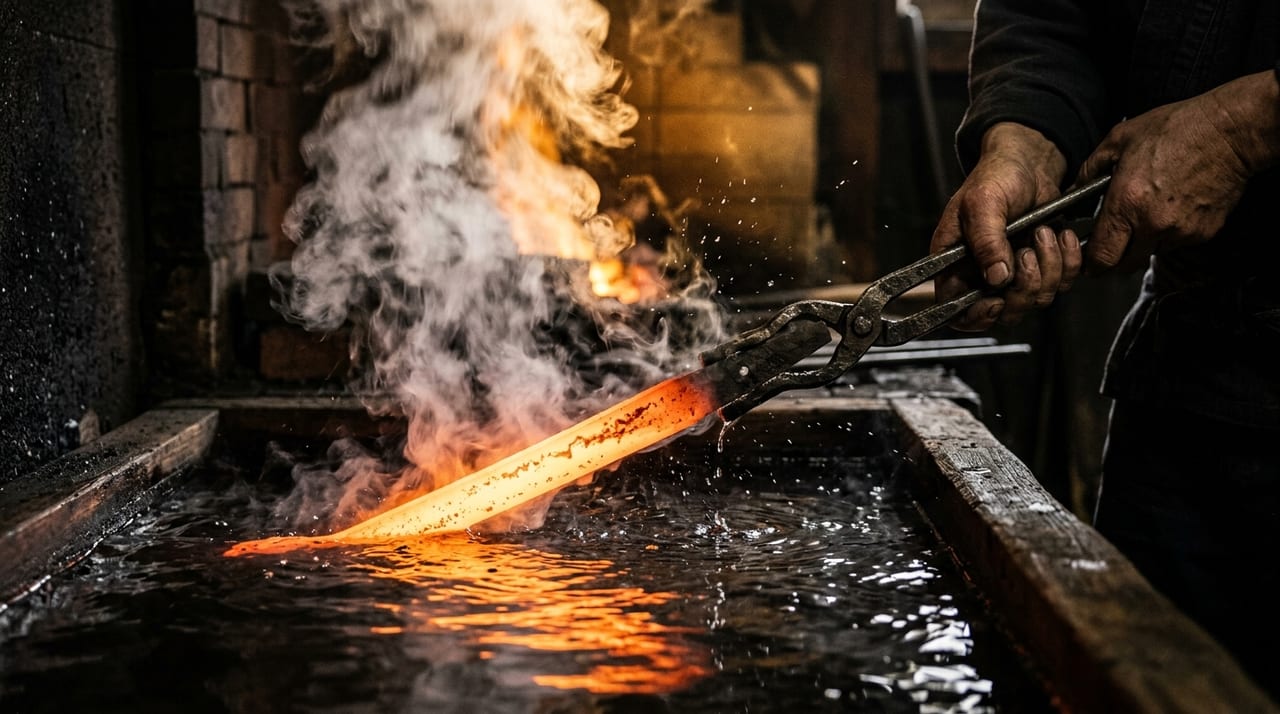
This article explains the principles behind "yaki-ware" and "hi-ware," stress fractures caused by the structural transformation that occurs during rapid cooling in yaki-ire, and details the preventive techniques practiced by tōshō and how they handle failures.
A detailed explanation of the types, formation mechanisms, and appraisal significance of chikei as they appear in the jigane of nihontō. Covers shape classification of chikei (straight, curved, branching), characteristics by Gokaden tradition, and the togishi's techniques for bringing them out.
A comparison of the manufacturing techniques behind Japanese swords and those behind kitchen knives, sickles, and farm tools, explaining the technical similarities and differences between bladesmiths and tōshō. The unique difficulties of swordmaking — tamahagane handling, tsuchioki yaki-ire, and the high standard of aesthetic refinement required — are discussed from a craftsman's perspective.
An explanation of how the choice of quenchant (reikyakueki) in yaki-ire affects blade hardness, toughness, and sori. Covers differences in cooling rate between water, oil, and brine; the criteria tōkō use when deciding — such as water for tantō and oil for longer blades; the influence of season and region; and the verification of traditional techniques through modern science.
The sori of a Japanese sword forms during the cooling process of yaki-ire, and its shape is greatly influenced by season, temperature, and humidity. This article explains the technical approaches of tōkō in cold regions such as Aizu and Etchū versus those in warmer regions such as Kyoto and Osaka, as well as the corrective techniques applied according to season.
A detailed account of the techniques a tōshō uses after yaki-ire for nakago shaping, mekugi hole drilling, and yasurime cutting. Covering shape classification, hole placement precision, school-specific yasurime styles and their practical functions, this explains the practice of nakago finishing.
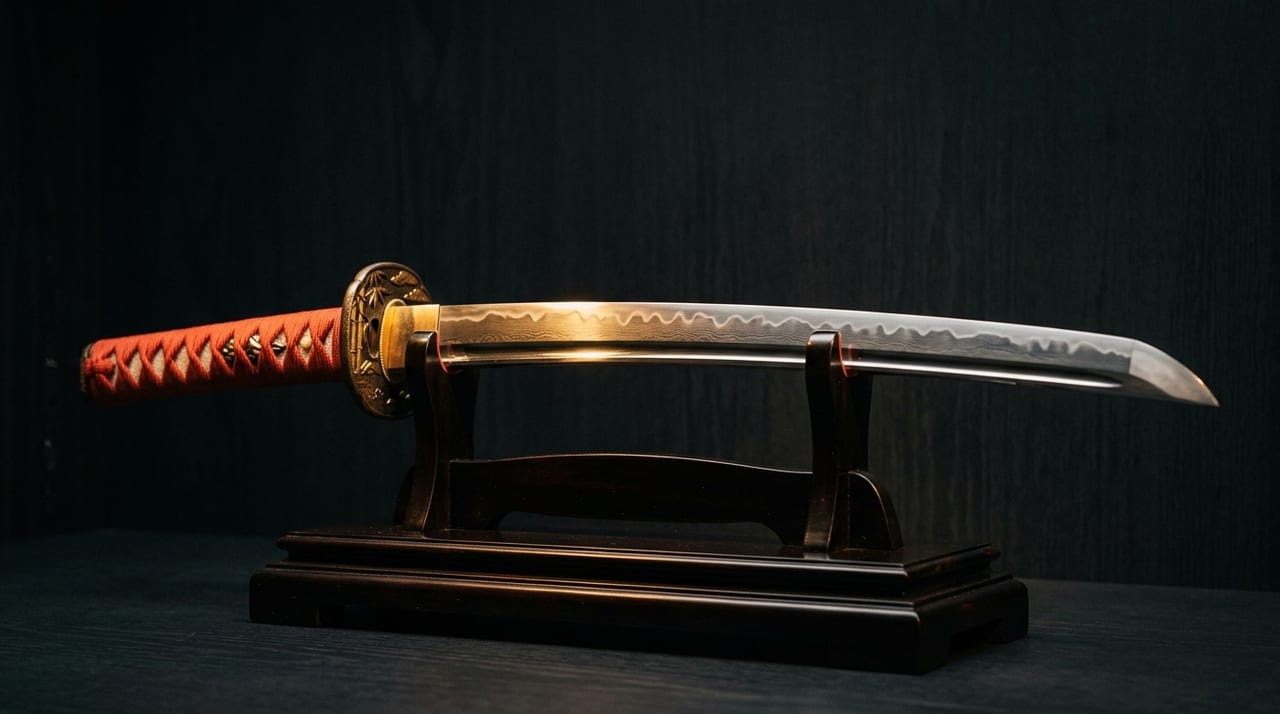
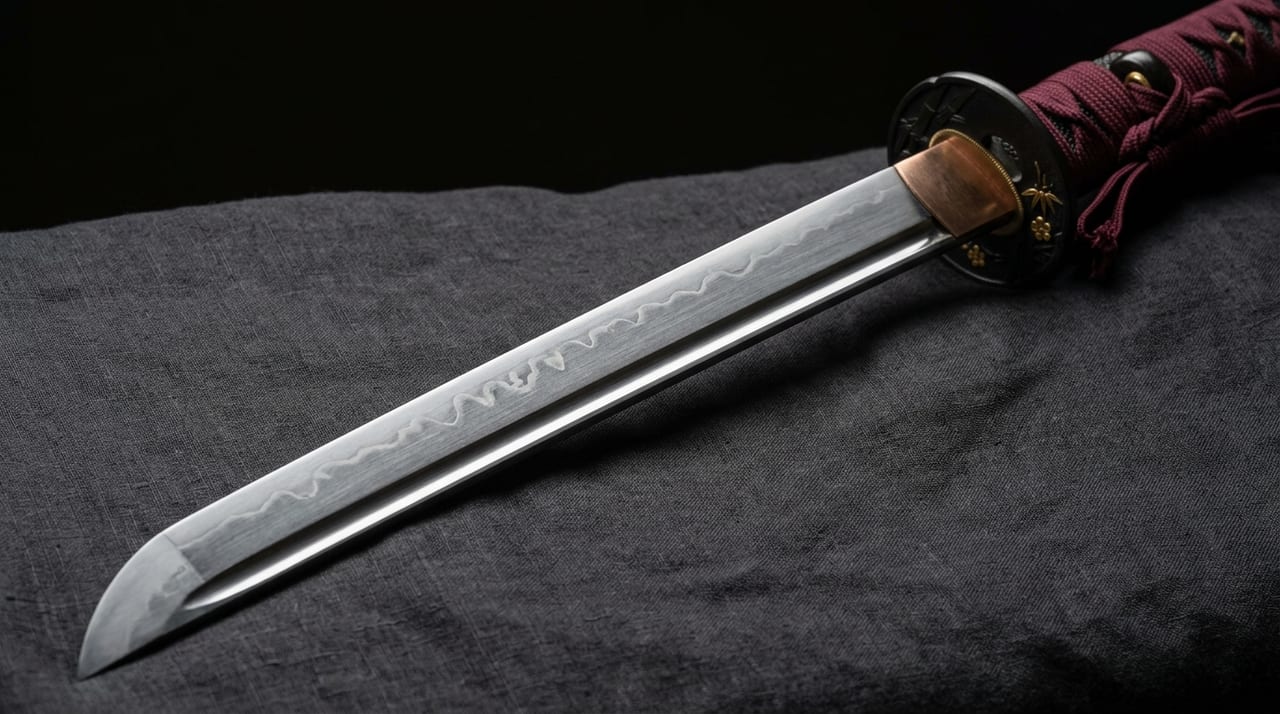
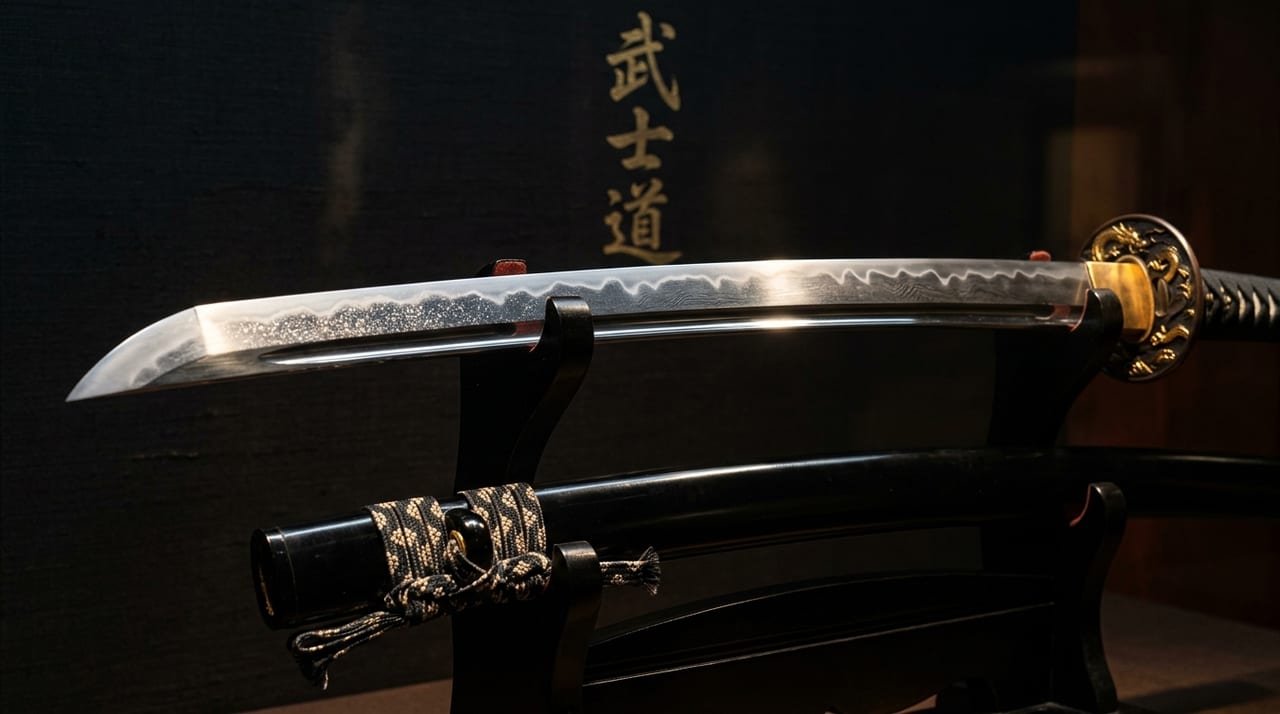
A scientific explanation of the hamon, detailing how the two contrasting particle states—nie and nioi—affect the character of the hamon and how they have been employed differently by each school.
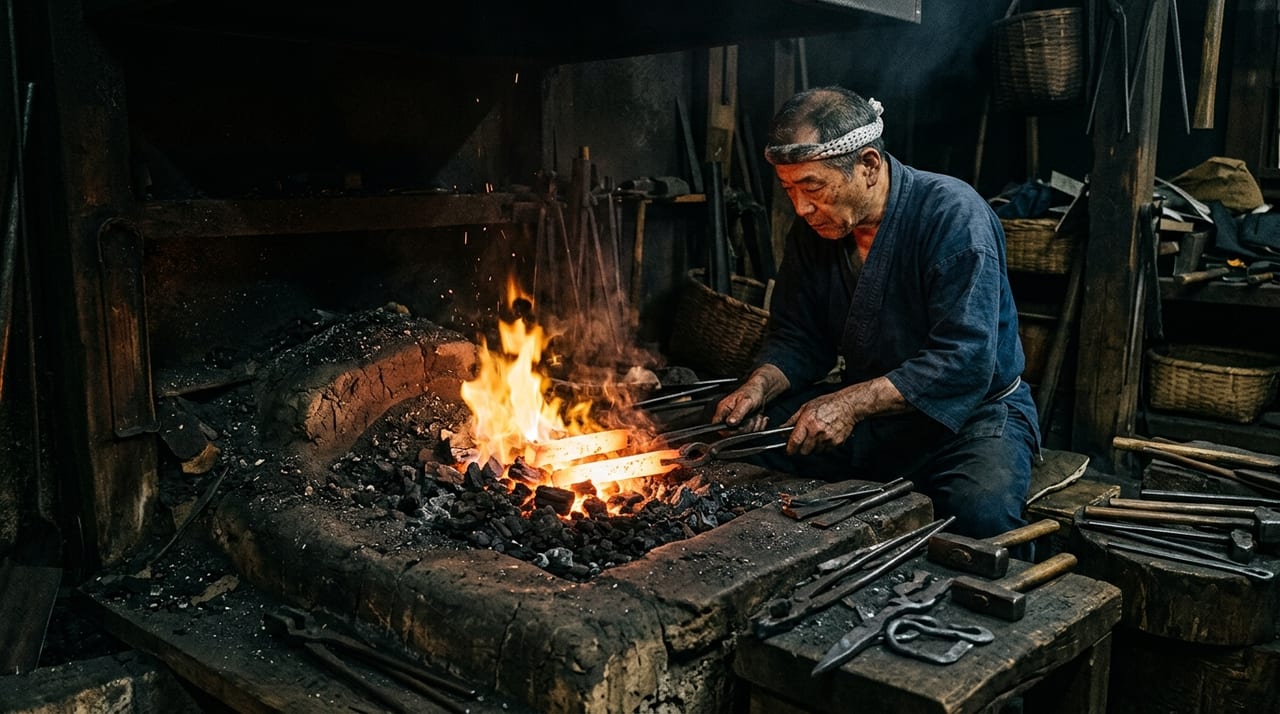
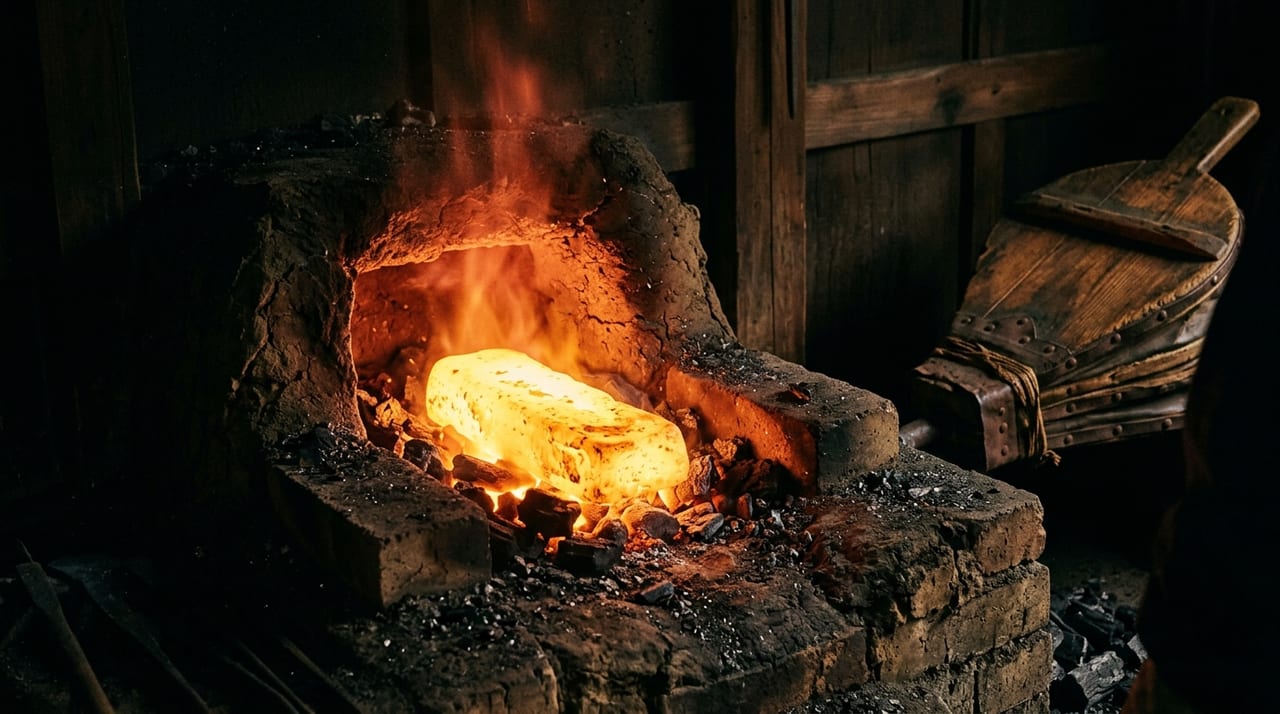
A scientific explanation of the heart of nihontō forging: the fuigo (bellows) and forge temperature control. Explores the effects of charcoal type, airflow, and heating time on the carbon content of tamahagane and the quality of the blade.
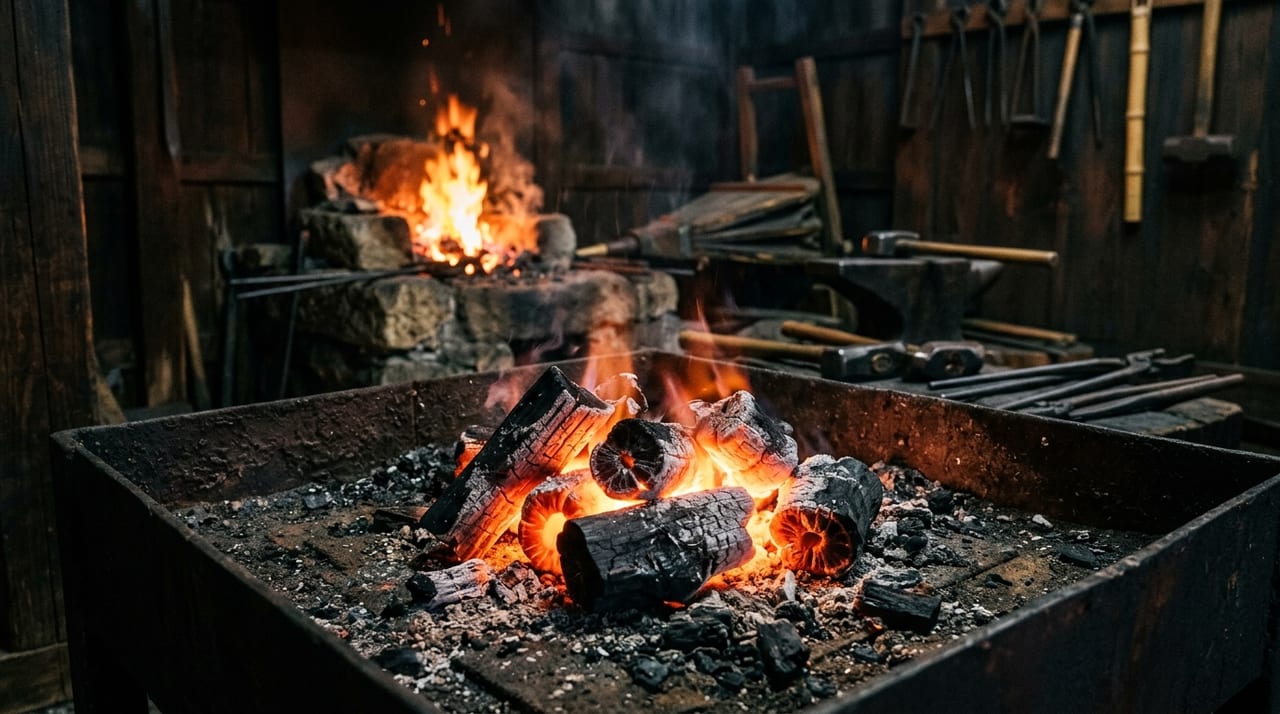
The types and quality characteristics of charcoal indispensable to the forging of Japanese swords, including shiro-zumi, kuro-zumi, and binchōtan. This article explains the practical knowledge needed to select the highest-quality charcoal, covering the quality-assessment techniques practiced by tōshō, regional differences, and the decline of charcoal craftsmen and supply challenges.
In the tanren of tamahagane, the article explains — from both a materials science perspective and the experiential knowledge of the craftsman — the technical judgments a tōshō must make in order to draw out not only hardness but also toughness (stickiness) from the steel.
This article explains the role of "tacit knowledge (embodied knowledge)" in Japanese sword forging techniques — knowledge that cannot be conveyed through writing, numbers, or diagrams. It examines the reality of the sensory judgments that craftsmen inscribe in their bodies through years of experience — such as hiiro (fire color) assessment, the sense of uchigoro (the right moment to strike), and judging the condition of iron by sound — and explores how these are passed down through the master-apprentice system.
An explanation of the transmission of intent — what the tōshō wants to show in a given blade — and the reality of the polishing philosophy with which the togishi responds.
Kitaewari (forge cracks) are cracks and delamination that occur during the tanren of Japanese swords, caused by a combination of factors including uneven carbon distribution, oxidation scale, and failures in temperature management. This article explains the two types — surface cracks and internal delamination — their chemical and physical causes, and preventive measures ranging from material selection to temperature adjustment.
A scientific explanation of the influence that the number of orikaeshi tanren folds has on the number of steel layers, carbon content, jigane, and hamon. Drawing on the difference between 15 and 20 folds, it clarifies the basis for why modern tōshō consider 10–16 folds the optimal number.
A scientific explanation of why the characteristic sori of the nihontō occurs, from the perspective of metallurgical physics — residual stress, martensitic transformation, and differential cooling rates — in the kaji process.
A detailed explanation of how tamahagane produced by tatara smelting is sorted into kawagane (jacket steel) and shingane (core steel), the criteria for grading, and the discernment skills that tōshō possess.
A detailed explanation of the raw materials, blending, and preparation process for the clay applied to a blade before yaki-ire (quenching), with analysis of how clay properties influence hamon shape from both scientific and craftsman perspectives.