New Arrivals — Browse our catalog for the latest authentic Japanese sword arrivals. Browse →
Practical guides for owners: buying, care, storage, display, and registration of swords.
The motivations of those who continue collecting nihontō are diverse. Collecting motivations — including art appreciation, historical research, martial arts practice, asset holding, and cultural preservation — often coexist in multiple forms within a single person. This article categorizes the collecting motivations of sword collectors and examines how each motivation influences the continuation of collecting behavior.
A systematic guide for those who want to start collecting Japanese swords, covering budget planning for beginners, sword type selection, purchasing venues, and how to verify kanteisho. Common mistakes beginners tend to make and ways to avoid them are also introduced.
Explains the procedures and practicalities when an individual donates privately owned nihontō to art museums, museums, and shrines. Covers how to choose a receiving institution, procedures under the Act on Protection of Cultural Properties, transferring the registration certificate, and key points in donation contracts — a comprehensive guide to information collectors need to know.
When parting with a Japanese sword through inheritance or decluttering, this article explains how to choose the right appraiser, the selling process, and the factors that affect prices. A summary of practical knowledge to help first-time sellers avoid common pitfalls.
For collectors who own nihonto, choosing appropriate insurance is an important challenge. This article explains the differences between standard fire insurance and movable property insurance and fine art riders, how to verify coverage, and the practicalities of filing a claim.
A step-by-step explanation of the legal procedures (registration certificate name transfer, police notification, continued possession, and sale) when inheriting a nihontō that was in a family member's possession.
How to create records for keeping your collection in sound condition over the long term. A practical guide to organizing measurements, mei, condition, provenance, and appraisal information into a ledger.
An explanation of the definition and value of "ubu," the most important concept in sword appraisal. A comprehensive discussion covering the three elements of ubu nakago, ubu nagasa, and ubu sugata, through to the realities of the market premium and methods of judgment in practical appraisal.
Where do specialist Japanese sword dealers actually source their stock? Professionals in the sword trade explain the reality of procurement — from auction sales and estate clearances to deals with overseas buyers and direct transactions with tōshō — and the behind-the-scenes factors that determine prices.
A thorough explanation of the practical steps for an individual collector to send a nihontō to an overseas buyer or to themselves, covering the application for the Agency for Cultural Affairs' antique art export inspection certificate, the return of the registration certificate, the export customs declaration, packing standards, criteria for selecting an international carrier, and how to use a customs broker.
A thorough analysis of Japanese swords as an asset. Covers price trends at overseas auctions, the impact of yen depreciation, the price gap between overseas and domestic markets, and the real-world returns calculated after accounting for storage costs.
This article provides a practical explanation of the requirements for legally possessing a nihontō under the Firearms and Swords Control Act (Jūtōhō), the specific criteria for certification as an antique (art object), the types of registration certificates (issued by prefectural Boards of Education), and the legal obligations upon invalidation or transfer of ownership.
A comprehensive overview of all procedures required when exporting nihontō overseas. Covers the Agency for Cultural Affairs' antique art export inspection certificate, the return of registration certificates to the Board of Education, confirmation of customs codes (HS codes), and practical steps for cases where tsuka materials and samegawa (ray skin) are subject to CITES (Convention on International Trade in Endangered Species of Wild Fauna and Flora) regulations.
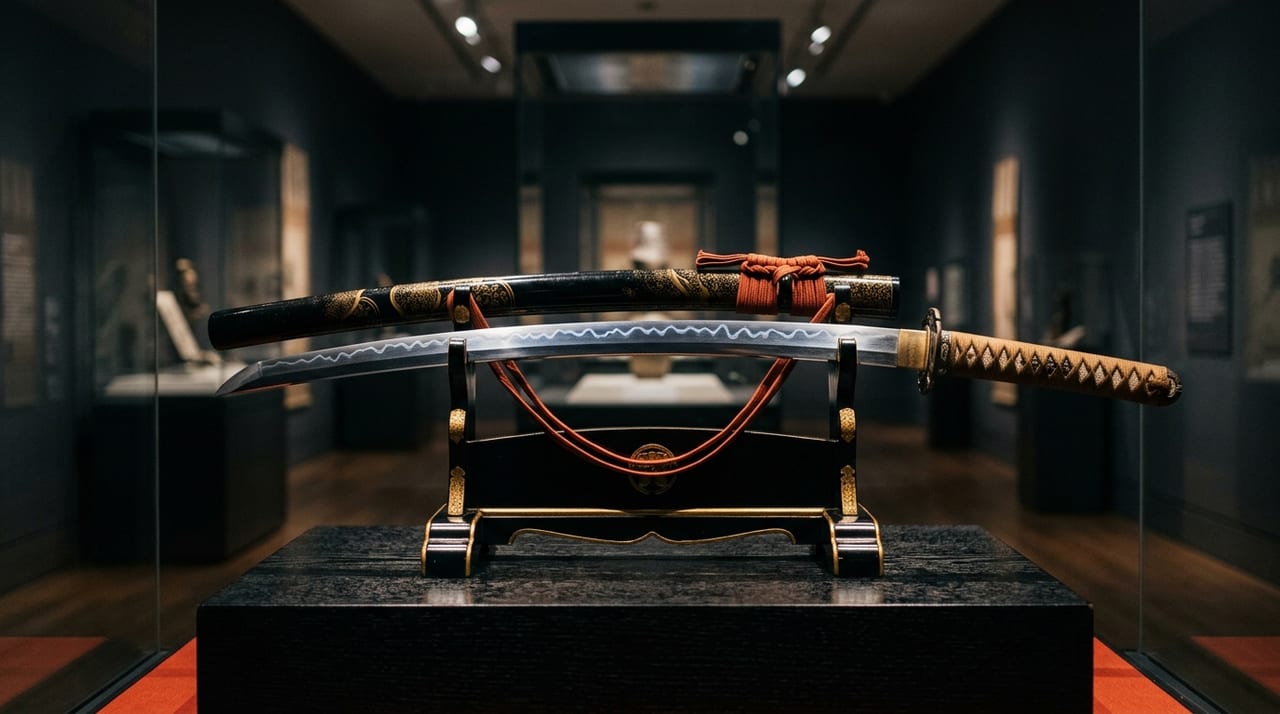
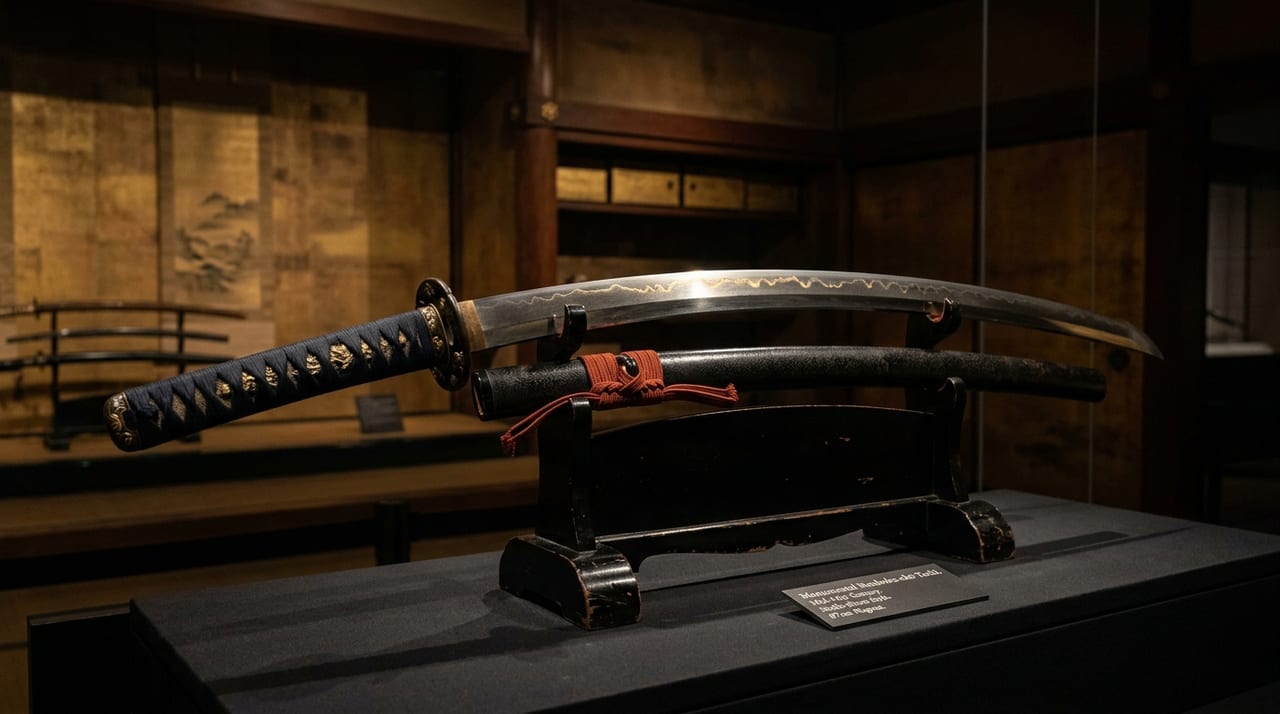
A region-by-region introduction to the major Japanese sword exhibition facilities across the country, including the Tokyo National Museum, Japanese Sword Museum, Tokugawa Art Museum, and Bizen Osafune Japanese Sword Museum. A thorough guide to the characteristics, exhibits, and viewing tips for each facility.
A comprehensive guide to the storage and maintenance knowledge every nihontō collector must know. From how to use uchiko and chōji oil to choosing the right storage environment, katanabukuro, and katanakake — a practical guide for the long-term preservation of swords.
A guide for collectors interested in Showa-era guntō (officer swords and Type 95) covering everything needed from acquisition to storage, authentication, and legal registration. An expert overview of Firearms and Swords Control Act (Jūtōhō) compliance as of 2026, practical use of NBTHK appraisals, and a sense of current market prices.
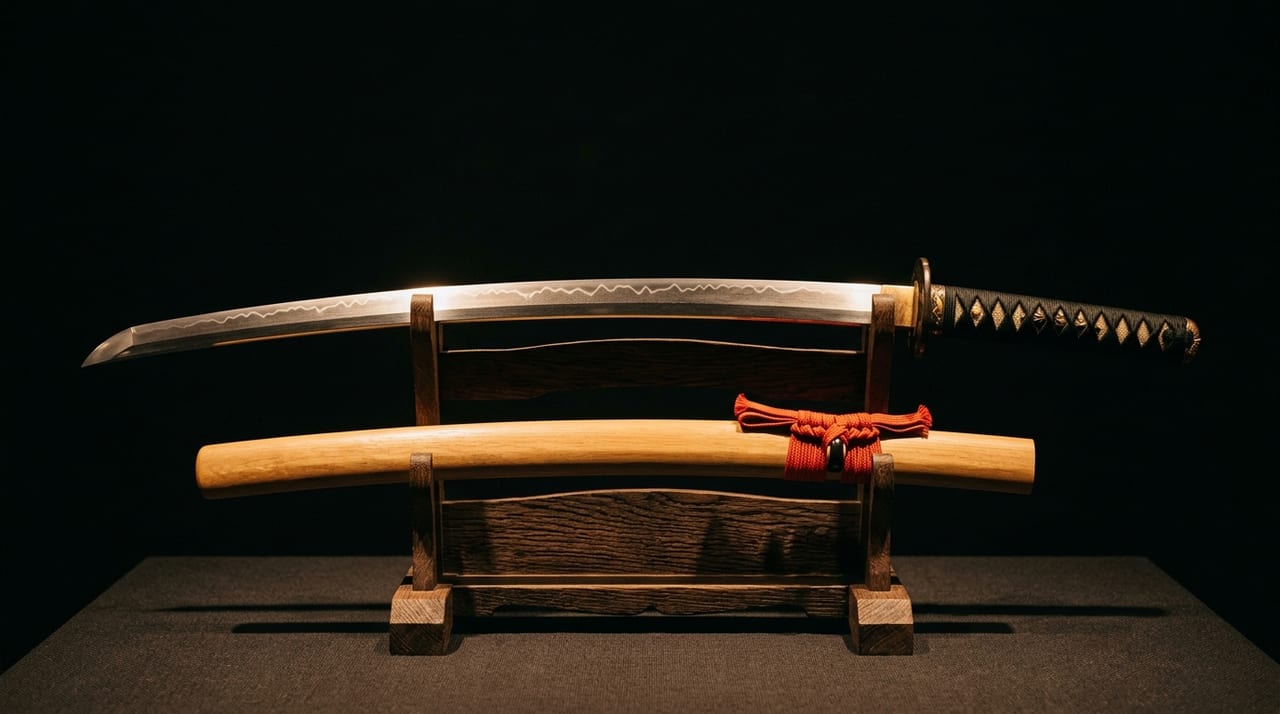
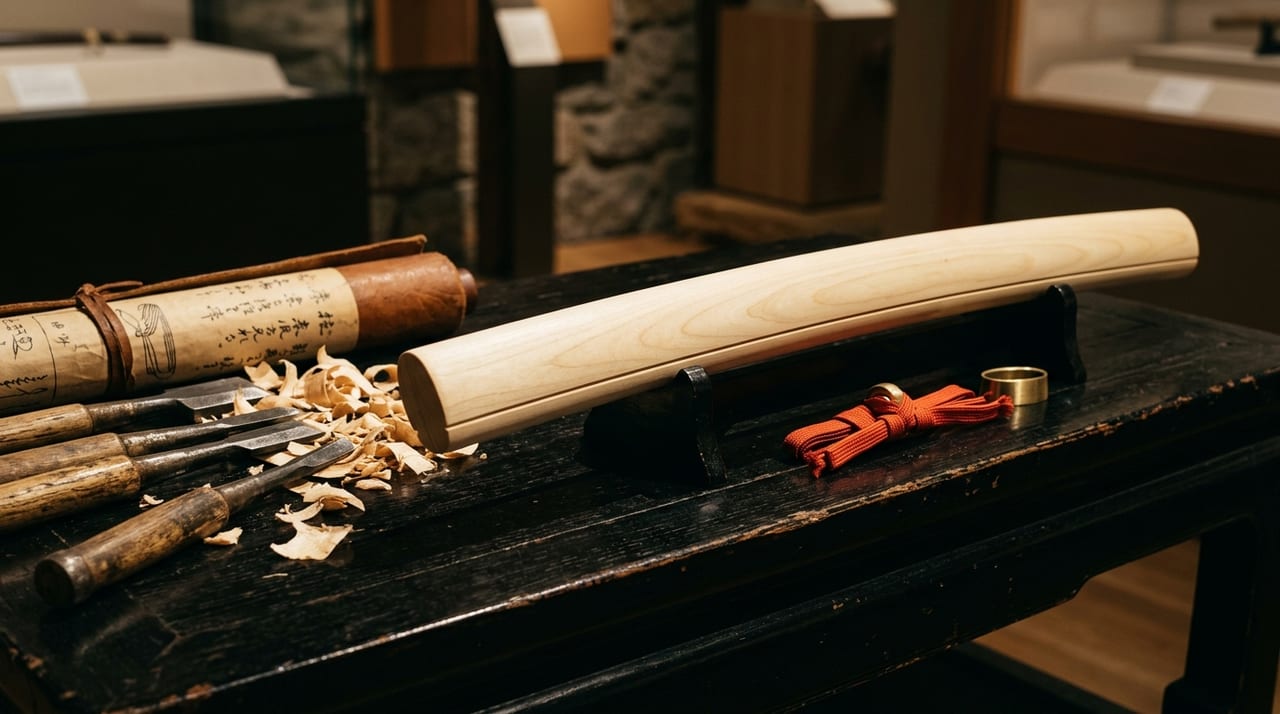
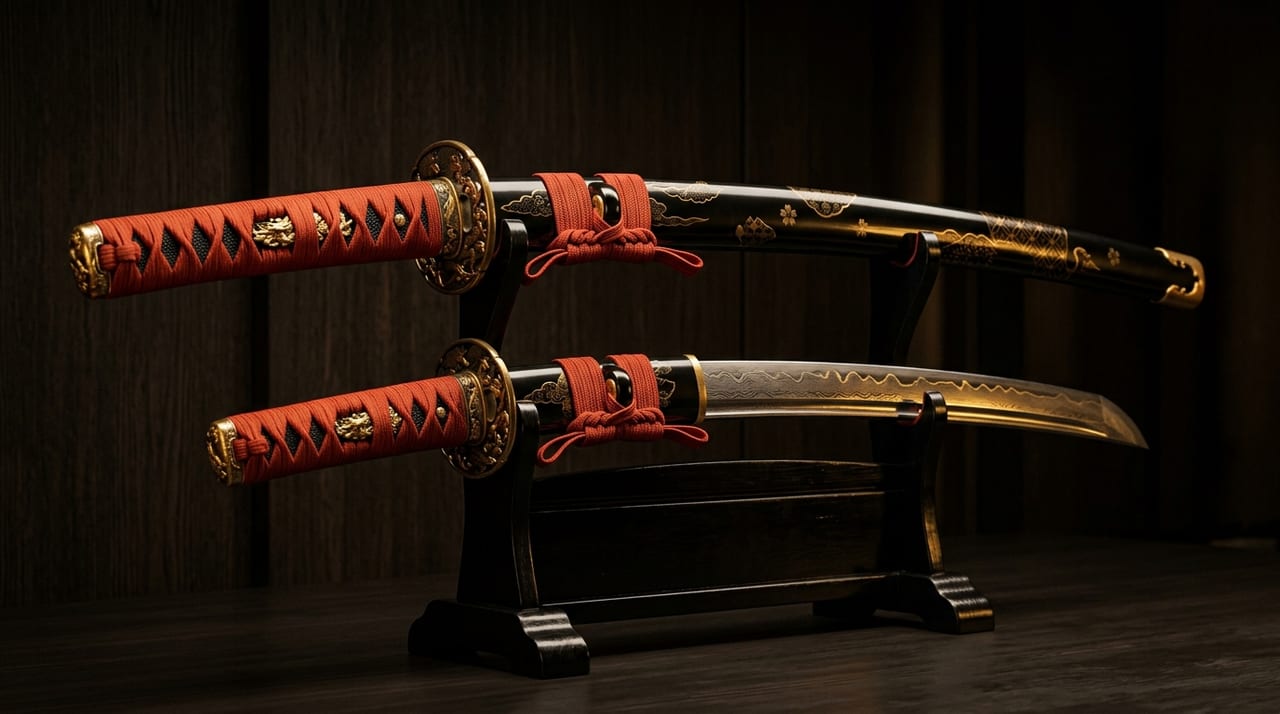
Shirasaya is a wooden, uncoated saya used for the storage and preservation of Japanese swords, and is one of the most important implements for their long-term keeping. This guide offers a thorough explanation of the material, structure, production process, differences from koshirae, and how to choose and care for a shirasaya.
A comprehensive practical guide to the Act for Controlling the Possession of Firearms or Swords and Other Such Weapons (Jūtōhō) and the structure of registration certificates (firearms and swords registration certificates) — essential knowledge for anyone who possesses or buys and sells nihontō — covering lawful possession conditions, the permissibility of buying, selling, transferring, and carrying, criminal penalties including imprisonment and fines for violations, and procedures for notifying the police and the Board of Education.
A practical guide comparing the features of domestic and international auction platforms, covering bidding strategy, avoiding authenticity risks, post-winning procedures, and how to read market prices. A comprehensive guide useful for beginners through intermediate collectors.
A comprehensive guide covering everything a beginning collector needs to know: legal procedures for first-time Japanese sword purchases, how to choose a sword by budget, how to read a kanteisho, and how to store your sword safely.
Japan's four seasons can be both enemy and ally to nihontō. High humidity during the rainy season, winter condensation, and sudden temperature swings from summer air conditioning — this article explains seasonal storage tips from the perspective of a sword care specialist.
Common everyday issues include saya noise, loose mekugi, stuck koiguchi, and a wobbling tsuka. This article offers a practical explanation of what you can handle yourself and when to consult a togishi or saya craftsman.
A comprehensive explanation of the methods for legally purchasing a Japanese sword within Japan. Covers verifying registration certificates, finding reliable dealers, and the characteristics and points to note for sword markets, antique markets, and auctions.
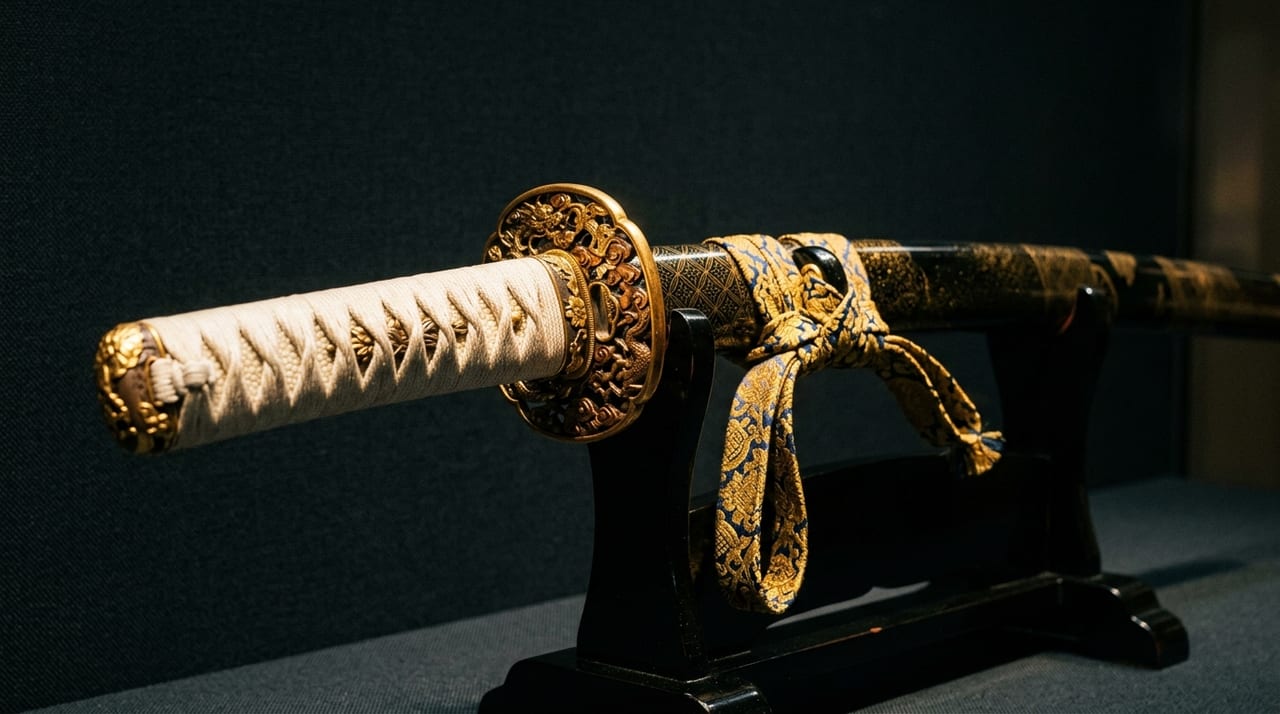
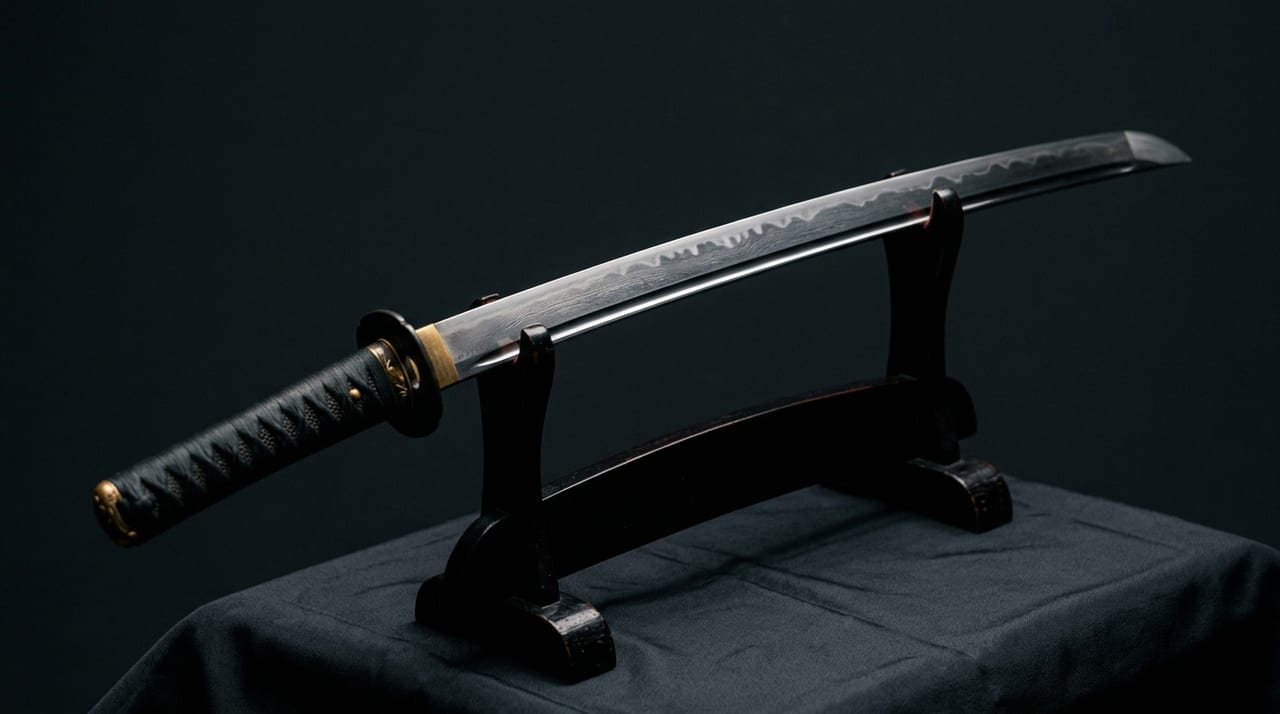
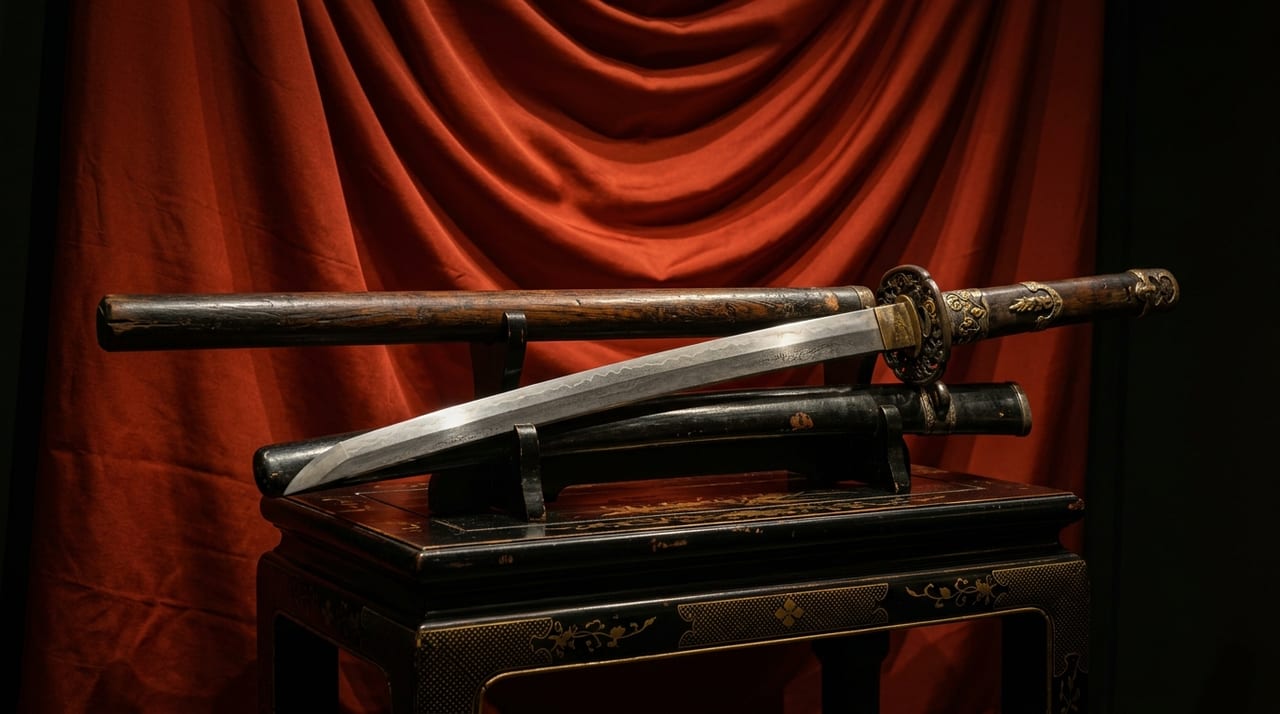
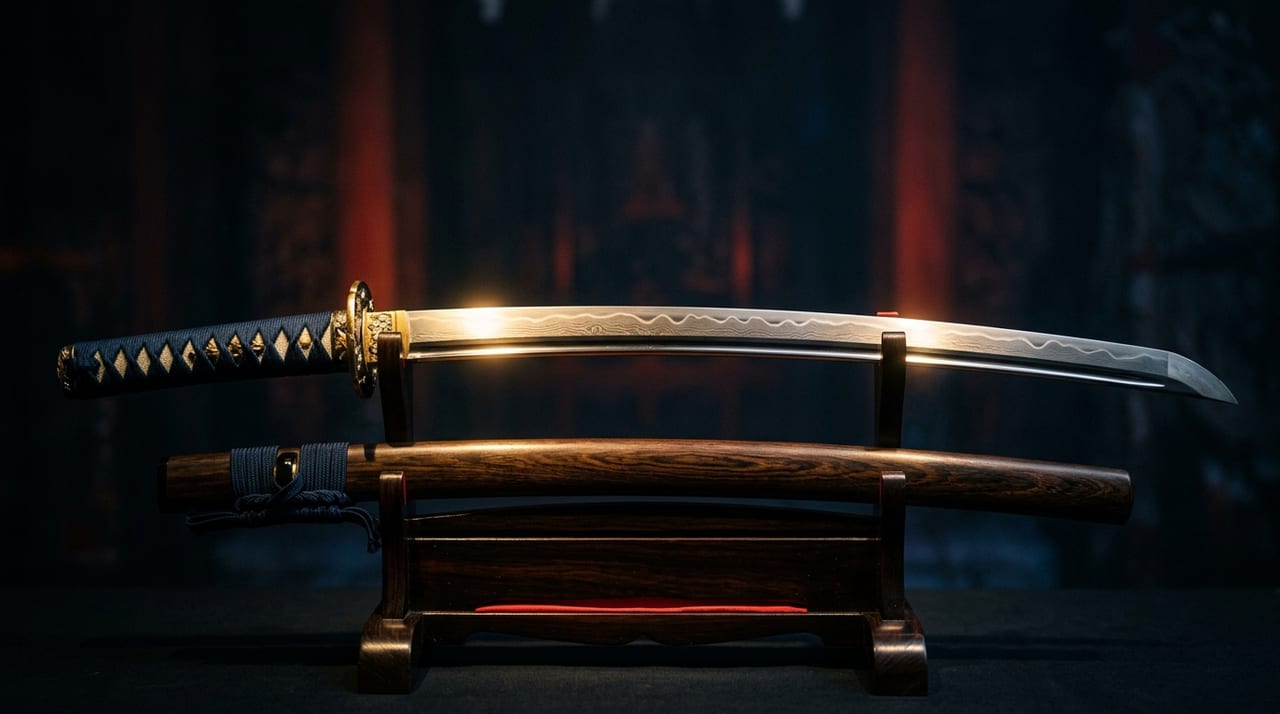
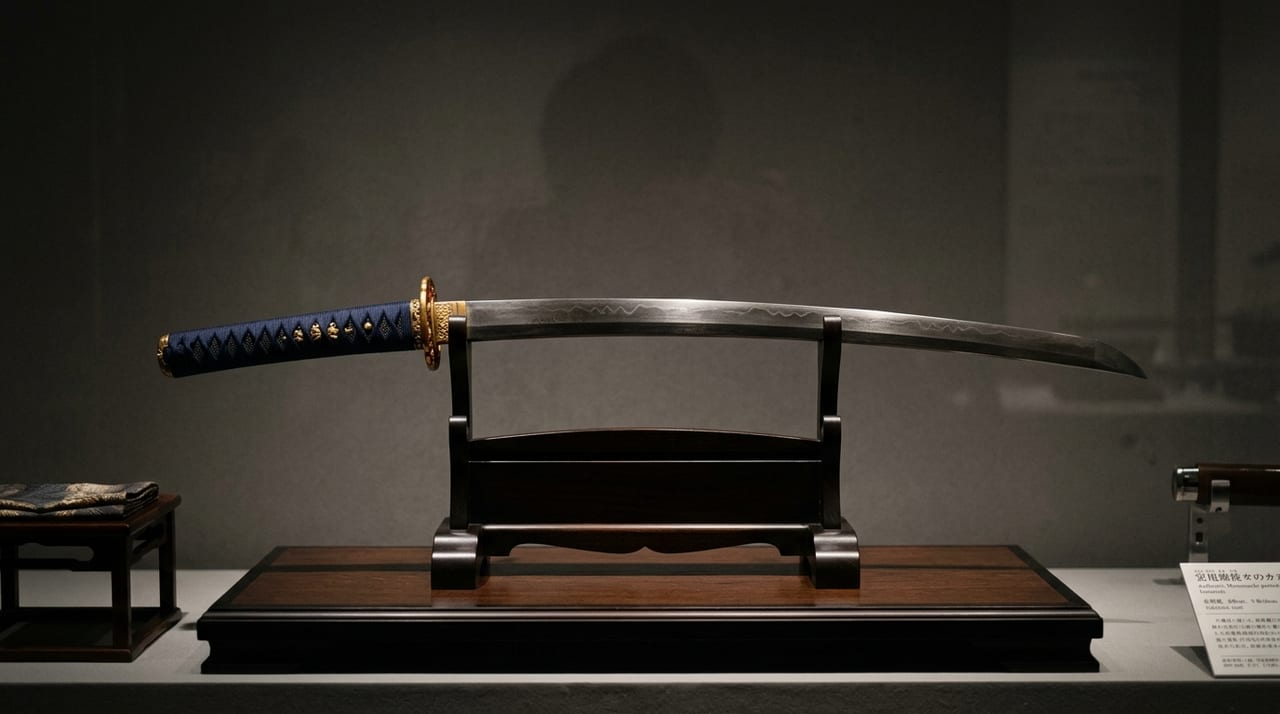
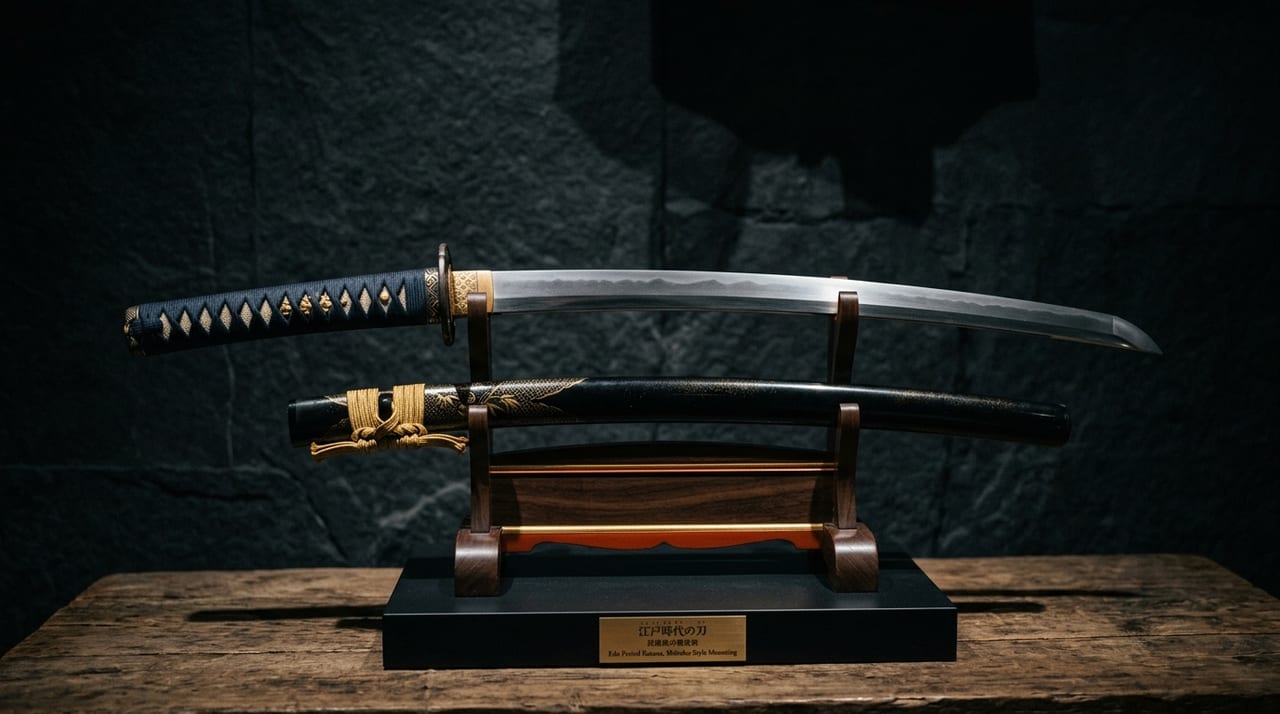
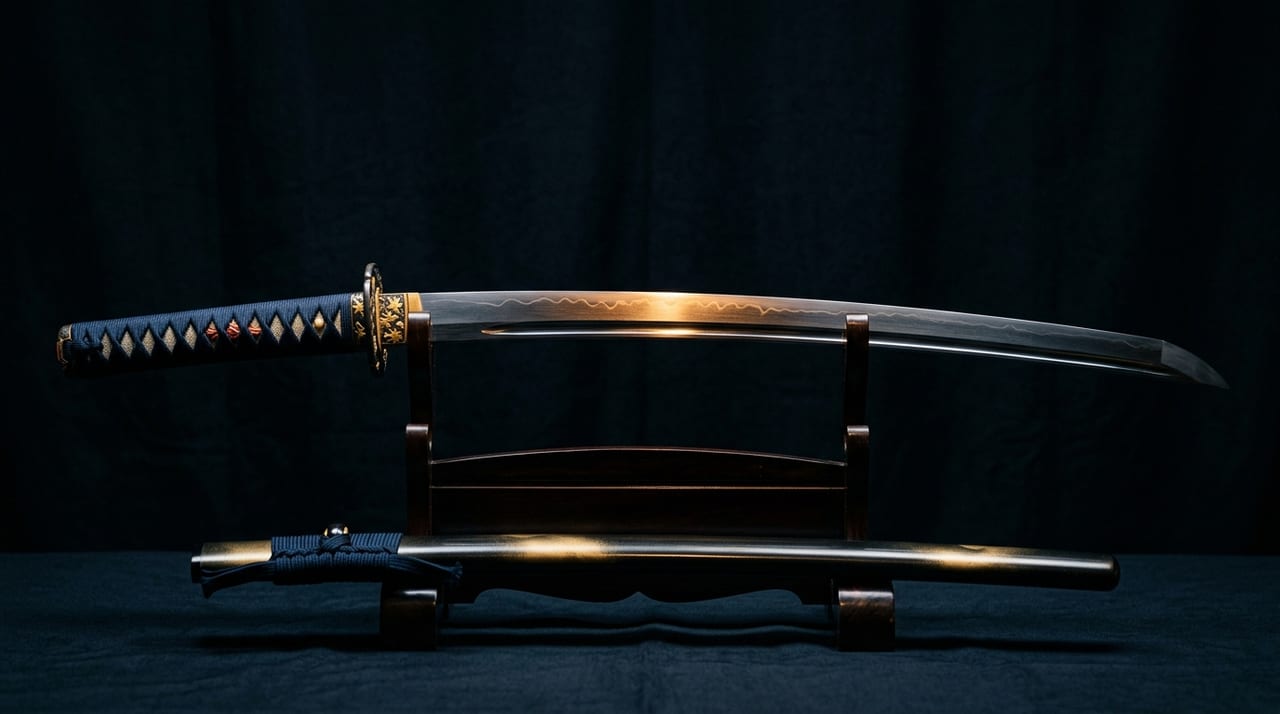
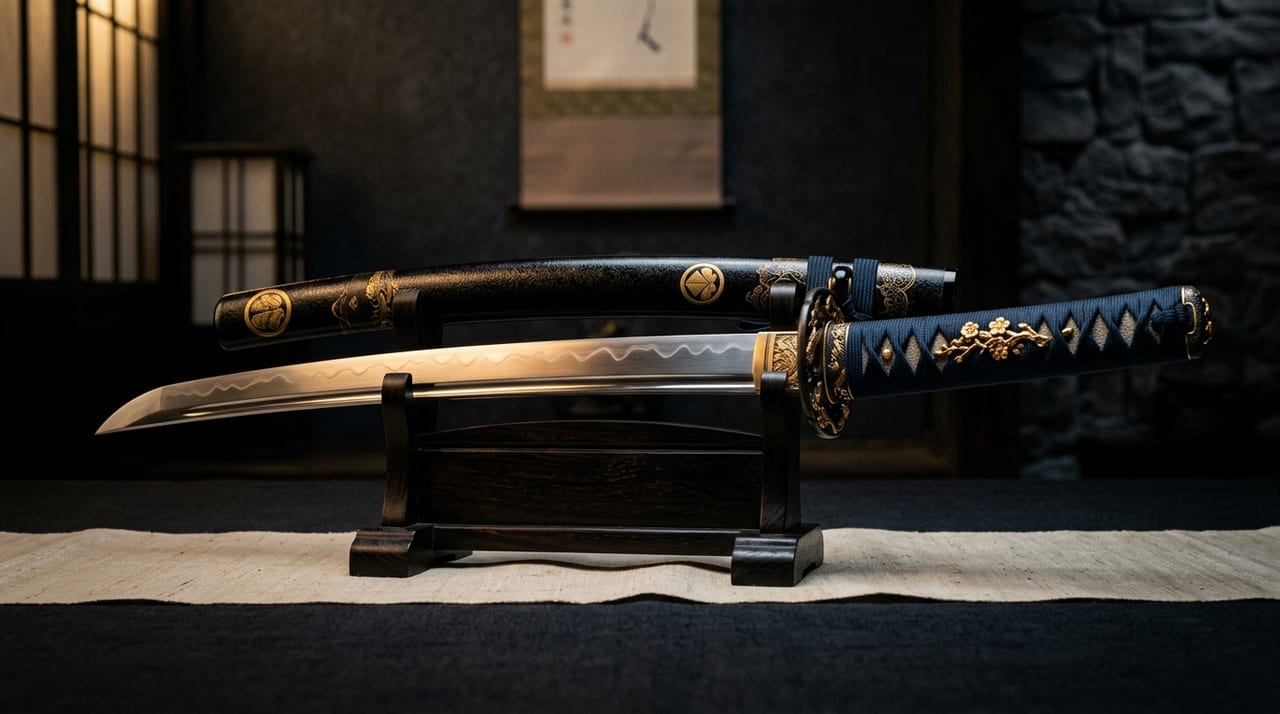
A guide to display methods and photography techniques that bring out the full beauty of nihontō. Covers everything from lighting placement and types of display stands to camera settings for photographing hamon beautifully.
Uchiko, chōji oil, and wiping paper. A step-by-step guide with photographs to the tools and correct procedures for caring for a nihontō.
For those buying a Japanese sword for the first time. How to think about budget, what to look for, and how to identify trustworthy sellers.
Choose a theme, keep records, build a network. How to build a sword collection with a long-term perspective.
Humidity countermeasures during the rainy season, dryness countermeasures in winter. Wisdom for sword management attuned to Japan's four seasons.
Movable property insurance, fine art insurance. How to choose insurance suited for a nihontō collection, and important points to note.
Lighting, angles, and camera settings. Practical techniques for photographing Japanese swords beautifully.
Katanakake, cases, and lighting. A practical guide to displaying nihontō beautifully and safely at home.
Bonhams, Christie's, domestic auctions. The pros and cons of purchasing swords at auction, and what to watch out for.
Anniversaries, decorations, retirement. Etiquette and selection tips for presenting a nihontō on special occasions.
Owning a Japanese sword in Japan requires a registration certificate. This article explains how the registration system works and what procedures are involved.
Tokyo National Museum, Kyoto National Museum, Japanese Sword Museum. An introduction to sword exhibition facilities throughout Japan.