Seasons and Nihontō — The Wisdom for Care That the Four Seasons Teach
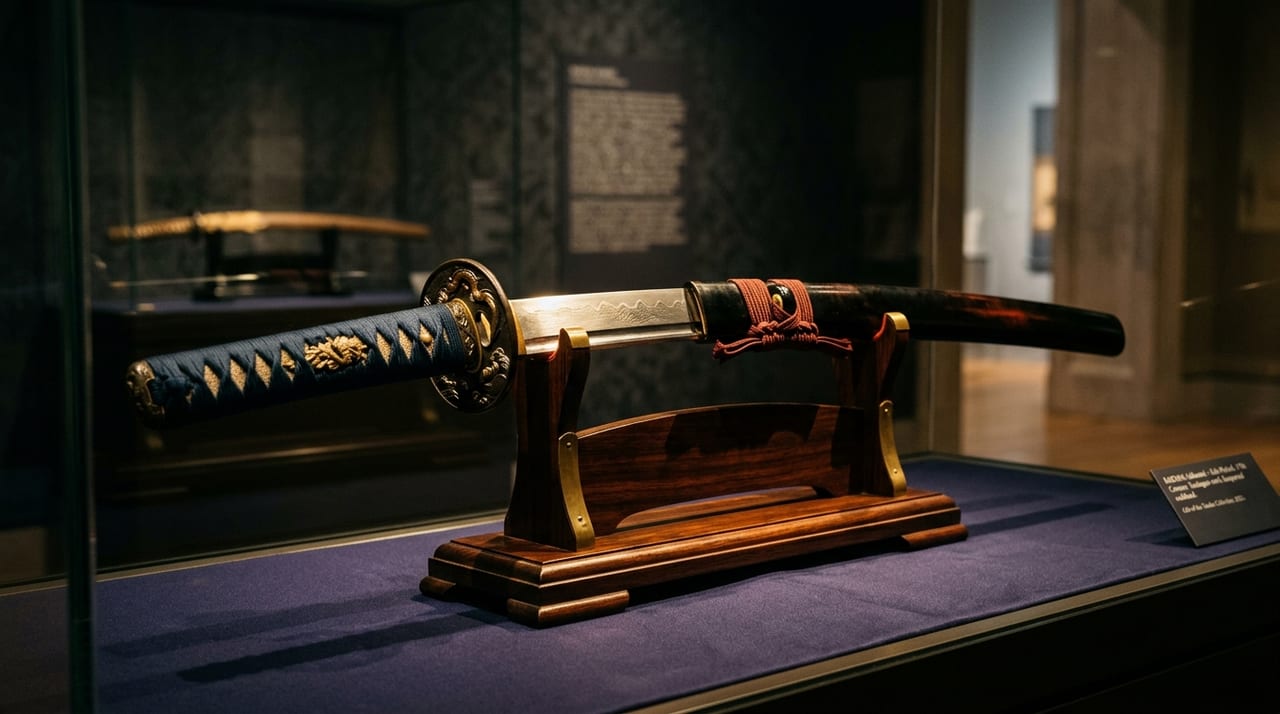
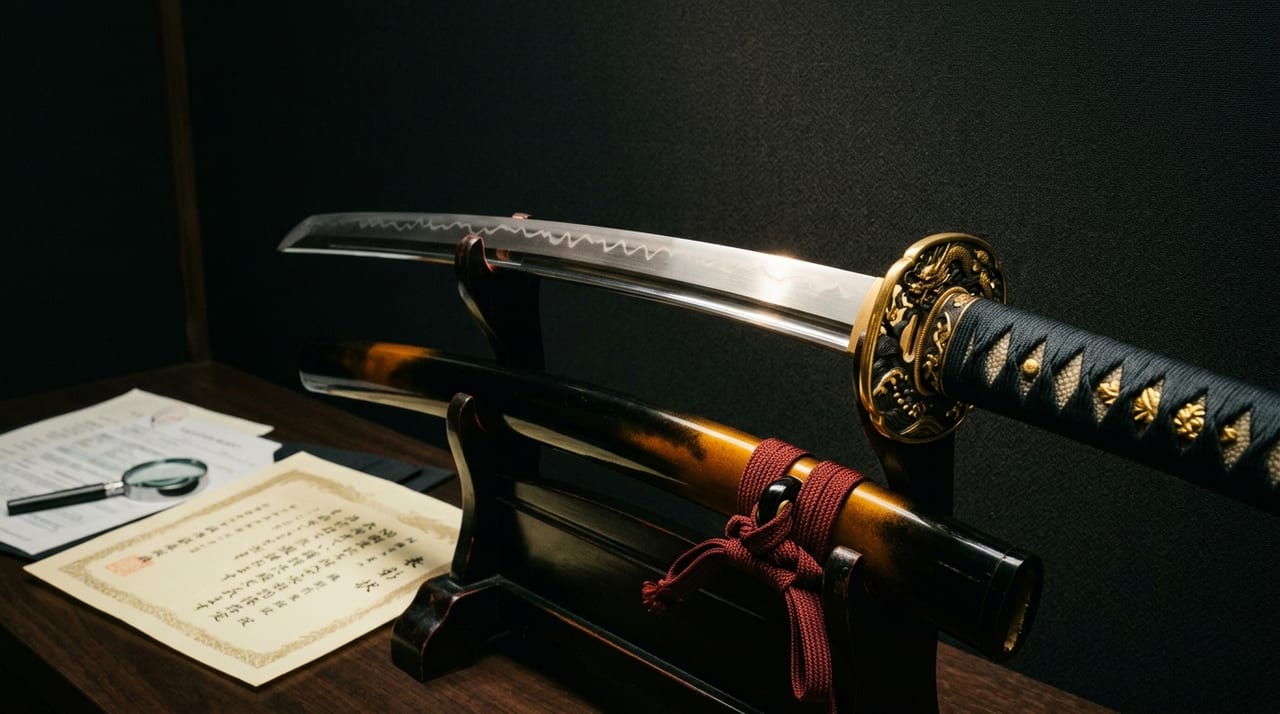
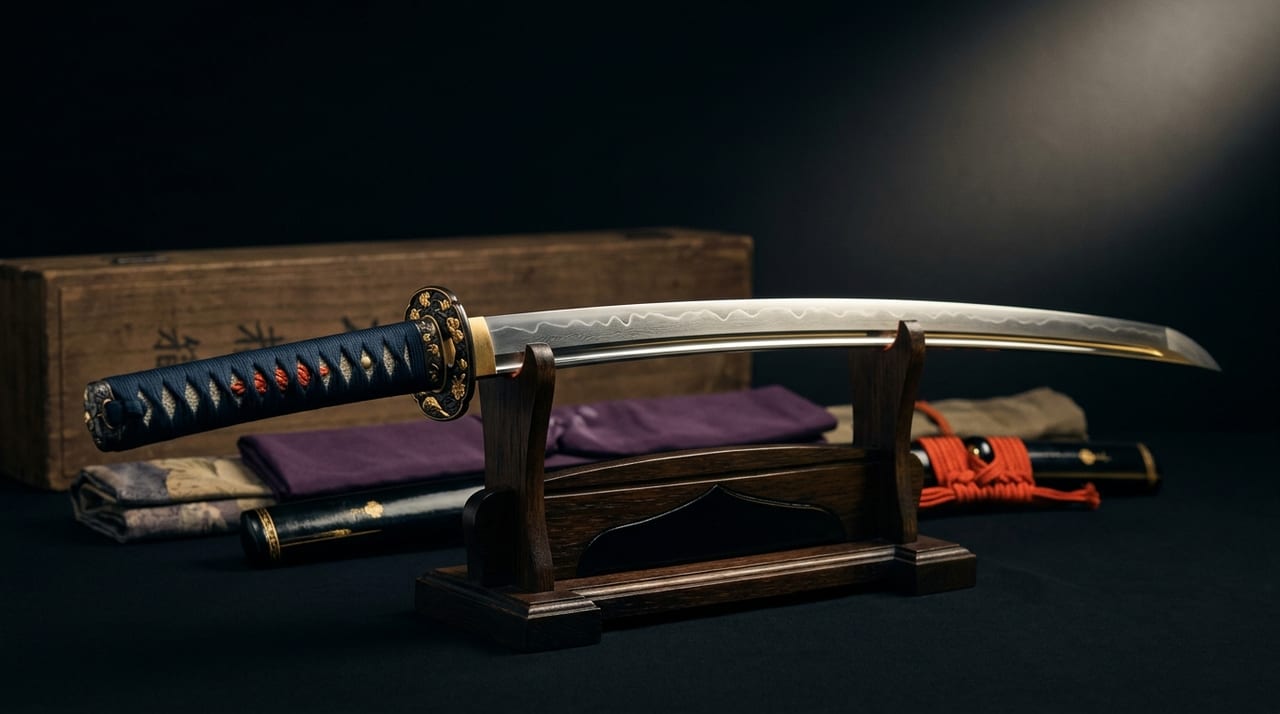
 * Image is for illustrative purposes only.
Table of Contents
Japan's Four Seasons and Sword Management
Japan's four seasons have an extremely significant impact on the storage of swords. Japan lies in a temperate monsoon climate zone, where weather conditions vary greatly by season — from the high humidity of the rainy season to the dryness of winter. This dramatic climatic variation is one of the factors that makes storing nihontō one of the most demanding forms of artwork management in the world.
The blade is a refined alloy of iron and carbon, and is extremely sensitive to changes in humidity and temperature. Rising humidity causes rust, and sudden temperature changes bring condensation. Deeply understanding the cautions for each season and taking practical countermeasures is essential knowledge for passing fine swords on to future generations.
Spring (March–May): The Season of Pollen, Yellow Dust, and Temperature Fluctuations
Spring is a "period of fluctuation" when pollen and yellow dust are airborne and the temperature difference between morning/evening and daytime is large. When taking a sword out, ventilate the room thoroughly and take care that fine particles do not adhere to the blade. During the period when windows are frequently opened and closed, storing swords in a dedicated storage case is recommended.
Early spring is also a time when sword oil applied the previous winter tends to oxidize. Make it a seasonal routine to carefully wipe off the old oil and re-apply fresh sword oil. When transporting a sword, do not remove it from its case during transit; wait until conditions have settled at the destination before viewing it.
Rainy Season to Summer (June–August): The Season Requiring the Most Vigilance
The period from the rainy season through summer requires the most attention in sword management. When humidity exceeds 80%, red rust forms rapidly on the blade. Even in modern homes, humidity tends to rise higher in sealed storage spaces than outdoors, so complacency is not an option.
The use of a dehumidifier is strongly recommended; run it around the clock if possible. Moisture also tends to accumulate inside the shirasaya, so remove the sword at least twice a month to let it air out. Store the koshirae separately from the blade, and regular ventilation is important. The "dry mode" of an air conditioner is often insufficient in capacity, so installing a dedicated dehumidifier is advisable. Make it a habit to check the hygrometer at the storage location every weekend during the rainy season.
Autumn (September–November): The Ideal Season for Care and a Full Inspection
Autumn has relatively stable weather and is the ideal season for sword care and a full inspection of the storage environment. Re-apply sword oil and check the shirasaya for cracks, warping, and splits. It is also an excellent opportunity to remove moisture that accumulated across the blade during summer.
Choose a clear, well-ventilated day, remove the sword from the shirasaya for several hours, and allow it to air-dry indoors to check and maintain the blade's condition. Direct sunlight is strictly prohibited. Check for early signs of rust and changes in the jigane under soft, indirect light. Finding problems early during the autumn full inspection leads to thorough preparation heading into winter.
Winter (December–February): Responding to Dryness and Temperature Changes
Particular care is needed for the dryness caused by winter heating. Running air conditioners or kerosene stoves can drop indoor humidity to the 20% range, and extreme dryness leads to cracking and warping of the shirasaya. Using a humidifier to keep the humidity at the storage location within the 40–60% range is important.
Sudden temperature changes cause condensation. When moving a sword from a warm room to a cold entryway, place it temporarily in a location where the outside air and room temperatures are close before moving it. Turning off heating at night makes condensation likely from the temperature drop the following morning, so the habit of checking the storage location's condition before bed is effective.
Basic Maintenance Cycle: Aim for Four Times a Year
By performing maintenance in tune with the four seasons, a sword can be kept in optimal condition. The maintenance cycle is four times a year, with the turning point of each season as the guideline.
- Use uchiko powder to wipe off the old sword oil.
- Observe the condition of the blade and check for rust, chipping, and scratches.
- Apply new sword oil (such as chōji oil) thinly and evenly.
Too little oil provides insufficient rust protection, while too much can cause condensation inside the shirasaya.
After handling a sword for viewing or photography, always wipe off fingerprints before applying oil and returning it to the shirasaya. Avoid touching the blade with bare hands as much as possible; use a clean cloth or gloves.
Year-Round Record Keeping and Long-Term Preservation
Installing a digital thermo-hygrometer at the sword storage location is strongly recommended. Choose a model with a recording function and check the data on a weekly basis. Keeping a simple log is also beneficial so that you can quickly identify the cause when an abnormal fluctuation in readings occurs.
The selection of a storage location is also important. Avoid the following locations and make use of a well-ventilated dedicated sword rack or storage case.
- Locations exposed to direct sunlight
- Near the air vents of heating or cooling systems
- The back of closets where moisture tends to accumulate
When storing multiple swords, it is ideal to ensure sufficient space so that the swords do not come into contact with one another.
Storing a nihontō is not mere "storage" but "maintenance of the environment." By actively responding to the changes of the four seasons, the sword's original beauty can be conveyed to viewers a hundred years from now. That is the true responsibility of owning a sword, and its joy as well.