The Five Greatest Swords of Japan — Supreme Masterpieces of the Nation
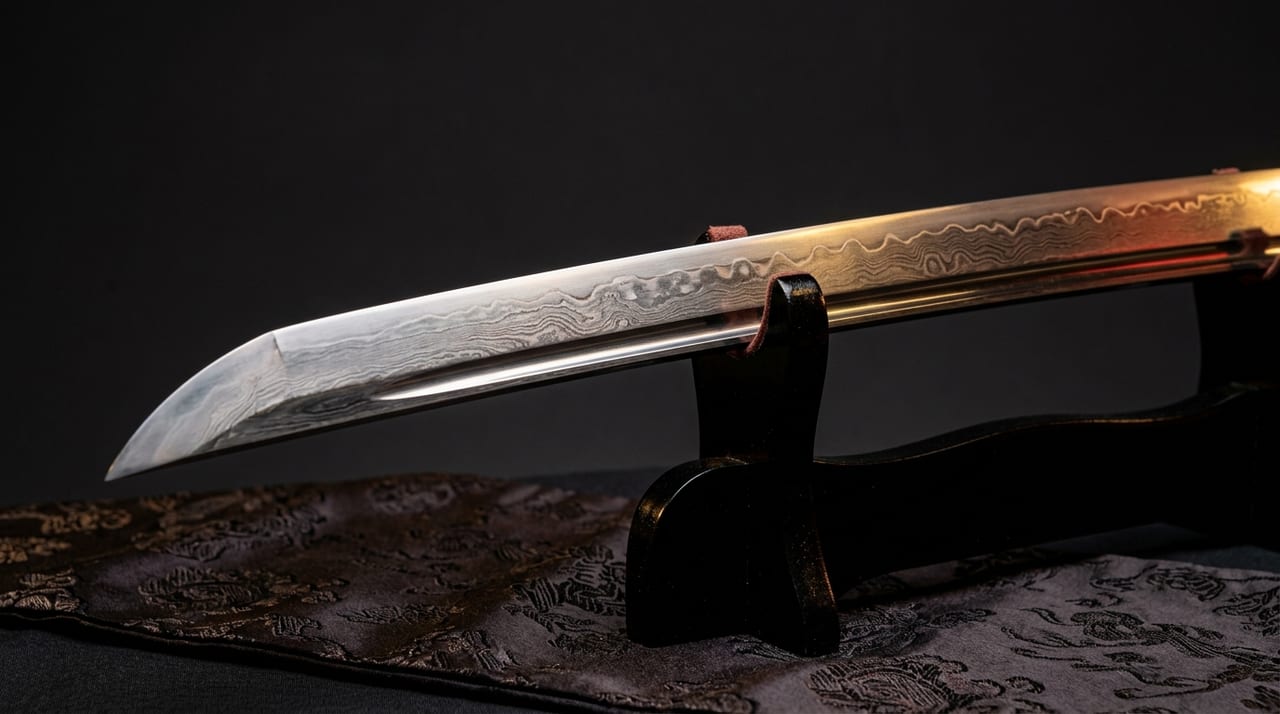 * Image is for illustrative purposes only.
Table of Contents
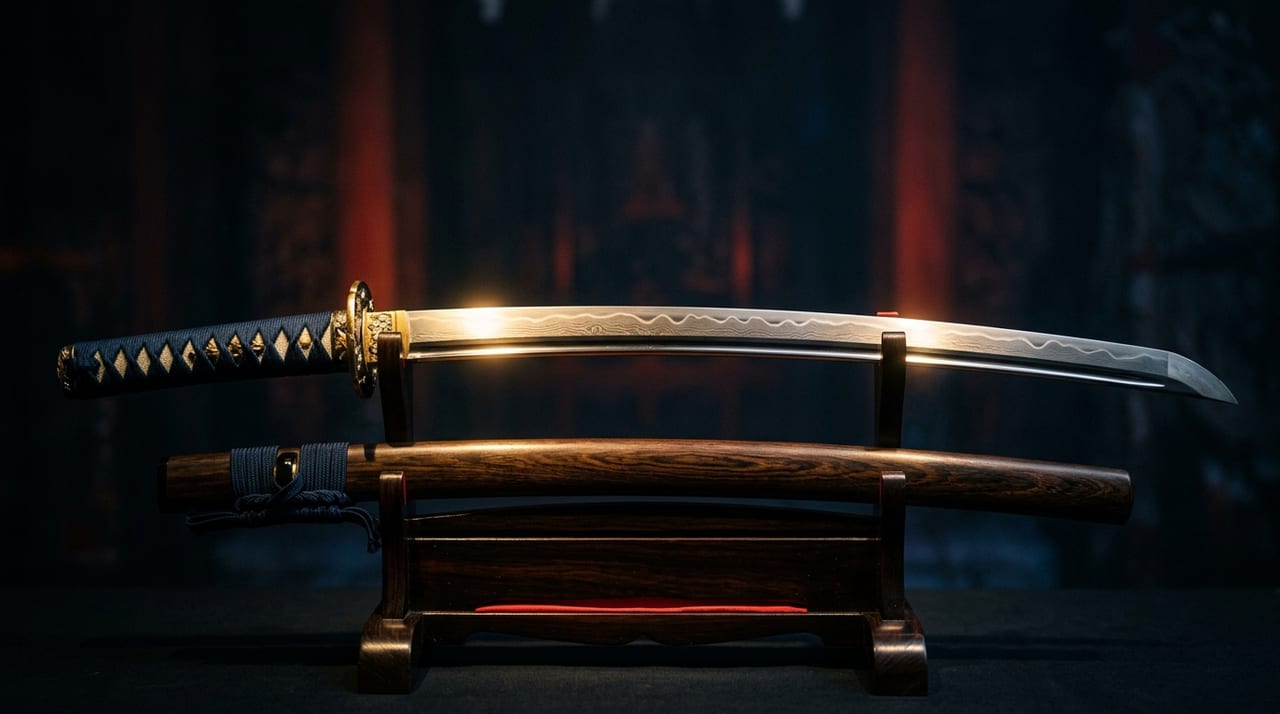
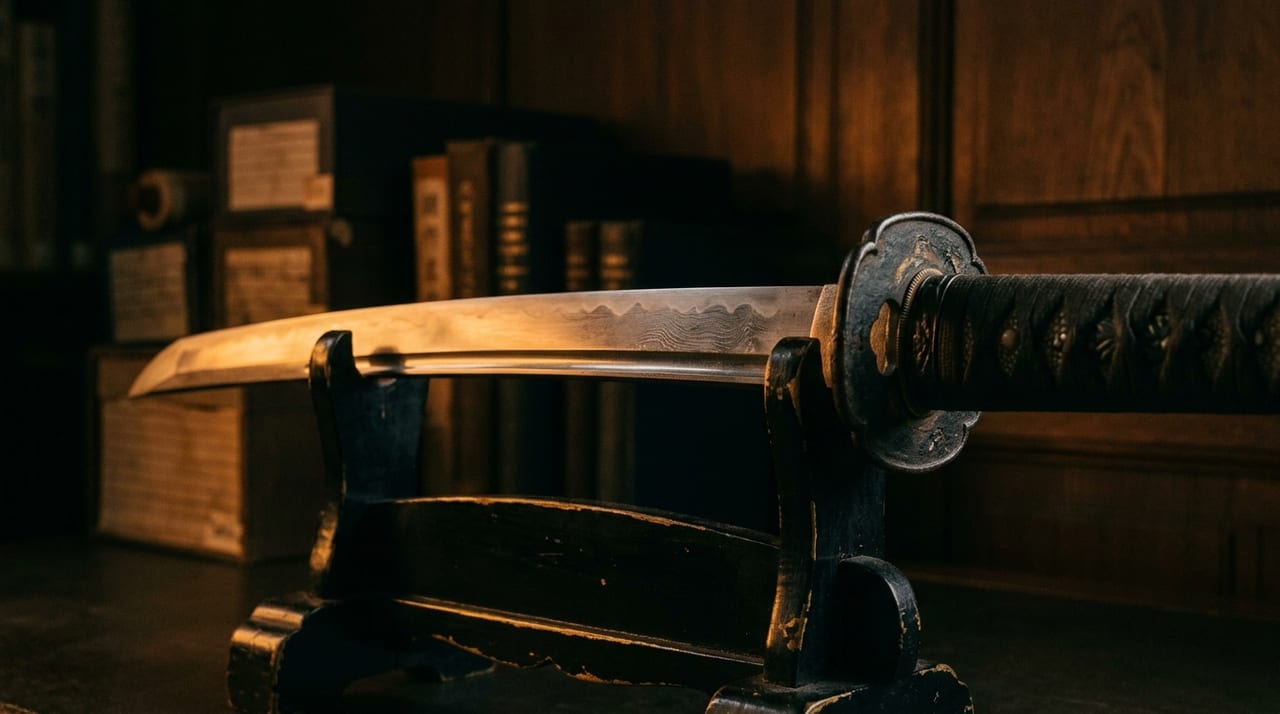
"Tenka Goken" (Five Swords Under Heaven) is a collective term for five tachi and katana that are considered among the finest masterpieces of Japanese swords. All of them are of ancient manufacture, master blades combining technical perfection with distinguished provenance, and are positioned as cultural heritage strictly protected as National Treasures or Imperial property (gyobutsu). This article introduces the historical background and current protection status of each of these five swords.
Mikazuki Munechika — The Supreme Masterpiece of Kyoto Swordsmiths
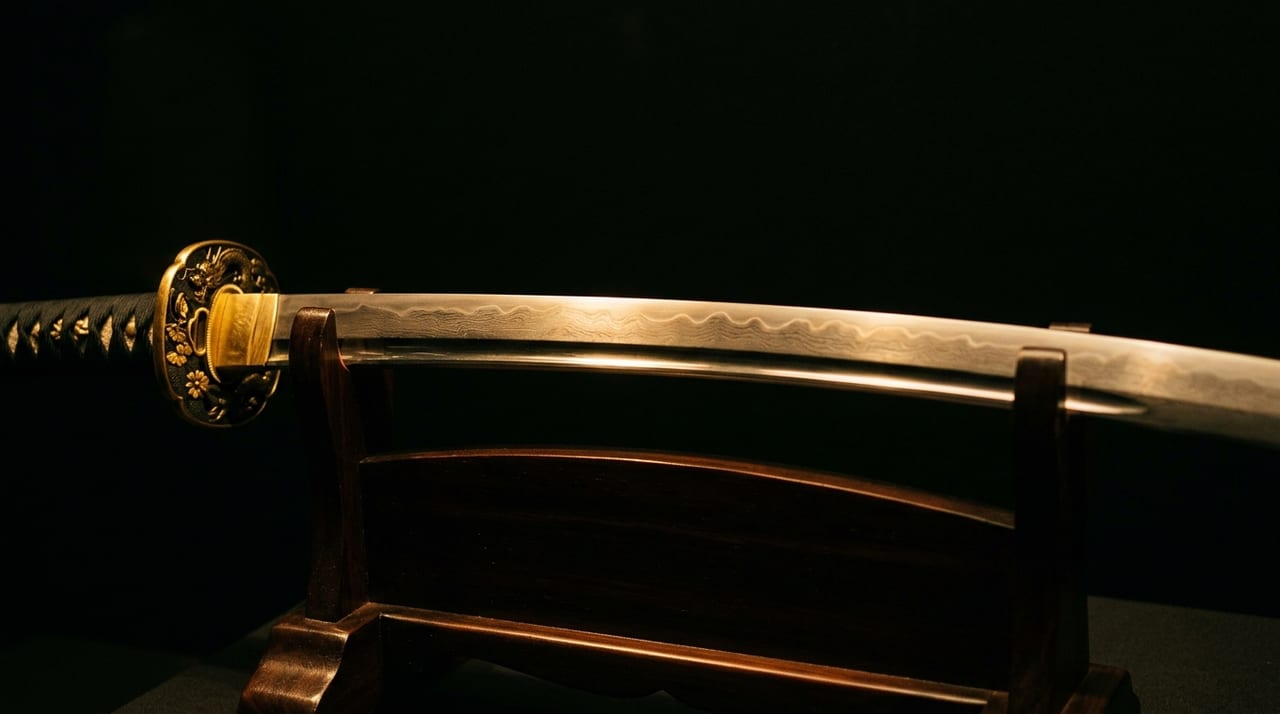
The "Mikazuki Munechika" made by Sanjo Munechika is counted as the foremost of the Five Swords Under Heaven. The blade's name derives from the crescent-shaped uchino-ke patterns that run along the edge. Uchino-ke is a technique unique to old swords, referring to decorative and functional patterns applied along the edge of the hamon. The late Heian through early Kamakura period, when Mikazuki Munechika was forged, was an era when Japanese sword techniques underwent dramatic refinement, with Kyoto swordsmiths at the apex. Sanjo Munechika is regarded as the foremost swordsmith of that era. The hamon is based on a straight edge mixed with small irregular patterns and small choji, with crescent-shaped uchino-ke scattered along the edge giving rise to its name. Its perfection, balancing complex jihada with sharp cutting ability, is regarded as among the finest in Japanese sword history. It is currently housed in the Tokyo National Museum and designated as a National Treasure. During regular public exhibitions, many sword enthusiasts come specifically to view this blade.
Doji-Kiri Yasutsuna — An Old Sword Where Legend and History Intersect
The "Doji-Kiri Yasutsuna" made by Hoki Yasutsuna is a master blade where legend and historical fact intertwine. Its name derives from a legend that the Heian-period warrior Minamoto no Yorimitsu used this sword when slaying the demon king "Shuten Doji" at Mount Oeyama. This legend, as one of the representative tales of classical Japanese literature, continues to be the subject matter of Noh and Kabuki performances. The sword itself is an old blade forged in Hoki Province (present-day Tottori Prefecture), and its workmanship is highly regarded in Japanese sword history. The hamon displays the wave-like "choji midare" pattern, and the complex jihada reveals the distinctive character of old swords. It is housed in the Tokyo National Museum and designated as a National Treasure. Appreciating Doji-Kiri Yasutsuna provides a valuable opportunity to engage with both classical Japanese culture and the art of sword craftsmanship.
Onimaru Kunitsuna — The Imperial Household's Guardian Sword
The "Onimaru Kunitsuna" made by Awataguchi Kunitsuna is the only one of the Five Swords Under Heaven designated as Imperial property (gyobutsu). Its name derives from a legend that this sword slew a demon that appeared in a dream of Hojo Tokiyori, the fifth regent of the Kamakura shogunate. This anecdote speaks to how the sword was regarded not merely as a weapon but as a vessel of spiritual power. Awataguchi Kunitsuna is known as a Kyoto swordsmith whose works are valued for their high aesthetic merit. The hamon displays the elegant "ko-nie-deki" characteristic of the Yamashiro tradition, with intricate patterns expertly expressed within the blade. The jihada is exceptionally beautiful for an old sword, and its overall perfection reaches the highest standard. Its designation as Imperial property (gyobutsu) reflects recognition of its artistic value and cultural importance, and it is strictly protected by the Imperial Household without regular public display.
Ōdenta Mitsuyo — The Guardian Sword of Kaga's Million Koku
The "Ōdenta Mitsuyo" made by Miike Tenta Mitsuyo is a master blade transmitted through the Maeda clan, lords of Kaga Domain (present-day Ishikawa Prefecture), throughout the Edo period. It is called "the guardian sword of Kaga's million koku" because it was passed down through generations of the Maeda clan, lords of Kaga Domain, one of Japan's most economically powerful major domains. Miike Tenta Mitsuyo was a swordsmith active in Miike, Chikugo Province (present-day Omuta City, Fukuoka Prefecture), and his work is classified as an old sword dating to the late Heian period (Eihō era, c. 1081–1084). The hamon displays the "gunome midare" pattern, balancing intricate detail with excellent cutting ability. The jihada is finely forged and possesses the distinctive beauty of an old sword. This blade, carefully preserved as a treasured heirloom of the Maeda clan throughout the Edo period, is now owned and managed by the Maeda Ikutoku-kai and designated as a National Treasure. It is occasionally displayed and attracts the attention of numerous scholars and enthusiasts.
Juzu-maru Tsunetsugu — The Fusion of Religion and Swordcraft
The "Juzu-maru Tsunetsugu" made by Aoe Tsunetsugu is a sword said to have been possessed by the High Priest Nichiren, and takes its name from the prayer beads that were wound around its handle. What distinguishes this sword is that it combines the character of a weapon with that of a religious relic. The High Priest Nichiren was a religious leader of the Kamakura period, known for dedicating his life to the propagation of the Lotus Sutra. This sword, reputed to have been possessed by Nichiren, transcends being a mere weapon and has come to possess exceptional value as the relic of a saint. Aoe Tsunetsugu was a renowned swordsmith from Bizen Province, known for his work's sharp cutting ability and excellent jihada. The hamon of Juzu-maru Tsunetsugu displays the "choji midare" pattern, with the distinctive "utsuri" reflection characteristic of the Bizen tradition clearly visible. It is housed in Honko-ji Temple and designated as an Important Cultural Property. Because it is housed in a religious facility, opportunities for public viewing are limited, but many devotees and enthusiasts visit for special exhibitions held irregularly.
The Contemporary Significance of the Five Swords Under Heaven
The swordsmiths, designations, and repositories of the five swords are as follows.
| Sword | Swordsmith | Designation | Repository |
|---|---|---|---|
| Mikazuki Munechika | Sanjo Munechika | National Treasure | Tokyo National Museum |
| Doji-Kiri Yasutsuna | Hoki Yasutsuna | National Treasure | Tokyo National Museum |
| Onimaru Kunitsuna | Awataguchi Kunitsuna | Imperial property (gyobutsu) | Imperial Household |
| Ōdenta Mitsuyo | Miike Tenta Mitsuyo | National Treasure | Maeda Ikutoku-kai |
| Juzu-maru Tsunetsugu | Aoe Tsunetsugu | Important Cultural Property | Honko-ji Temple |
All five of the Tenka Goken are designated as either National Treasures or Important Cultural Properties and do not circulate on the market. They are strictly protected by the state or religious institutions and are not subject to sale as private property. However, knowing these five swords and understanding their provenance and workmanship is essential for comprehending the pinnacle of Japanese sword beauty and the value of Japan's cultural heritage. For those pursuing the path of sword collecting, appreciating these Five Swords Under Heaven in person and experiencing their true nature will inevitably become a significant goal.