Wazamono Rankings — Japanese Swords Chosen for Sharpness
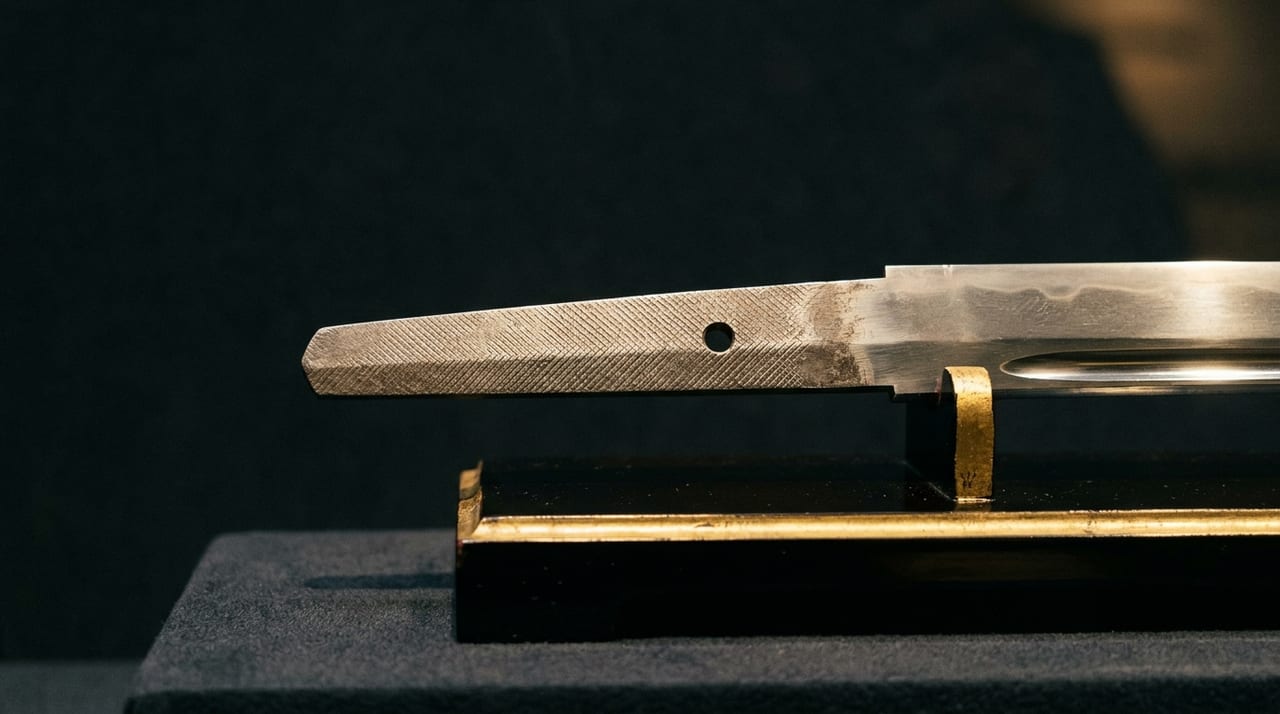 * Image is for illustrative purposes only.
Table of Contents
What Is the Wazamono Classification? — Its Historical Background
During the Edo period, there was a text called the "Kaihō Kenjaku" that systematically classified the sharpness of swords. This classification system is a valuable record that objectively evaluated the practical performance of swords, and continues to function as an important reference standard for understanding the capabilities of tōkō even today. The background to the establishment of the wazamono classification lies in the transformation that Edo-period peace brought to sword culture. Samurai who had lost opportunities for actual combat began to systematically verify the performance of swords through tameshigiri. Tameshigiri was conducted using straw, bamboo, and sometimes the bodies of executed criminals, following strict procedures, and objectivity was ensured by aggregating evaluations from multiple experienced practitioners. This accumulated knowledge culminated in the "Kaihō Kenjaku" and was passed down to later generations.
Saijō Ōwazamono — Supreme Sharpness
Saijō ōwazamono is the pinnacle of the wazamono classification, the highest-ranking evaluation with only around a dozen tōkō selected. The tōkō chosen for this grade overlap with the greatest masters in the history of Japanese swords.
- Osafune Kanemitsu: The foremost tōkō of Bizen Province, who produced many grand ōdachi of the Nanbokuchō period, and whose sharpness has earned legendary acclaim.
- Sendai Kunikane: A master craftsman who served the Ōshū Sendai domain, he received the highest-ranking evaluation through tameshigiri.
- Kotetsu: A representative tōkō of the early Edo period who elevated Sōshū-den techniques during the Edo era, reaching the highest level in the harmony of practicality and beauty.
Note that Masamune is known as the greatest master in the history of Japanese swords, but because his works were handed down as kokuhō-class meibutsu and were never subjected to tameshigiri, he is outside the scope of the wazamono ranking system. Works by saijō ōwazamono tōkō represent the pinnacle of Japanese swords not only in their outstanding sharpness but also in the beauty of their hamon, the quality of their jigane, and the overall harmony of the blade. Surviving works are extremely rare, and those in fine condition receive the highest evaluation even in the international market.
Ōwazamono — Swords of Outstanding Battlefield Capability
Ōwazamono is the grade next below saijō ōwazamono, and includes celebrated tōkō whose outstanding sharpness has been historically recognized.
- Kunihiro: Known as Sōshū Kunihiro, he produced many robust swords suited to actual combat.
- Tadayoshi: Active as a tōkō in the employ of the Echizen Fukui domain, his works are highly regarded for combining keen sharpness with sturdy construction.
- Sukehiro: There were two generations; the first, Soboro Sukehiro, is classified as saijō ōwazamono, while the second, Tsuda Echizen no Kami Sukehiro, is classified as ōwazamono. The second-generation Sukehiro is a leading master of Osaka shintō, known for his distinctive hamon centered on tōranba and his high degree of technical refinement.
Works by tōkō classified as ōwazamono have high artistic value not only as practical swords but as works of art, and demand from collectors has always been stable. For collectors seeking a balance of practicality and beauty, ōwazamono represents an ideal choice.
Yoki Wazamono — A Guarantee of Consistent Quality
Yoki wazamono is the third-ranking grade, and many tōkō whose sharpness is consistently excellent are classified here. The tōkō in this rank do not necessarily hold the highest renown, but they are reliable craftsmen whose skill above a certain level has been historically certified through tameshigiri. Works classified as yoki wazamono were widely appreciated among samurai throughout the Sengoku and Edo periods as practical swords. Even today, many yoki wazamono works are available at relatively accessible price points, making them a quality-assured option for collectors who are just beginning to collect Japanese swords. It is a grade that excels in the balance between practicality and price.
Wazamono — A Certified Standard of Practicality
Wazamono is the broadest grade, classifying tōkō whose sharpness above a certain level has been recognized through tameshigiri. The number of tōkō belonging to this grade is said to reach several hundred, and the majority of surviving Japanese swords are included in this category. Being certified as wazamono is itself proof of considerable skill, and is an objective evaluation that can only be achieved by swords that have passed the empirical test of tameshigiri. Even among wazamono-class swords, artistic value varies greatly depending on period of manufacture, the tōkō, and condition of preservation, and some works are artistically exceptional. The range of price points is also wide, providing options for a broad spectrum from beginners to seasoned collectors.
The Significance of the Wazamono Rankings Today
In modern sword appraisal, a comprehensive evaluation is conducted from multiple perspectives, including not only sharpness but also artistic value, historical significance, rarity, and condition of preservation. Appraisal by NBTHK is considered the most authoritative standard, but the wazamono ranking still functions as important supplementary information for understanding the historical capabilities and characteristics of tōkō. If a work is by a tōkō classified as saijō ōwazamono, it confirms that its practical performance has been demonstrated over a long history. This serves as an important positive factor in the overall quality evaluation of the sword, in addition to its artistic merits. The wazamono grade is a highly reliable indicator in the selection of tōkō.
The Fusion of Traditional Evaluation and Modern Appreciation
The wazamono ranking is not merely a historical artifact of the Edo period; it is a living evaluation index for understanding the overall capabilities of a tōkō. Even for modern collectors, the wazamono grade is important reference information in the selection of tōkō, and serves as a key to understanding what kind of technical strengths each tōkō possessed. The true value of a Japanese sword becomes visible only when the appreciation of beauty and the appreciation of practicality are integrated. By combining knowledge of wazamono with a modern artistic eye, a deeper understanding of swords and a more fulfilling collection can be achieved. An appreciation that fuses the traditional and the modern perspective is the path to reaching the essence of Japanese swords.