New Arrivals — Browse our catalog for the latest authentic Japanese sword arrivals. Browse →
Articles exploring legendary smiths and schools — Masamune, Awataguchi, Bizen Osafune and their lineages.
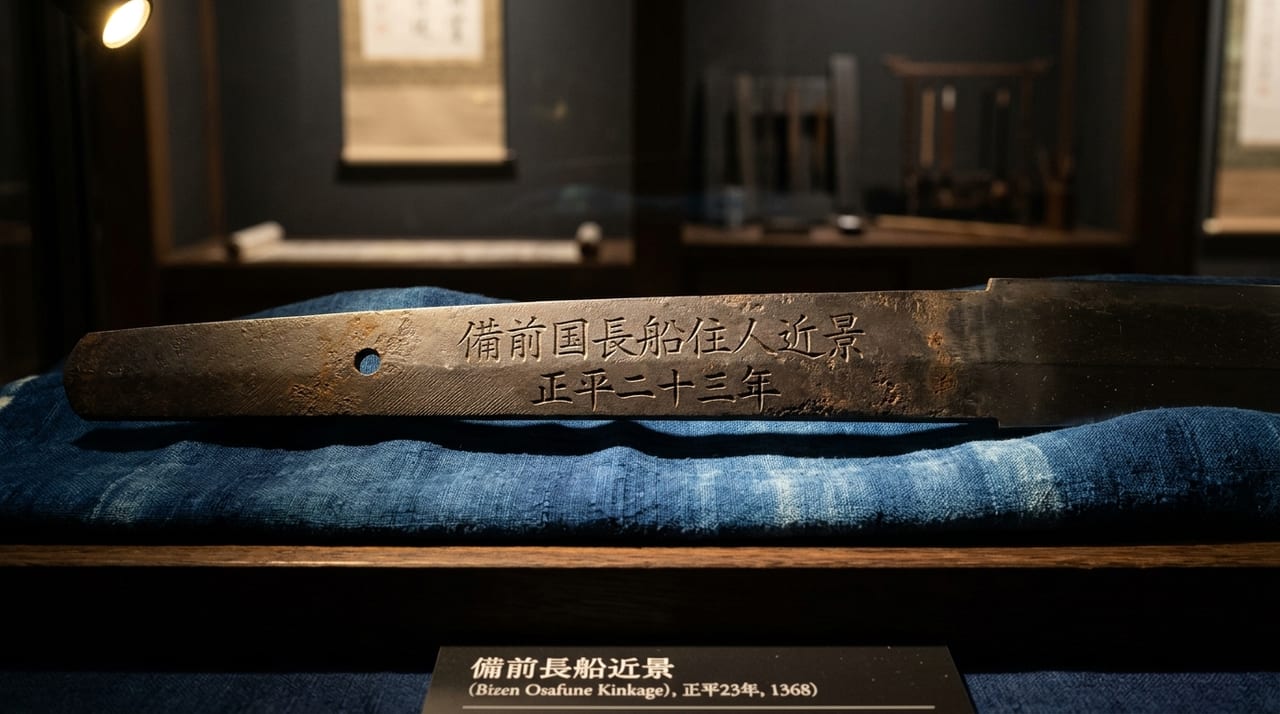
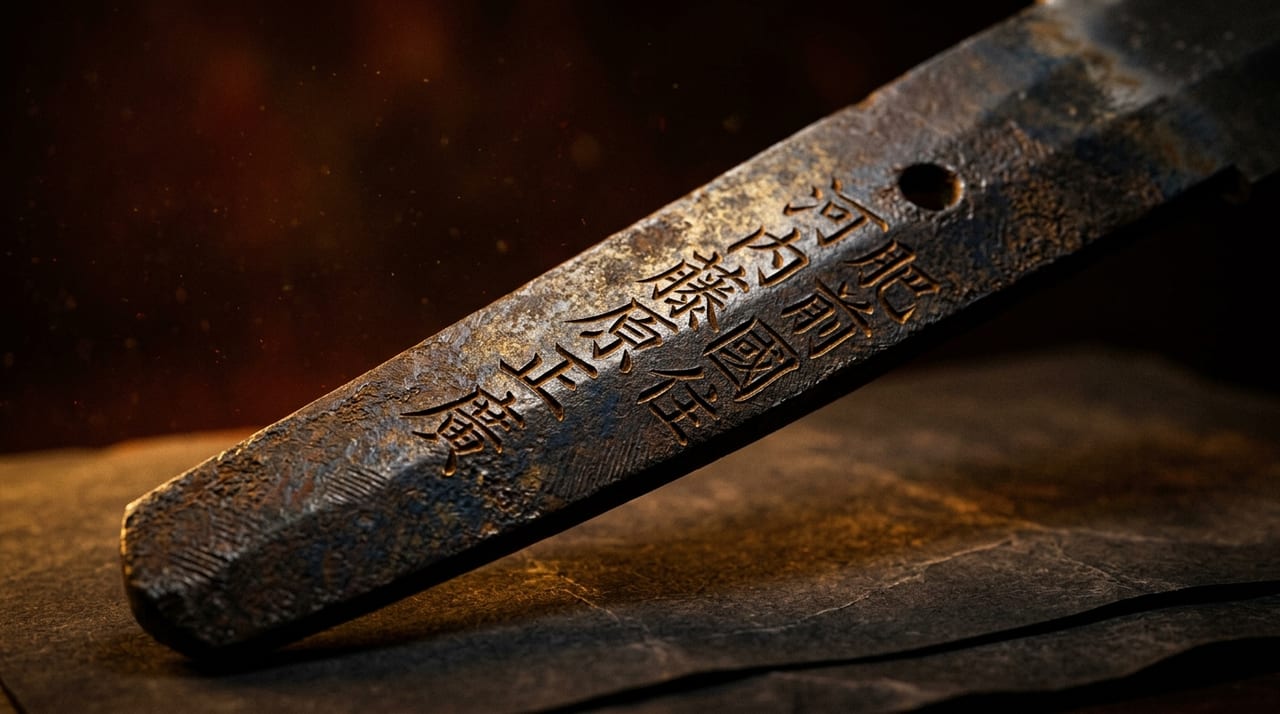
The basics of nenkimei, in which the month and year of a sword's creation are inscribed on the nakago. Explains the conventions of "nigatsu-bi" and "hachigatsu-bi," how to read them when appreciating a sword, and cautions regarding later-added inscriptions.
The Nobukuni School began in Yamashiro during the Nanbokuchō period and later relocated to Chikuzen. This article organizes the distinction between Yamashiro Nobukuni and Chikuzen Nobukuni, their relationship with Sōshū-den, and perspectives for appreciation.
This article examines the Sue-Sōshū tōkō Tsunahiro and Yasukuni, who carried on the Sōshū-den legacy in Odawara — the Hōjō clan's stronghold — during the late Muromachi period, along with their stylistic highlights and the background of demand during the Sengoku period.
This article traces how shintō-period tōkō moved from the production-center focus of the kotō period to a castle-town and major-city focus, organizing the discussion around the lineages of Kyoto, Osaka, Edo, Hizen, and other regions, as well as the conditions that shaped workshop locations.
This article explains the meaning and reading of zuryō names such as Mutsu-no-kami and Echizen-no-kami that appear in tōkō mei, the perspective of inferring production periods from changes in the mei, and how to approach gimei.
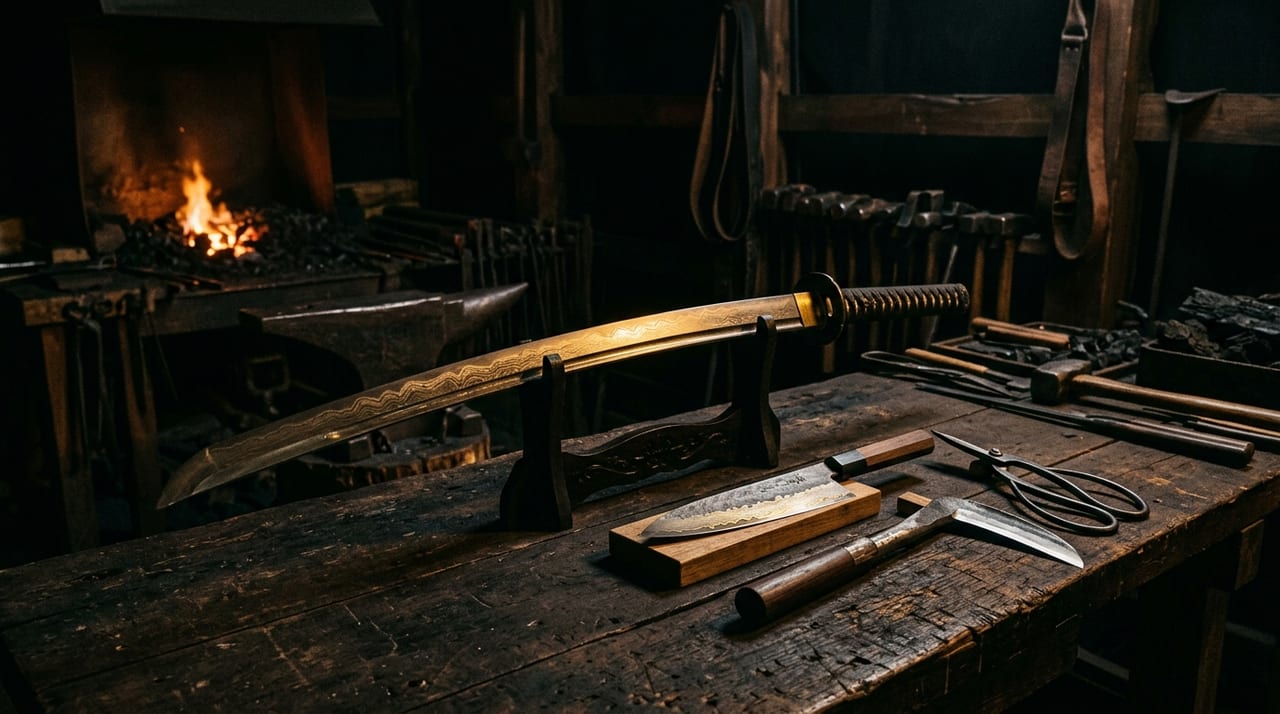
This article explains how tōkō who lost demand for swords due to the Sword Abolishment Edict (Haitōrei) of 1876 leveraged their forging skills to transition to kitchen knife smithing, agricultural tool smithing, and scissors smithing, with examples such as the transformation of Seki City into a cutlery production area.
An overview of sword culture in Etchū Province and the Noto and Kaga regions, the institutional structure of regional schools including goyō kaji (official smiths) and fuchi (stipends), and historical patterns of tōkō migration observed after the Battle of Sekigahara.
This article explains the founding of the Shikkake School, which occupies a position among the Yamato Five Schools, the representative works of Norinaga, who is regarded as the de facto founder, and the characteristics of the distinctive jigane and hamon known as "Shikkake-hada."
This article explains the formation of the Uda School, a group of tōkō who migrated from Uda District of Yamato Province to Etchū Province, their lineage with Kunimitsu as the founder, the distinctive jigane known as "Uda-hada," and the evolution of their style from the Nanbokuchō period through the Muromachi period.
Chōgi was a tōkō of the Nanbokuchō period who stood apart from the mainstream of Bizen no Kuni Osafune and established a distinctive style known as Sōden Bizen by incorporating Sōshū-den. This article explains his working style together with his representative work "Honsaku Chōgi."
An introduction to Ikkanshi Tadatsuna, an Osaka Shinto-era swordsmith renowned for his own intricate blade carvings.
After the Ōnin War, the collective of tōkō (swordsmiths) who took the name "Sukesada" and rose to prominence from Bizen Osafune built a mass-production system called kazuuchi-mono that supplied the enormous demand for blades during the Sengoku period. This article explains the reality of that system and the challenges it poses for appraisal.
An explanation of the life and style of Osafune Motoshige, a Bizen tōkō of the Nanbokuchō period, alongside the background behind the establishment of the Sōden Bizen style.
An introduction to the lineage of tōkō in Harima Province, situated between the Gokaden traditions, and the techniques of Tegarayama Ujishige, who made his name through horimono.
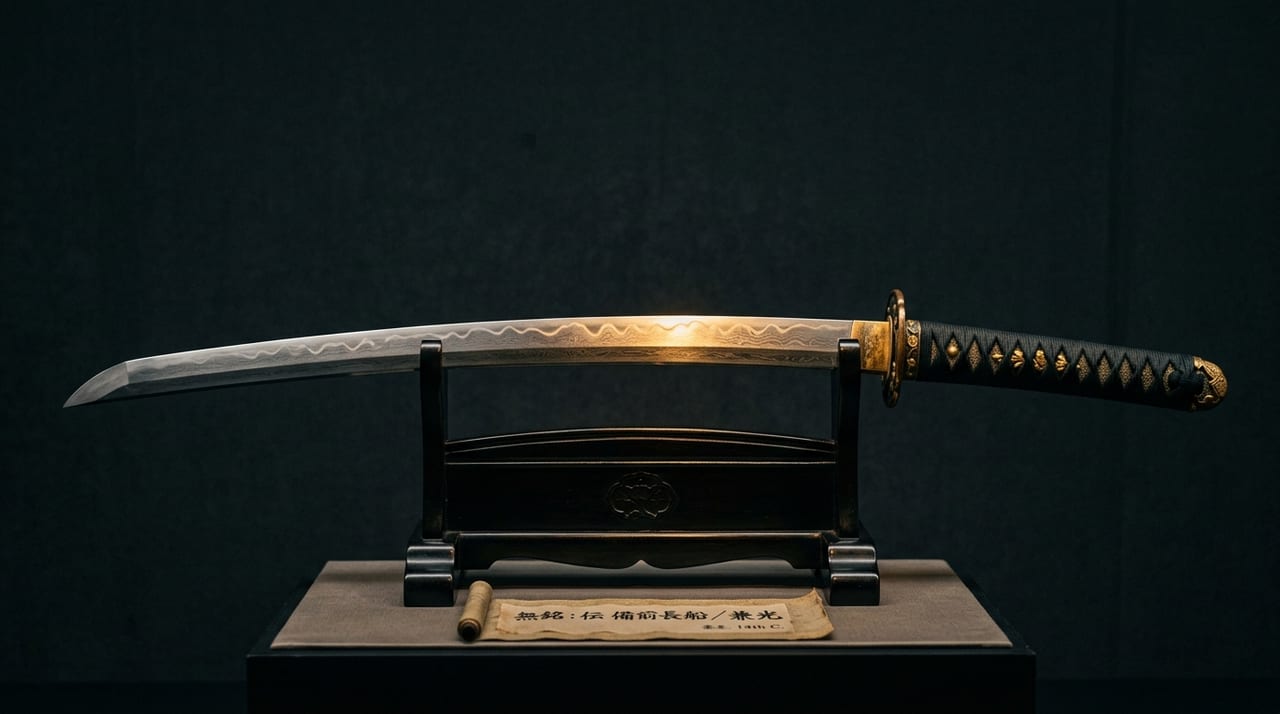
Osafune Kanemitsu is a master tōkō representing the Bizen Osafune school during the Nanbokuchō period. He excelled at ōdachi and long-bladed swords, and his work is characterized by a bold ō-midareba and hako-midareba hamon and the utsuri of the jigane. He left behind many works demonstrating advanced kaji technique and stylistic diversity in response to the large-scale warfare of the era.
Sanjo Munechika was a master swordsmith from late Heian Yamashiro, creator of the national treasure "Mikazuki Munechika" (三日月宗近). This article examines the blade's distinctive three-moon-shaped uchimoke (打除け) pattern, his legendary significance, foundational role in the Yamashiro-den (山城伝) tradition, and technical continuity with the Awatagiuchi school (粟田口派).
Rai Kunitoshi was a master swordsmith of Yamashiro Province who flourished in the late Kamakura period as the successor to Rai Kuniyuki (来国行), the founder of the Rai school. His elegantly slender tachi blades with graceful curvature, delicate suguha (直刃) hamon with small choji (丁子) features, and finely forged jigane (地鉄) exemplify the refined aesthetic sensibility of the Yamashiro tradition. Many of his works have been designated as National Treasures or Important Cultural Properties, and he is highly regarded as the Rai-school swordsmith who transmitted the greatest number of masterworks bearing his signature.
Awataguchiha was a group of tōkō (swordsmiths) based in Awataguchiha, Kyoto, in the early Kamakura period. Many of their works survive as kokuhō (National Treasures) and jūyō bunkazai (Important Cultural Properties), and they are known for celebrated swords with refined jigane (steel of the blade surface) and a luminous nioi edge that can be called the very wellspring of the Yamashiro-den tradition.
An overview of swordsmith lineages rooted in Dewa (Yamagata and Akita) and Mutsu (Miyagi, Iwate, Aomori, and Fukushima). This article examines why the Tōhoku region, far removed from the major production centers of Kyoto, Yamato, and Bizen, cultivated its own kaji culture, and introduces representative schools, swordsmiths, and extant works.
Hōki Province, which corresponds to western Tottori Prefecture today, was a renowned center of sword-making that produced the master craftsman Yasutsuna during the Heian period. This article surveys the sword-smith lineages rooted in Hōki and the surviving representative masterpiece blades.
The Tegai School, one of the Yamato Five Schools, is known as a group of tōkō who established their workshops at the Tegai Gate of Tōdai-ji. Characterized by jigane with masame kitae-hada and suguha with deeply worked nie, this article traces the lineage that formed the backbone of Yamato-den from the Kamakura period through the Nanbokuchō period.
The Taima School is a group of tōkō counted among the Yamato Five Schools. Associated with Taima-dera, they are known for an austere style characteristic of Yamato-den, based on masame jigane and suguha. This article traces their characteristics and lineage.
The Ishidō School was a group of tōkō active during the shintō period of the Edo era, known for copying the brilliant chōji hamon of Ko-Bizen and Ichimonji works. This article traces the lineage of the school as it spread across the country and the distinctive style known as Bizen utsushi.
The Mihara school was a group of swordsmiths based in Mihara, Bingo Province (present-day eastern Hiroshima Prefecture), known for a style influenced by the Yamato tradition. This article traces its distinctive, unpretentious character: jigane with a masame tendency and a hamon based on suguha.
Miyoshi Nagamichi was a tōkō who was active in Mutsu Province, Aizu, during the shintō period of the Edo era, and was known as "Aizu Kotetsu" for the keen cutting ability of his blades. This article traces the lineage of his school, which flourished under the Aizu domain, and the powerful style that defines his work.
The Enju School was a group of tōkō who were active in Higo Province (present-day Kumamoto Prefecture) and are said to have descended from the Rai School of Kyoto. This article traces the lineage of Yamashiro-den as it spread to Kyushu and the distinguished workmanship that characterized the school.
The Senjuin School is the tōkō group considered to have the oldest lineage among the Yamato Five Schools. Tradition holds that its name derives from the Senjuin Valley in Nara, and its style follows the archaic Yamato-den character grounded in masame kitae-hada and suguha.
Hasebe Kunishige, said to have been a disciple of Sōshū Masamune, was a tōkō active in Yamashiro (Kyoto) during the Nanbokuchō period. We trace the lineage of the school known for its hitatsura hamon — the same lineage that produced Oda Nobunaga's Beloved Sword, the kokuhō "Heshikiri Hasebe."
Ko-Bizen is the oldest layer of tōkō active in Bizen Province from the late Heian through the early Kamakura period. With Tomonari and Masatsune as its foremost representatives, we trace the starting point of a thousand years of Bizen swords that would lead to the later Ichimonji and Osafune schools.
Shizu Saburō Kaneuji is a celebrated tōkō said to have come from the Yamato Tegai School, studied under Sōshū Masamune, then moved to Mino Province and forged blades at Shizu. He is counted among the Masamune Jūtetsu, and his lineage leads to the later Naoe-Shizu.
The Hōshō school is a tōkō group counted among the Yamato Five Schools, known above all for its thorough masame jigane. Centered on the masame that appears strongly in the jigane, this article traces the school's style and its place within Yamato-den.
A serious shortage of successors is advancing across all crafts involved in nihontō production — kaji, togishi, sayashi, and others. Economic barriers and low numbers of new entrants are stalling workforce reproduction across the industry as a whole. This article explains the rise of female craftspeople, regional employment conditions, training challenges, the use of digital technology, and measures aimed at securing the sustainability of the industry.
Taikei Naotane (1778–1857) was a tōshō who embodied the shinshintō movement as a leading disciple of Suishinshi Masahide, leaving behind outstanding blades in Edo as the era moved toward the Bakumatsu period. Through his deep study of kotō forms, jigane, and hamon, and his skill in elevating that research into his own blades, he is counted among the "Three Outstanding Masters of Shinshintō."
Making a sword as a work of art in Japan requires approval for each individual sword. The Firearms and Swords Control Act (Jūtōhō) and the Rules on Approval for the Manufacture of Art Swords contain no nationality requirement, but the requirements include at least five consecutive years of training under an approved tōshō. This article organizes, to the extent verifiable from the statutes and official pages, topics ranging from residence status during training to the registration of completed swords and their export abroad.
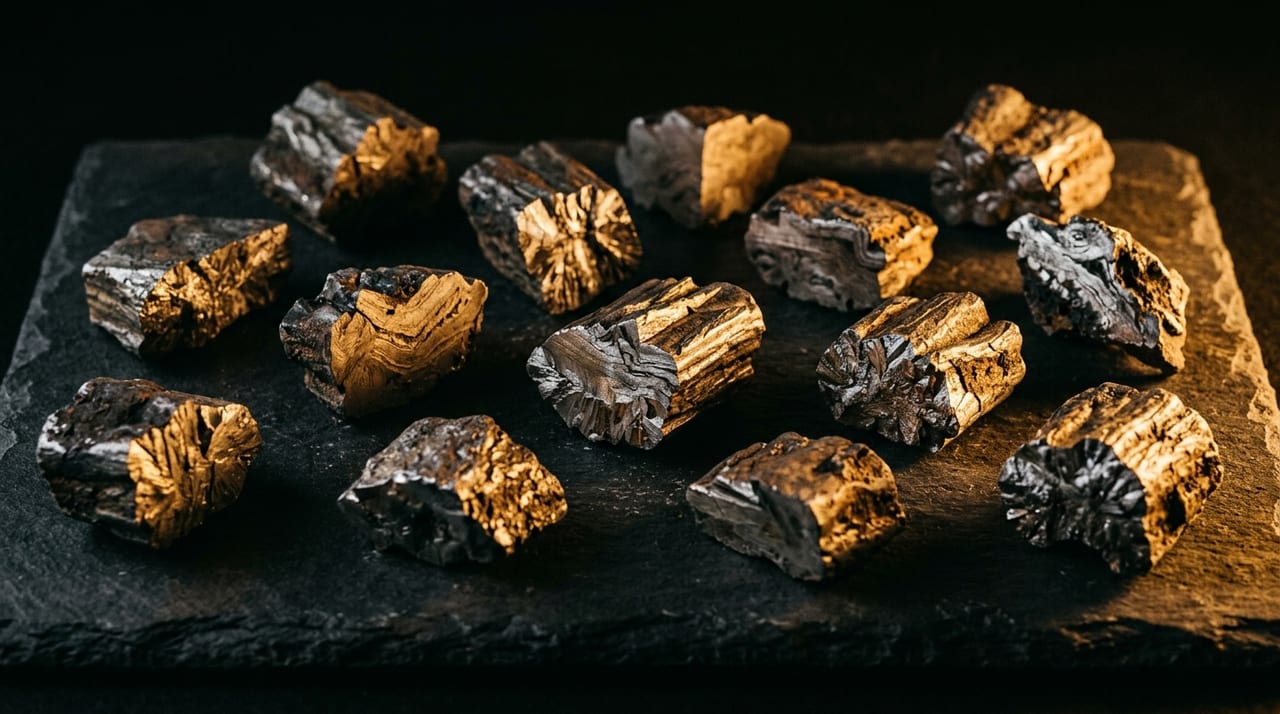
This article traces the history and technology of sand-iron mining — the source of tamahagane, the raw material of Japanese swords — from ancient tatara smelting to the modern NBTHK tatara. It also covers a scientific explanation of the sand-iron collection, beneficiation, and smelting processes, as well as the current supply crunch in 2026.
A detailed look at how gendaitō tōshō are building online audiences and personal brands through social media, YouTube, and Instagram. The article analyzes their approaches to reaching overseas fans, strategies for English-language communication, and the structural changes in the industry driven by direct sales.
A growing number of contemporary tōshō are establishing forging workshops in rural areas experiencing population decline. This article examines the circumstances, challenges, and ripple effects on regional revitalization of opening a workshop in a depopulated area, as well as the current state of municipal support.
An exploration of the Hizen sword lineage beginning with Hashimoto Shinzaemon Tadayoshi, covering their techniques, clan succession, and connections to the Tokugawa shogunate.
This article explains the procedures of test tanren used by modern tōshō to evaluate the material suitability of tamahagane. From initial visual assessment, kogatana prototyping, carbon estimation, and yaki-ire testing through to the assignment of kawagane and shingane, the article details the practical work where science and experience intersect.
Explaining the reality of tameshimono, the officially sanctioned tameshigiri specialists of the Edo shogunate. Details their relationship with the Yamada Asaemon household, their connection to the wazamono banzuke ranking system, and the social influence of tameshigiri on the sword industry and tōkō evaluation.
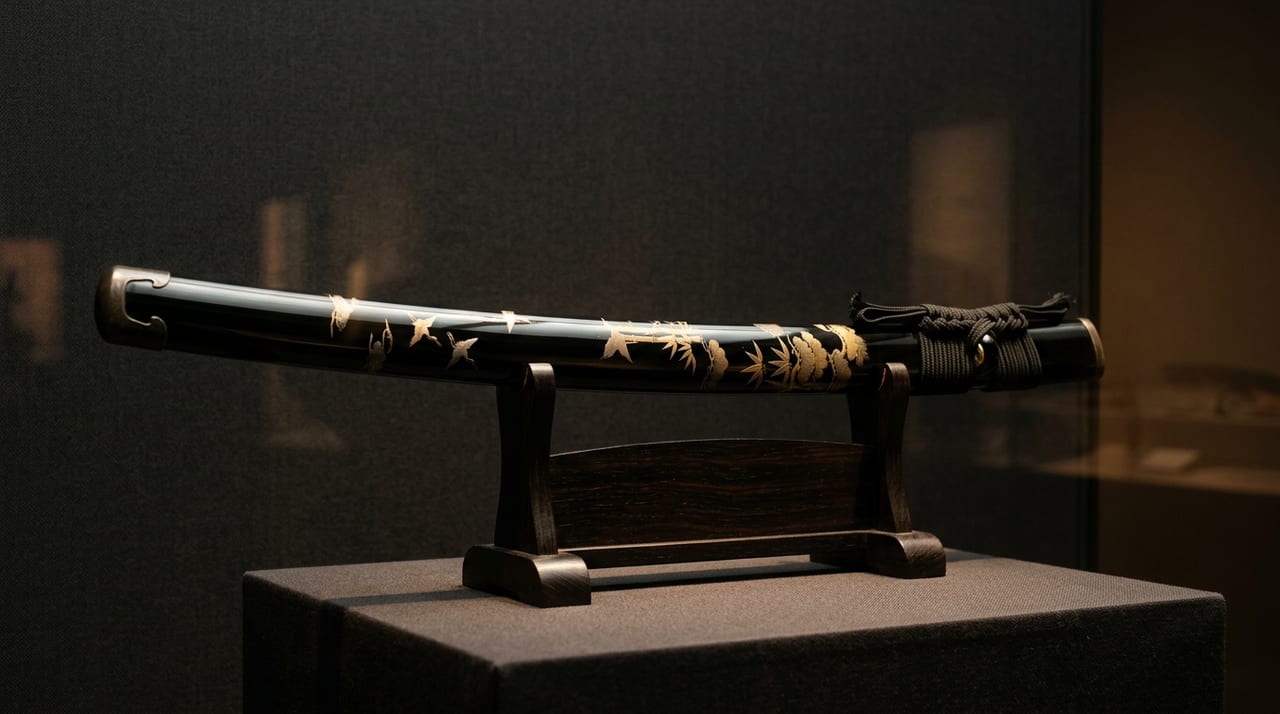
The processes, material selection criteria, and current state of transmission of the various lacquer techniques applied by sayashi to sword koshirae saya——roiro lacquer, ishime-nuri, and togidashi maki-e——explained in detail.
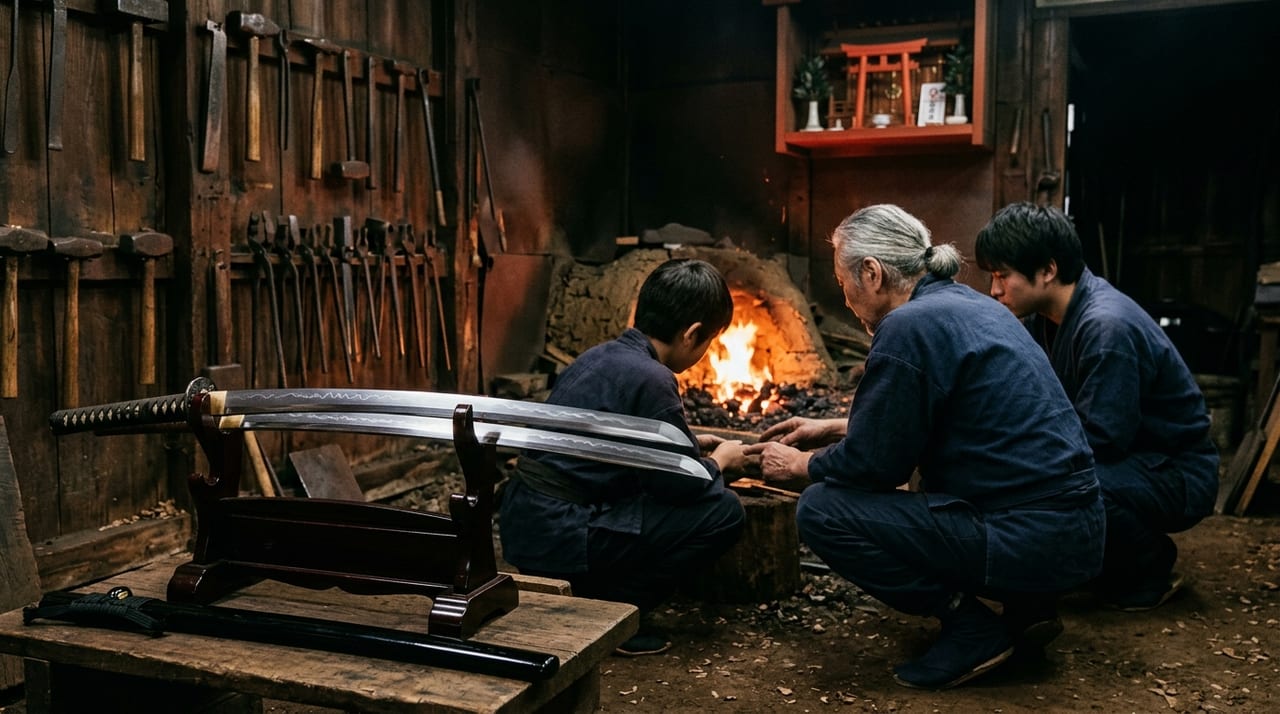
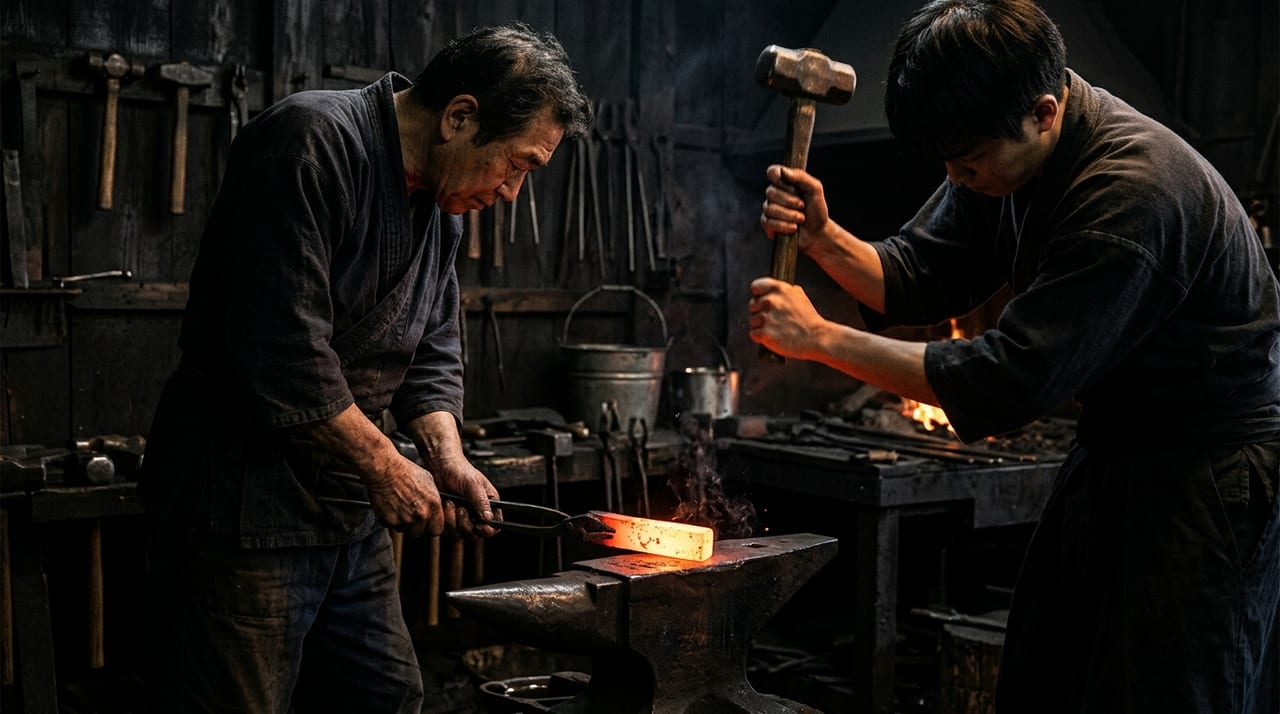
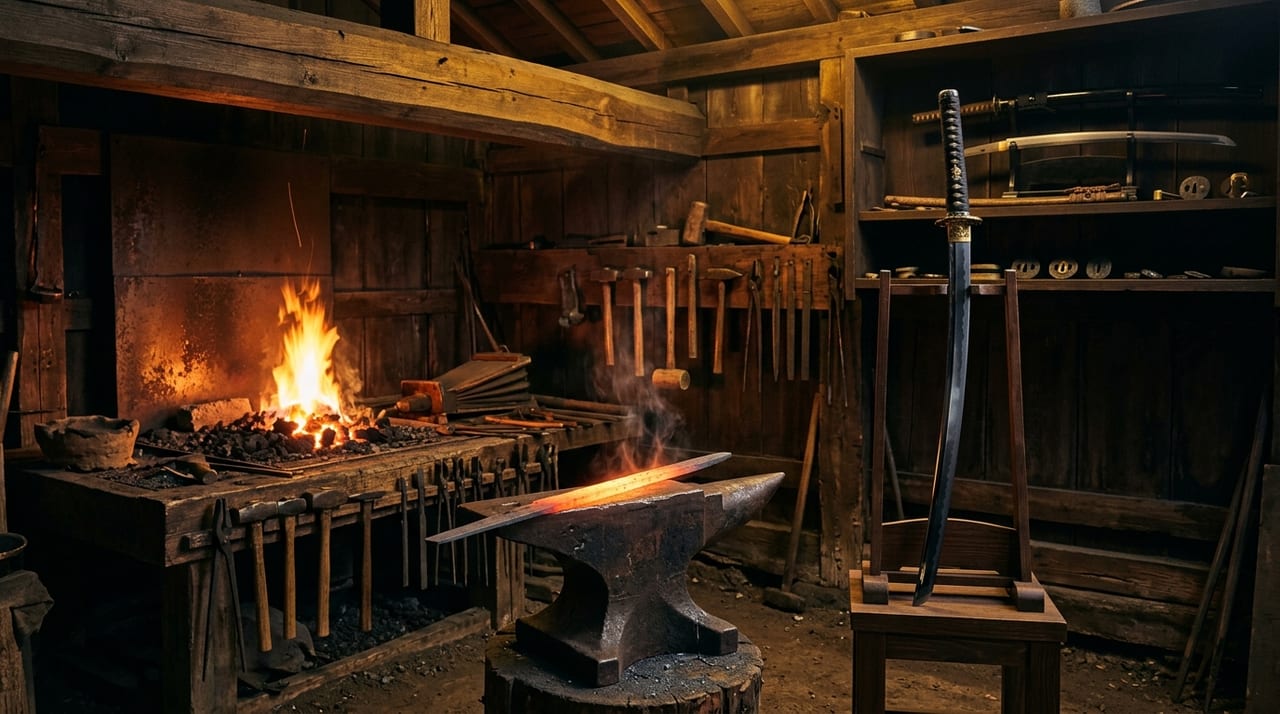
An explanation of the technical role of the uchiko, the assistant position that supports the tōshō's forging in traditional smithing workshops, along with the realities of apprentice training and changes brought about by mechanization. The article also examines the technique of ma in wielding the large hammer and the challenges of transmission in the modern era.
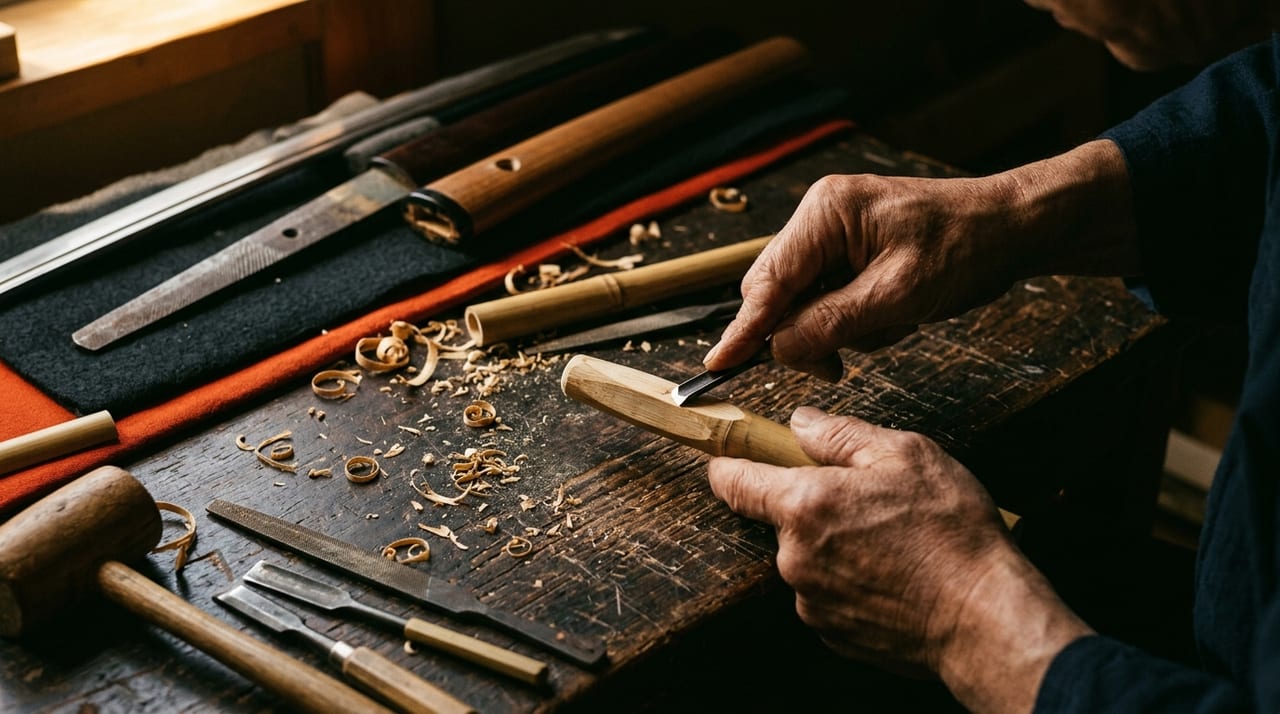
A detailed account of the technical system, historical background, materials, and processing methods of the mekugishi, the specialist craftsman who produces the mekugi that fixes the blade to the tsuka of a nihonto.
The succession of a tōkō's mei is not merely the passing on of a name but the act of inheriting an entire lineage's technique, aesthetic sensibility, and philosophy. Drawing on notable examples such as Gassan Sadaichi and Koyama Munetsugu, this article explains the master-disciple code — whose conditions include more than ten years of training, attaining the mukansa level, and demonstrating character and loyalty — as well as the challenge of successor shortages in the modern era.
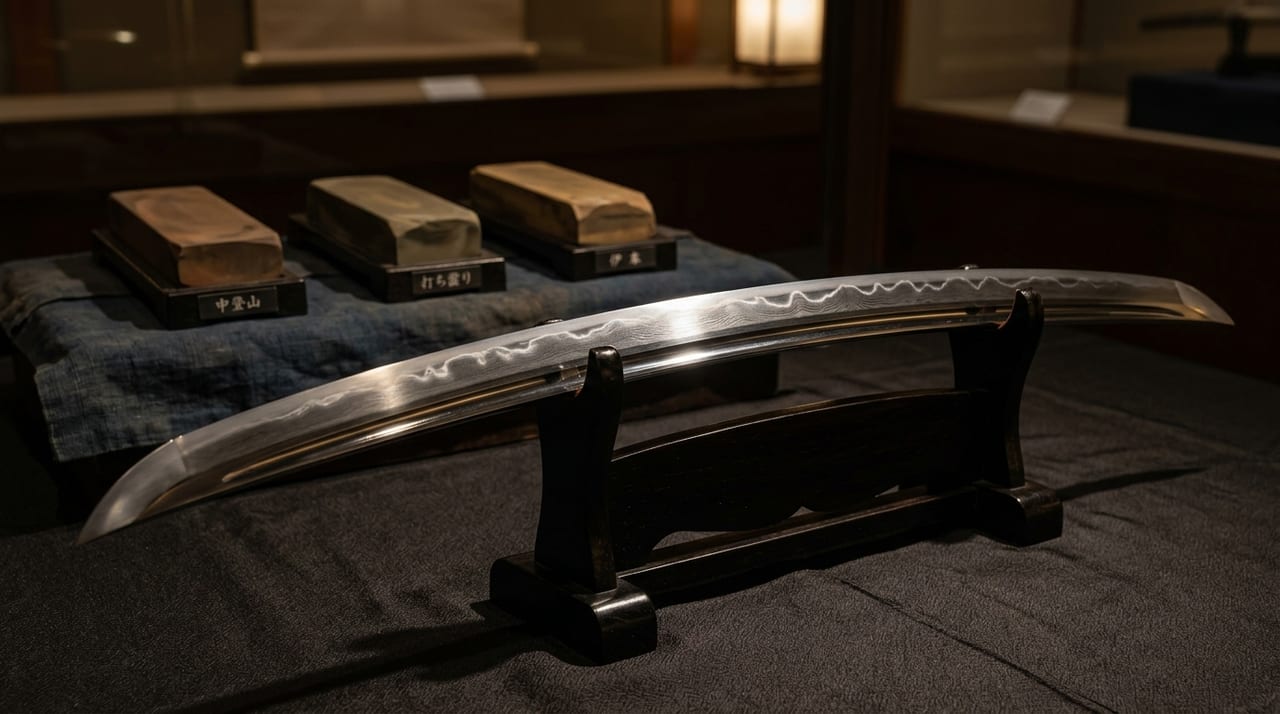
A detailed account of the school lineages, years of training, whetstone origins, and technical differences among togishi (polishers) who ultimately draw out the beauty of the Japanese sword.
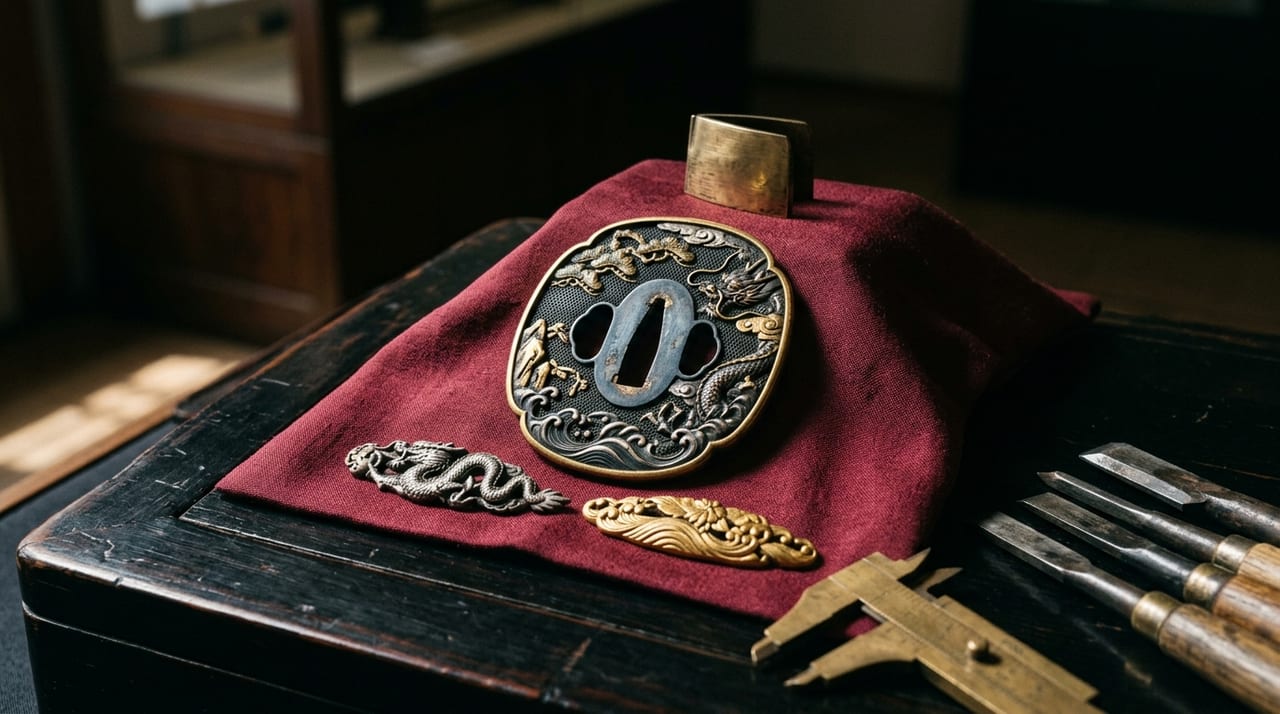
This article explains the realities of craftsman training for "kinkōshi" who create tōsōgu such as tsuba, menuki, fuchi-kashira, and kozuka in the modern age. It covers the process of acquiring advanced metalworking techniques such as chōkin, zōgan, and nanako-uchi, the current state of the master-apprentice system and vocational training schools, and the challenges young kinkōshi face regarding income, materials procurement, and customer development — conveying the state of the tōsōgu industry today.
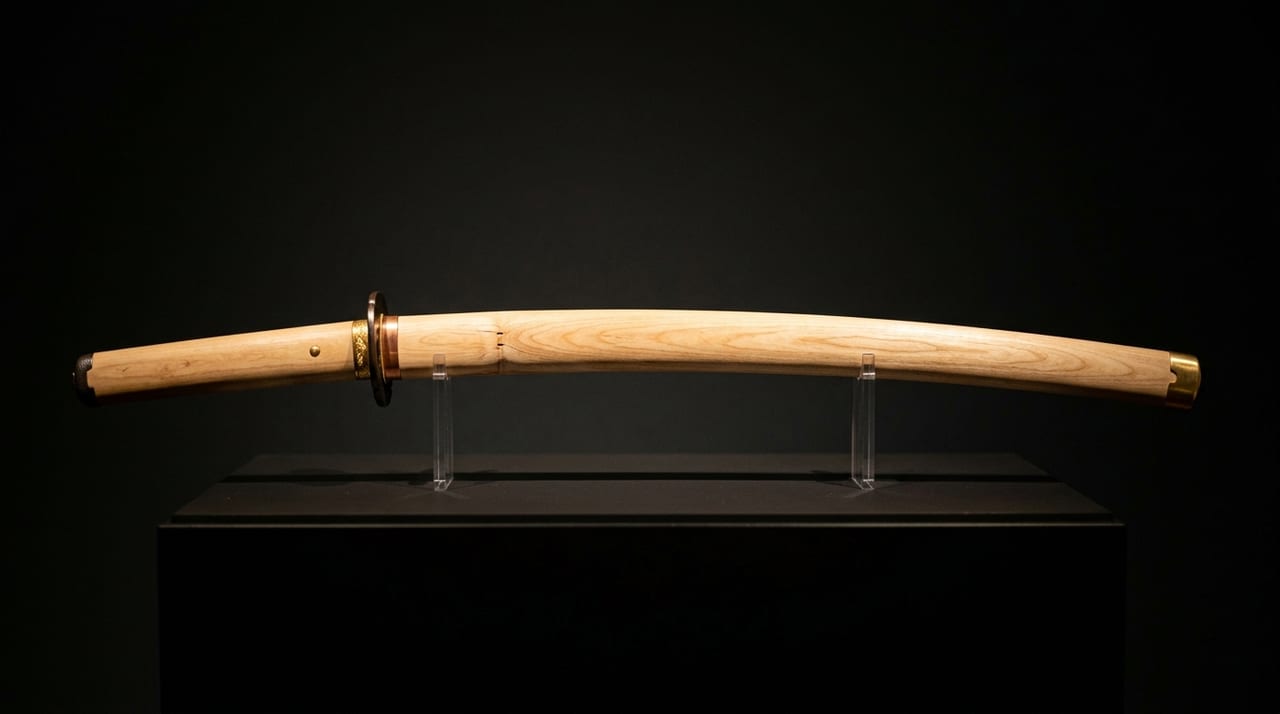
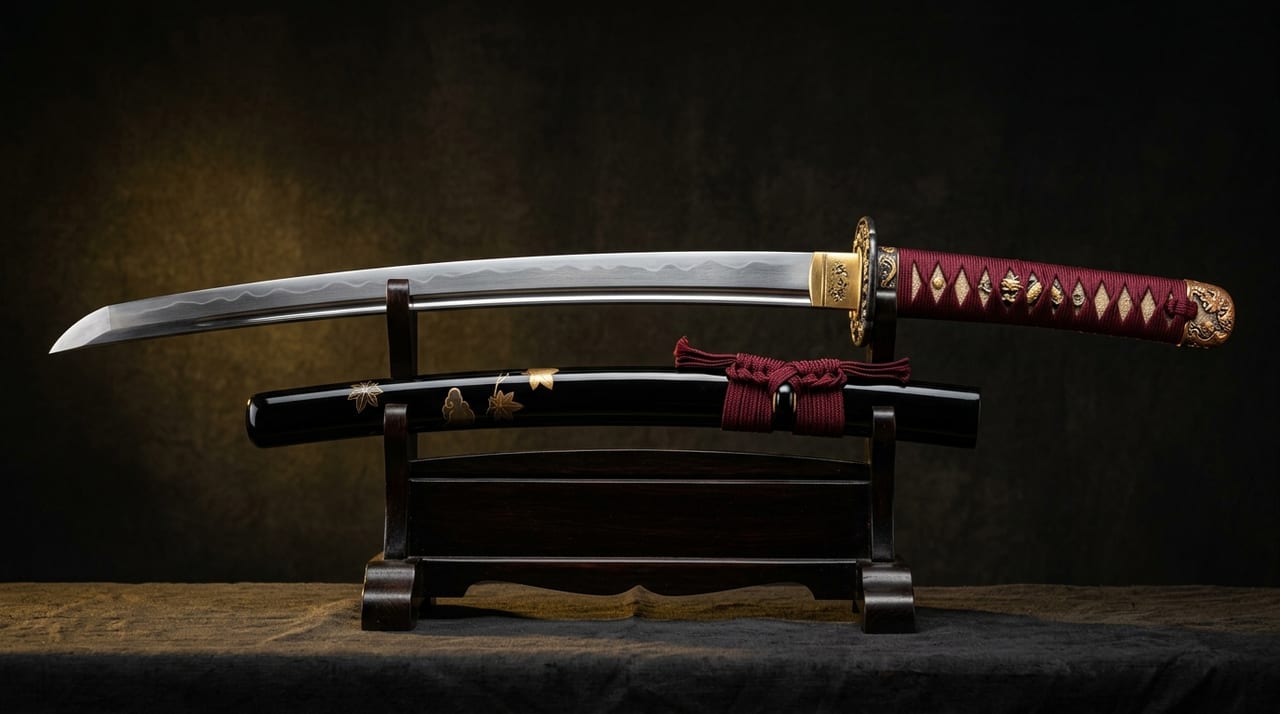
An explanation, in order of process, of the division of labor and coordination among the multiple craftsmen involved in completing the koshirae (mounting) of an uchigatana or tachi.