Sue-Bizen Sukesada: The Mass-Production Swordsmiths Who Sustained Bizen Osafune After the Onin War
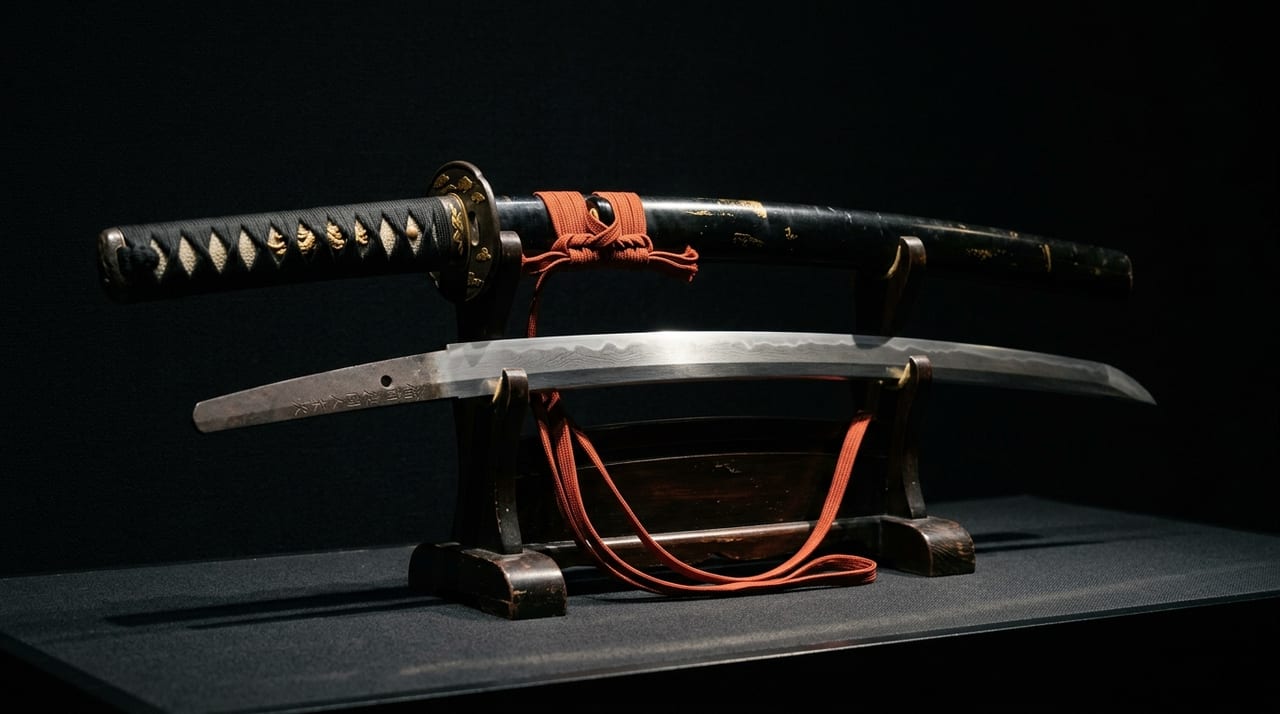 * Image is for illustrative purposes only.
Table of Contents
The Late Bizen Period as a Time Division and the Transformation of Osafune Swordsmiths
The Bizen Osafune school, which flourished during the Kamakura and Nanboku-Cho periods, faced a major turning point as it entered the late Muromachi period. In the world of sword research and authentication, blades from Bizen made after the Onin War (1467–1477) and continuing through the Tensho period (1573–1592) are called "Late Bizen," and are treated distinctly from Old Bizen and the Osafune school of the Kamakura period. This periodization does not signify a technical decline, but rather indicates that the production system, working style, and demand structure underwent fundamental changes in response to the unique demands of the Sengoku period.
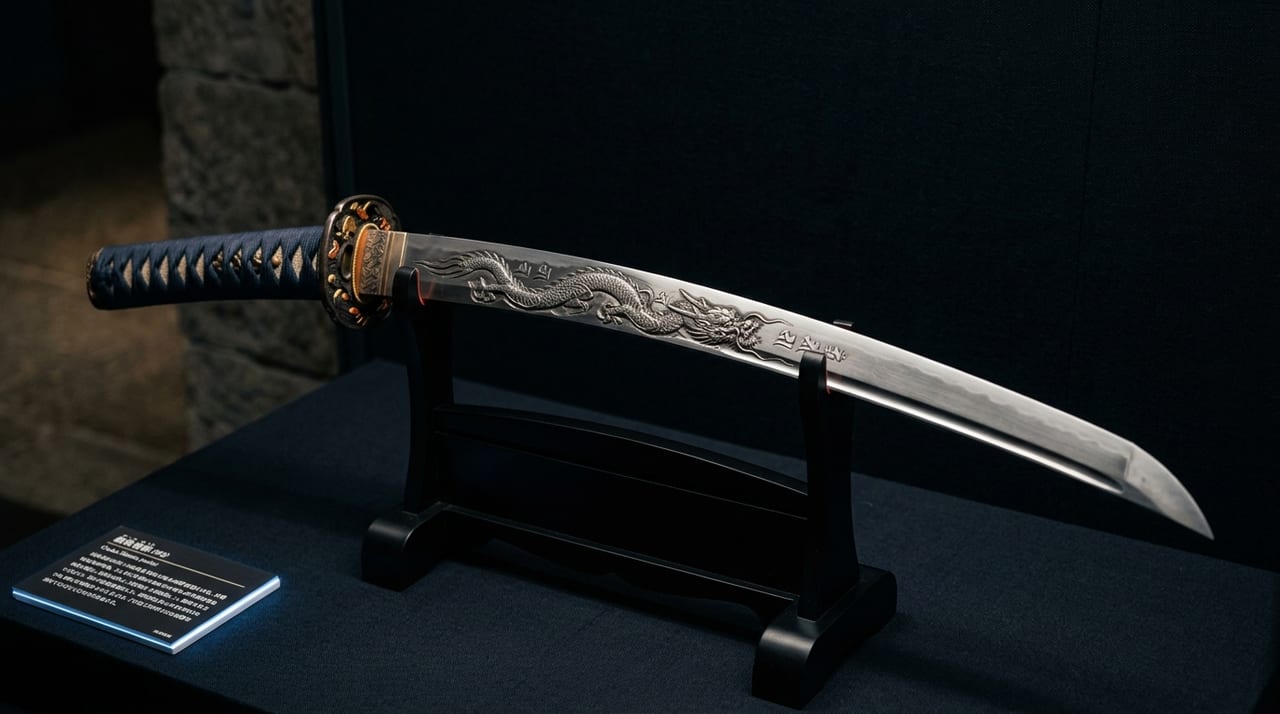
The name most widely known as representative of Late Bizen is "Sukesada." Based in Osafune, Bizen Province (present-day Setouchi City, Okayama Prefecture), multiple signatures are recorded, including Yosaburo Sukesada, Hikobei Sukesada, and Genbe Sukesada, and it is believed that each of these names was adopted across multiple generations. "Sukesada" should be understood not as the name of a single swordsmith, but as a collective signature borne by the group that handled sword production during the Sengoku period—an understanding that reflects the actual circumstances.
The Transformation of Demand Structure Brought by the Onin War
The devastation of Kyoto caused by the Onin War and the spread of warfare throughout the nation completely transformed both the class of sword consumers and the character of blades required. The tachi that the Osafune school had primarily produced until then were objects used by the upper ranks—the nobility, temples, shrines, and guardian classes—even in ritual and symbolic contexts. But as the Sengoku period began, the main actors on the battlefield expanded from daimyo to lesser regional lords and landholders, and further to common foot soldiers, creating a need for large quantities of practical combat blades to arm entire forces.
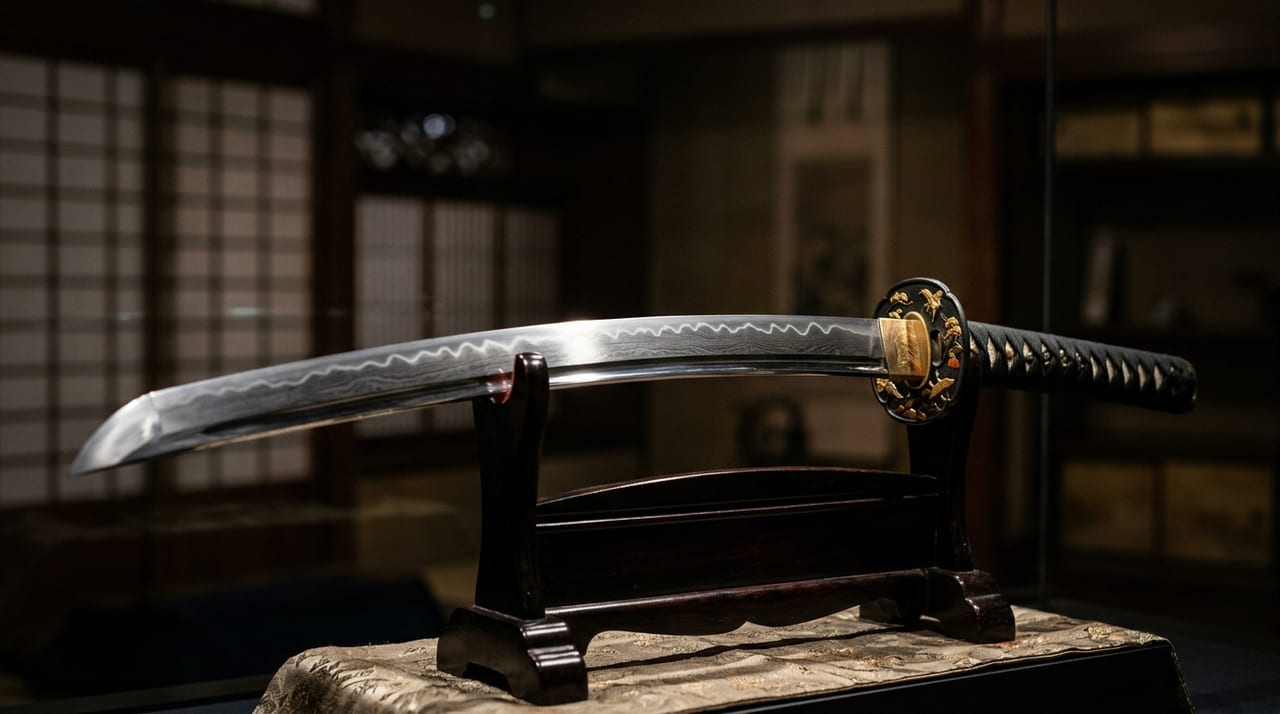
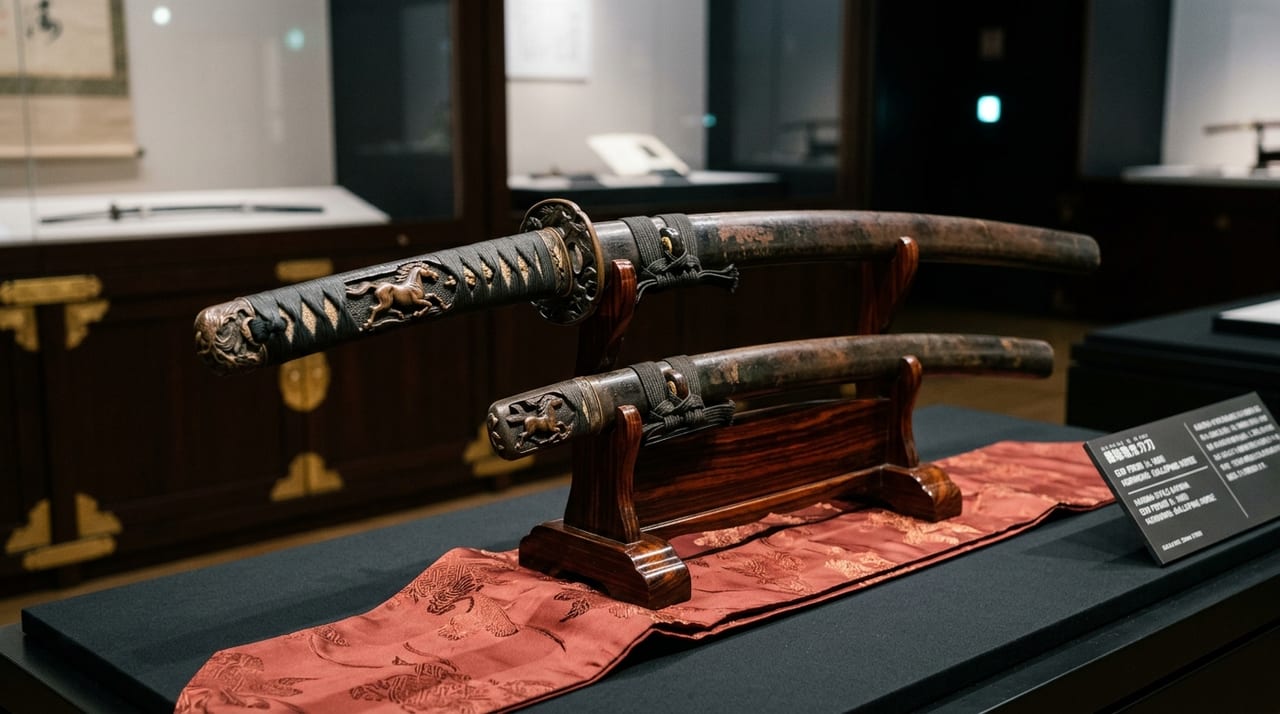
This change was directly reflected in the shape of the swords. In the Late Bizen period, the uchigatana form with shallow curvature and short nakago became the mainstream, adapted to practical specifications suited to the rapid draw and close combat demanded by the battles of the era. While maintaining the traditional practice of carefully finishing individual blades for the upper classes, the Bizen Osafune swordsmiths began in earnest to enter a new market of mass-produced swords that reached even the common foot-soldier class.
The Production System of "Kazuuchi-mono" and Its Reality
Late Bizen Sukesada blades are discussed so frequently because of their connection to the mass-production system known as "kazuuchi-mono." It is believed that forging workshops were concentrated around Osafune, and a system for producing numerous swords in a short time while dividing labor was established.
Organizing the production background of kazuuchi-mono reveals the following structure:
- Demand side: Sengoku daimyo and regional lords, when mobilizing large military forces, urgently needed to arm all members of their troops, including common foot soldiers.
- Supply side: The blacksmith groups concentrated in Bizen Osafune responded to large orders by continuously producing swords to standardized specifications.
- Distribution side: Bulk supply to Sengoku daimyo across various regions meant that blades with the "Sukesada" signature spread over a wide geographical area.
As a result of this mass-production system, existing Sukesada-signature blades are more numerous than those of other Late Bizen smiths, and they are regarded today as relatively commonly encountered antique swords. This fact itself testifies to the large production scale of this group.
Careful Craftsmanship Within Mass Production
The term "kazuuchi-mono" tends to evoke an image of inexpensive goods made at the expense of quality. Yet when surveying the output of the Sukesada group broadly, one finds that even among blades with the same "Sukesada" signature, there is considerable variation in quality. Examples exist that display careful ji preparation with clear jikei and utsuri, or hada working that is finely observed—specimens highly valued in later authentication.
This suggests that for special commissions from influential warlords or formal gift purposes, a parallel production system may have existed, with carefully crafted individual blades produced separately from the ordinary kazuuchi-mono. If we posit that different work ran parallel to the regular production line within the same workshop, the range in quality of surviving Sukesada blades can be naturally explained.
Points to Note in Authentication and Appreciation
There are several distinctive difficulties in authenticating and evaluating Sukesada blades.
- The problem of different persons with the same signature: Multiple swordsmiths including Yosaburo, Hikobei, and Genbe adopted the name "Sukesada," and multiple-generation name succession has been identified. Evaluation requires comprehensive judgment combining elements beyond the signature itself, such as the style and structure of the characters, the preparation of the nakago, and the shape of the ridge line.
- Distinguishing kazuuchi-mono from special commissions: Careful comparison of details specimen by specimen—ji preparation, hada working, nakago finish—becomes the key to understanding the positioning of a given blade.
- Accurate understanding of Late Bizen as a period: Old Bizen, Kamakura Bizen, and Nanboku-Cho Bizen each differ in their working style, form, and forging approach. Placing Late Bizen accurately within the historical evolution of the entire Bizen tradition becomes a prerequisite for understanding individual blades.
What the Sengoku Period Mass-Production Swordsmith Group Left Behind
The large number of Late Bizen Sukesada works that have survived to the present day directly demonstrates the profound impact the Sengoku period had on sword production. The role of the swordsmith was not merely to create individual masterpieces, but also to respond to the demands of the age by continuously providing a stable supply of large quantities of practical combat blades—an important historical function fulfilled by the Osafune swordsmith group. The fact that specimens exhibiting careful workmanship even within the mass-production system are valued in modern authentication demonstrates that the craftsmen of that era did not fully abandon their technical standards. One reason why Bizen Osafune maintained its vitality as a sword-producing region throughout the Muromachi and Sengoku periods can be attributed to the existence of swordsmith groups that attempted this dual achievement of mass production and quality.
For a comprehensive overview of the Bizen Osafune school, please also see A Complete History of the Bizen Osafune School Across 700 Years.