New Arrivals — Browse our catalog for the latest authentic Japanese sword arrivals. Browse →
Articles on tsuba, fuchi-kashira, menuki, kozuka, and koshirae — the aesthetic world of sword fittings.
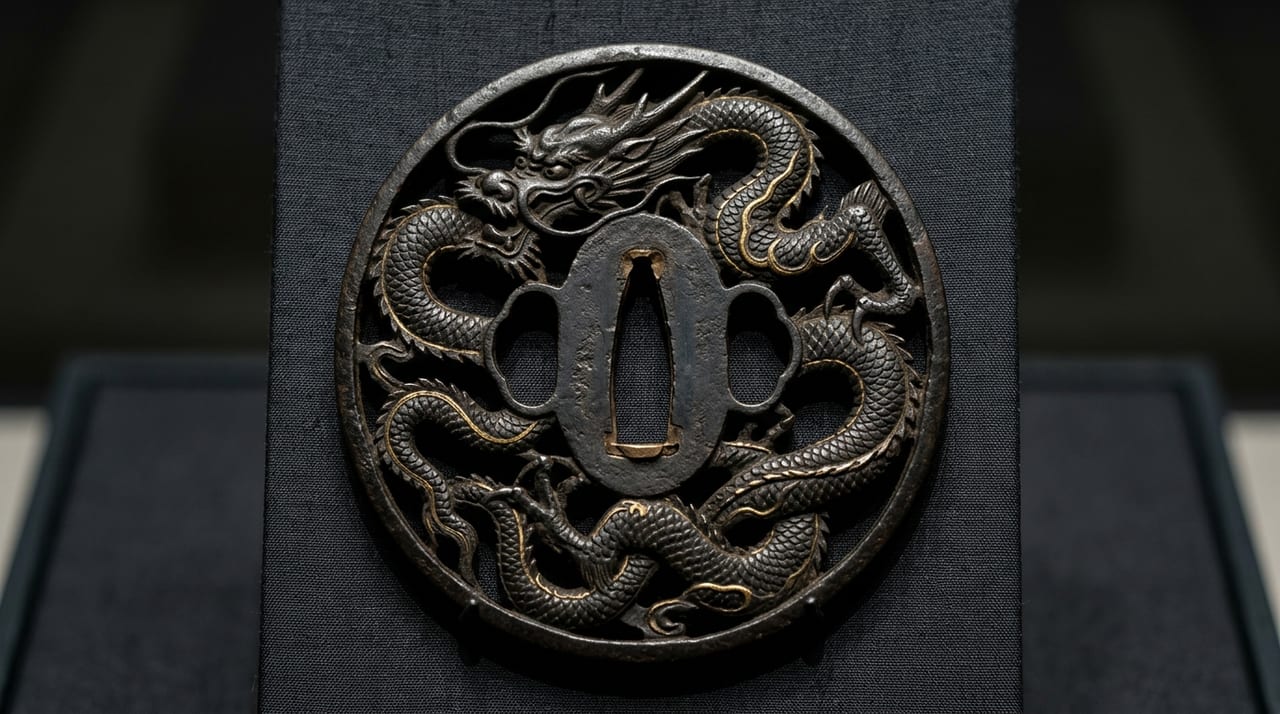
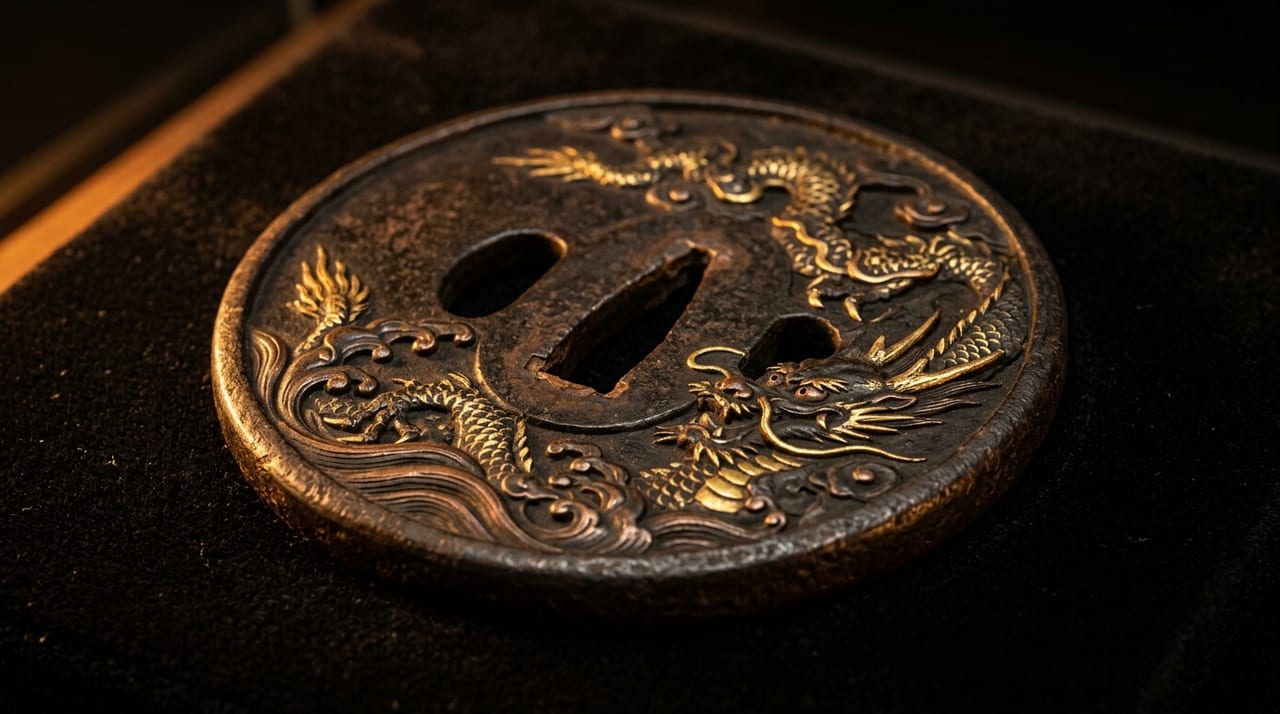
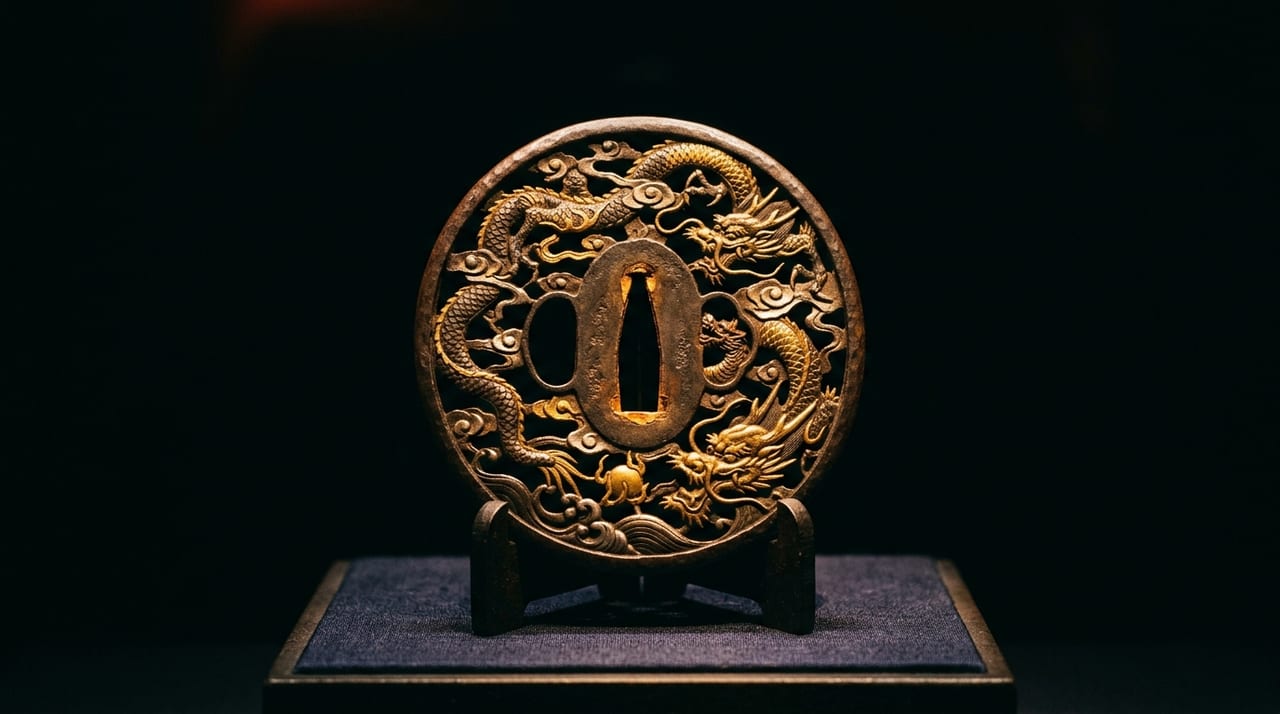
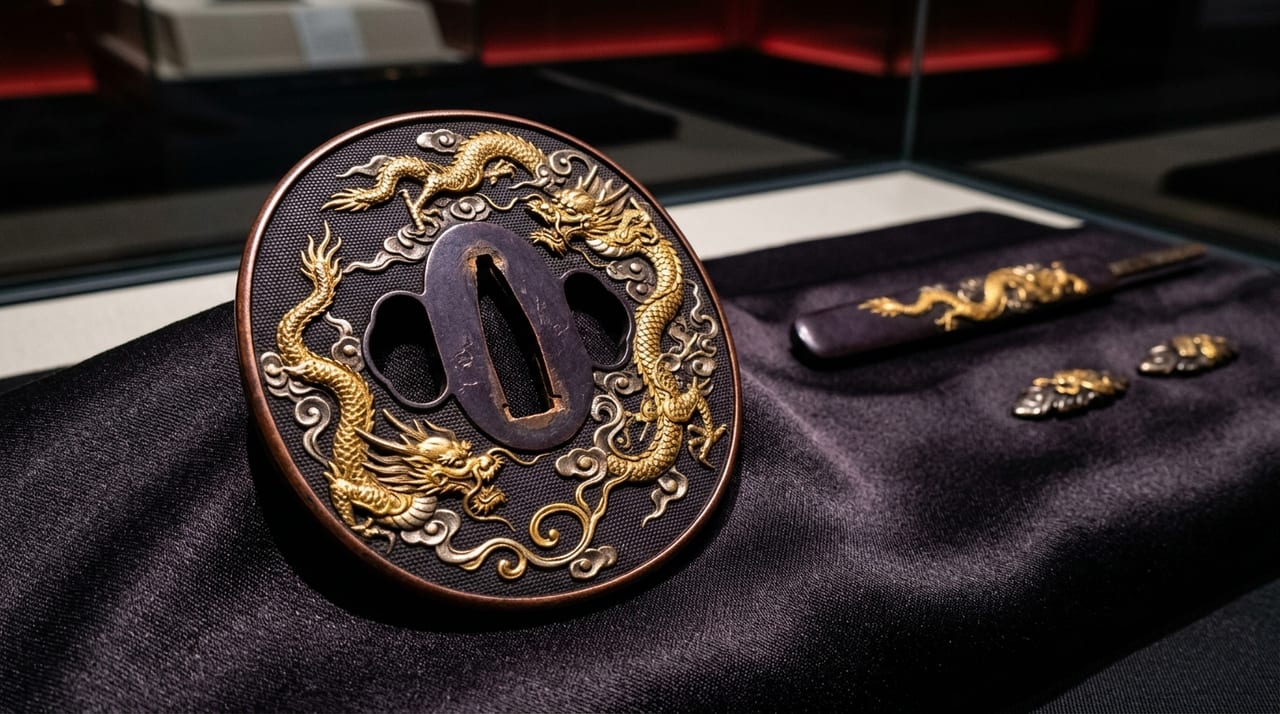
An introduction to the style of the Echizen Kinai school of tsuba makers, centering on their dragon-motif openwork tsuba, in which bold forms and delicate hairline engraving coexist.
An explanation of the styles, technical characteristics, and lineages of the major tōkō of Higo metal-working (higo kinkō), which developed centered on Kumamoto (Higo), including Hayashi Matashichi, Nishigaki Ikkansei, and Shimizu Jingorō. The aesthetics of the Higo tsuba are examined through the distinctive techniques of "nunome-zōgan" and "iron-ground hira-zōgan," which differ from sukashi tsuba.
To assess the period of a tsuba, four axes of observation are effective: the kitae-hada of the jihada, the texture of the rust, the shape of the mimi (outer rim), and the overall thickness. This article organizes the characteristics of each period and explains the changes from the early Edo period to the Bakumatsu in a practical checklist format.
For those looking to collect tsuba (sword guards), understanding pricing factors, where to buy, and basic authentication is essential. This guide covers practical knowledge for entering the tsuba market.
The care methods for tsuba (hand guards) differ according to material. This article explains practical rust-prevention and storage methods grounded in the specific properties of iron tsuba, shakudō tsuba, and shibuichi tsuba respectively.
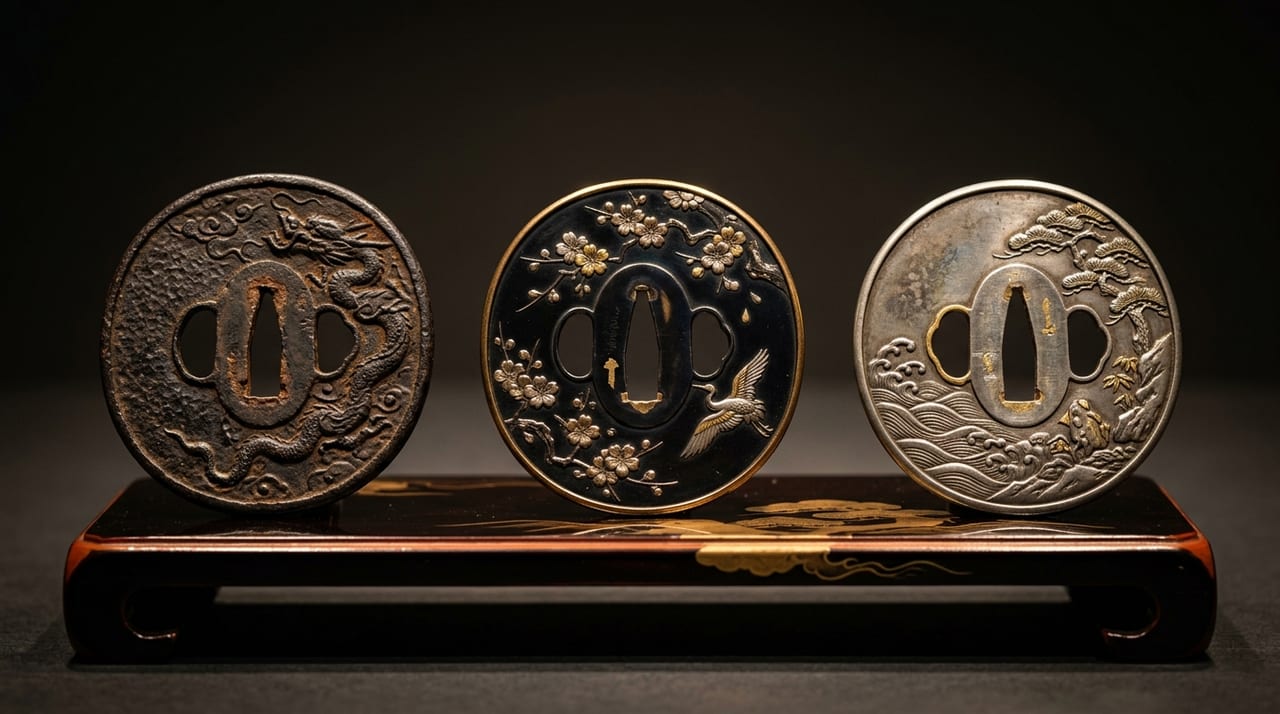
A systematic guide to the materials (iron, copper, metalwork), shapes, sukashi, surface patterns, and mei for those appreciating a tsuba — the hand guard of the Japanese sword — for the first time.
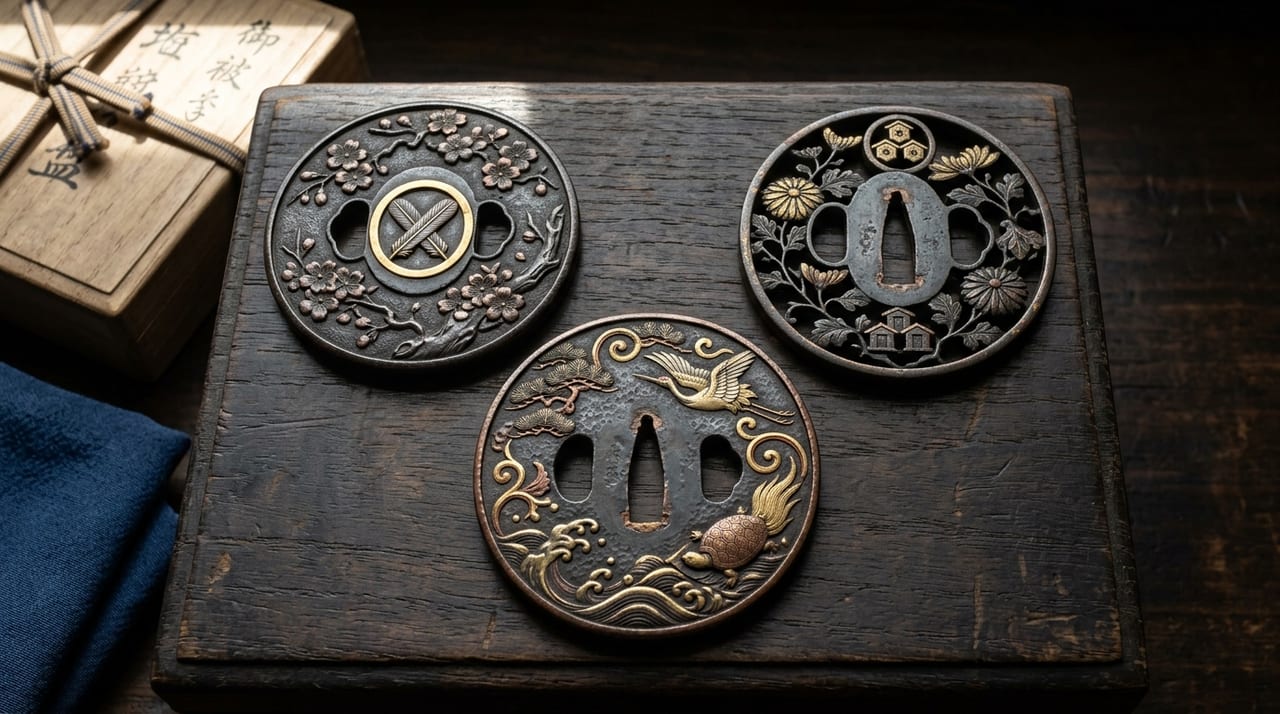
The patterns depicted on tsuba and tōsōgu carry meaning. This article explains how to read designs including family crests, auspicious motifs, and imagery drawn from stories and historical anecdotes.
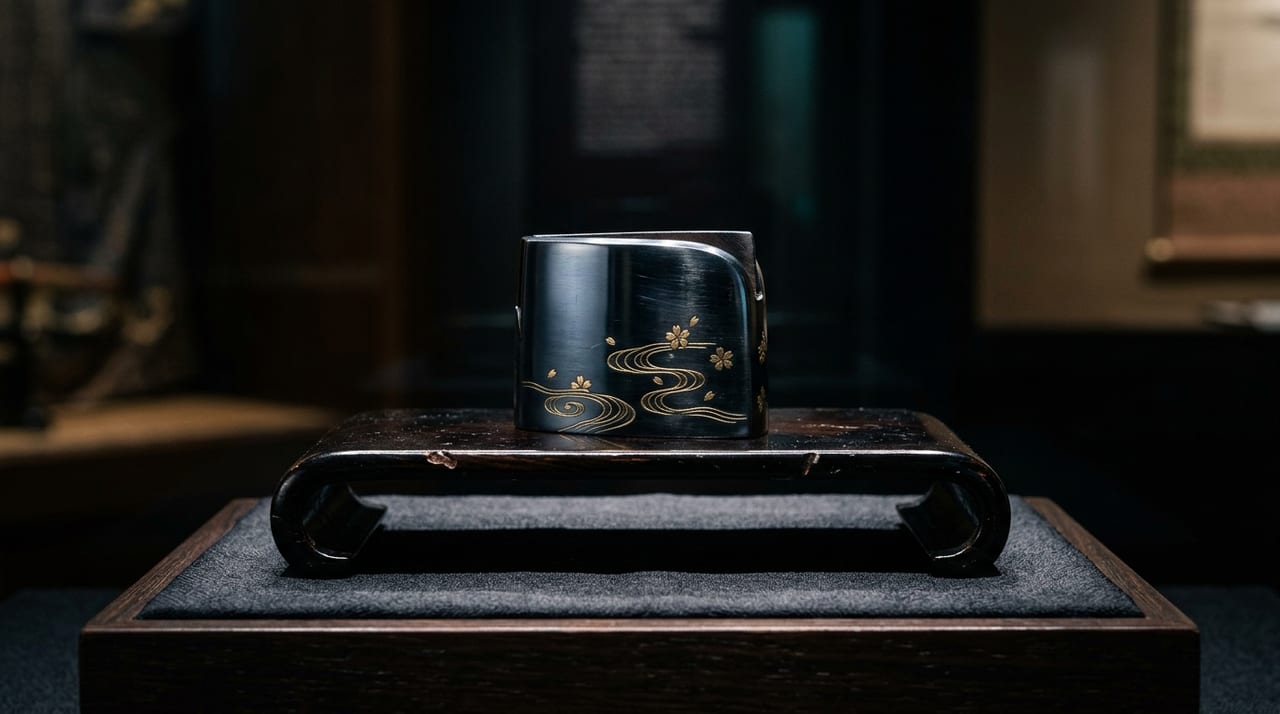
The fuchi and kashira reinforce and adorn both ends of the tsuka. This article explains the function, materials, and subject matter of fuchi-kashira as a matched pair, and the art of combining them with the tsuba and menuki.
The Gotō family, masters of sword furniture metalwork. An overview of the main house's history beginning with Yūjō in the Muromachi period, the distinctive iebori (家彫) style, and the formal elegance inherent in mishomono (三所物) three-piece sets.
Tsuba are broadly divided into those with an iron base and kinko tsuba that use soft metals such as shakudō and brass. This article organizes the differences in style, technique, and points of appreciation that arise from the choice of material.
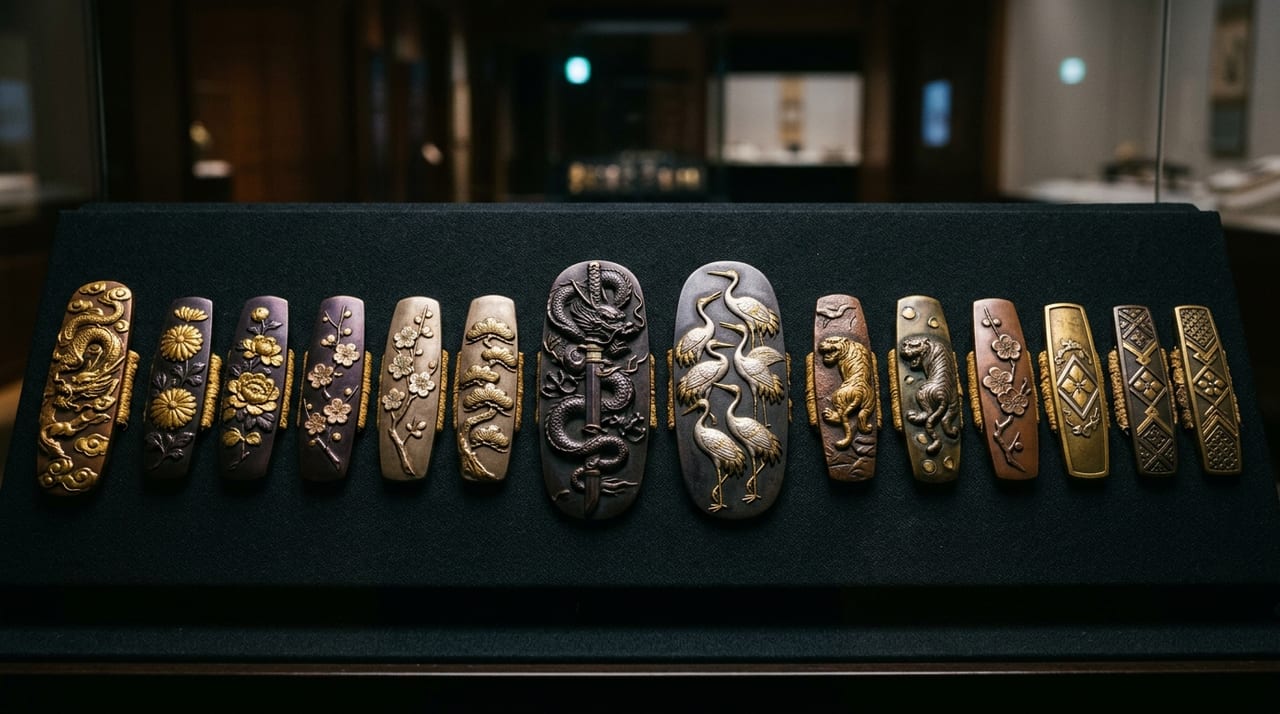
Menuki are small metal fittings attached to the tsuka. This article explains their original function as fasteners, their development as decoration, the richness of their subject matter, and what to look for when appreciating them.
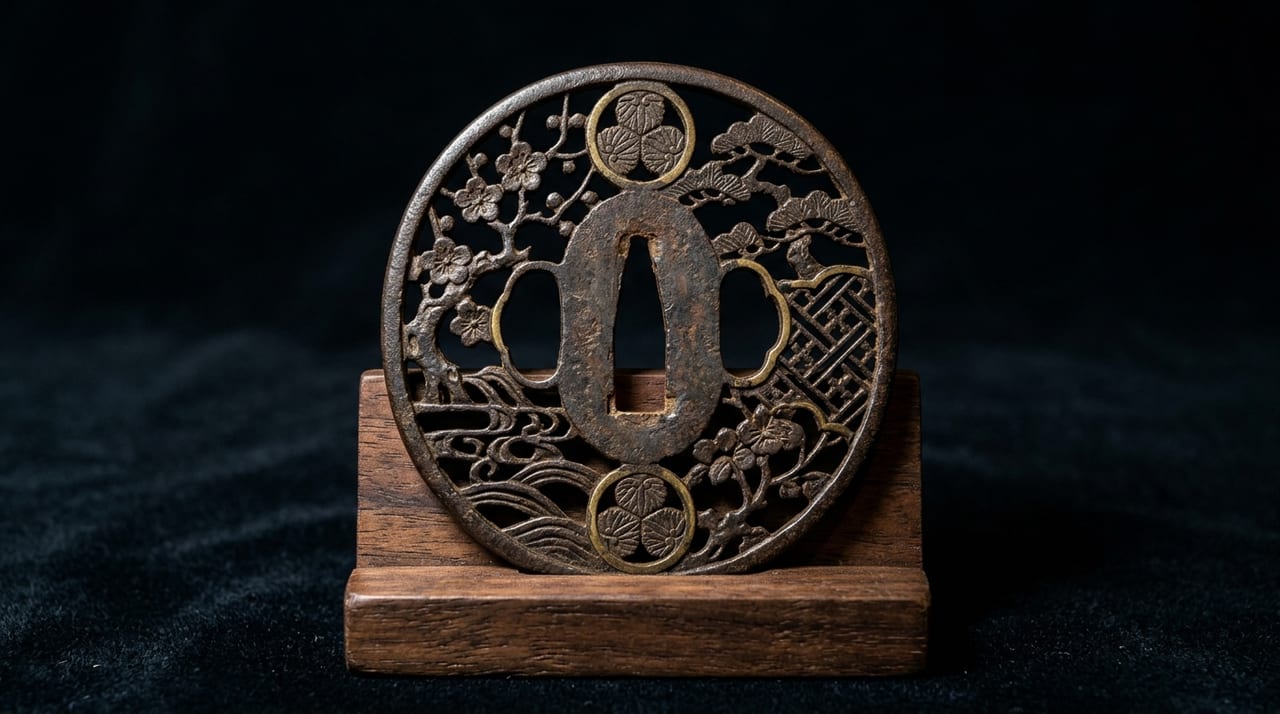
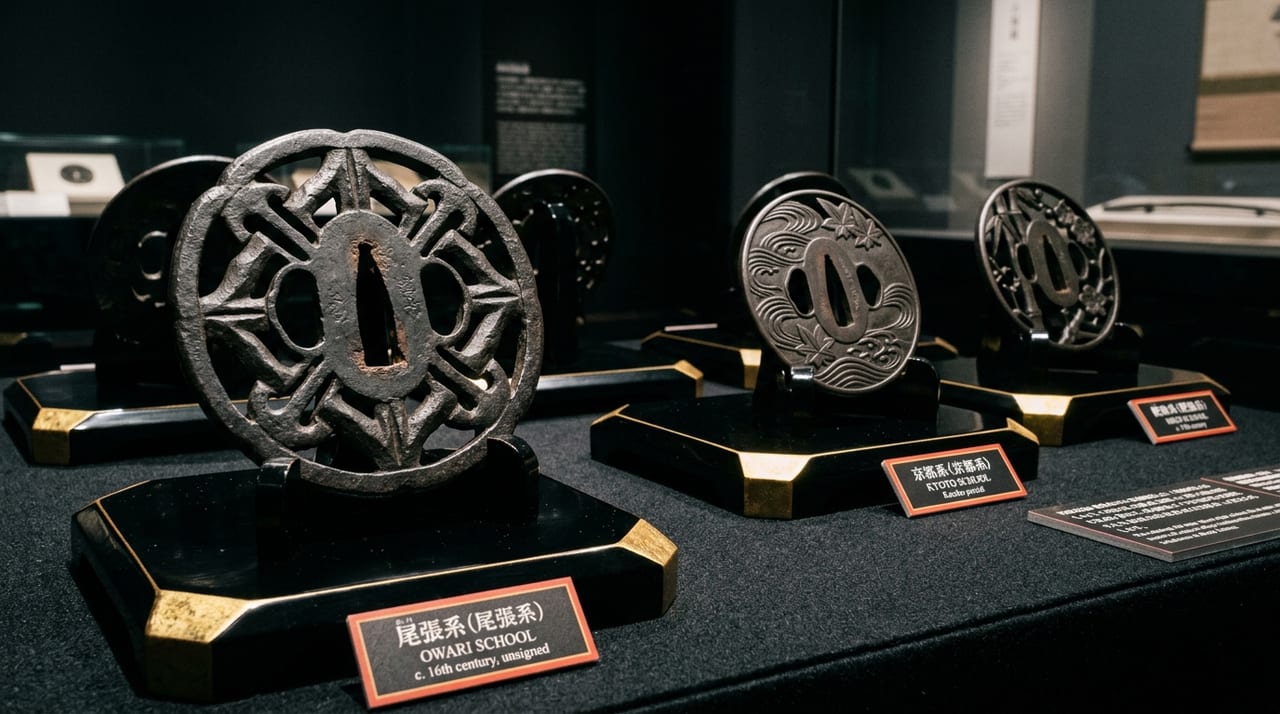
Sukashi tsuba create patterns by piercing through the ground. This article explains the differences in style across the three lineages — Owari, Kyō, and Higo — and points to look out for when appreciating them.
During the Edo period, sword fittings (kodogu) — tsuba, menuki, fuchi-kashira — became independent art collecting categories, separate from swords. This article examines the kodogu collecting culture embraced by daimyo, wealthy merchants, and scholars, the major artistic schools, and how this tradition plays out in today's market.
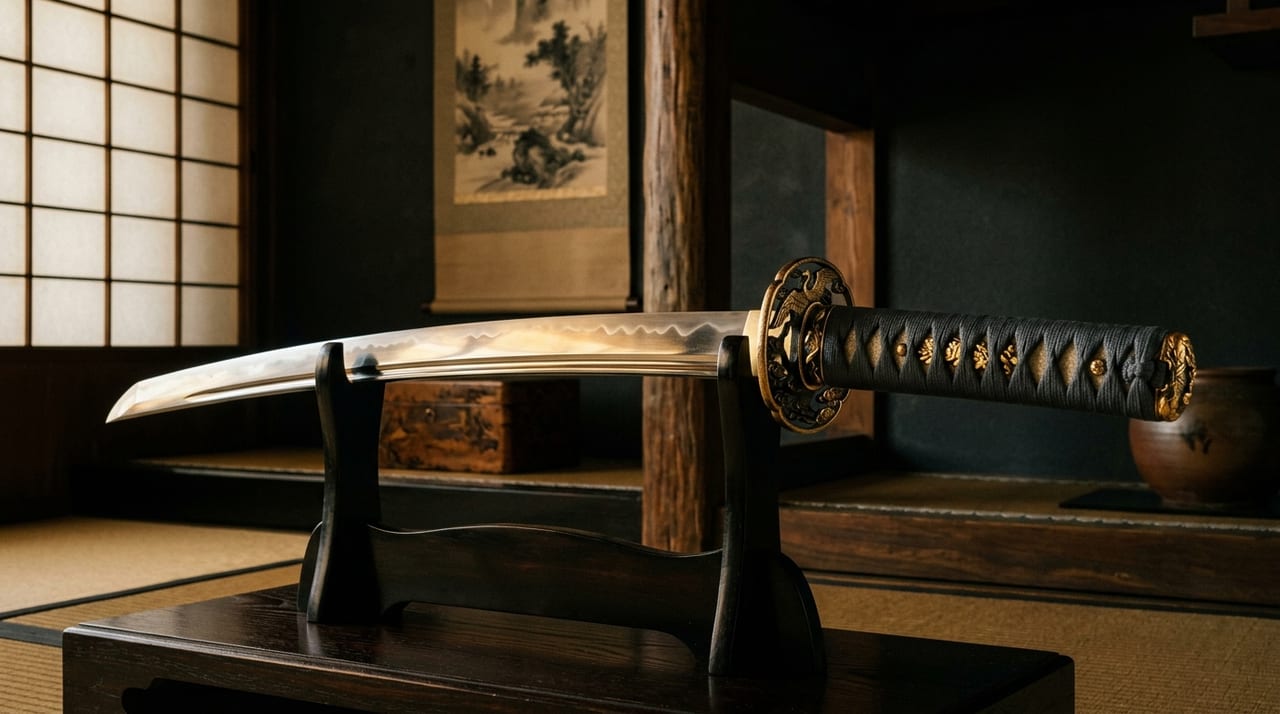
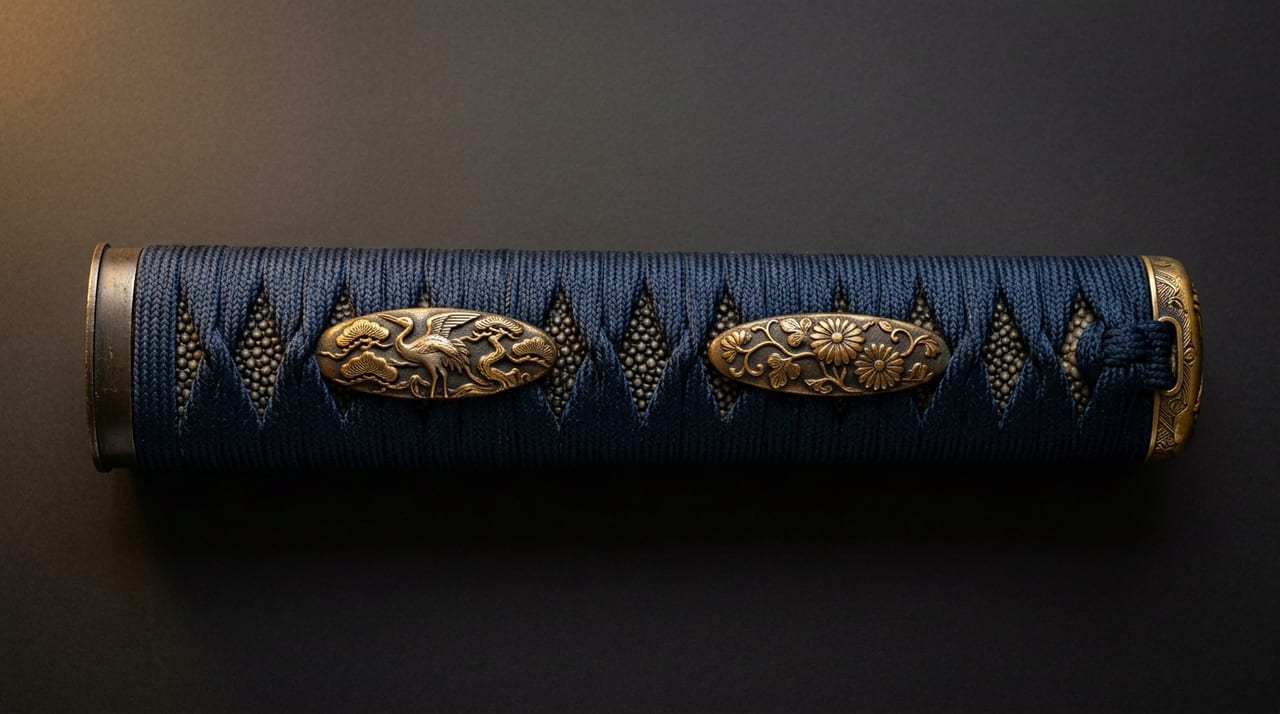
The tsuka (hilt) of a sword is completed through the collaboration of the tsukashi, menukishi, and tsukamakishi. From the selection of same-gawa (ray skin) to the casting and chasing of menuki, and the techniques of thread wrapping, this article introduces in detail the work of the craftsmen who create the "gripping part" of a sword.
150 years after the Sword Abolishment Edict (Haitōrei). Modern tsuba-shi and tōsōgu artists are inheriting nearly-lost traditional techniques while exploring contemporary forms of expression. This article explains the current state of contemporary kinkō-shi across Japan, the realities of study and apprenticeship, the reception at domestic and international exhibitions and markets, and the balance between tradition and innovation.
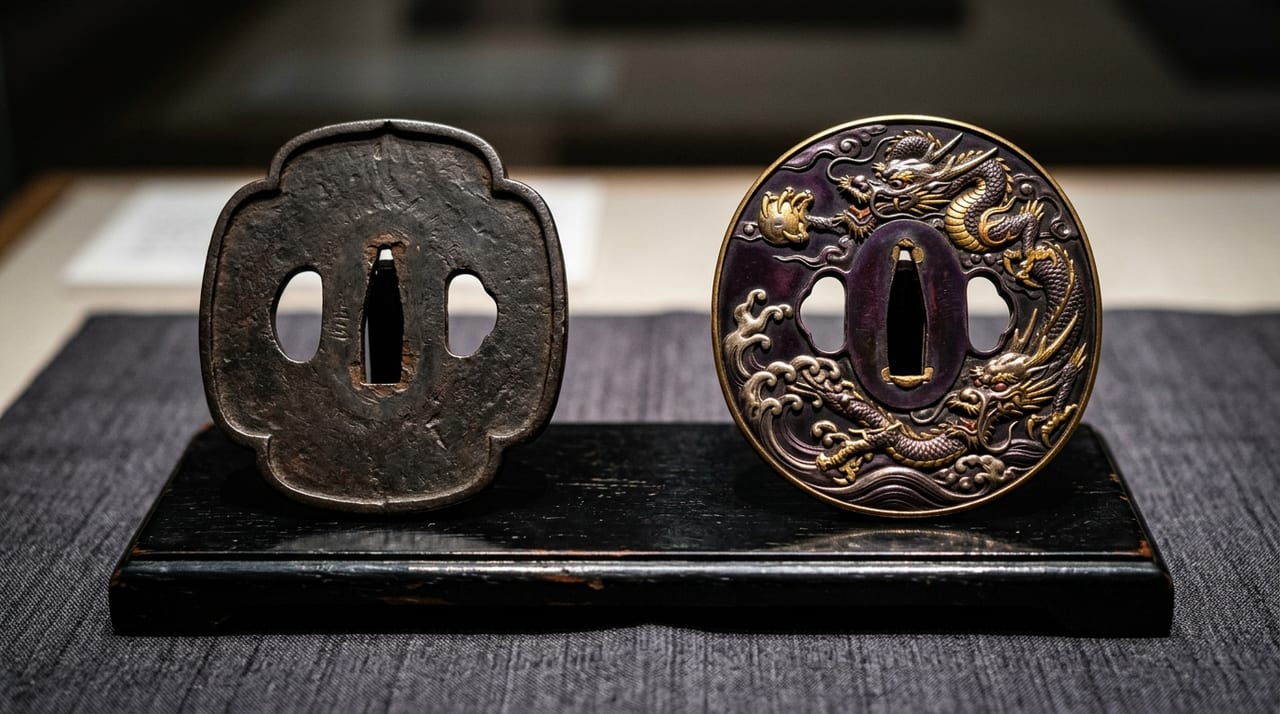
With the arrival of an era of peace in the early Edo period (17th century), the tsuba underwent a full transformation from an attachment to a weapon into a genuine work of art and craft. Against a backdrop of samurai demand for tōsōgu, distinctive schools such as the Higo kinkō, the Gotō school, and the Shōami school competed with one another, opening a golden age of tsuba art.
Founded by Gotō Yūjō in the Muromachi period, the Gotō family continued for 17 generations until the Bakumatsu and stands as the supreme authority in Japanese tōsōgu (sword fittings) production. This article provides a detailed explanation of the intricate shakudō-and-gold carving style known as "Gotō-bori" and the unified design system known as "Gotō-yagu."
Rooted in the Kumamoto domain (Higo Province), Higo kinko stands apart through its austere iron tsuba that eschew gold and silver inlay. This article explains in detail the characteristics, representative styles, and interrelationships of the four major lineages — Hayashi, Nishigaki, Hirata, and Shimizu — and provides a guide to appreciating and collecting Higo tsuba.
In the appraisal of tsuba, the quality of the "jigane" (base metal) is just as important an element as the hamon. This article explains the types of kitae-hada found in iron tsuba (itame, masame, muji), the color and types of rust, and the relationship between period or school and jigane characteristics.
Kawari-gata (unusual-form) tsuba transcend the standard circular and mokko shapes, expressing the full range of sword guard creativity. This article explains the significance and artistic value of fan, hollyhock, square, cross, half-moon, and other distinctive tsuba forms.
Tōsōgu (sword fittings) such as tsuba, menuki, and fuchi-kashira that adorn swords are the crystallization of precise metalworking techniques including chōkin, zōgan, and nanako-uchi. From the seventeen-generation lineage of the Gotō family to contemporary artists, this article explains their beauty and the key points of valuation.
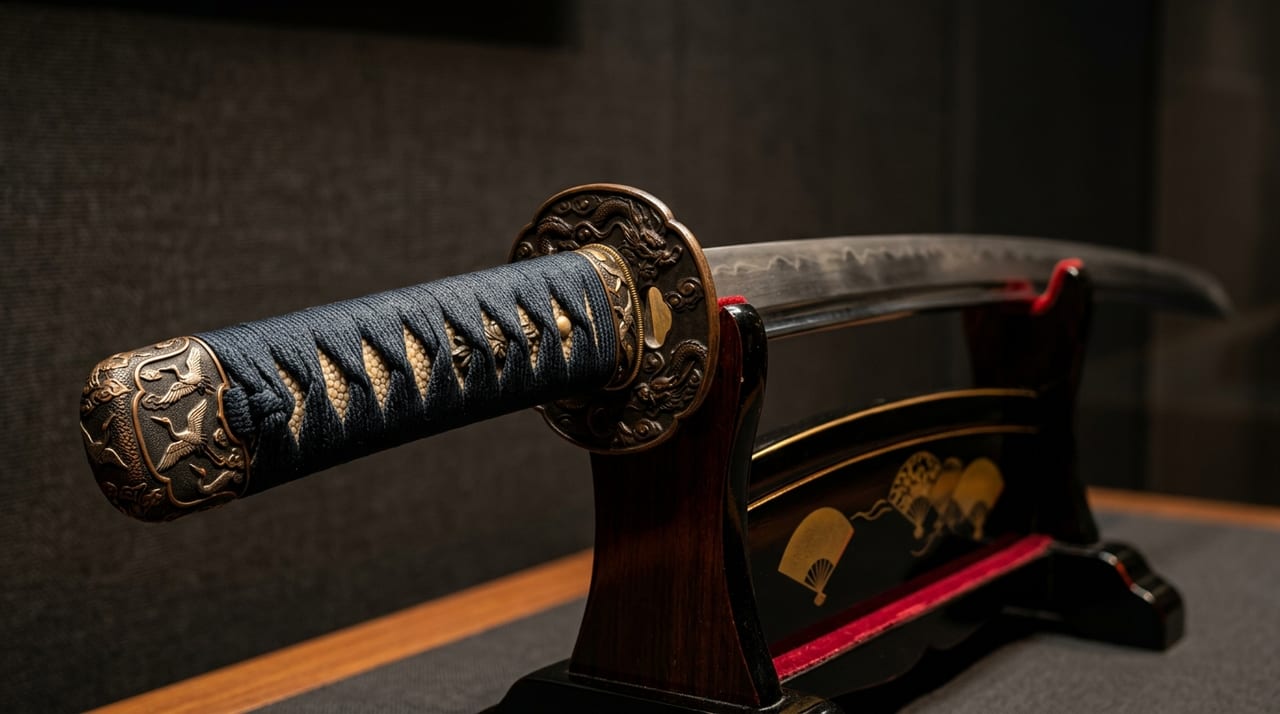
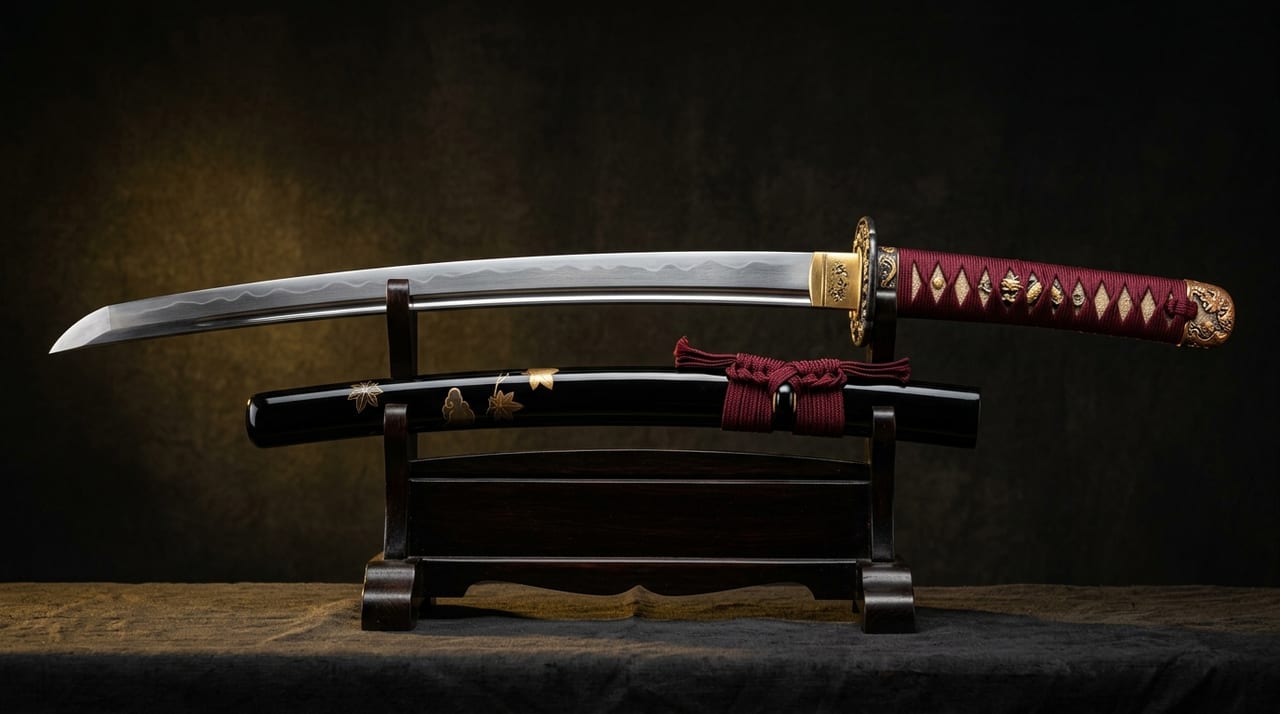
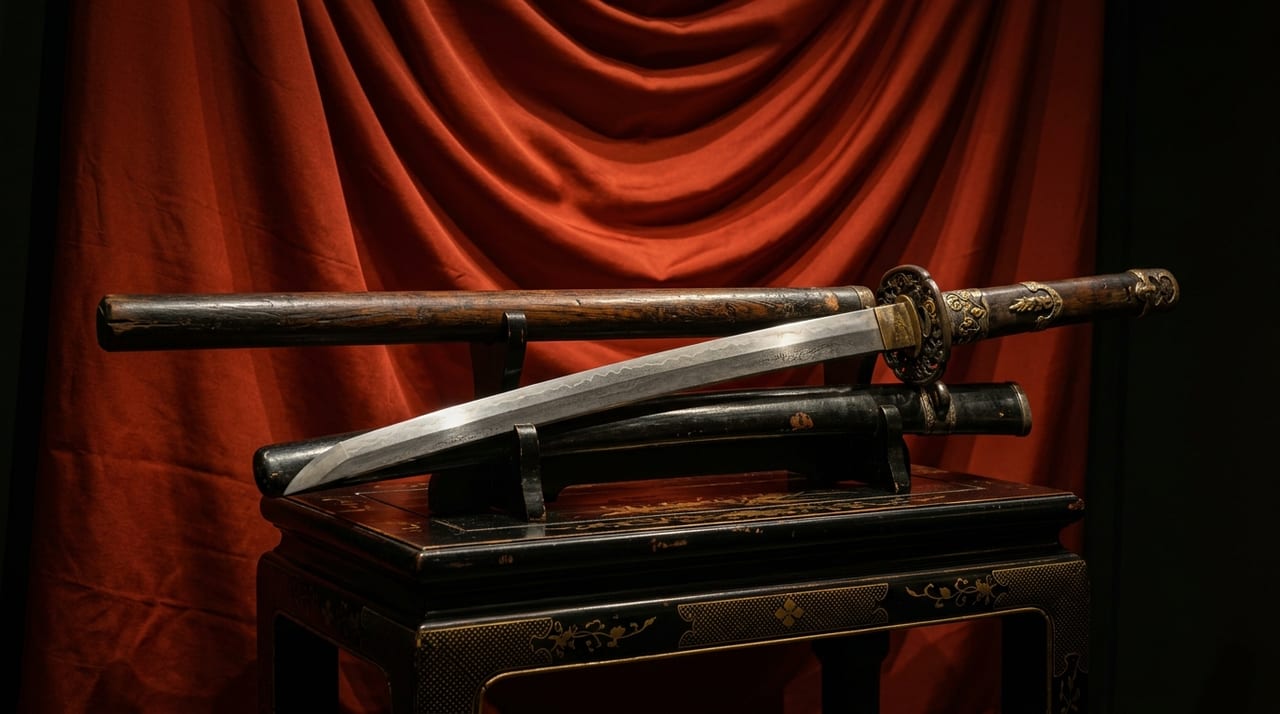
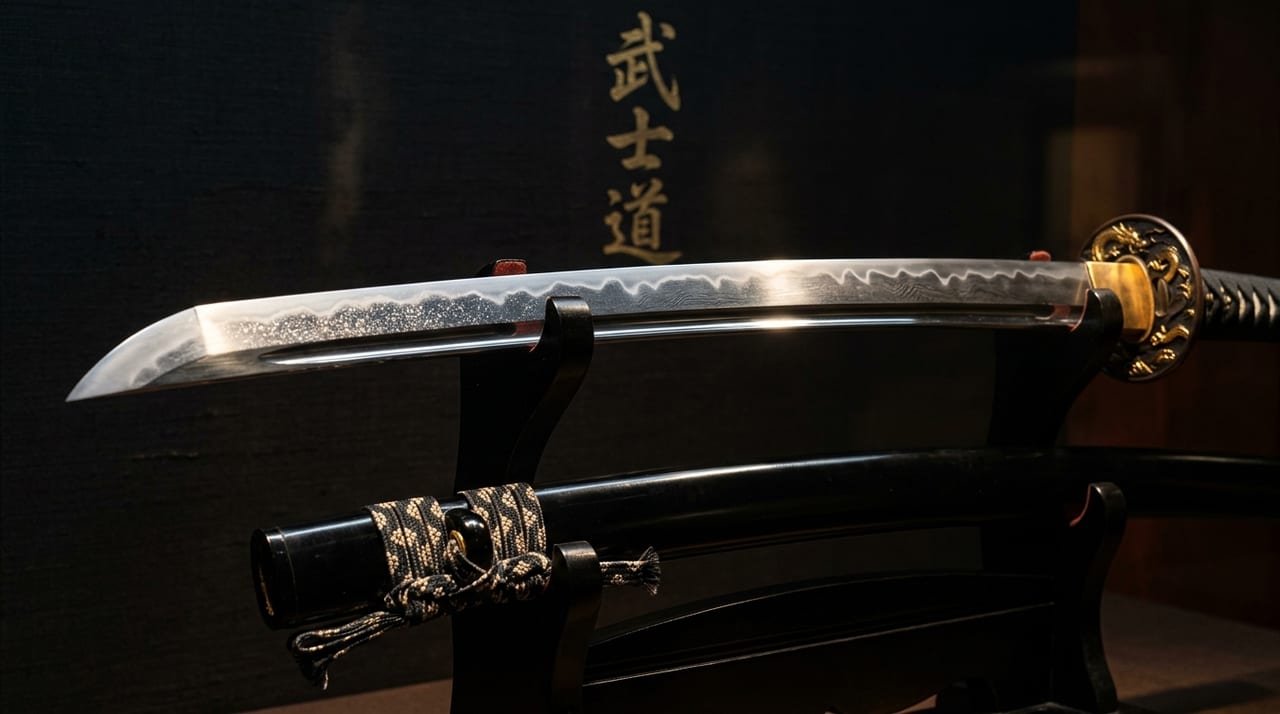
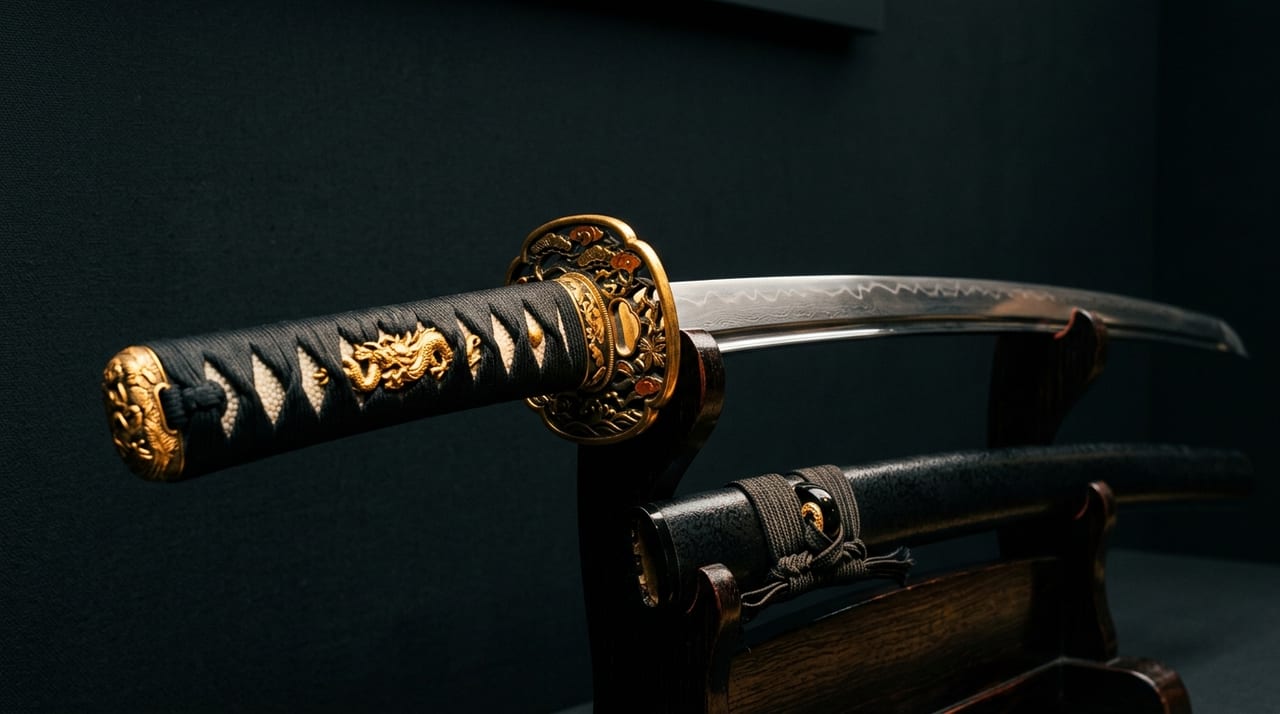
Koshirae is the term for the entire mounting of a Japanese sword. This article explains in detail the names and roles of each component — saya (scabbard), tsuka (hilt), tsuba (hand guard), fuchi-kashira, menuki, and more — as well as types such as uchigatana koshirae, tachi koshirae, and jintachi koshirae, and the artistic value of tōsōgu (sword fittings).
The earliest tsuba, born alongside the Japanese sword from the late Heian period through the Kamakura era. This article explains from historical and craft perspectives the process by which, starting from rugged iron discs that prioritized function over decoration, form and design became increasingly refined over time.
The kozuka and kōgai that accompany the koshirae of a Japanese sword are everyday tools of the samurai, yet they also represent a field that produced the finest masterworks of metalwork art. This article explains their history, structure, master craftsmen, methods of appreciation, and collecting value.
During the mid-to-late Edo period (18th–19th centuries), tsuba decoration reached its zenith with the emergence of distinctive figures such as the Nara metalworkers and Yokoya Sōmin. The Sword Abolishment Edict (Haitōrei) of 1876 then transformed tōsōgu culture profoundly, and tsuba underwent a complete transition from "appendages of weapons" to "purely fine art crafts."
What supported the demand for guntō in the Shōwa period was not only blade manufacturing but also the craftsman industry responsible for koshirae (the outer fittings including saya, tsuka, tsuba, and other components). This article examines the reality of craftsmen who mass-produced regulation koshirae, the maintenance of traditional techniques, and the transmission of skills into the postwar era.
The "mokkō-gata" — an oval with indentations at its four corners — is one of the most beloved basic tsuba shapes from the Muromachi period to the present day. This article explains the origins of the mokkō-gata, its variations across different schools, and its artistic significance, while introducing representative examples and how to appreciate them.
The Momoyama period (late 16th to early 17th centuries) brought revolutionary change to sword fittings, as warlords' desire for self-expression met new materials from Nanban trade. This article examines the Umetada school's emergence and the aesthetic significance of their exquisite metalwork tsuba.
Nanako punching creates uniform fields of tiny circular impressions across metal surfaces, producing a fish-roe-like ground texture that is one of the most distinctive background treatments in Japanese sword fitting art. This article explains the technique's principles, types, identification, and appreciation.
The exotic influence brought by the nanban trade of the 16th–17th centuries gave birth to a distinctive genre in the world of tōsōgu (sword fittings): the "nanban tsuba." This article explains the diverse forms and historical background of nanban tsuba, ranging from tsuba made from imported materials to tsuba engraved with exotic motifs and tsuba modeled after Western armor.
The upheaval of the Nanbokuchō period and the prolonged warfare of the Muromachi period explosively increased demand for tsuba (hand guards), giving rise to the specialized profession of tsuba-maker (tsubashi). This article explains how pierced sukashi designs such as the mokko and wheel forms developed, and how the Shōami school eventually emerged as a nationwide guild of tsuba-makers.
The three masters of Nara kinkō — Sugiura Jōi, Nara Toshinaga, and Tsuchiya Yasuchika — who were active in and around Nara in the mid-Edo period, elevated tōsōgu (sword fittings) to a form of individual artistic expression. This article examines in detail the styles and representative works of the three artists who opened a new horizon in the history of tōsōgu through their realistic carving and diverse use of materials.
The Shoami school spread across Japan from the late Muromachi period, developing distinct regional characteristics in each location. This guide explains the differences between Kyoto, Edo, Nagoya, Kaga, and Sendai Shoami branches and how to identify regional works.
An overview of sukashi, the representative decorative technique of the tsuba. Covers the difference between ji-sukashi and mon'yō-sukashi, types of motifs (geometric, natural, and auspicious patterns), the evolution of sukashi styles by period and school, and guidance on points of appreciation for sukashi tsuba.
An explanation of the various carving techniques that underpin tsuba decoration — kebori, katakiri-bori, maru-bori, takabori, and others — covering the principles, visual effects, and contexts of use for each, and providing identification points useful for appreciating actual tsuba.
The ground metals of tsuba — shakudo, shibuichi, gold, silver, and iron — each have distinctive chemical properties and visual characteristics. This article explains the composition, color, treatment, and aesthetic rationale for material choices across different schools and periods.
Zōgan is a decorative technique in which different materials are inlaid into the base metal of a tsuba, and it is one of the most refined forms of expression in Japanese tōsōgu. This article explains the principles, visual effects, and school-based distinctions of kome-zōgan, nunome-zōgan, and kirikane-zōgan, and provides a guide to appreciating inlaid tsuba.
The Umetada family of Momoyama-period Kyoto — simultaneously accomplished swordsmiths and sword fitting metalworkers — brought revolutionary change to Japanese sword fittings. This article examines Umetada Myōju and the school's distinctive carving, inlay techniques, and aesthetic legacy.
From the austere iron guards of the Koto period to the ornate fittings of the Edo era, this article explores the defining characteristics of major tsuba schools—Higo Kinko, Shoami-ha, and Umetada-ha—and guides readers into the art of appreciation and collecting.
Fuchi-kashira are among the most important tōsōgu (sword fittings), appreciated especially as a pair. This article explains in detail the unified beauty born from the matching of school, subject matter, and period, as well as the aesthetics of intentional mismatching.
Tsuka-maki is a traditional technique for Japanese swords that combines functionality with beauty. This article explains everything from how to choose materials to the types of wrapping styles and practical maintenance methods.
An introduction to the history of tsuba as tōsōgu (sword fittings), and the techniques of renowned metalworkers such as the Shōami school, the Gotō family, and Yokoya Sōmin.
Uchigatana koshirae, tachi koshirae, han-tachi koshirae. A guide to choosing koshirae that suits the type and period of your sword.