Sue-Soshu (Odawara Soshu) Swordsmiths: How the Soshu Tradition Continued in the Hojo Castle Town
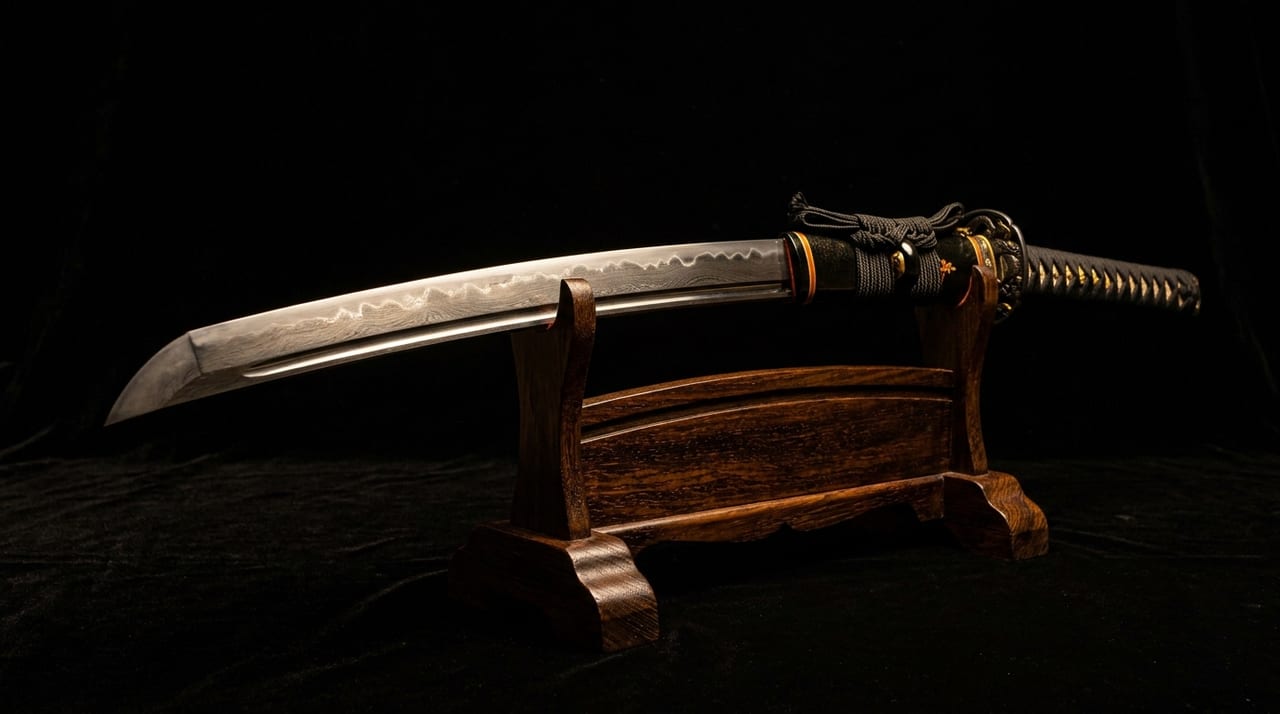 * Image is for illustrative purposes only.
Table of Contents
When one speaks of the Soshu tradition, the celebrated master smiths who flourished from Shintōgo Kunimitsu of Kamakura through Masamune, Sadatsuna, Hiromitsu, and Akihiro down to the Nanbokuchō period are the first to come to mind. However, the smiths of Soshu did not cease their work there. In the late Muromachi period, as the Hōjō, a regional daimyo of the Kantō, expanded their power from Odawara as their base, sword makers bearing the names of the Soshu tradition gathered in the castle town, forming a school known as "Sueshoshu" (late Soshu) or "Odawara Soshu." This article examines the positioning of this Sueshoshu, which tends to be overshadowed by celebrated blades, explores the characteristics of its style, and clarifies the demand that supported it.
What is Sueshoshu?
Sueshoshu is a collective term for the smiths of the Soshu tradition who worked in Sagami Province from the late Muromachi period through the Sengoku period. While the Soshu tradition from the late Kamakura period through the Nanbokuchō period is called "Soshu Koden" (the old Soshu tradition), this term distinguishes the Sengoku-period lineage that flourished in Odawara.
Among the representative smiths are Nagasone Tsunahiro and Yasukuni. Nagasone Tsunahiro was the son of Shimada Yoshisuke, initially named Masahiro. He was summoned by Hōjō Ujitsuna and forged blades in Odawara, and it is said that he took the name Tsunahiro after receiving the character "tsuna" from Ujitsuna. Yasukuni likewise is said to have taken his name in reference to the character "yasu" from Hōjō Ujiyasu. Both cases exemplify the bestowal of a character from the lord's name, demonstrating the strong bond between the ruling daimyo and the smiths.
The line of Nagasone Tsunahiro is said to have continued, maintaining the name through successive generations, until the Bakumatsu period. Unlike many Sengoku-period smiths who disappeared after a single generation, the continuity of this line of succession suggests that a lasting foundation for Soshu smithing had taken root in Odawara.
Why Blades Were Demanded in the Hōjō Castle Town
The Kantō region experienced prolonged warfare from the Kyōtoku Disturbance onward during the Sengoku period. The following articles provide further insight into the demand structure:
- The Kyōtoku Disturbance and Blade Culture: How 28 Years of Kantō Warfare Nurtured Regional Smiths and Created Demand for Mass-Produced Swords
- Sengoku-Period Swordsmiths: The Reality of Smiths Living Between Mass Production and Elite Craft, with Representative Masters
The Hōjō needed to organize their retainers and maintain a vast territorial domain; the procurement of arms was part of domain administration. By maintaining smiths in the castle town, they could ensure a steady supply of swords and spears for their troops. On the other hand, the blades commissioned for use by the lord and senior retainers required the skill of smiths bearing the names of the Soshu tradition. In other words, Sueshoshu smiths are understood to have occupied a position that served both practical mass production and the creation of prestigious individual blades.
Understanding the Style
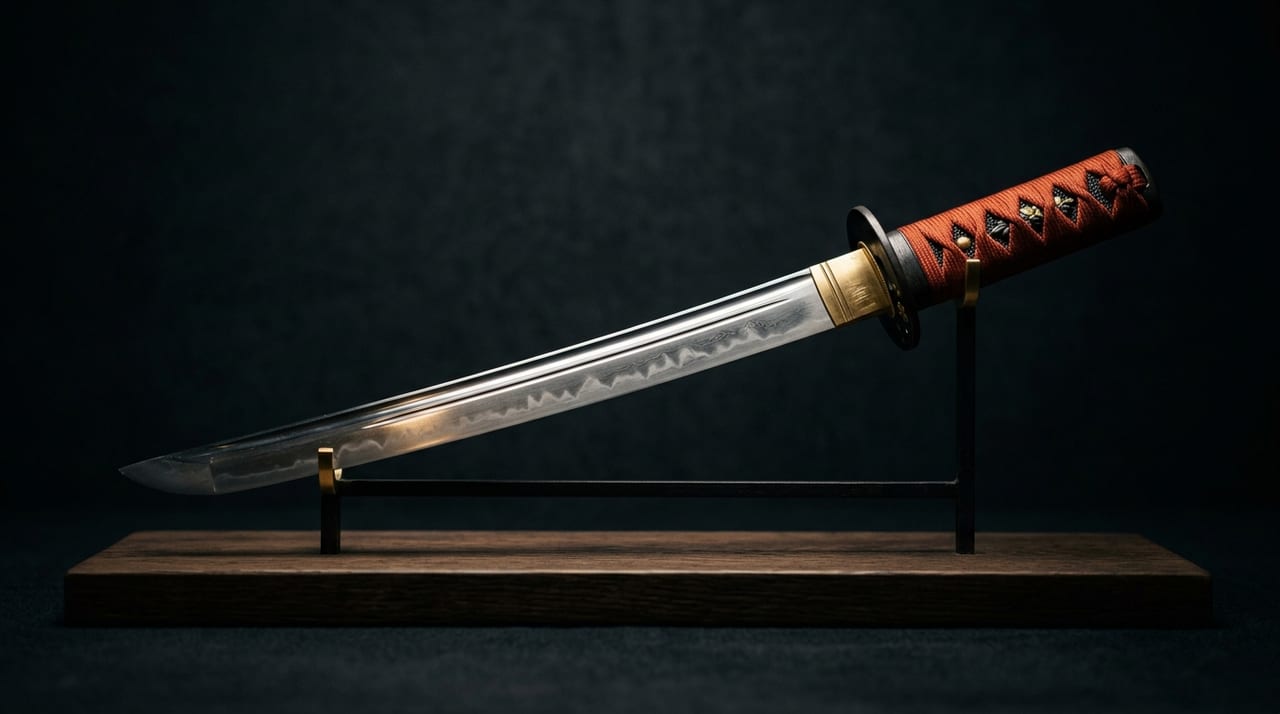
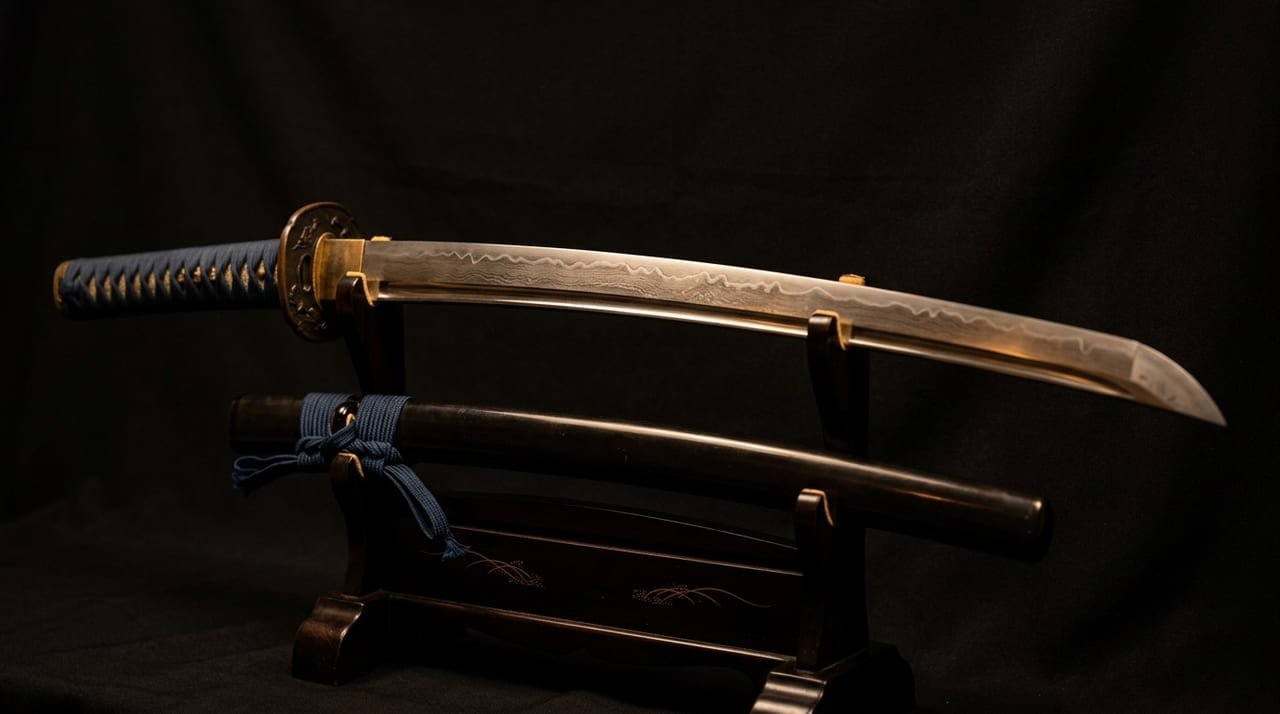
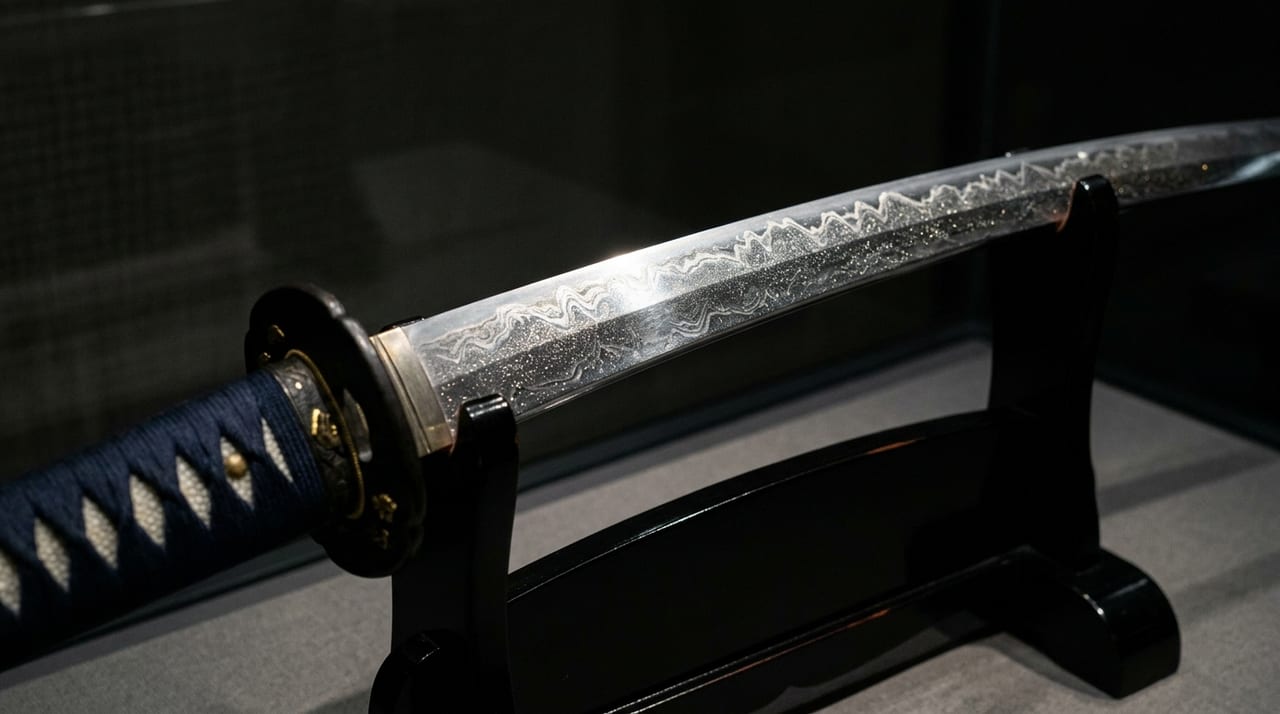
The blades of Nagasone Tsunahiro show a well-forged itame grain pattern with a lustrous surface enriched by abundant ji-nie. The hamon consists primarily of gunome mixed with wavy patterns, displaying bright, well-formed nie that imparts a powerful appearance. When appreciating these blades, the points to observe are as follows:
- Does the jigane combine itame with flowing grain, and does it possess ji-nie that gives the surface a lustrous quality?
- Does the hamon combine gunome with wavy patterns, and are the nie particles bright?
- Is the form not the robust shape of the Nanbokuchō period, but rather the practical construction of width and depth characteristic of the Sengoku period?
- Do the signature and attribution contradict the records of transmission or existing signed works?
If one expects the keen brilliance of the jigane and hamon seen in blades of Masamune or Hiromitsu from the Nanbokuchō period, Sueshoshu work may appear unadorned. However, this difference reflects the demands of the era, and the true appreciation of Sueshoshu lies in discerning the strength of blades that saw use on the battlefield.
The Hōjō and Soshu Smiths as Seen in the Transmission of Celebrated Blades
The Hōjō treated blades not merely as consumable items, but also as treasures that demonstrated the status of their house. For example, Onimaru Kunitsuna, one of the Five Swords Under Heaven, is known to have passed through the Hōjō house.
Similarly, the National Treasure tachi Nikkō Ichimonji is said to have been a treasured heirloom of the Odawara Hōjō house and was allegedly presented to Kuroda Jōsui at the time of the Siege of Odawara. The fact that smiths bearing the names of the Soshu tradition worked in the castle town of a house that possessed such celebrated blades is a crucial consideration in understanding the blade culture of the Hōjō domain.
When the Hōjō were destroyed by the Siege of Odawara, the environment for smithing in the castle town underwent significant change. Yet the continuance of the Nagasone line demonstrates that the name of Soshu functioned as a brand in its own right, independent of the patronage of a feudal lord.
Reading Through the Soshu Tradition
Understanding Sueshoshu reveals that the history of the Soshu tradition is not a narrative ending in the Kamakura and Nanbokuchō periods, but rather a continuous lineage extending from the Sengoku period into the Edo period. The following article provides a comprehensive overview of the Soshu tradition:
TOUKENZA is a site where one can browse and purchase Japanese swords through an online catalog. It is worthwhile to direct one's attention not only to Sueshoshu but also to works left by regional smiths. Questions can be addressed through the inquiry form.