Sōshū Yukimitsu and the Establishment of the Sōshū Tradition — Master Swordsmiths' Lineage from the Late Kamakura Period to the Present
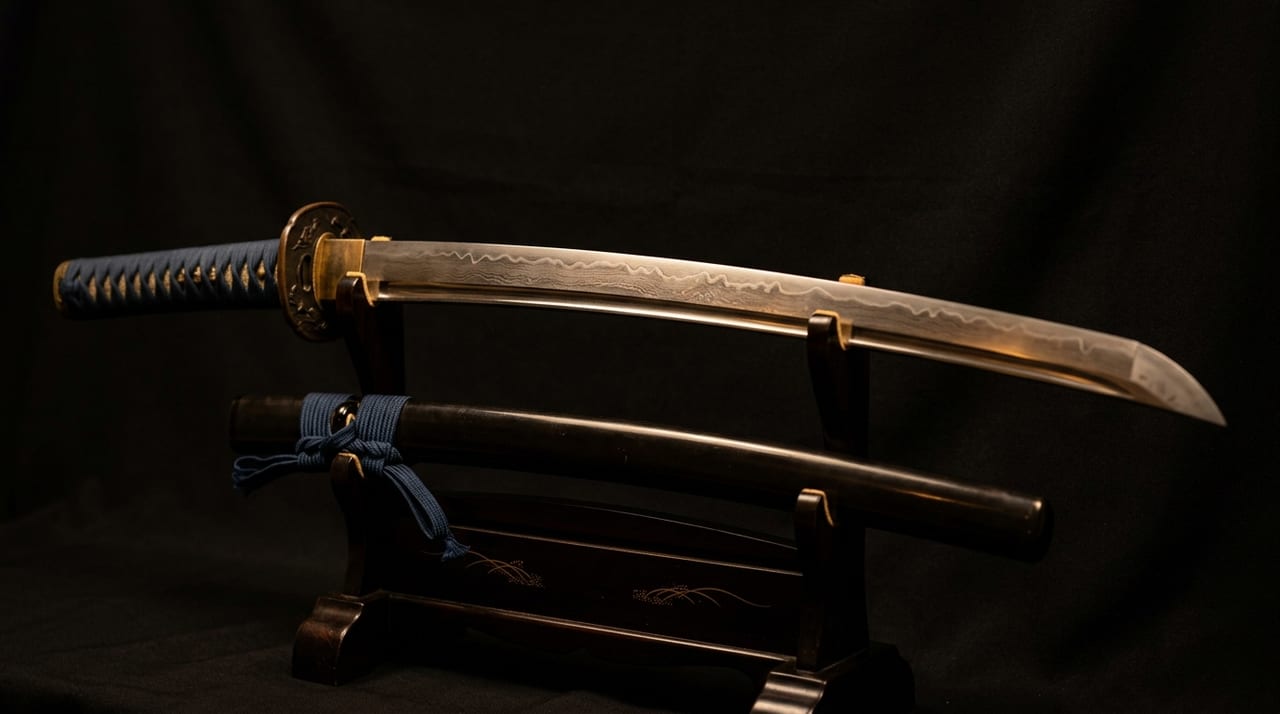 * Image is for illustrative purposes only.
Table of Contents
Life and Achievements of Soshu Yukimitsu
Soshu Yukimitsu was a sword maker who was active in Sagami Province during the late Kamakura period (late 13th century). He belonged to a lineage of craftsmen who had migrated from Bizen Province to Sagami, and is known as the founder of Soshu swords. Yukimitsu's swords are characterized by a distinctive beauty that fused the boldness of the Bizen tradition with the iron quality of the Sagami region. His sword-making technique became known as the "Soshu tradition" and exerted a major influence on subsequent Japanese sword production. In particular, the notare blade pattern and the form that gradually narrows toward the spine are distinctive characteristics unique to Yukimitsu.
There are very few surviving works known to be by Yukimitsu, and verification as a cultural property is often difficult. However, there are swords that experts in sword appraisal have identified as works of Soshu Yukimitsu based on their signatures and the distinctive techniques of the craftsman. These works have become extremely important materials for understanding the history of Japanese swords.
Historical Background of the Soshu Tradition's Establishment
From the late Kamakura period through the Northern and Southern Courts period, Japanese sword-making technology underwent rapid evolution. During this period, sword-making communities in different regions established their own techniques and formed schools called "traditions." The Soshu tradition was one of these, becoming one of the Five Schools alongside the Bizen, Yamashiro, Yamato, and Mino traditions. The characteristics of the Soshu tradition were established through the high-quality iron ore of Sagami Province and the technical innovations of pioneers such as Yukimitsu.
In Yukimitsu's time, the functionality of swords was extremely emphasized. As a tool that samurai actually used in battle, the quality of a sword was directly connected to a warrior's life. Therefore, achieving a balance between hardness that resisted chipping and toughness that resisted breaking was the most crucial challenge. Yukimitsu and the Soshu tradition confronted this challenge directly and established advanced techniques.
Technical Characteristics of the Soshu Tradition
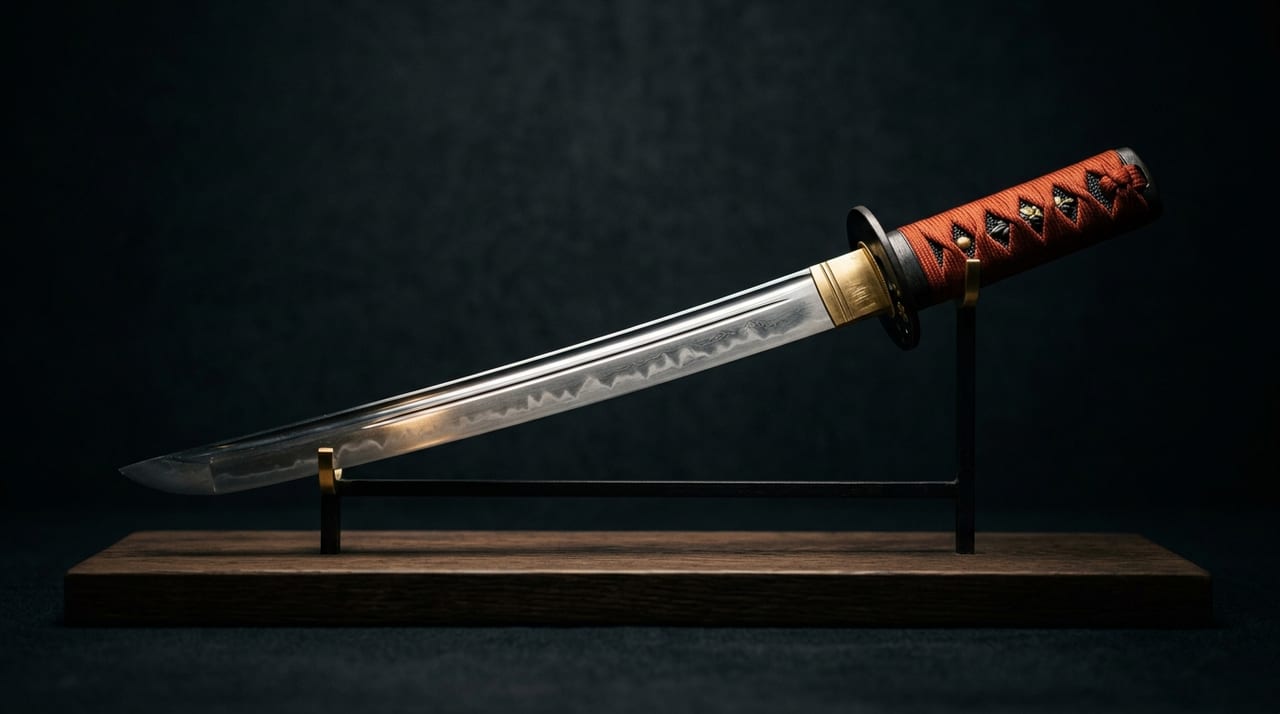
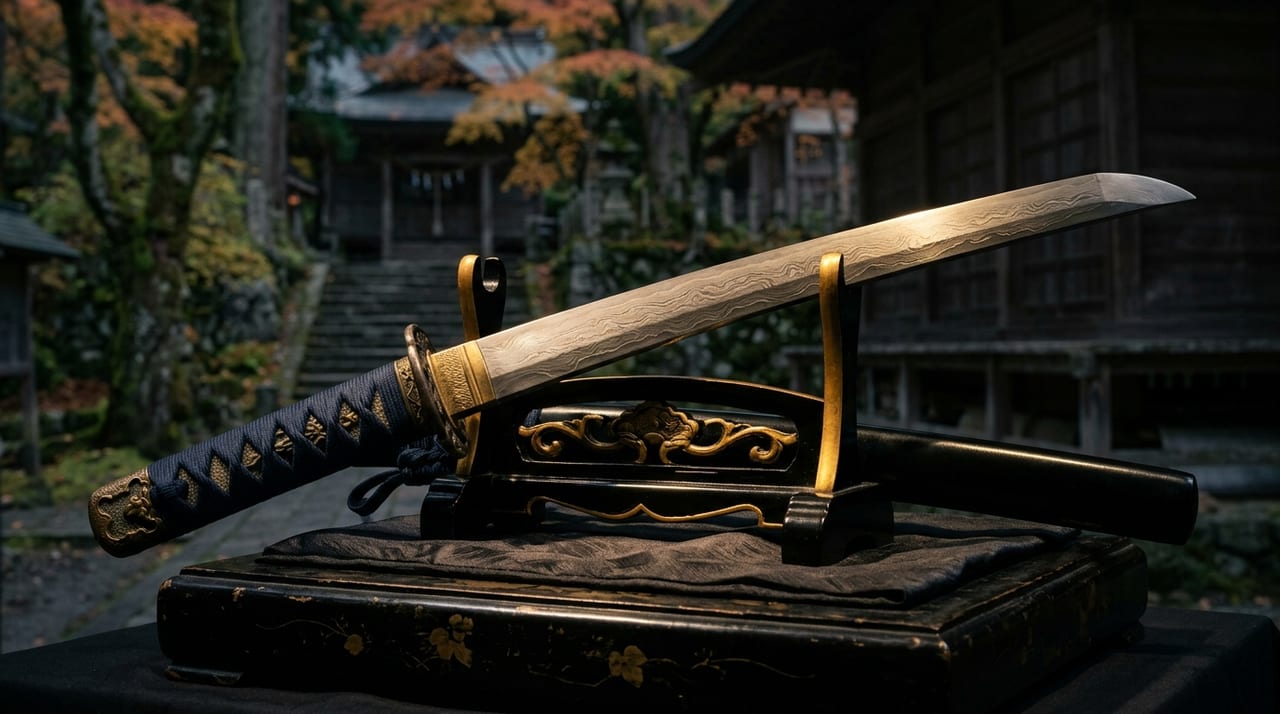
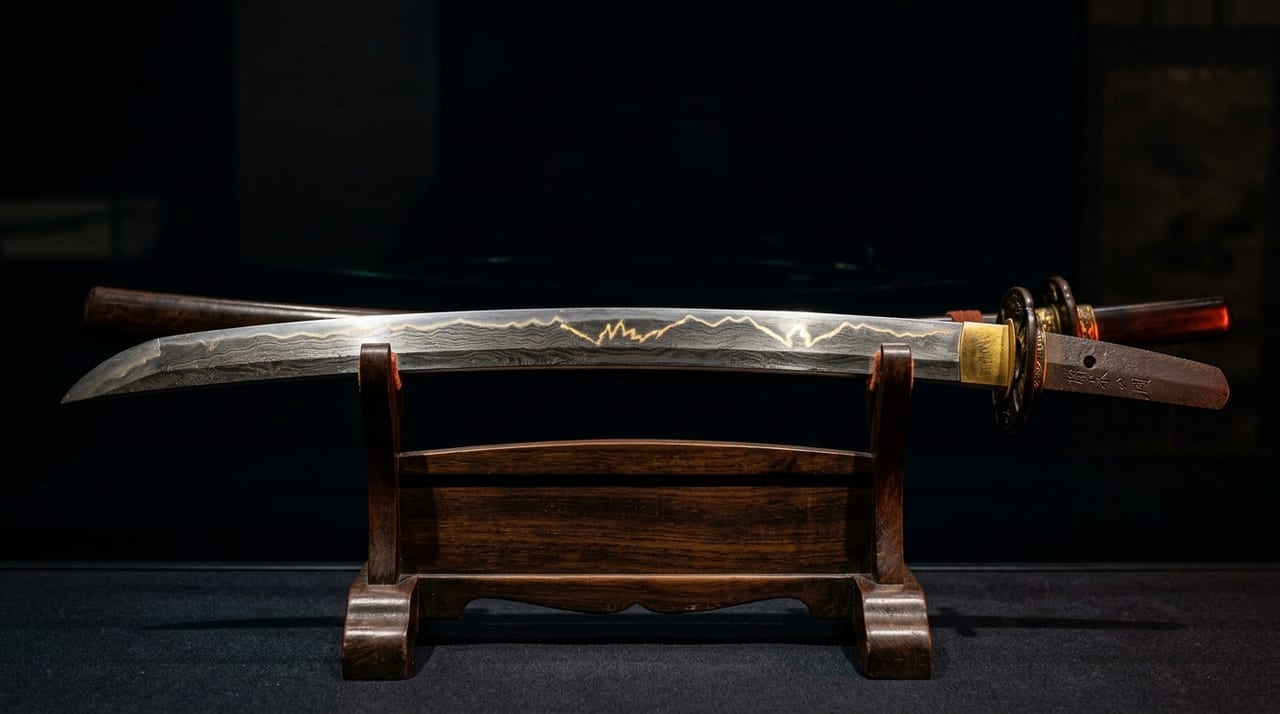
Soshu swords are characterized by distinctive blade patterns. The blade pattern called notare, with its undulating appearance, is both beautiful and highly practical. This is produced through a combination of the quality of iron from Sagami Province and special hardening techniques. The disciples and successors of Yukimitsu inherited and further developed this technique.
The Soshu tradition is also distinctive in the form of its swords. They frequently display forging patterns called "kikuchi hada" — a broad width that gradually narrows toward the point. This is an important characteristic showing the style of Sagami Province. Soshu sword makers conducted precise technical development to achieve both beauty and practicality. The fineness and complexity of the blade pattern became an important indicator of the craftsman's technical level and were transmitted to later generations as a characteristic of the Soshu tradition.
Inheritance and Development of the Soshu Tradition
After Soshu Yukimitsu, his lineage was inherited by many sword makers. In particular, among the prominent sword makers who learned the techniques of the Soshu tradition and developed their own styles were the following:
- Tsunahiro
- Echizen Yasushige
- Taikei Naotane
From the Northern and Southern Courts period through the Muromachi period, the Soshu tradition spread throughout Japan, and sword makers in many regions were influenced by it.
The strength of the Soshu tradition lay in its combination of advanced technique and beauty. It was able to produce swords with high artistic value while maintaining their practicality in battle. This is considered one of the reasons why the Soshu tradition flourished for such a long period compared to other traditions. The Soshu tradition beginning with Yukimitsu was not merely a passing trend but a fundamental innovation in Japanese sword making.
Position of the Soshu Tradition Among the Five Schools
The Five Schools discussed as major traditions of Japanese swords are Bizen, Yamashiro, Yamato, Mino, and Soshu. Each tradition was shaped by regional characteristics, the quality of iron, and the technical preferences of sword-making communities.
- Bizen tradition: characterized by boldness and strength
- Yamashiro tradition: tends to pursue elegance
- Soshu tradition: a unique tradition that integrated these other traditions and achieved both practicality and artistry at the highest level
Soshu swords received the highest evaluation not only from the samurai class but also from sword makers themselves. Due to the high technical difficulty and high level of completion, learning the Soshu tradition became an important practice for all sword makers.
Re-evaluation of the Soshu Tradition in Modern Times
From the Edo period onward, as the demand for swords as weapons decreased, the number of sword makers also declined. However, the techniques of the Soshu tradition were highly valued as part of Japan's traditional culture and continue to be researched and passed down by contemporary sword makers. Even after the Meiji-era Edict to Remove Swords, sword makers worked to preserve traditional techniques with the understanding that "swords are Japan's culture."
Among contemporary sword makers, there are artisans who are aware of their connection to the Soshu lineage and practice its techniques. They transmit the tradition continuing from Yukimitsu to the modern era while utilizing historical materials and the knowledge of experts.
Soshu Yukimitsu and Transmission to the Modern Era
Soshu Yukimitsu was a person who established new sword-making techniques at a historical turning point in the late Kamakura period. The Soshu tradition he created became the standard for Japanese sword production for over 700 years afterward and continues to influence many sword makers. His achievement was not merely the result of individual talent, but a fusion of the demands of the era and the resources of the region.
Soshu swords continue to be evaluated to this day as the pinnacle of Japanese swords that possess both practicality and beauty. Yukimitsu's style became a classic for later sword makers to learn from, and contemporary sword craftsmen continue to learn much from his techniques. In Toukenza's online catalog, you can view and purchase swords with such historical backgrounds along with detailed explanations. By gaining a deep understanding of the world of the Soshu tradition, you will be able to more fully appreciate the cultural value of Japanese swords and the craftsmanship of the artisans.