New Arrivals — Browse our catalog for the latest authentic Japanese sword arrivals. Browse →
Insights into Japanese sword knowledge and culture
This article organizes the methods and reference points for measuring nagasa, sori, motohaba, sakihaba, kasane, and weight, and explains how to combine these figures to read a sword's period, intended use, and condition.
This article traces how shintō-period tōkō moved from the production-center focus of the kotō period to a castle-town and major-city focus, organizing the discussion around the lineages of Kyoto, Osaka, Edo, Hizen, and other regions, as well as the conditions that shaped workshop locations.
How far can the tachi depicted in the Heike Monogatari and the Taiheiki be used as historical fact? We compare narrative patterns with actual tachi and lay out the steps for drawing on them in sword history.
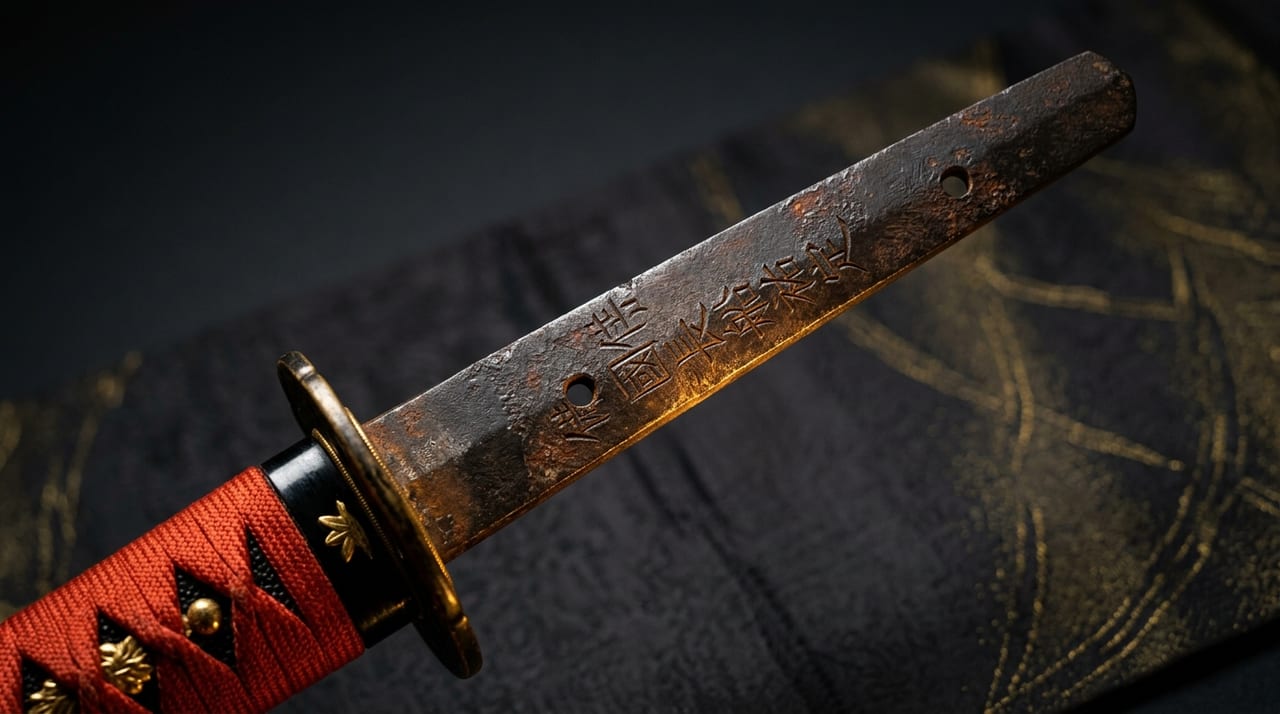
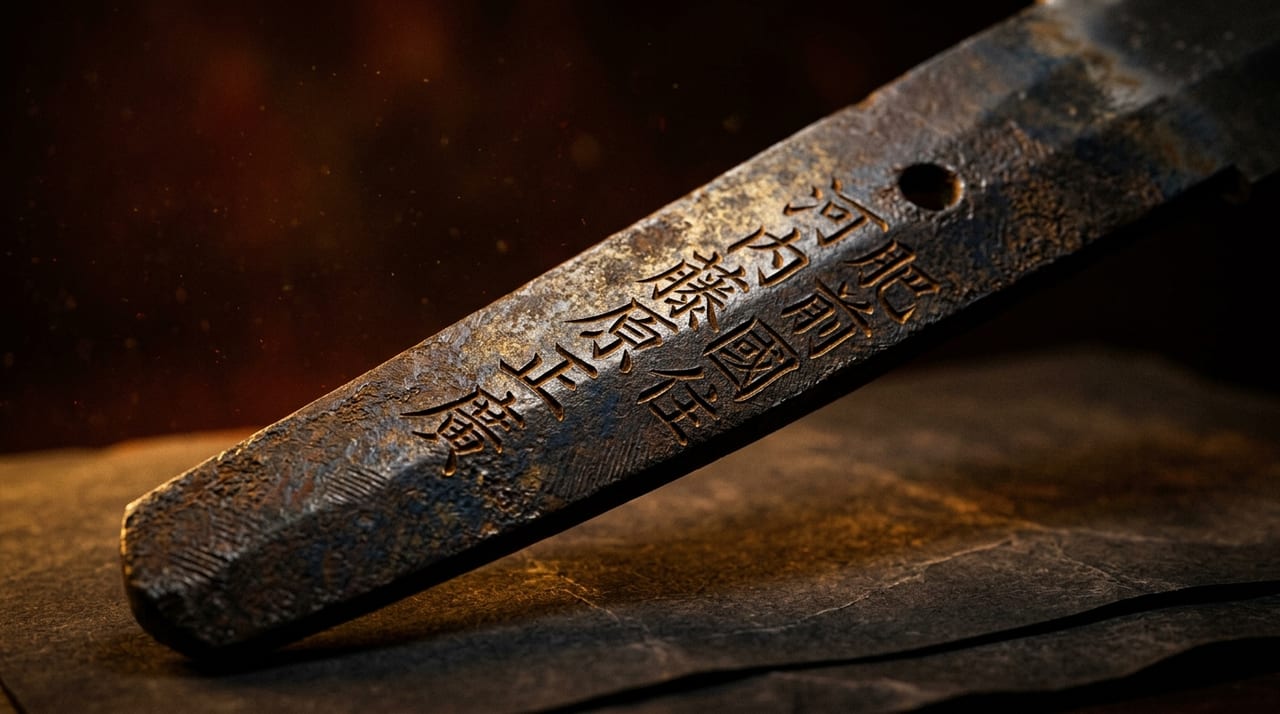
The two-character mei that inscribes the tōkō's name concisely, and the long mei that includes dates and place of residence. This article covers the difference in position between tachi mei and katana mei, and the fate of mei after suriage.
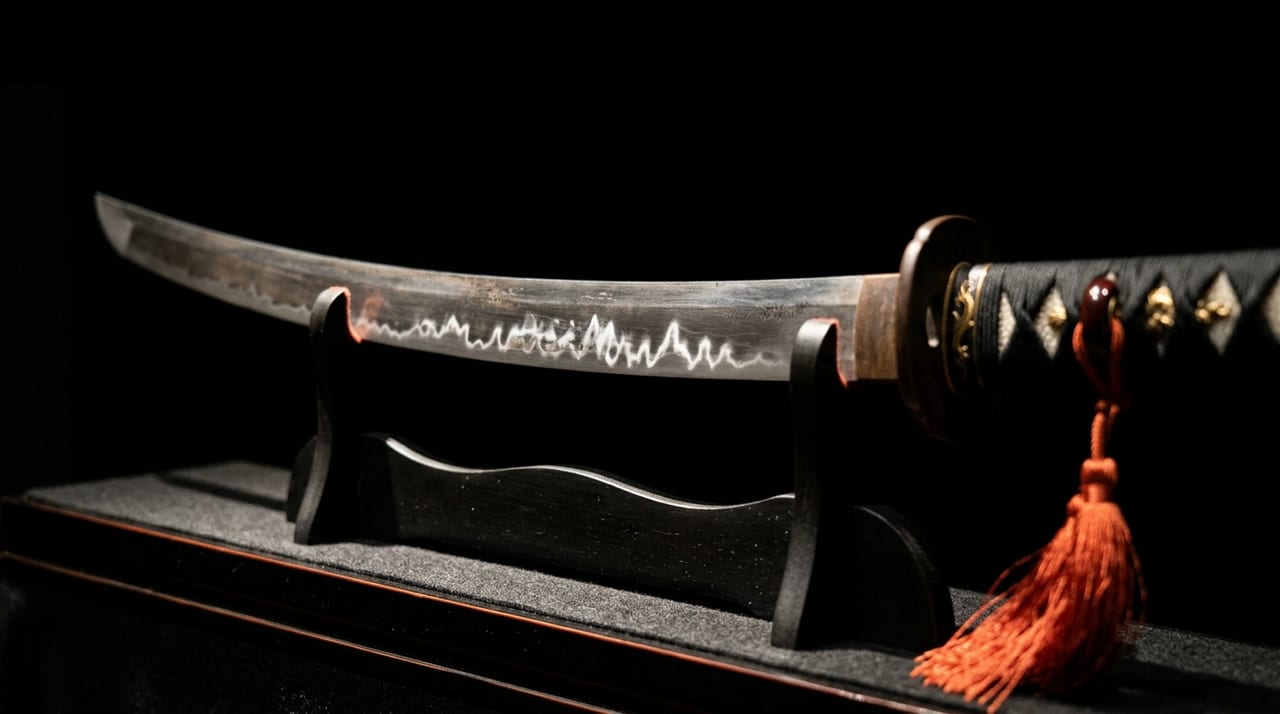
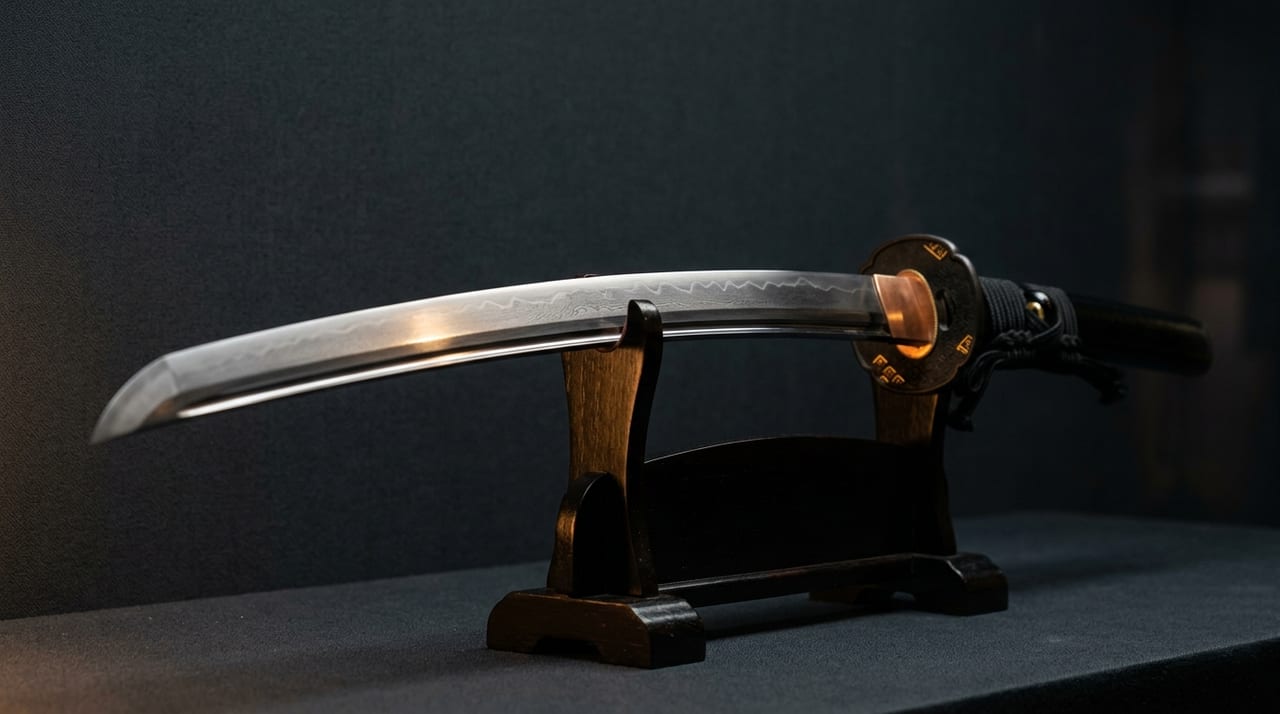
Yaki-haba, which describes the width of a hamon, and yakidashi, which describes how the hamon rises near the hamachi. This article explains these two elements — determined by the placement of yakiba-tsuchi — together with guidance on how to view them.
This article explains the meaning and reading of zuryō names such as Mutsu-no-kami and Echizen-no-kami that appear in tōkō mei, the perspective of inferring production periods from changes in the mei, and how to approach gimei.
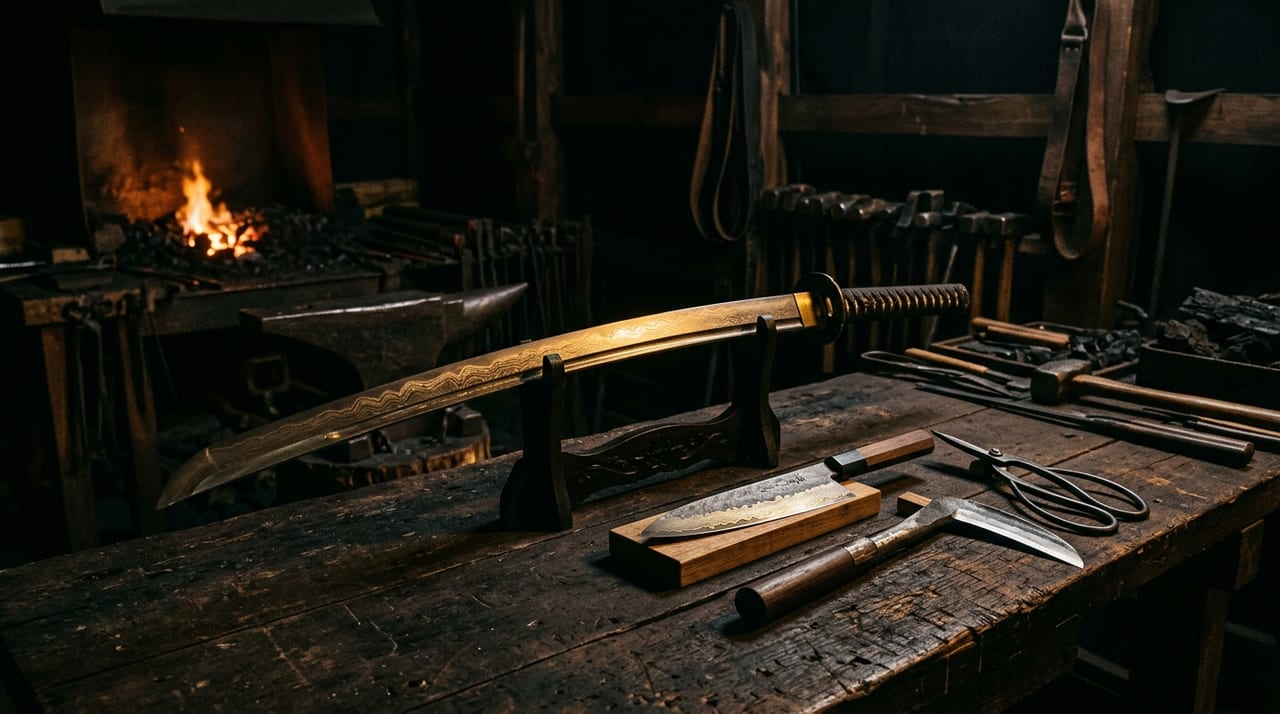
This article explains how tōkō who lost demand for swords due to the Sword Abolishment Edict (Haitōrei) of 1876 leveraged their forging skills to transition to kitchen knife smithing, agricultural tool smithing, and scissors smithing, with examples such as the transformation of Seki City into a cutlery production area.
An overview of sword culture in Etchū Province and the Noto and Kaga regions, the institutional structure of regional schools including goyō kaji (official smiths) and fuchi (stipends), and historical patterns of tōkō migration observed after the Battle of Sekigahara.
Why are swords counted as "ichi-furi," "hito-kuchi," and "hito-koshi"? This article draws on etymological theories from dictionaries and real examples from cultural property designation names to organize the appropriate use for each context.
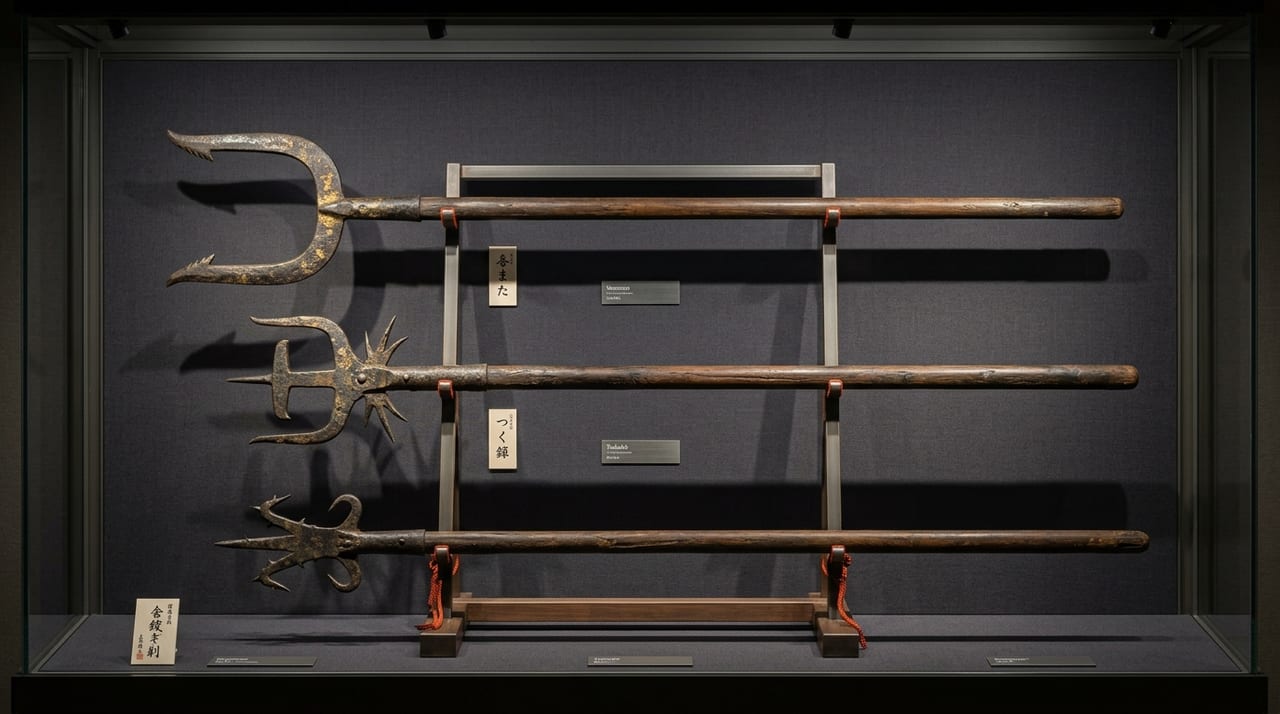
An explanation of the structure and use of the mitsu dōgu (sasumata, tsukubō, and sodegarami) used by the Edo city police to subdue sword-bearing opponents without injury, along with their relationship to the jitte and sword culture.
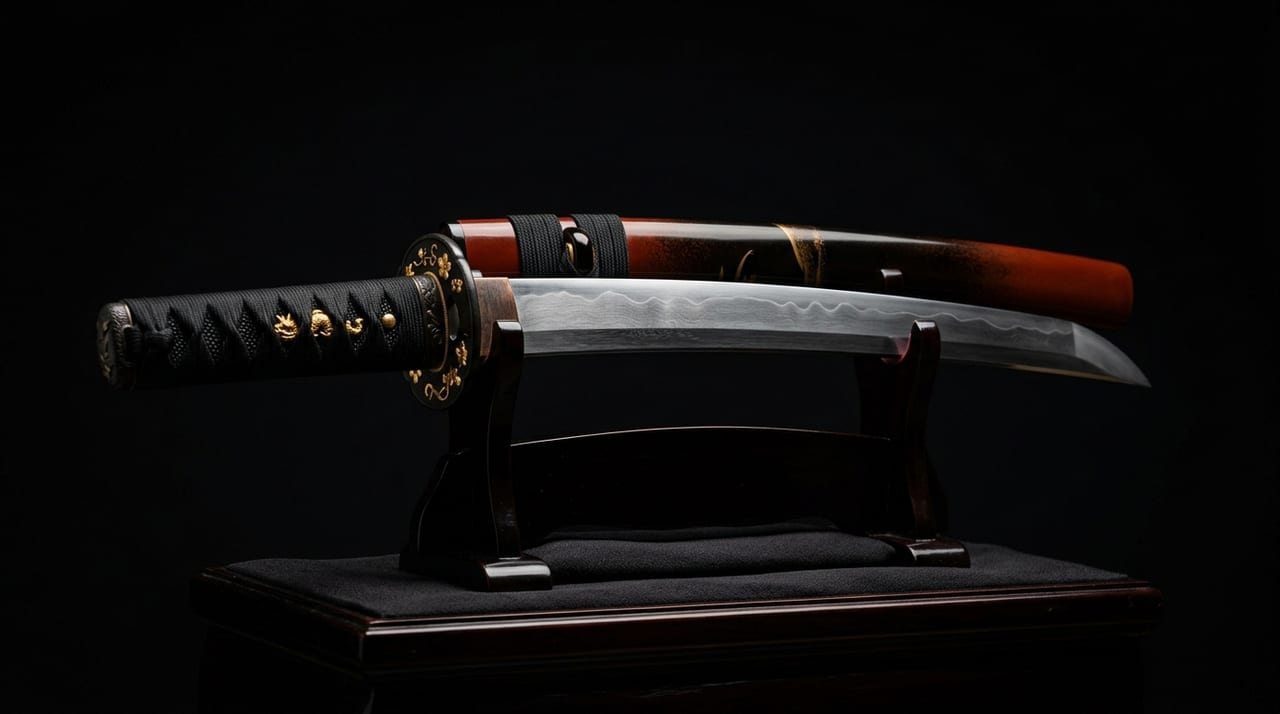
A practical guide organizing the key criteria for acquiring a tantō, covering purpose, form and construction, jigane and hamon, condition, mei and accompanying documents, and budget, in that order.
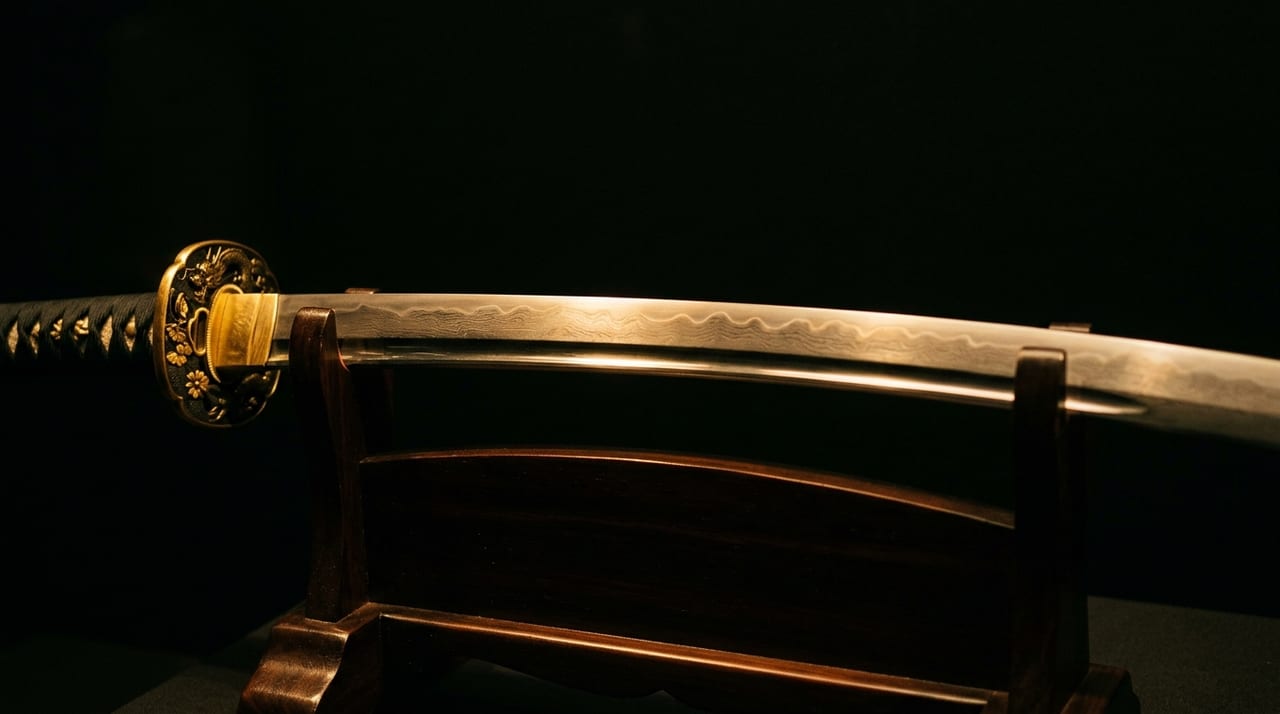
Measuring and Evaluating Sword Dimensions: Reading Quality from Nagasa, Sori, and Weight
Swordsmith Lineages and Regional Distribution in the Shintō Period——Schools and Workshop Locations Reorganized under the Edo System
Can War Tales Serve as Sword Historical Sources? — The Gap Between Tachi Depictions in the Heike Monogatari and Taiheiki and Actual Swords
Two-Character Mei and Long Mei — How to Read Mei as It Changes with Format, Position, and Suriage
How to Read Yaki-haba and Yakidashi — An Entry Point for Decoding Hamon Design