New Arrivals — Browse our catalog for the latest authentic Japanese sword arrivals. Browse →
Insights into Japanese sword knowledge and culture
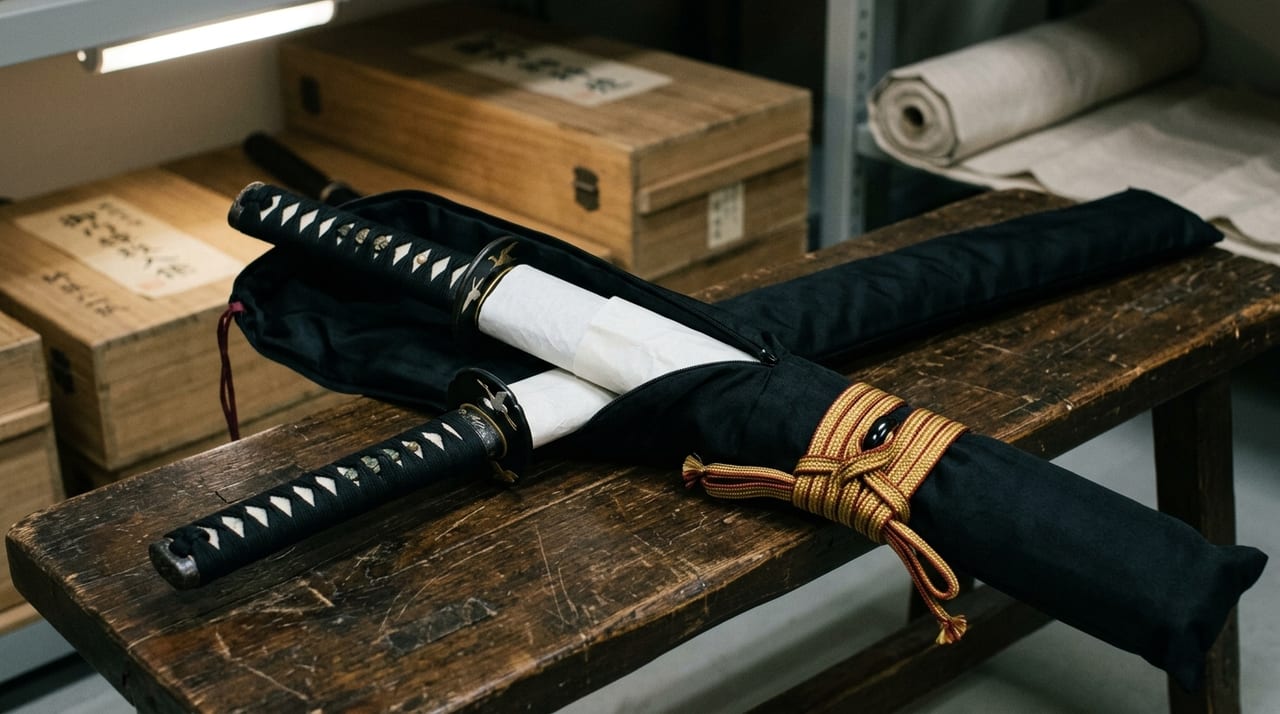
This article organizes the key points on blade-carrying regulations, wrapping methods, and what to confirm with shipping carriers when transporting a nihontō within Japan.
This article examines Japanese swords and Western swords across four axes: form, materials and forging, how they are worn, and appreciation culture.
This article explains the typical methods used by fake shopping sites, fake SNS accounts, and phishing emails targeting nihontō as high-value art objects, along with the checkpoints to verify before making a purchase.
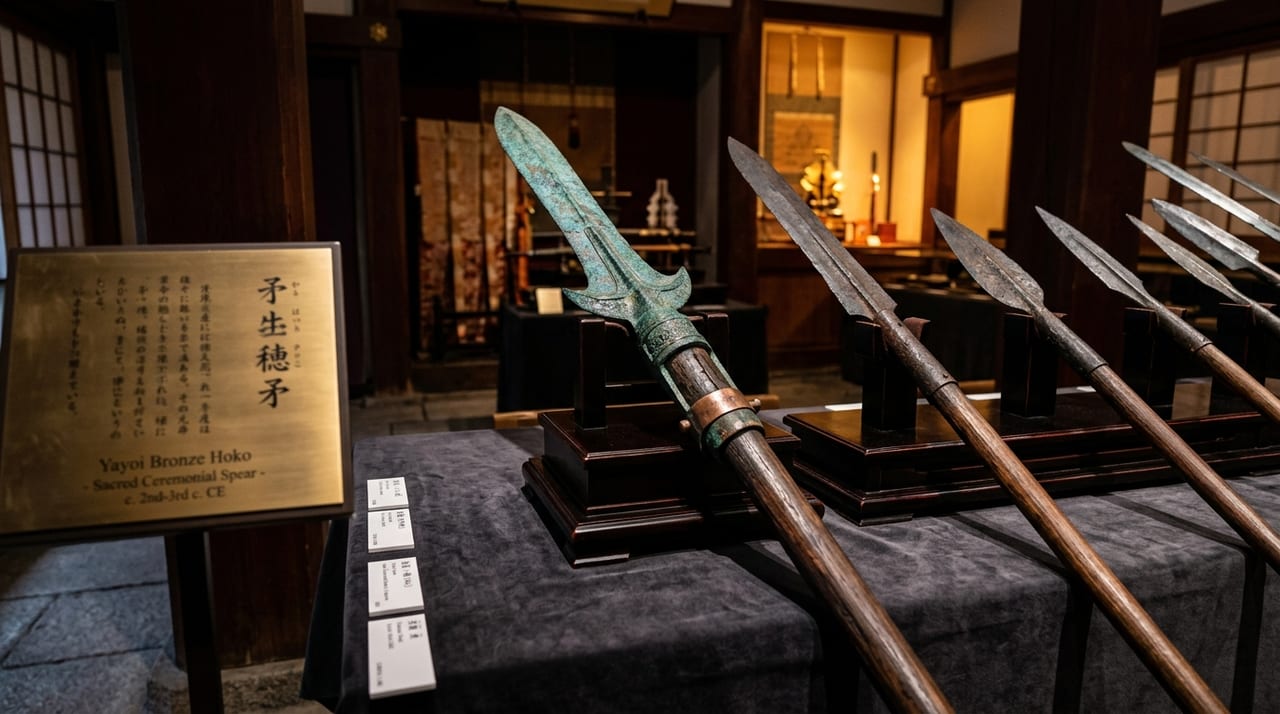
Hoko is a double-edged pole weapon fixed to the tsuka via a fukuroho, and is a precursor to yari and naginata. This article organizes the spellings of hoko, the difference from yari, and the history from Yayoi-era bronze hoko to the Naginataboko of the Gion Festival.
How did the "gō" attached to famous swords such as Mikazuki Munechika, Onimaru Kunitsuna, Heshikiri Hasebe, and Yagen Tōshirō come about? This article explains the difference between gō and mei, and the naming patterns based on appearance, anecdotes, religious associations, and everyday objects.
The training system for nihontō craftsmen began with the Edo-period apprenticeship system, was disrupted by the Sword Abolishment Edict (Haitōrei) and the prohibition on sword-making during the occupation, and eventually transformed into the postwar sword-making approval system. Tracing this historical evolution, this article examines the realities of modern disciple training and the structural background of the deepening shortage of successors.
This article examines the differences in forging techniques between kotō and shintō, tracing the historical and economic context of the reorganization of iron distribution following national unification and the concentration of tōkō (swordsmiths) in castle towns.
For purchasing nihontō, which span a wide price range from hundreds of thousands to tens of millions of yen, this article organizes the commonly considered payment options — including credit card installments, bank loans, and buy-now-pay-later services — along with the key points to verify.
A clash in newly opened Kobe between Bizen Domain troops and foreign residents. An account of the circumstances leading to Taki Zenzaburō's seppuku and the diplomatic ordeal that confronted the newly established Meiji government.
Measuring and Evaluating Blade Dimensions: Judging Quality from Length, Curvature and Weight
Shinto-Period Swordsmith Lineages and Regional Distribution: Schools and Workshop Locations Reorganized under the Edo System
Can War Tales Serve as Sword Historical Sources? — The Gap Between Tachi Depictions in the Heike Monogatari and Taiheiki and Actual Swords
Two-Character Mei and Long Mei — How to Read Mei as It Changes with Format, Position, and Suriage
How to Read Yaki-haba and Yakidashi — An Entry Point for Decoding Hamon Design