A Guide to Installment Payments and Loans for Buying a Japanese Sword: Planning Your Budget for a High-Value Purchase
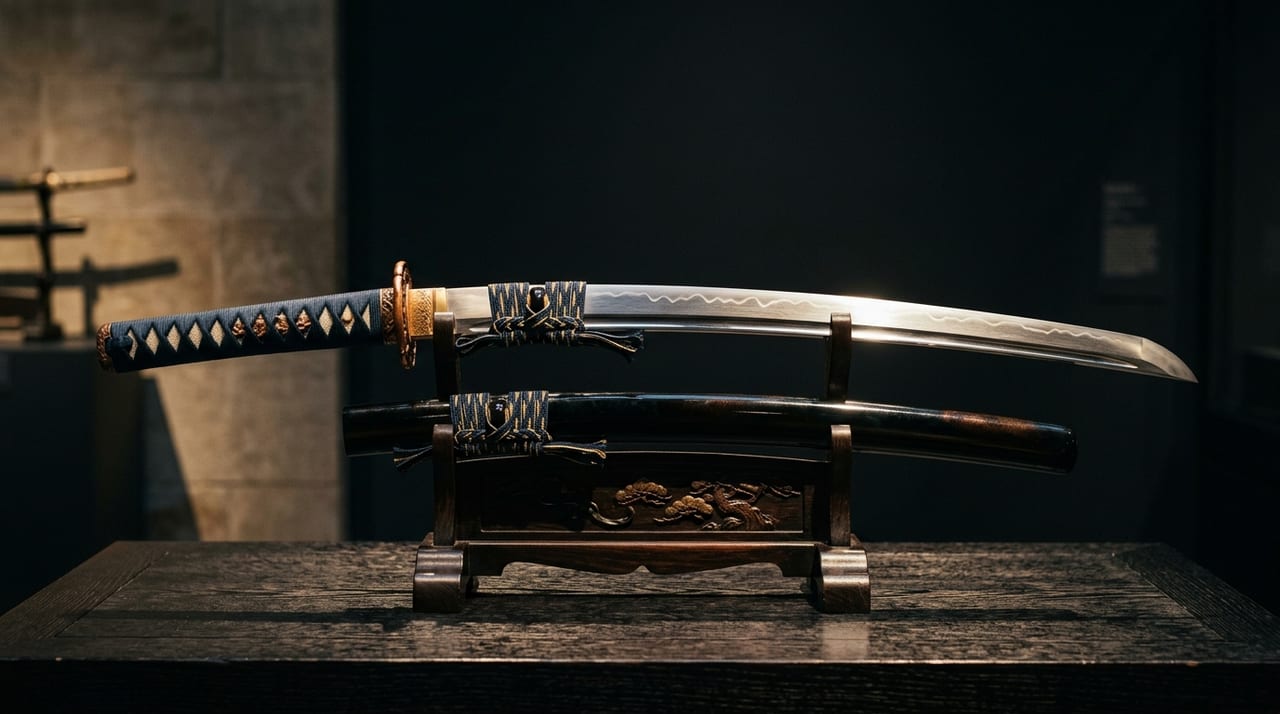 * Image is for illustrative purposes only.
Table of Contents
Guide to Japanese Sword Purchase Financing and Loan Options — How to Plan Funding for High-Value Blades
Japanese swords range widely in price, from practical-use blades in the tens of thousands of yen to fine art pieces by renowned smiths priced at several million to sometimes exceeding ten million yen. In particular, as certification grades rise — from regular preservation blades to special preservation and important swords — prices tend to jump dramatically, and many prospective buyers find it difficult to prepare a large lump sum. Here we organize the payment method options commonly considered when purchasing high-value items, along with the characteristics and precautions for each.
Basic Concepts of Japanese Sword Pricing and Funding Planning
The price of a Japanese sword is determined by multiple factors: era, the smith's reputation, condition, presence of certification papers, and the state of accompanying fittings and scabbard. While funding for swords in the several hundred thousand yen range is relatively easy to prepare as a lump sum, for signed blades by renowned smiths or pieces with high-grade certifications, funding planning itself becomes a critical factor determining whether purchase is possible. First, identify which price range you are considering, then determine whether lump-sum purchase is feasible or whether a combination of installment payment methods is necessary. This assessment becomes the starting point for a realistic purchasing plan.
Credit Card Installment and Revolving Payment Options
One of the most accessible options is credit card installment or revolving payment. Many card companies offer services allowing you to specify the number of installment periods for transactions above a certain amount, enabling you to keep monthly payments manageable. However, when using multiple installments or revolving payment, fees (effectively interest rates) are charged based on the amount used — this requires careful attention. Fee rates vary by card company and plan, and as the number of installments increases, the total amount paid tends to grow. Before purchasing a high-value item, it is essential to review the installment fee simulation provided by your card company and specifically understand the final total payment.
Points to Consider When Using Bank Free Loans or Purpose-Specific Loans
While dedicated loans explicitly for fine art or antique purchases are limited, free loans offered by banks and credit unions — which permit any use — are sometimes applied to art purchases. Free loans typically feature lower interest rates than card loans, but they also require more time for approval and have fixed interest rates determined by borrowing amount. Before signing a contract, it is important to confirm the real burden beyond the stated interest rate, including supplementary costs such as guarantee fees and administrative charges, and to establish a repayment plan within reasonable means.
The Position of Recently Expanding Buy Now Pay Later (BNPL) Services
In recent years, "buy now pay later" and "BNPL" services have become increasingly common, particularly in online shopping. These services feature simplified approval processes and seamless online completion; however, they typically have transaction limits set per service, and for high-value art purchases, these limits may become a barrier. When considering use, you must confirm in advance whether your planned purchase amount falls within the service limit and understand the fee structure.
Key Points to Verify When Considering Installment Purchases
When selecting a payment method, it is advisable to compare not only the monthly payment amount but also the following factors comprehensively:
- Total payment amount (the sum of the principal plus fees and interest incurred)
- Balance between the number of installments and monthly repayment burden
- Whether early termination or prepayment is possible, and associated fees
- Time required for approval and how this aligns with your desired purchase timing
- Whether payment method affects the timing of ownership transfer
In particular, for Japanese swords as fine art, ownership should ideally become clear immediately after purchase, so it is important to confirm in advance how installment arrangements affect ownership and delivery terms.
Preparations to Make Before Purchase
Alongside financial planning, it is also valuable to organize information about the specific Japanese sword you are considering. The presence and issuing organization of certification papers, contents of accompanying registration certificates, condition of the blade and fittings — these all serve as material for assessing fair pricing. By deciding in advance on a budget ceiling and comparing what payment methods are realistic within that range, you can approach acquiring a blade in a manner that is without undue strain.
For high-value purchases like Japanese swords, correctly understanding your payment method options leads to a well-reasoned funding plan. While reviewing various blade prices and specifications in online catalogs, move forward with your consideration by checking them against your own budget.
What Emerges from Comparison with Lump-Sum Purchase
While installment payment and loans offer the advantage of reducing monthly burden, the fees and interest causing the final total payment to exceed that of lump-sum purchase must not be forgotten. Conversely, lump-sum purchase keeps total payment low but requires preparing a large sum at once, and impacts on other financial plans must be considered. Which method is appropriate depends on each buyer's financial situation and the priority level they place on acquiring that particular blade. Rather than rushing to a conclusion, the important approach is to lay out multiple payment methods side by side, compare them, and choose the option that involves no undue strain for you personally.