The Parkes Assassination Attempt (1868) and Swords — The Attack on the British Minister and the Swords of His Guards
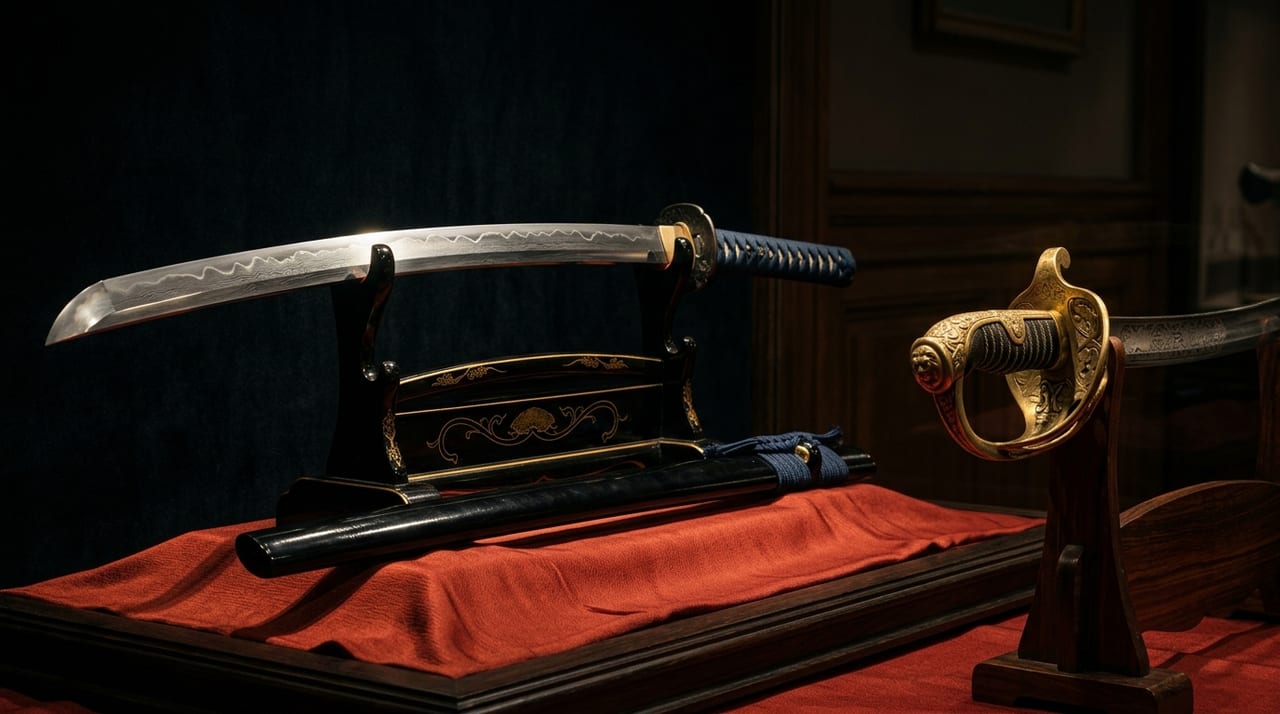 * Image is for illustrative purposes only.
Table of Contents
What Was the Parkes Assassination Attempt?
On the 30th day of the 2nd month of Keiō 4 (1868), an assassination attempt was made against British Minister Harry Parkes in Kyoto. The attack came at a moment when the fires of the Boshin War had yet to die down, and the new government had for the first time granted foreign ministers a formal audience with Emperor Meiji — a symbolic diplomatic ceremony of great significance for post-opening Japan that was then in preparation.
Parkes had set out from Chion-in, where he was lodging, and was cut at by two rōnin holding sonnō jōi convictions while his formal procession was en route to the Imperial Palace. Throughout the turbulent Bakumatsu period, attacks on prominent figures by jōi factions had recurred repeatedly, but the Parkes attack occurred at the extremely delicate moment immediately after the new government's birth, sending a serious shock both at home and abroad as a crisis that could fundamentally undermine the credibility of a new regime that had only just proclaimed a policy of opening the country and international cooperation.
The Course of Events — A Sword Fight in Broad Daylight in Kyoto
The attack was carried out by Saigusa Shigeru and Suzaku Misao, both reportedly rōnin who carried the banner of jōi. The two men cut into the procession of Parkes's party, resulting in 9 accompanying British soldiers being wounded.
Nakai Hiroshi, a Satsuma domain samurai serving as a guard, and Gotō Shōjirō, a senior official of Tosa domain who rushed to assist as a guard, immediately fought back. Suzaku Misao was cut down in the fighting and died on the spot. Saigusa Shigeru was also seriously wounded and apprehended, and the assassination plot was foiled. No direct harm came to Parkes himself, but the fact that a foreign minister had been attacked with swords in broad daylight in Kyoto, and immediately before the ceremony of a formal imperial audience at that, was taken with grave seriousness by the new government's leadership as a diplomatic crisis.
Punishment After the Incident and the New Government's Response
The new government moved immediately to bring the situation under control. The captured Saigusa Shigeru was beheaded at the Awataguchi execution ground, and according to tradition the severed heads of both men — together with that of Suzaku Misao, who had been cut down at the scene — were displayed for three days. Furthermore, persons suspected of involvement in the incident were sentenced to exile on Oki Island.
This series of measures carried meaning not merely as criminal punishment but as a strong message directed at the foreign powers.
- The two principal perpetrators were dealt with by beheading or being cut down at the scene on the same day or within a few days
- Those involved received the severe sentence of banishment to a remote island (exile to Oki Island)
- The new government demonstrated to the world its uncompromising stance toward the remnants of the jōi faction
Ensuring the safety of foreign ministers was directly tied to diplomatic credibility. This incident, in which a minister was openly attacked with swords in broad daylight in Kyoto — the new government's effective seat of power — delivered a serious shock to the legations of the foreign powers and temporarily heightened concerns about the state of public order in Japan. After the incident, the new government is said to have undertaken a fundamental strengthening of its security arrangements.
The Guards' Swords and the Gift from Queen Victoria
It is said that Gotō Shōjirō, who distinguished himself as a guard in this incident, was later presented with a saber by Queen Victoria of Britain. This saber, with its unusual history of a samurai from the land of swords being presented with a Western sword by a Western monarch, has been handed down as a chapter in the diplomatic history between Japan and Britain.
The scene of the incident vividly reflected the transitional state of weapons systems of the time.
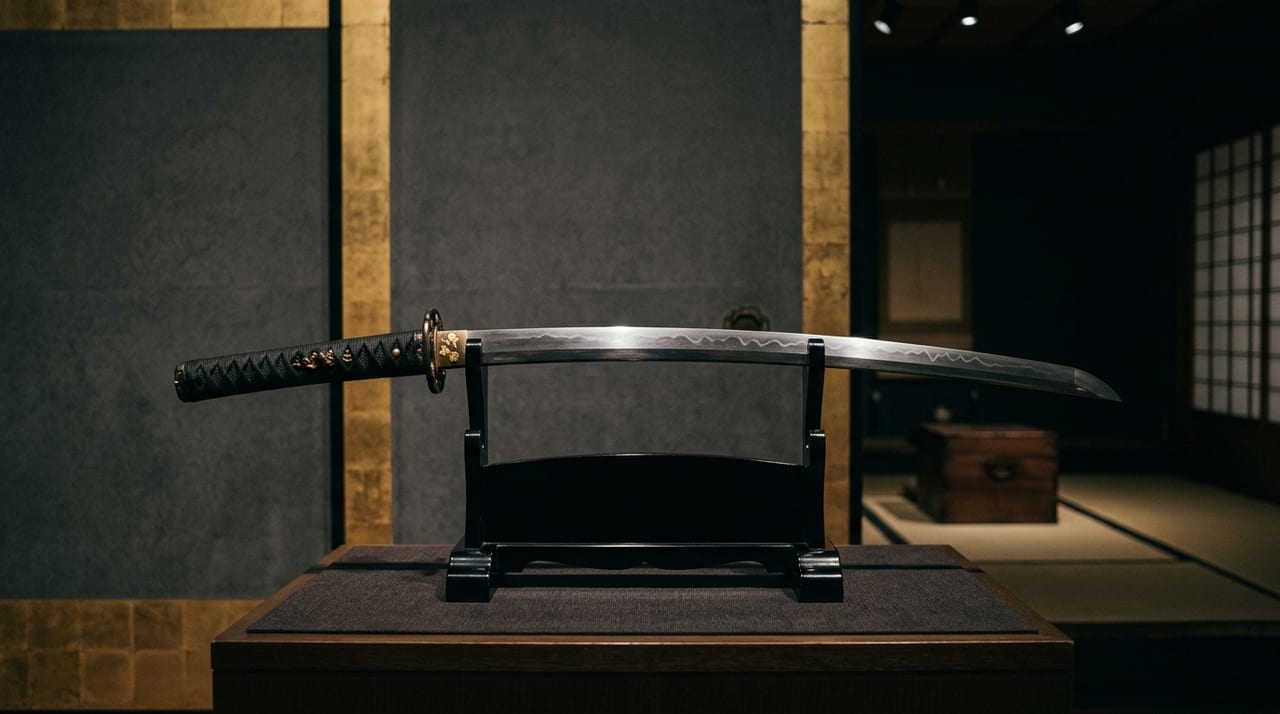
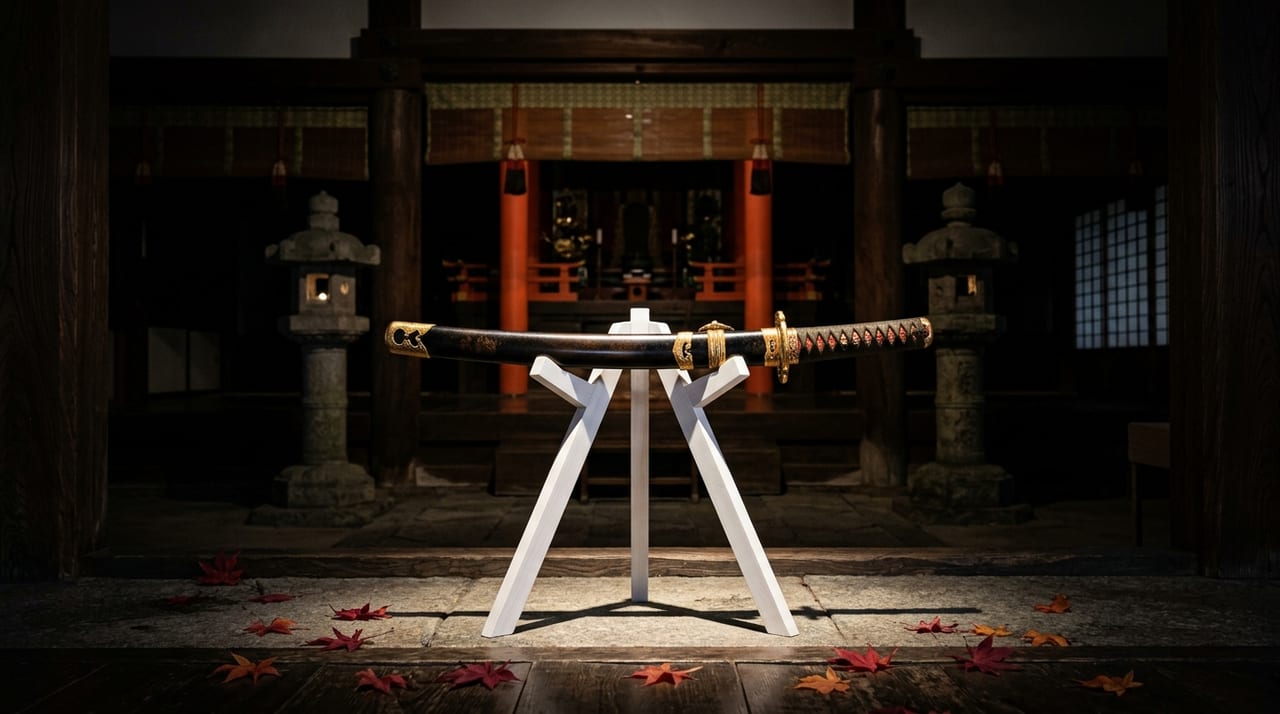
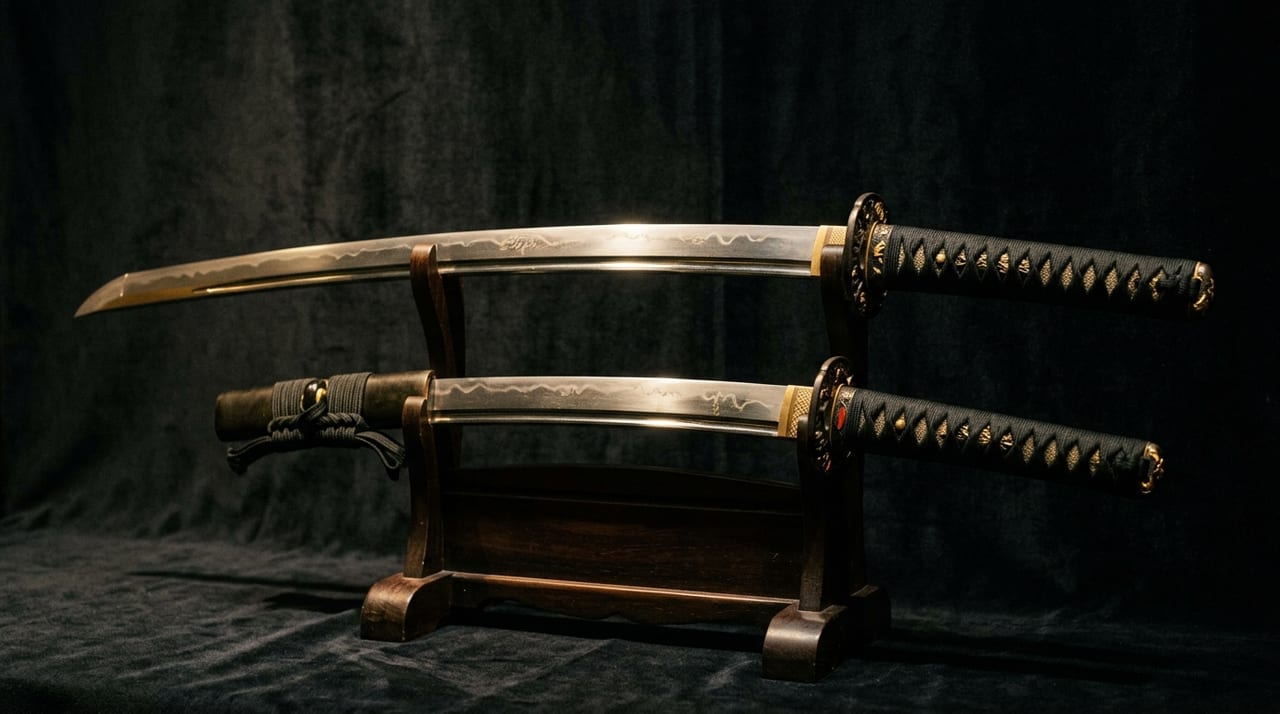
- The Japanese guards (including Nakai Hiroshi and Gotō Shōjirō) carried swords as a matter of course and employed nihontō in actual combat when circumstances demanded
- The accompanying British soldiers are thought to have carried Western-style rifles and Western-style guntō
- At the scene of the guard duty, a mixed arrangement in which swords and Western-style equipment coexisted side by side was in place
Guard duty from the Bakumatsu through the early Meiji period presented exactly this kind of transitional character. Even in an era when Western dress was spreading, the Japanese guards continued to carry swords as a matter of course, and in this incident — in which close combat with drawn blades proved decisive — the practical effectiveness of the nihontō was demonstrated. The saber presented by Queen Victoria, on the other hand, stands as an example of a Western sword being brought to Japan as a ceremonial gift, and is an interesting item for considering what symbolic role swords played in the diplomatic customs of East and West alike. This episode — in which nihontō were wielded in the practical work of guarding and a Western sword was presented in return for that achievement — could be called a microcosm of the international context surrounding swords in the Bakumatsu era.
The "Last Jōi Incident" and a Turning Point in Sword History
The Parkes Assassination Attempt is often positioned as a symbolic event in the final phase of the jōi movement. With this incident as a turning point, armed actions based on jōi ideology rapidly subsided, and the trend of rōnin who targeted prominent figures withdrawing from the historical stage became decisive.
The fact that the guards used swords in actual combat to protect Parkes's life, and that their achievement was commemorated in the form of an international gift — this point alone gives the Parkes Assassination Attempt no small place in the history of the nihontō. This event, in which the blade of the jōi faction and the sword of the guard who stopped it clashed through the same implement — the nihontō — is worthy of remembrance as one of the final scenes in which swords functioned as vessels of ideology and will.
Just a few years after the incident, in Meiji 9 (1876), the Sword Abolishment Edict (Haitōrei) was promulgated. Carrying swords was legally prohibited, and the era in which nihontō were drawn in the practical work of guarding came to a close. The moment when Nakai Hiroshi and Gotō Shōjirō drew their swords to protect Parkes is inscribed in the history of the nihontō as one of the last records of samurai using swords as a practical tool of protection in actual combat. As the ideology of jōi faded away, this incident — in which both the guard and the assailant's blade met through the same implement, the sword — illuminates at once the end of the age of the samurai and the transformation of the role that swords came to bear; it is a symbolic scene from Bakumatsu history.