The Kobe Incident (1868): Bizen Domain Troops, a Clash with Foreigners, and the New Meiji Government's First Diplomatic Crisis
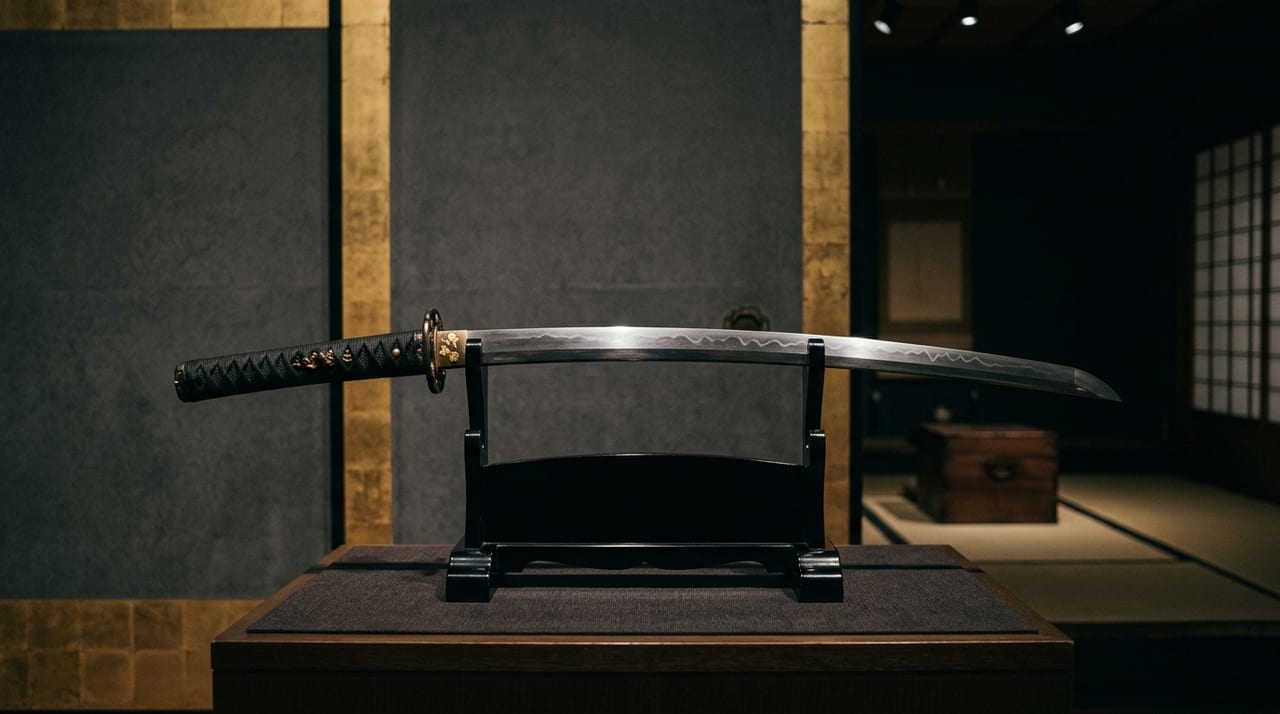 * Image is for illustrative purposes only.
Table of Contents
On the 11th day of the 1st month of Keio 4 (February 4, 1868), an accidental collision occurred on the Saigoku Kaido in Kobe. The Kobe Incident, which began with a confrontation between a procession of the Bizen domain (Okayama domain) and foreign residents, became the first full-fledged diplomatic crisis for the newly established Meiji government, and is remembered as one of the starting points in Japan's modern diplomatic history.
The Stage: Kobe Shortly After Opening to Trade
Kobe Port officially opened on the 7th day of the 12th month of Keio 3 (January 1, 1868 by the solar calendar), and the Kobe Incident occurred about a month after that opening. The newly opened Kobe had not yet sufficiently developed foreign settlements, and friction was prone to arise as Japanese and foreigners came into contact with each other's living spaces. The Kobe Incident was also an emblematic event of the tension immediately following this opening to trade.
The Accidental Collision on the Saigoku Kaido
On the day of the incident, a unit of Bizen domain troops was marching toward Nishinomiya for guard duty in the Hyogo area. While passing through a street near the Sannomiya Shrine in Kobe, French sailors from a warship attempted to cross the procession, resulting in a scuffle with the domain's samurai. It is reported that a samurai drew a blade and wounded a French soldier in this confrontation.
Crossing the processions of daimyo or domain troops was a serious breach of etiquette that had been strictly prohibited throughout the Edo period, and the Bizen samurai's response is thought to have been based on this convention. However, in the internationally oriented foreign settlement of Kobe following the opening of the country, such samurai customs were not understood by foreigners.
Gunfire, Retaliation, and Escalation into a Diplomatic Issue
Upon seeing the wounded, foreign residents took up arms and arrived at the scene, leading to a gunfight with the Bizen domain troops. The Bizen side also returned fire, resulting in casualties on both sides. Although the commotion subsided soon after, foreign representatives in the settlement regarded this as a serious incident and made strong demands on the Japanese side for an apology, punishment of those responsible, and future security measures.
With diplomatic envoys from major powers including Britain, France, the United States, the Netherlands, and Italy protesting in unison, this incident developed beyond a local skirmish into a diplomatic problem that would affect the international credibility of the newly established Meiji government.
The Test Thrust Upon the Newly Formed Government
The 1st month of Keio 4 was a time when the Battle of Toba-Fushimi had just begun, and the Meiji government itself was still in the process of consolidating its regime. Those who handled the response to the Kobe Incident were practical administrators of the new government such as Ito Hirobumi, who was in charge of foreign affairs. Whether the new government would be recognized by foreign powers as Japan's representative, replacing the old shogunate, depended entirely on how it handled this matter.
As a result of negotiations, Taki Zenzaburō Masanobu, the commander of the Bizen domain forces, was held responsible for the incident, and it was decided that he would be punished through seppuku.
The Seppuku of Taki Zenzaburō and International Repercussions
In the 2nd month of Keio 4, at the Eifukuji Temple in Kobe, Taki Zenzaburō performed seppuku in the presence of representatives from various nations. This is said to be the first time that seppuku, Japan's traditional form of punishment, was officially carried out with foreign witnesses present. Ernest Satow, a staff member of the British embassy, and A.B. Mitford, among others, left records of the event. Their accounts became valuable primary sources that gave Western society concrete knowledge of the ritual of seppuku.
The process of handling the Kobe Incident proceeded through the following stages:
- Contact between samurai and French sailors; a Frenchman is wounded (11th day of the 1st month)
- Foreign residents retaliate and the incident escalates into gunfire
- Joint protest by envoys of major powers; demands for apology and punishment
- The new government decides to execute Taki Zenzaburō
- Execution of seppuku with representatives of all nations in attendance (2nd month)
This series of responses did not take the form of a trial in an international court of law, but rather the unusual form of foreign representatives witnessing Japan's traditional method of punishment. Nevertheless, the fact that the newly established government responded to the demands of the major powers and brought the matter to a close became an important precedent for subsequent diplomatic negotiations.
Significance in Sword History
The Kobe Incident itself began with samurai drawing and wielding swords and eventually escalated into a gunfight using firearms, and thus symbolizes the transitional period when military equipment shifted from being sword-centered to firearm-centered at the end of the Edo period. It was customary for samurai of the time to wear both long and short swords during military marches and guard duty, and the reflexive action of drawing a sword in response to a breach of etiquette on the road was itself the embodiment of the warrior's bodily awareness cultivated throughout the Edo period. However, the development whereby this sparked international friction and ultimately was settled through diplomatic and political channels demonstrates a turning point at which the warrior values symbolized by swords were being replaced by the framework of modern international relations.
Following this incident, regulations were gradually established regarding the passage of daimyo processions and domain troop formations near foreign settlements around the opened ports. The necessity of reconciling samurai etiquette with international conventions for passage became one of the starting points in the process by which the Meiji government established modern diplomatic protocol.
Conclusion
The Kobe Incident began with an accidental confrontation between Bizen domain troops and foreign residents and developed into a major event that tested the diplomatic capabilities of the newly established Meiji government. The fact that the traditional form of punishment—Taki Zenzaburō's seppuku—was carried out under international scrutiny is remembered as an emblematic event symbolizing the contact and friction between Japanese and Western values during the transitional period from the end of the Edo period to the Meiji era.
At TOUKENZA, we introduce a diverse selection of Japanese swords through our online catalog, keeping in mind this turbulent historical background from the end of the Edo period through the early Meiji era. We invite you to explore our catalog of swords while reflecting on this pivotal moment in history.