The Battle of Shirakawaguchi (1868) and Swords: Fierce Fighting at a Key Ōu Reppan Dōmei Stronghold
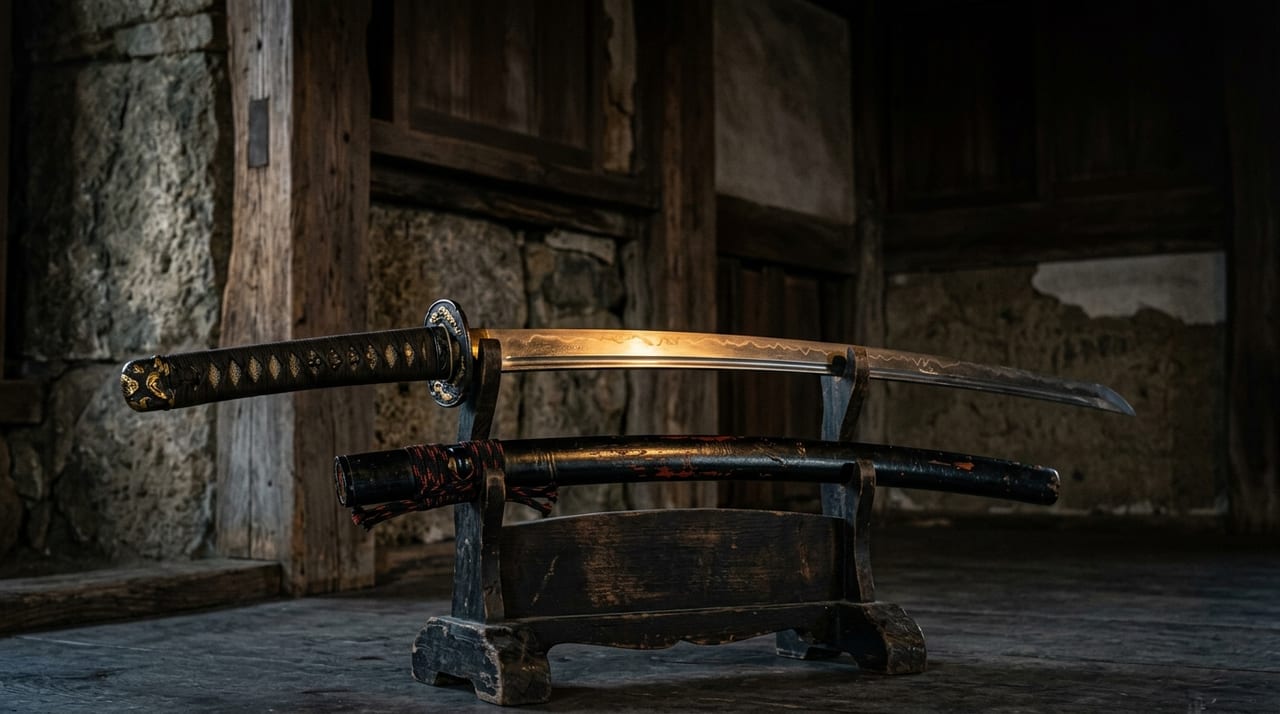 * Image is for illustrative purposes only.
Table of Contents
The Battle of Shirakawa—The Struggle for Control of Ōshū's Gateway
In 1868 (Keio 4), the Boshin War, which began with the Battle of Toba-Fushimi, expanded into a nationwide civil conflict between northeastern domains sympathetic to the former shogunate and the new government forces. In the fifth month of that year, northeastern and North Etsu domains centered on the Aizu and Sendai clans formed the Ōu'etsu League of Domains and made clear their stance of resistance against the new government forces. The front line of this conflict became Shirakawa (present-day Shirakawa City, Fukushima Prefecture), a strategic point on the Ōshū highway connecting Kanto and Ōshū. The battles around Shirakawa Komine Castle unfolded intermittently from the intercalary fourth month through the seventh month, becoming a fierce engagement in which both the Ōu'etsu League forces and the new government forces suffered heavy casualties.
Battle Progression—The Fighting for Komine Castle
In the early stages of the conflict, it is reported that the new government forces succeeded in occupying Shirakawa Castle with a small force. In an attempt to retake it, the League of Domains forces launched a general assault on Shirakawa Castle on the 26th day of the 5th month (July 15, 1868) with approximately 2,000 troops, but the new government forces repulsed the attack. The Alliance forces continued their attacks on the 27th and 28th, but both efforts ended in failure. In the sixth month, with victories at the Battle of Imaichi and the Ueno Campaign strengthening the new government forces in the Kanto region, elite units including the Tosa clan's Jinshōtai under Itagaki Taisuke and Satsuma troops from Edo were sent as reinforcements to Shirakawa Castle. The Alliance forces attempted another attack on the 12th day of the 6th month (July 31, 1868), but this too ended in failure, and thereafter Shirakawa Castle remained in the hands of the new government forces.
The Reality of Swords in Close Combat
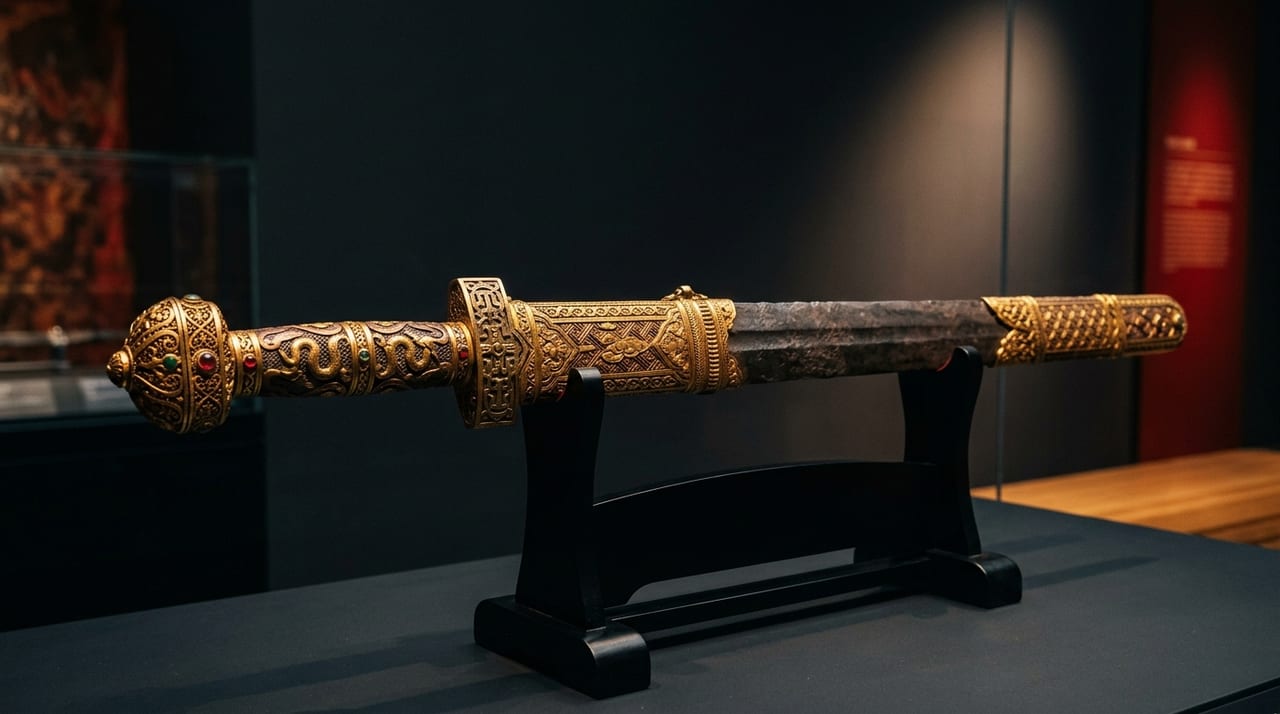
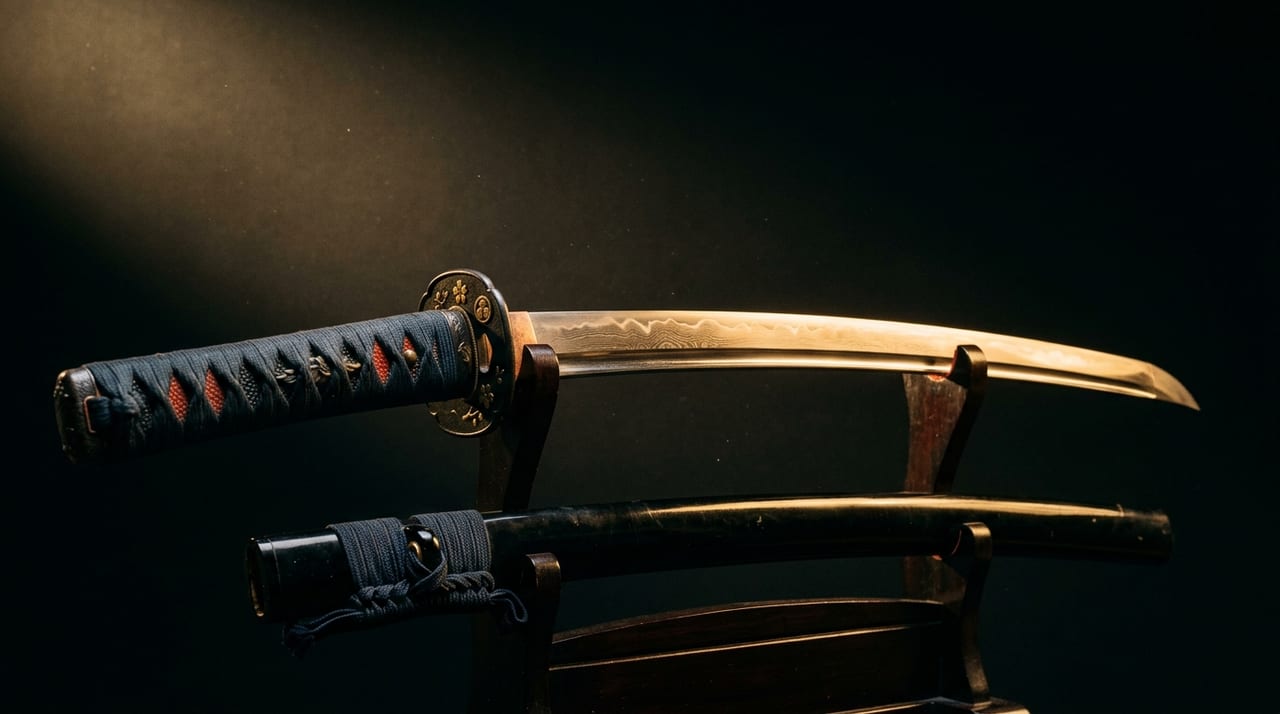
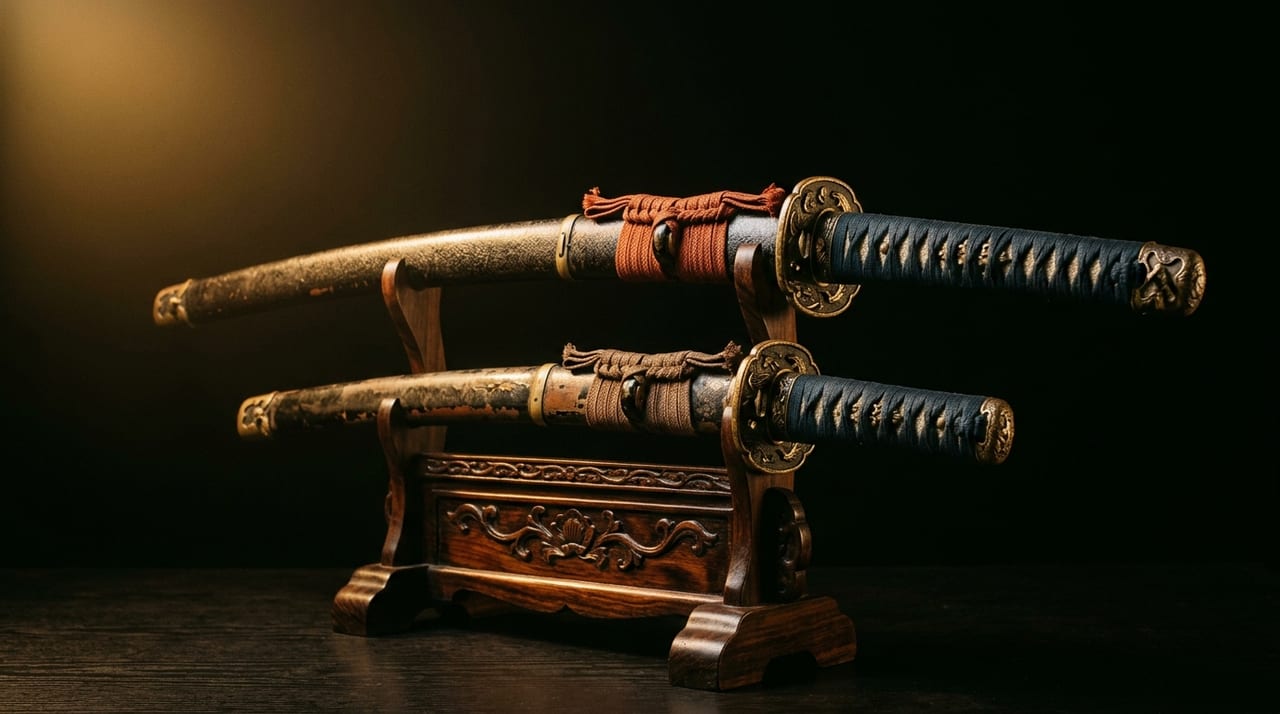
The Battle of Shirakawa was fought at a time when Western-style firearms and artillery had already become the primary weapons of war, and the outcome of the battle was fundamentally determined by the balance of firepower and troop strength. Nevertheless, swords were still used in close-combat situations such as assaults on fortifications and camps, nighttime raids, and the confusion of retreat. The samurai of the various domains participating in the Ōu'etsu League maintained the custom of carrying swords as a symbol of their samurai status, and it was standard practice to wear a sword at the waist while using firearms as their primary weapon. Behind the repeated advances and retreats over several months in the battles around Shirakawa lay the unique nature of combat during the Boshin War period—a mixture of modern weaponry and traditional close-combat tactics.
- The League of Domains forces repeatedly launched general assaults on Shirakawa Castle with approximately 2,000 troops from the 26th to the 28th day of the 5th month, but these efforts failed
- In the sixth month, elite units such as the Tosa clan's Jinshōtai under Itagaki Taisuke were sent as reinforcements to the new government forces, strengthening the defense of Shirakawa Castle
- Even as firearms became the primary weapon, sword combat continued in assaults on fortifications and nighttime raids
Equipment Conditions of the Ōu'etsu League Domains
The various domains of the Ōu'etsu League of Domains that were involved in the defense of Shirakawa, including the Aizu and Sendai clans, each employed their own domain swordsmiths and carried out inspections and repairs of weapons in preparation for the late Edo period turmoil. However, by this time warfare had already shifted its primary focus to firearms, and swords were increasingly becoming auxiliary weapons or symbols of samurai status. Within the fierce battles around Shirakawa, there were limited scenes where swords themselves determined the course of battle, but for samurai engaged in close combat, swords remained the weapon of last resort.
Developments After the Fall and Impact on Posterity
The attempts at retaking the castle that continued through the seventh month all ended in failure, and the Ōu'etsu League forces were defeated in the Battle of Shirakawa. Thereafter, the new government forces began a full-scale advance into the Aizu region. The defeat at Shirakawa became a major turning point strategically for the Alliance forces and influenced subsequent developments in the war. Much of the city was destroyed by the fighting, and Shirakawa became known as one of the fiercest battlegrounds of the Boshin War. Today, historical sites and commemoration monuments related to the Boshin War remain in Shirakawa City and are passed down as part of the region's history. From the perspective of swords, the Battle of Shirakawa conveys the reality of warfare during a transitional period when modern weapons became the primary force in warfare, yet the traditional samurai culture of carrying swords remained deeply rooted.
The Burning of Komine Castle and Its Heisei-Period Restoration
In the fierce fighting, many of the buildings of Shirakawa Komine Castle were destroyed, and after the war only the stone walls remained. For a long time the castle was not rebuilt, but based on archaeological investigations and historical documents, the three-story tower of the inner citadel was restored in wood in 1991 (Heisei 3), and the front gate was also restored in 1994 (Heisei 6). For the restoration of the three-story tower, wood felled from the area around Inari Mountain, a site of intense fighting within the city, was used, and some of the flooring and pillar materials still bear the bullet holes from the fighting of that time. This undertaking, considered a pioneering effort in wooden reconstruction based on historical fact, has also become a valuable record conveying the intensity of the Battle of Shirakawa to the present day.
Impact on Local Residents
Both armies impressed supplies and laborers from the farming villages around Shirakawa, and though local residents were not direct participants in the combat, they suffered substantial damage from the fighting. Part of the temples and private residences in the castle town are said to have been used as field hospitals to treat the wounded. In Shirakawa, where the front lines remained fixed for several months, it is said that both sides suffered numerous casualties, and throughout the area burial mounds and memorial towers honoring the war dead remain scattered.
Today, the Shirakawa City Historical Museum preserves and displays some of the weapons and historical materials related to this battle. These materials serve as valuable clues conveying to the present the reality of the Boshin War period—when firearms had already become the primary weapon of combat, yet swords continued to be used in close-combat situations.