The Sakai Incident (1868) and Swords: Tosa Samurai's Seppuku and a Diplomatic Crisis
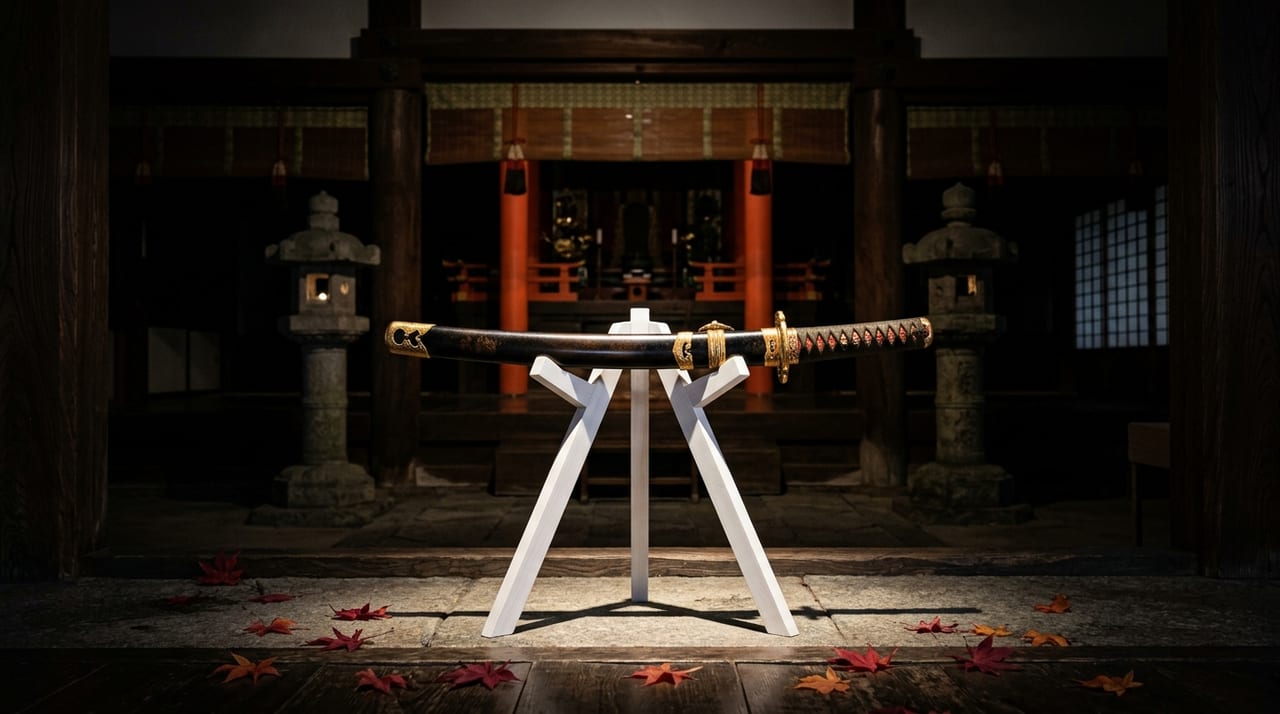 * Image is for illustrative purposes only.
Table of Contents
The Sakai Incident
On the 15th day of the 2nd month of Keio 4 (March 8, 1868), a diplomatic incident occurred in the port of Sakai in Izumi Province. A collision took place between Tosa domain samurai assigned to guard Sakai and sailors from the French naval corvette "Dupleix," resulting in the deaths of eleven French sailors. The punishment imposed by the new government in response to this incident sparked a diplomatic crisis that shook the newly established Meiji government. Occurring not long after the Battle of Toba-Fushimi, this incident became one of the first trials testing how the new government—then engaged in civil war—would confront the Western powers.
The Course of Events—Port Guard Duties and the Landed French Sailors
At that time, Sakai was not an officially designated open port, and the Japanese side independently regulated the landing of foreigners. French sailors reportedly came ashore without permission and caused disturbances in the town, heightening tensions with the Tosa domain samurai assigned to guard the area. When the French side attempted to seize the Tosa domain's unit flag and take it back to the ship, a Tosa domain samurai who objected opened fire, and a bayonet charge was also said to have occurred. As a result, eleven French sailors were killed.
French Minister Léon Roches immediately lodged a protest and demanded that the new government issue an apology, pay reparations, and execute the Tosa domain samurai responsible for the shooting. For the new government, which had only recently adopted the policy of opening the country, damaging relations with the Western powers immediately after its establishment was a grave matter affecting the nation's very survival. With the Boshin War still ongoing domestically, being forced to make diplomatic concessions also symbolized the precarious position of the new government.
Seppuku as Punishment—The Reality Behind "Twenty Men"
The new government accepted the French demand and ordered seppuku for twenty men selected by drawing lots from among twenty-nine Tosa domain samurai allegedly involved in the shooting. The execution was carried out in the precincts of Myokoku Temple in Sakai, with French officer Abel Nicolas du Petit-Thouars observing as the official inspector.
- Eleven men actually committed seppuku at Myokoku Temple
- After the eleventh man died, the French inspector requested that the executions be stopped, and the remaining nine men were spared
- The notion that "all twenty men committed seppuku" is a popular misconception; only eleven actually died
It was precisely the course of events in which the execution was halted midway at the request of a foreigner that came to symbolize the Sakai Incident, vividly demonstrating how samurai decorum and honor were treated in the context of international relations. There is also an anecdote that the French officer observing the execution was deeply moved by the manner in which the Tosa domain samurai faced seppuku, remaining calm and performing the ritual according to proper procedure. The incident was widely reported in Europe and America at the time and became a subject through which the spirituality of Japanese samurai was discussed.
The Ritual of Seppuku and the Sword
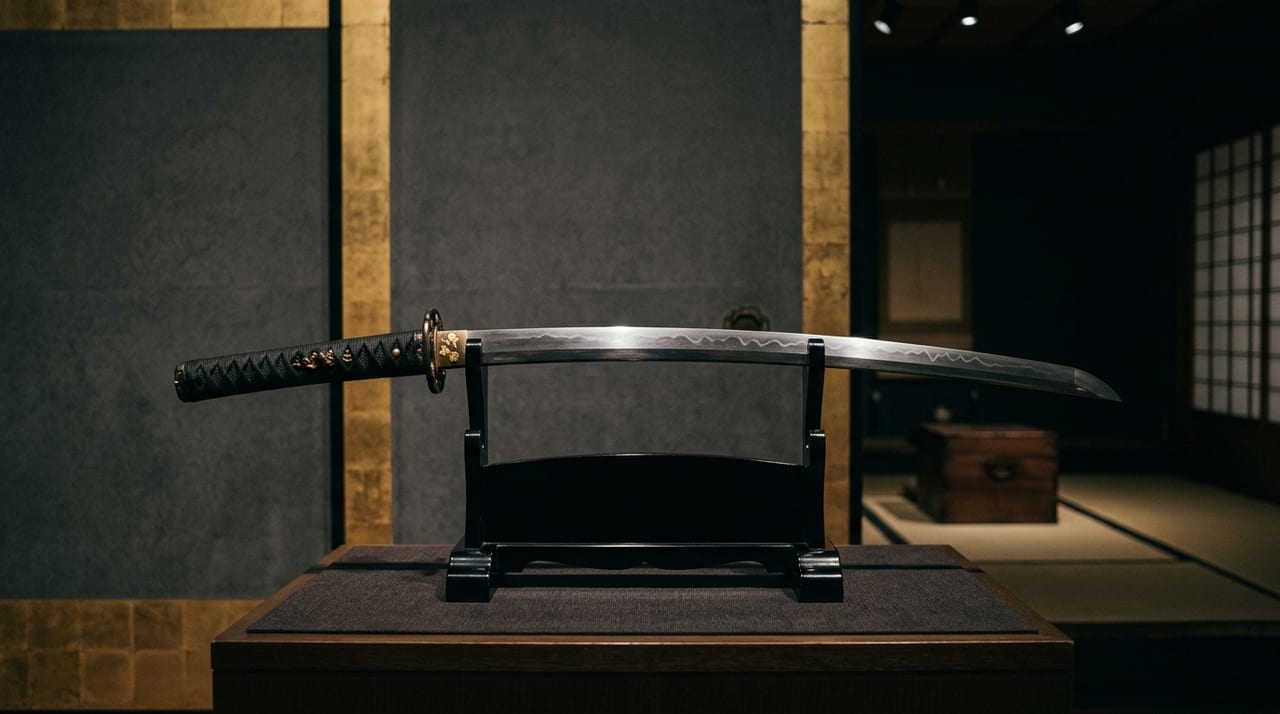
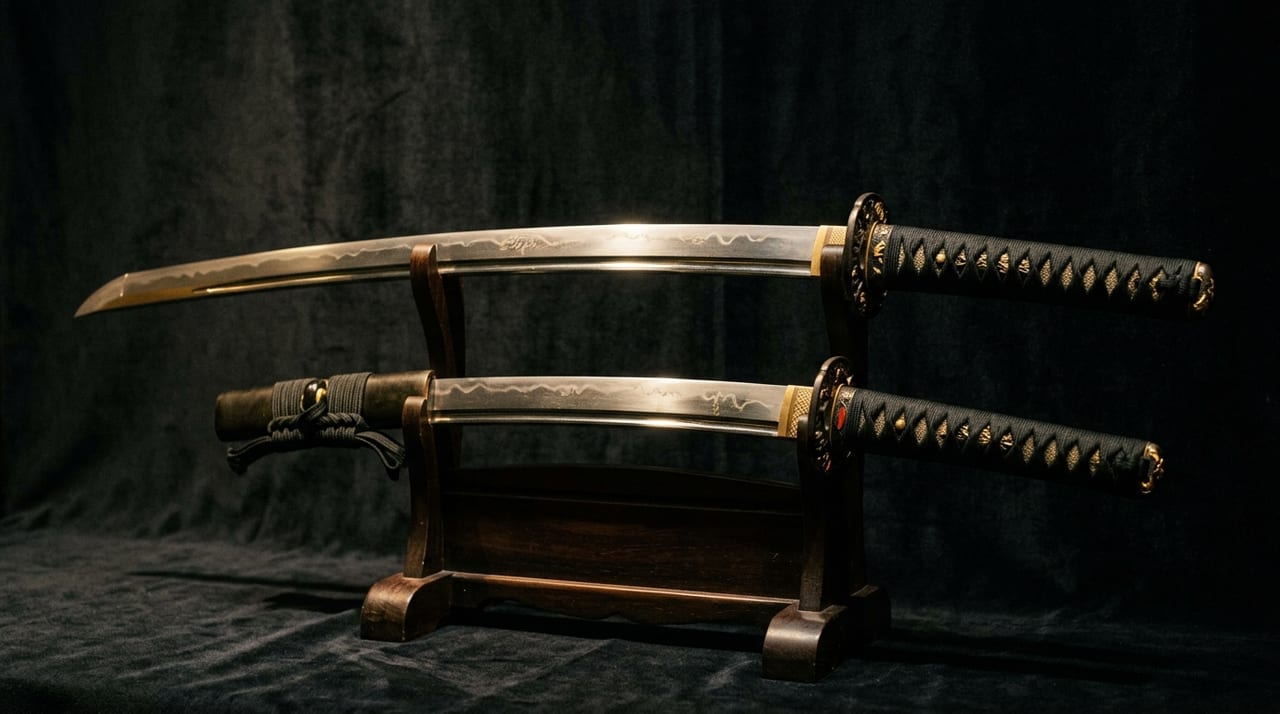
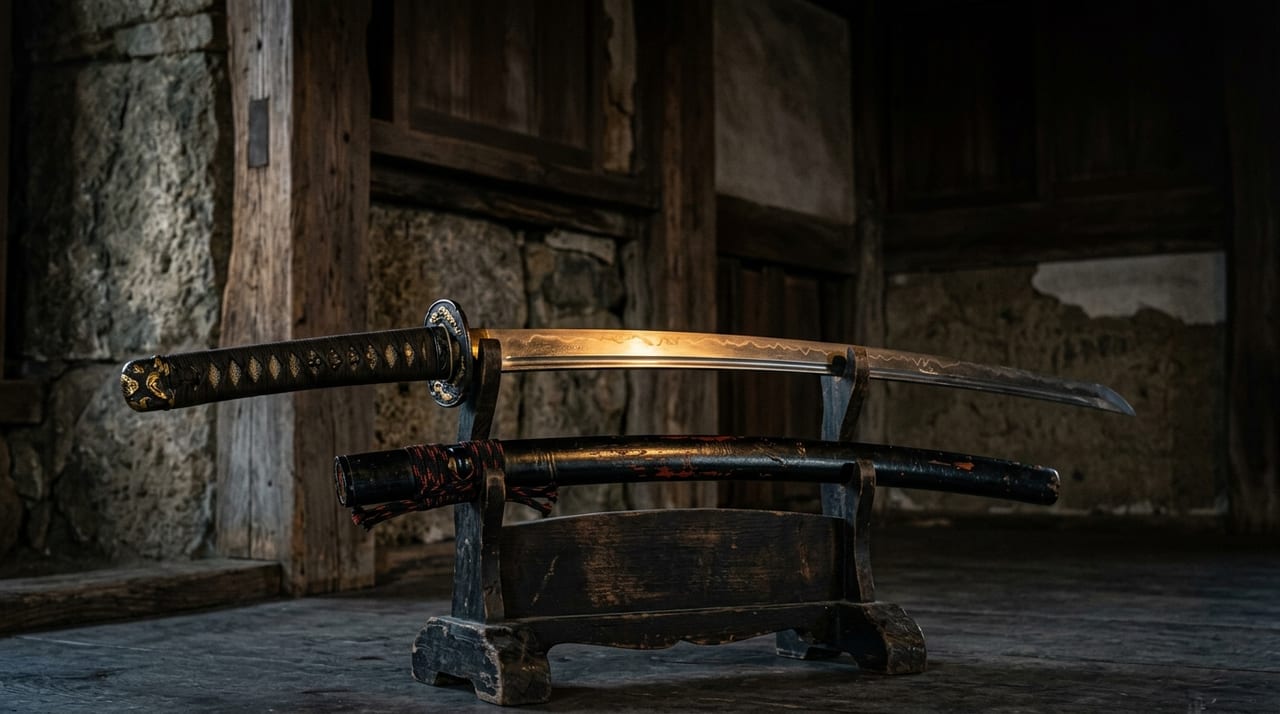
In the ritual of seppuku, a wakizashi or tanto placed on a white wooden stand was used, and after the person performing seppuku thrust the blade into their abdomen themselves, an assistant would sever their head with an uchigatana to shorten the suffering—this procedure became established from the Edo period onward. The seppuku at the Sakai Incident is said to have been carried out in accordance with these traditional samurai customs, despite the tumultuous times.
On the other hand, the weapons primarily used by Tosa domain samurai in the port collision that sparked the incident itself were Western-style firearms. During the late Edo period, domain samurai commonly used both swords and Western-style equipment, and swords were no longer the primary instruments of warfare but were undergoing a shift in role to become symbols of samurai status and spirit. The Sakai Incident is also interesting in that it bore a dual historical character: the punishment for a shooting incident caused by samurai armed with Western-style equipment was meted out in the form of the traditional practice of seppuku.
Myokoku Temple and the Memory of the Incident
The graves of the eleven men who committed seppuku remain at Hōju-in Temple, across from Myokoku Temple where the seppuku took place, and are known as a place of memorial. The incident became not only a subject of diplomatic negotiations with France but also an impetus for early Meiji Japanese to consider how to explain and reconcile their nation's samurai culture in the international context. Though the Sakai Incident tends to be told as a singular tragedy, it was also a paradigmatic example of the pattern of "collision with foreigners and its handling" that post-opening Japan repeatedly faced, and it is said to have influenced the development of subsequent diplomatic protocols and security systems.
The burden of reparations related to the incident and the handling of the families of the slain samurai were also weighty matters for both the new government and the Tosa domain. Amid the chaos of the turbulent period, Japan was repeatedly compelled to make adjustments between traditional samurai customs and the reality of having to deal with the Western powers as a modern nation-state. The Sakai Incident is often cited as a precedent for what the Japanese diplomatic corps would later experience: this "reconciliation of tradition and international relations."
The Watershed Moment Revealed by the Sakai Incident
The Sakai Incident was far more than a mere diplomatic problem; it was an incident that put to the Japanese samurai society the question of how to position its own institutions and customs while confronting the Western powers. The fact that the punishment of seppuku was "halted midway" at the request of foreigners tells the very story of how the samurai code was becoming relativized within the context of international relations.
- An example showing how difficult it was for the new government immediately after opening the country to maintain both diplomatic protocol and domestic samurai customs
- A scene from the prehistory leading up to when samurai culture such as sword-wearing and seppuku would gradually transform toward the Edict on the Abolition of Sword-Wearing (1876)
- An event reflecting the late Edo period as a time when the sword shifted its emphasis from being "a weapon for actual combat" to becoming "a symbol of spiritual culture"
The historical context surrounding the Sakai Incident becomes clearer when read alongside articles dealing with other assault incidents and security practices during the late Edo period. Related columns can be found through the Late Edo Period Sword Articles List.