The Battle of Utsunomiya Castle (1868) and Swords: Fighting in North Kanto During the Boshin War
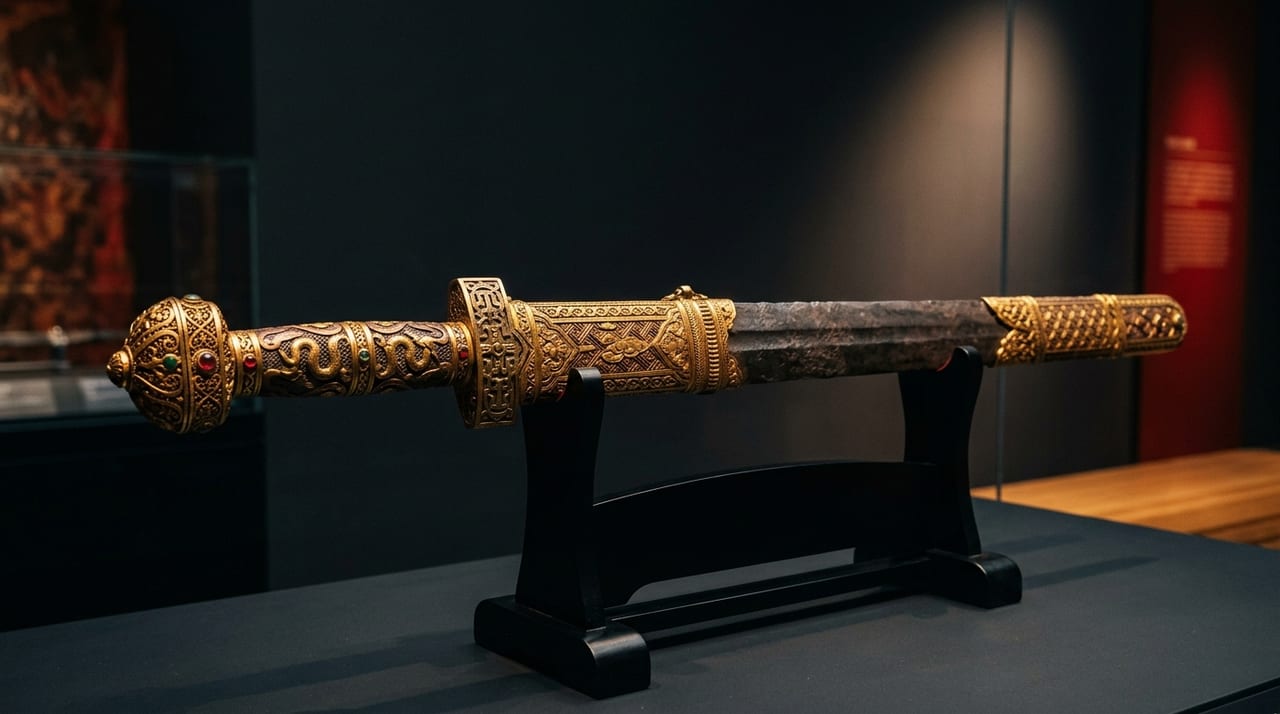 * Image is for illustrative purposes only.
Table of Contents
The Battle of Utsunomiya Castle — The Clash Between Former Bakufu and New Government Forces over Northern Kanto
In the fourth month of Keiō 4 (1868), as Edo Castle was peacefully surrendered, certain forces of the former Bakufu that refused to submit to the new government continued to deploy to the Northern Kanto and Oshu regions to persist in their resistance. Centered around the Denshūtai led by Infantry Commissioner Otori Keisuke, the remnants of the Shinsengumi led by Hijikata Toshizo, who had been defeated at the Battle of Katsunuma in Koshu, were joined by units under Aizu domain samurai Akizuki Noborinosuke, Kuwana samurai Tatsumi Kanzaburō, and others, and on the 11th day of the 4th month (May 3, 1868), a combined force of approximately 2,000 former Bakufu troops was formed. Their next target was Utsunomiya, a key transportation junction where the Nikko and Oshu highways intersected.
The Assault on the Castle, 19th Day of the 4th Month — Command by Otori Keisuke and Hijikata Toshizo
On the 19th day of the 4th month (May 11, 1868), the combined former Bakufu force, under the overall command of Akizuki Noborinosuke with Hijikata Toshizo serving as military strategist, began their attack on Utsunomiya Castle. The new government's garrison was thin, and after fierce fighting, the former Bakufu forces overwhelmed the castle, with Otori Keisuke and others entering the castle on the 20th (May 12) and establishing their main camp. The temporary occupation of Utsunomiya Castle became a major victory for the former Bakufu forces that continued to resist even after the opening of Edo Castle, and served as a foothold for expanding their lines in Northern Kanto.
The Counterattack of the 23rd Day of the 4th Month and Hijikata Toshizo's Wounding
However, the new government forces quickly regrouped and began their counterattack on the 23rd day of the 4th month (May 15, 1868), aiming to retake Utsunomiya Castle. After intense fighting, the castle fell to the new government forces, and the former Bakufu allied army was forced to withdraw. During this battle, Hijikata Toshizo was struck by a bullet wound to his leg and had to withdraw from frontline command. The wounded Hijikata retreated to the rear for recuperation and eventually made his way to Aizu. The Battle of Utsunomiya Castle was also a symbolic event of the turning point of the era, in which Hijikata Toshizo, who had wielded his sword as vice commander of the Shinsengumi in Kyoto, was wounded in modern warfare centered on firearms.
- On the 19th day of the 4th month, the combined former Bakufu force (Denshūtai, Shinsengumi remnants, Aizu samurai, and Kuwana samurai) captured Utsunomiya Castle
- On the 20th day of the 4th month, Otori Keisuke and others entered the castle and established their main camp, but on the 23rd the castle was retaken in a new government counterattack
- In this counterattack, Hijikata Toshizo was struck by a bullet wound to his leg and withdrew from frontline command
The Reality of Swords and Equipment — The Armament of the Denshūtai and Shinsengumi
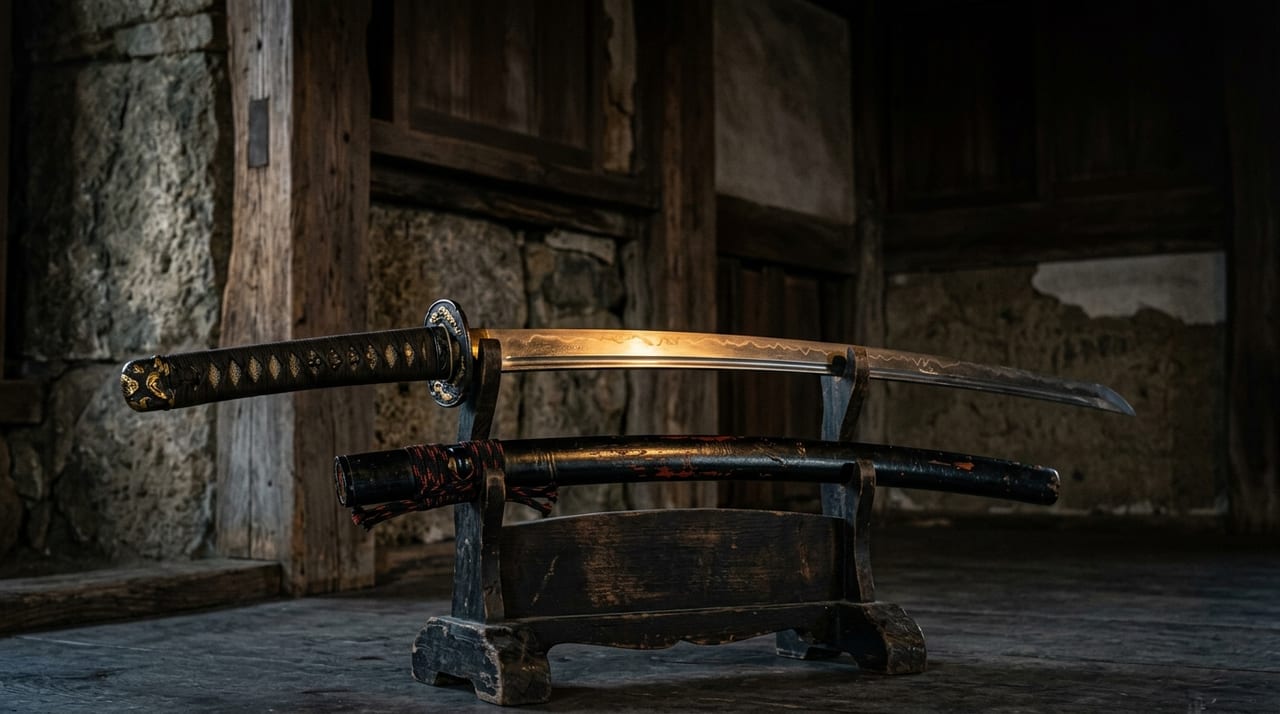
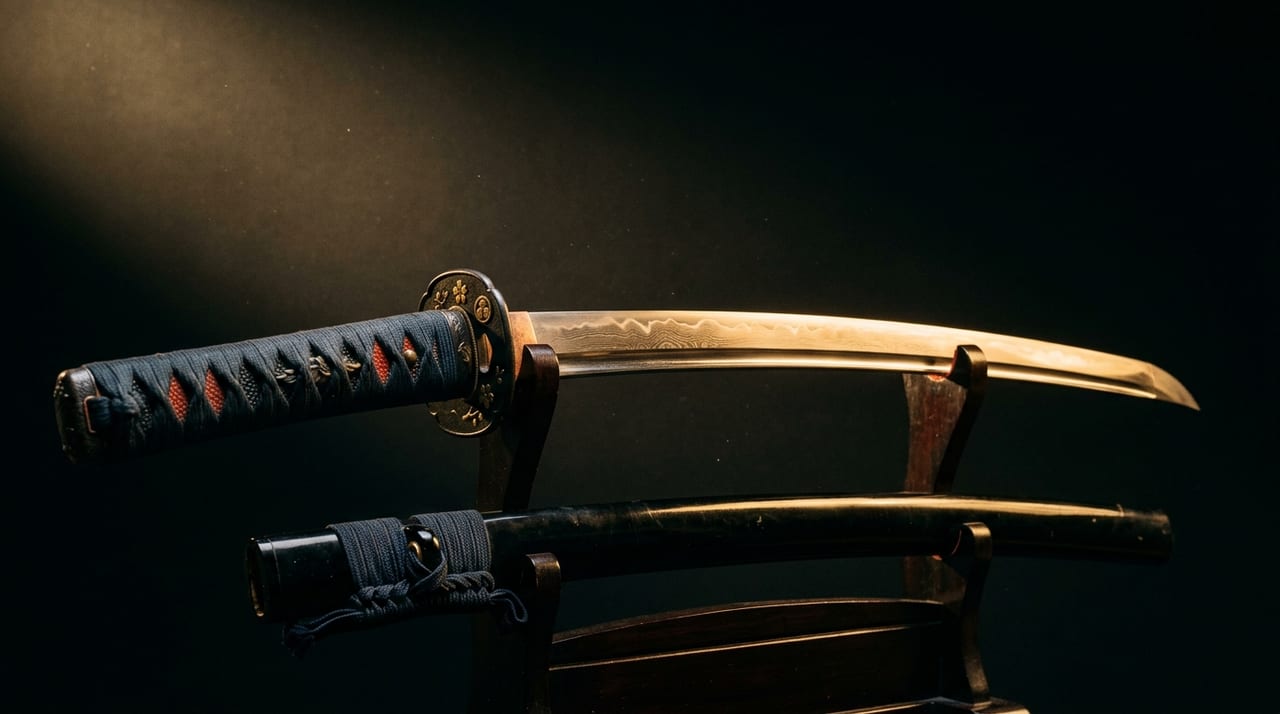
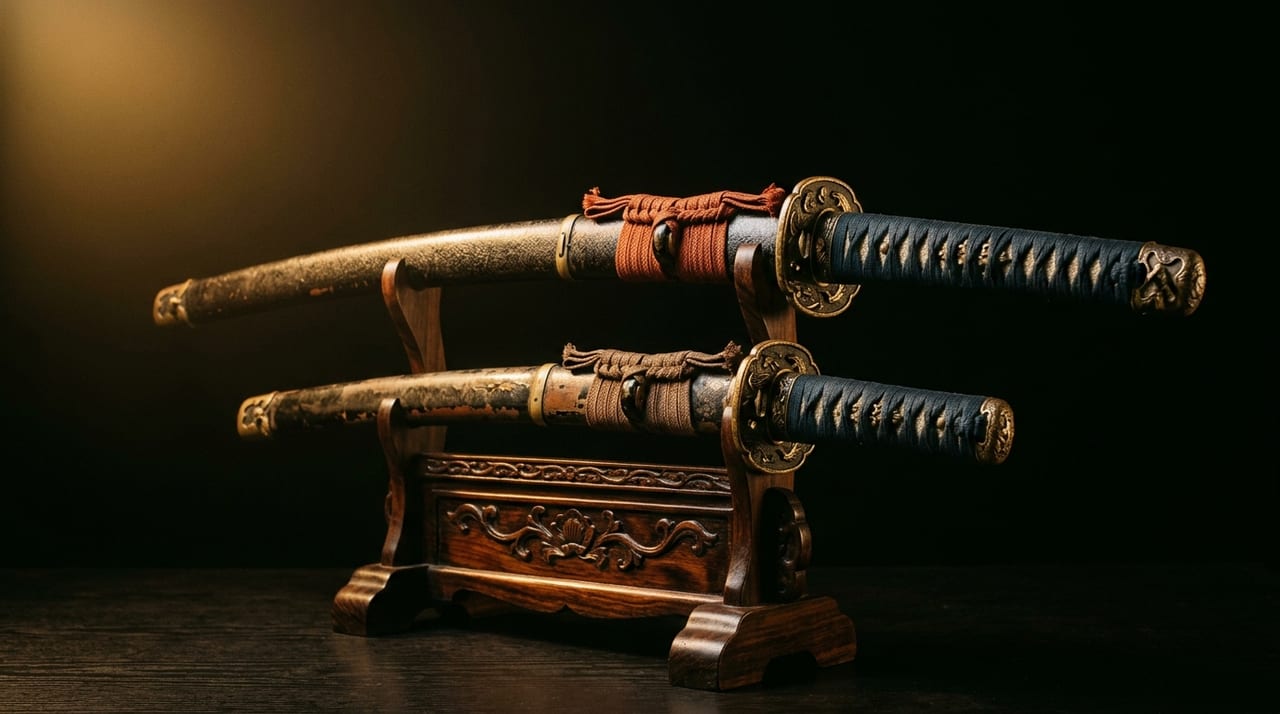
The Denshūtai led by Otori Keisuke was a Western-style infantry unit organized by the Bakufu army under French-style training and was primarily armed with rifles. On the other hand, Hijikata Toshizo and the Shinsengumi remnants had origins where the sword had been their primary weapon during their period of urban patrol in Kyoto, but as they engaged in successive battles during the Boshin War, they too came to carry firearms, and the sword transitioned to a position as a backup weapon in close-quarters and hand-to-hand combat, or as a symbol of samurai status. In the fighting around Utsunomiya Castle, it is believed that swords were still used in assaults on the castle gates and in confused urban combat, but it was ultimately the firepower of rifles and cannons that decided the outcome of the battle.
Influence and Legacy to Later Generations
Utsunomiya Castle suffered great damage through repeated sieges and was left in disrepair for a long time after the war, but today it has been partially restored as Utsunomiya Castle Site Park and is beloved by the citizens. The historical fact that Hijikata Toshizo transferred his forces through Northern Kanto and was wounded is introduced as a tourist resource in the Utsunomiya area, and walking courses tracing locations connected to the Shinsengumi have been established. The Battle of Utsunomiya Castle is a battle that symbolizes the transitional period during which the Shinsengumi, who wielded swords in Kyoto, were integrated into modern warfare centered on firearms through the Boshin War, and it conveys the reality of an era in which the sword, the samurai's traditional weapon, continued to be worn as a symbol of samurai status.
The Aftermath of the Fighting around Utsunomiya
The former Bakufu allied army, having lost Utsunomiya Castle, retreated to the Nikko area and, after battles at Imaichi and elsewhere, continued their transfer of forces further north. After recuperating from his wounds, Hijikata Toshizo returned to the front lines, and subsequently transferred his forces repeatedly to Aizu and Hakodate, ultimately dying in battle during the Hakodate War. The defeat at Utsunomiya was a major blow to the former Bakufu forces, causing them to lose an organized resistance base in the Kanto region, and subsequent battles shifted the theater of operations further north. For the Denshūtai and the Shinsengumi remnants, the Battle of Utsunomiya Castle was one of the turning points that forced them to adapt from their traditional samurai way of fighting since Kyoto to modern warfare centered on firearms.
The Denshūtai as a New Military System
The Denshūtai led by Otori Keisuke was the most advanced Western-style infantry unit at the time, organized by the Bakufu under the guidance of French military advisors. The unit's emphasis on rifle training represented a departure from the traditional samurai way of fighting centered on swords, and the fighting around Utsunomiya Castle reflects the reality of transitional combat in which such a modern military system and the traditional samurai who continued to wear swords as symbols of their status stood on the same battlefield. At Utsunomiya Castle Site Park, some of the original earthen walls and moats have been restored, and the museum exhibits historical materials related to the battle. The fact that Hijikata Toshizo and other samurai of the former Bakufu wore swords as symbols of their status while standing on battlefields centered on firearms serves as a valuable case study for understanding the transitional period of military equipment from the late Edo period to the Meiji era. With this battle, the former Bakufu forces around Utsunomiya lost their organized base, and subsequently continued small-scale transfers of forces aimed at joining up with those heading to the Aizu region.