The Akita War (1868) and Swords: Kubota Domain's Break from the Ou-Etsu Alliance in the Boshin War
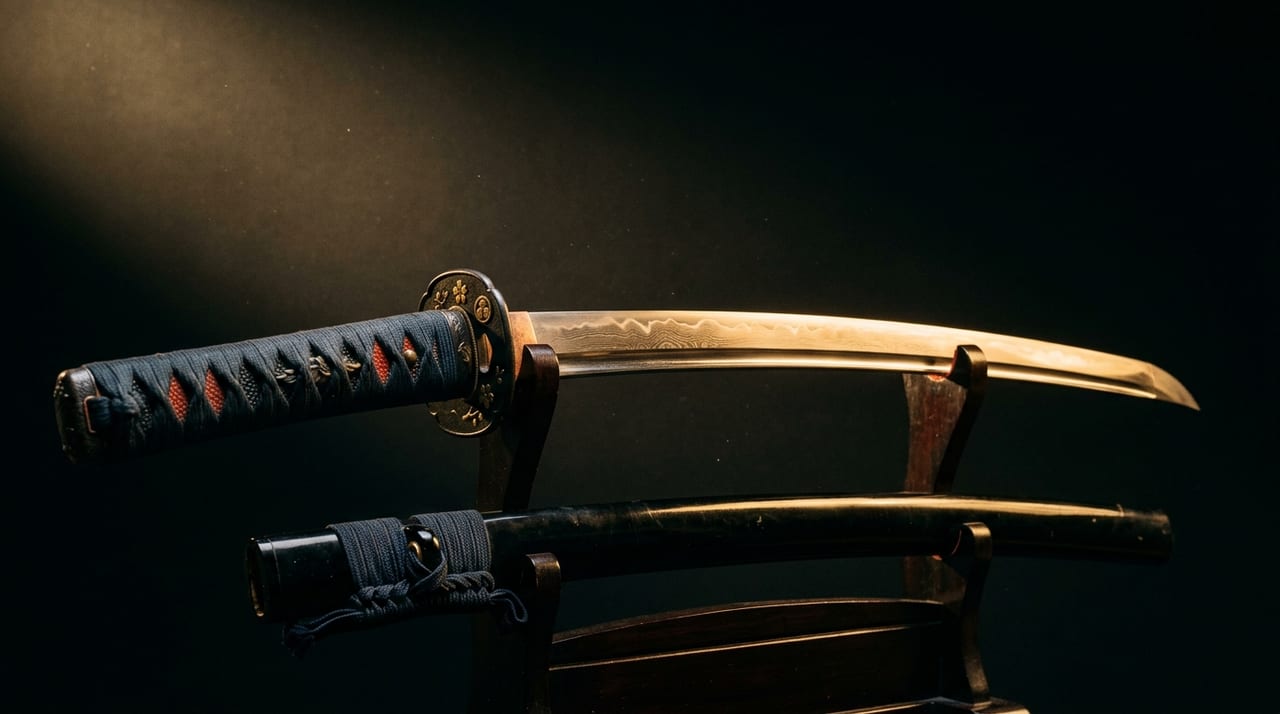 * Image is for illustrative purposes only.
Table of Contents
Participation and Withdrawal from the Ouetsu League of Clans
In Keio 4 (1868), the Boshin War, which began with the Battle of Toba-Fushimi, expanded into an internal conflict that engulfed the entire Tohoku region. At the Shiraishi Conference convened at the call of the Sendai clan, Tomura Juttayū, the senior retainer of the Kubota clan of Dewa Province (present-day Akita Prefecture), also attended and participated in the establishment of the Ouetsu League of Clans. Centered on petitions for amnesty for the Aizu and Shōnai clans, this alliance aimed to align the northeastern clans against the new government's army, but circumstances within the Kubota clan differed. The loyalist faction, influenced by Hirata Atsutane's National Learning philosophy, strongly shaped clan opinion, and on the 4th day of the 7th month of Keio 4 (August 21, 1868), the twelfth-generation clan lord Satake Yoshitaka decided on "single-clan imperial allegiance." Accompanying this decision, the loyalist faction within the clan killed the Sendai clan samurai who were staying as alliance messengers, making the clan's withdrawal from the alliance a fait accompli. A scene in which swords actually took human lives was born precisely within this drama of withdrawal.
Invasion from Three Directions and the Battle for Kubota Castle Town
The Kubota clan, having withdrawn from the alliance, immediately became a target of attack from the allied clans surrounding it. Alliance forces from the Shōnai clan, the Nanbu clan (Morioka clan), and others invaded Kubota territory from the north, east, and south, and fierce battles known as the Akita War (Battle of the Akita Front) unfolded. Combat lasted nearly three months, and it is said that over 600 people from both sides lost their lives, with more than half the casualties coming from the Kubota clan side. Arson and plunder were rampant on the front lines, and not only samurai but also townspeople and villagers in the castle town and rural areas suffered great damage. Although the Kubota clan stood with the new government as a "winning side," in actual combat they were constantly forced onto the defensive, with vast areas of clan territory exposed to the ravages of war.
Samurai in Battle and the Reality of Swords
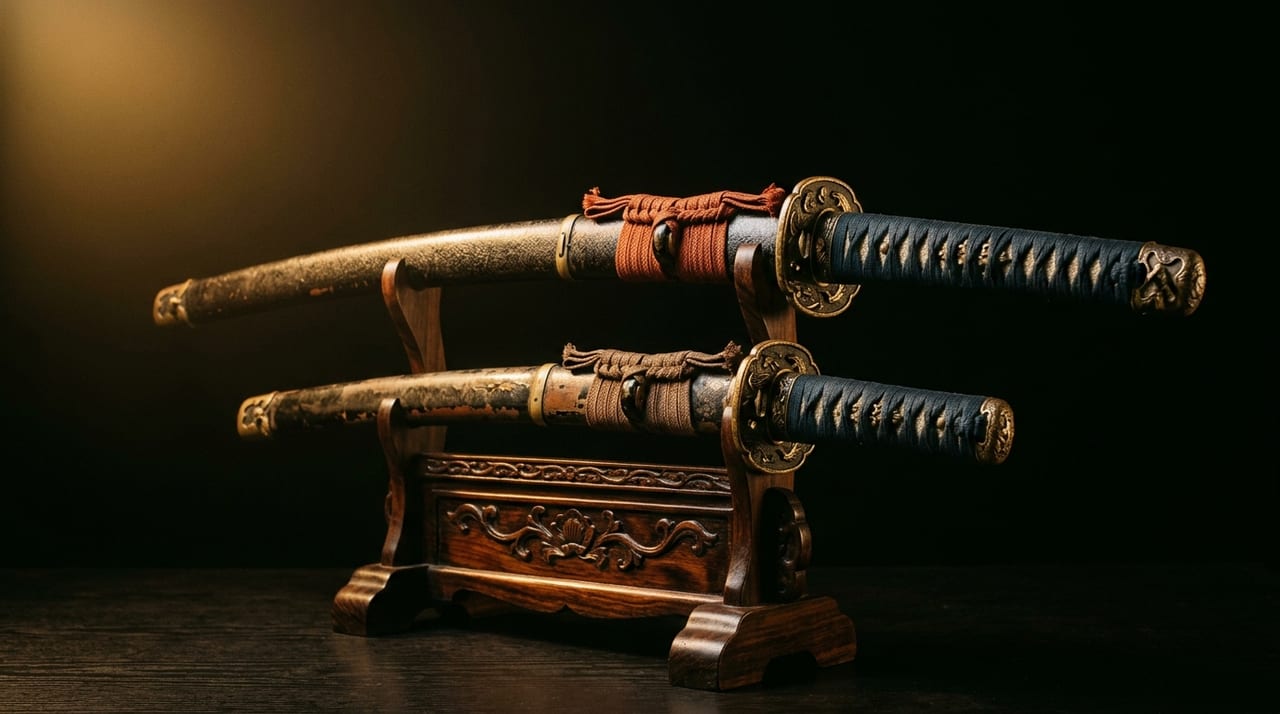
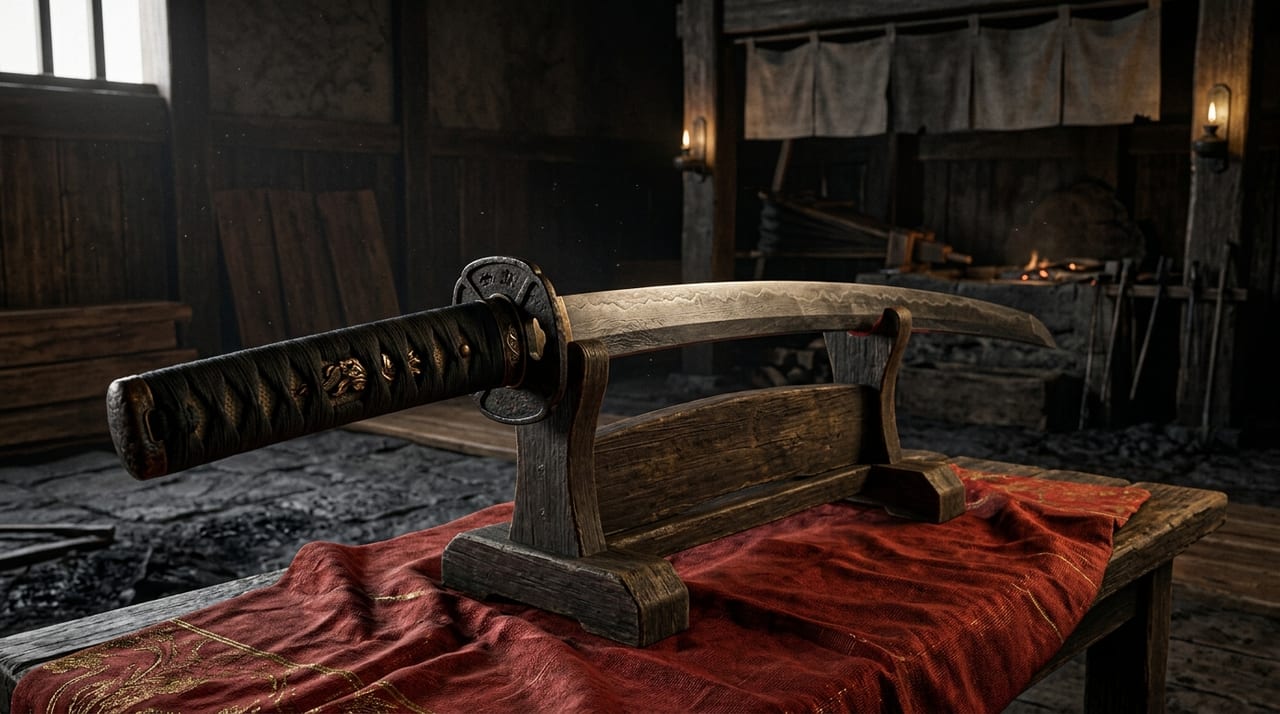
Those mobilized in the Akita War included not only samurai of the Kubota clan, but also hastily organized peasant soldiers and townspeople from the districts. Equipment was far from uniform; while some units carried Western-style rifles issued from the clan's armories, many others set out to battle bearing uchigatana and wakizashi swords handed down through generations. On the battlefields of Tohoku during the Boshin War, swords increasingly functioned not as primary weapons, but rather as a last resort in close combat or unexpected encounters, or as a tool expressing status and resolve. While commander-level samurai wore large swords in jintatachi mounting, actual combat units often switched to simpler uchigatana mounting for ease of movement, and this war too reveals the transitional state in which peacetime ceremonial sword-wearing and wartime practical sword-wearing coexisted.
Sword Affairs of the Late Edo Period—Changes in Form and Sword-Wearing Practice
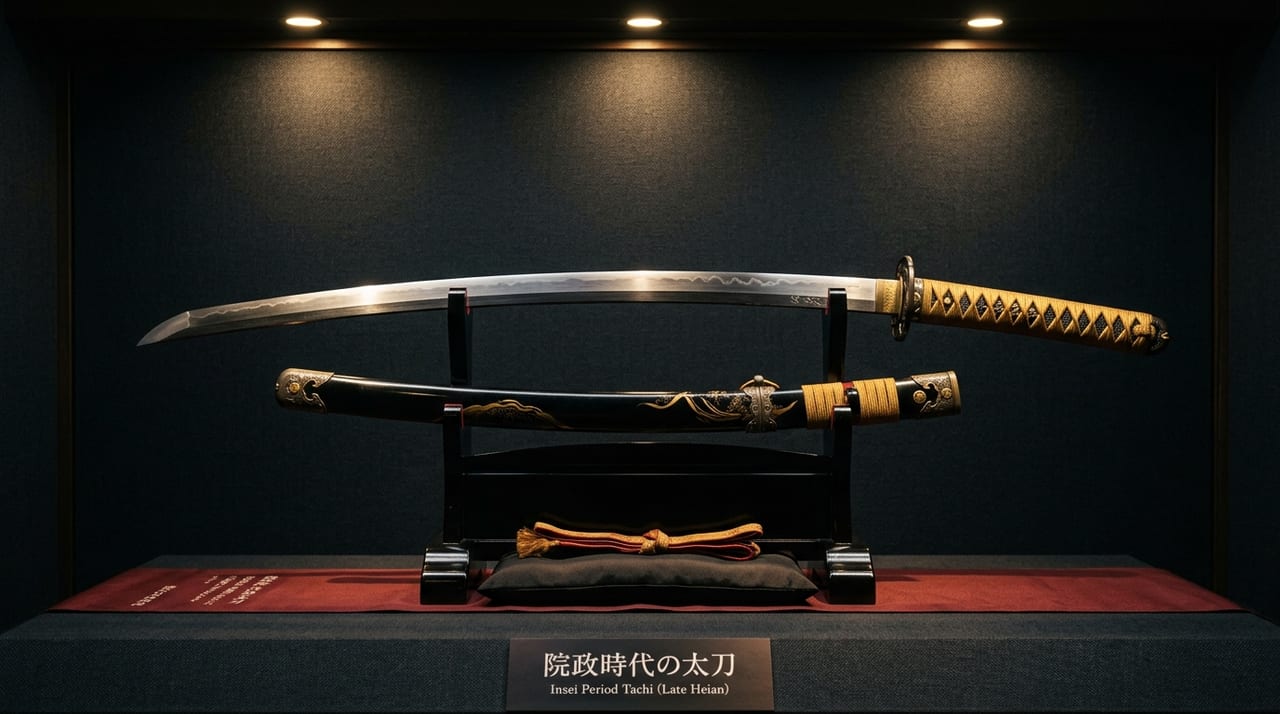
The swords of the late Edo to Meiji transition were at a time when the stylistic approach of the so-called shinshinto period—emphasizing tough jigane to withstand breakage and bending in actual combat—was spreading. Meanwhile, Western rifles such as Gébé and Minié rifles, which replaced the arquebus, and to some extent Snider rifles, were introduced to the battlefield, and swords gradually retreated to the position of auxiliary weapons. Nevertheless, for samurai, sword-wearing remained an expression of status and resolve, and it can be imagined that even in the Kubota clan, many samurai brought out ancestral swords when hostilities commenced. After the war, even before the Sword Abolishment Edict (Meiji 9), such combat experience became a factor in greatly changing the demand for and evaluation of swords.
- Western-style rifles (Gébé, Minié, etc.) made swords into auxiliary weapons
- Commanders used jintatachi mounting while actual combat units increasingly used simpler uchigatana mounting according to tactical need
- The stylistic approach of the shinshinto period emphasizing tough jigane was spreading
What the Akita War Left to Swords and Regional History
The Akita War, contrary to its outcome, imposed great sacrifices on the Kubota clan and its people. Many weapons and swords were lost in combat, and while surviving relics are limited, details of the armaments and battles of that time are transmitted to the present day through the region's historical materials and monuments. The decision of the Kubota clan—to stand with the new government even at the cost of withdrawing from the alliance—went beyond mere political judgment; it posed an existential question to each samurai: whether to take up a sword and fight or not. For us modern people selecting swords online, understanding that such regional and war history accumulates behind each blade may serve as a key to deepening our understanding of swords.
The Burden on the Kubota Clan and What Followed
Despite standing with the new government forces, the Kubota clan's burden was far from light. In a military situation surrounded on all sides by attacks from multiple allied clans including Shōnai and Nanbu, the clan had to shoulder both self-defense and rear-area support, and war expenses and reconstruction costs heavily strained the clan's finances. Because the castle town and rural areas repeatedly suffered damage from arson and plunder, post-war reconstruction is said to have taken a long time. While the Kubota clan's decision to withdraw from the alliance is positioned as contributing to the new government's victory from the perspective of the overall Boshin War outcome, for local inhabitants, being on the "winning side" did not necessarily mean liberation from the ravages of war.
Among the Ouetsu League, few clans like Kubota made such a major policy shift partway through, and behind this decision lay the strong advocacy of samurai who upheld loyalist ideology. The circumstances of the Akita War well illustrate how the various northeastern clans, each facing different geographic conditions and internal political dynamics, did not uniformly approach the Boshin War. For the samurai of that time who went into battle with swords at their side, the choice between the alliance and the new government transcended the mere question of military alliances and was a grave decision that determined the fate of their families and people.