The Koshi Purge of 1864: Choshu Domain Internal Strife and the Suppression of the Reformist Faction
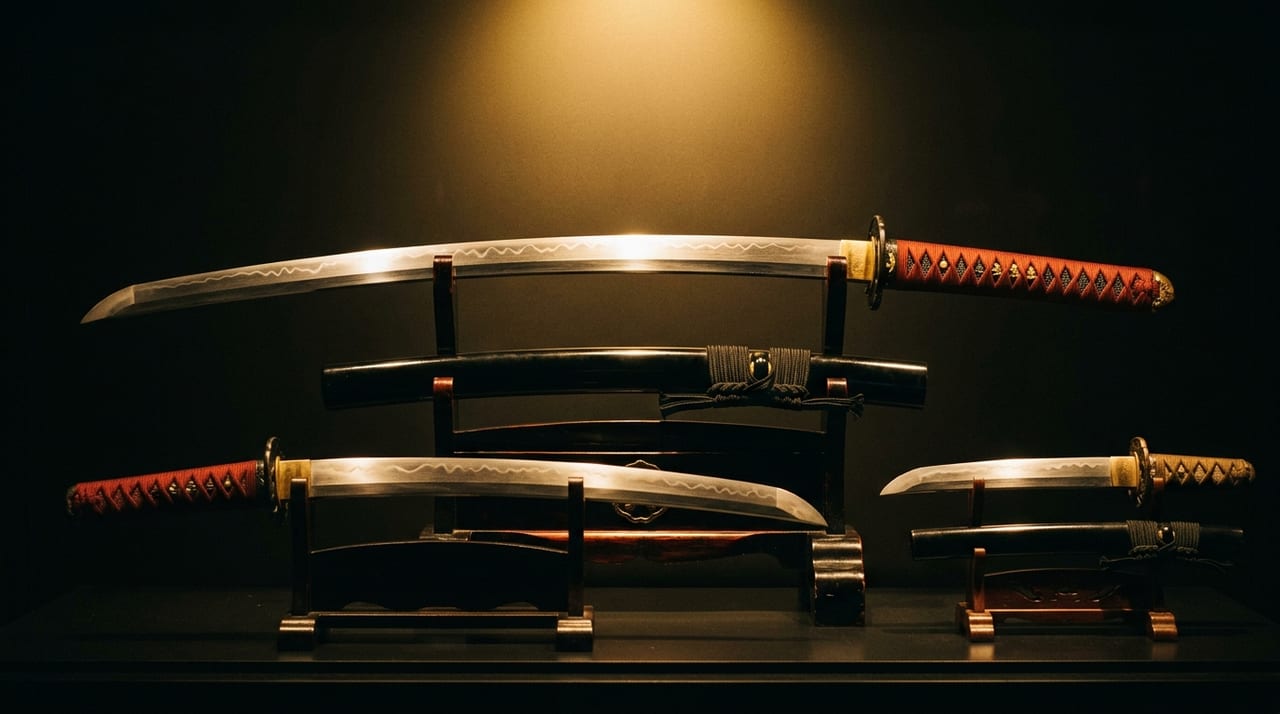 * Image is for illustrative purposes only.
Table of Contents
Fall from the Kinmon Incident and the "Kasshi no Goku"
In the seventh month of Genji 1 (1864), the Choshu Clan was defeated in street fighting around the Imperial Palace — the Kinmon Incident (Hamaguri-mon Gate Incident) — and was branded as an enemy of the throne. By the time the clan retainers who had fled Kyoto returned to Hagi, the bakufu had already issued orders to the other clans for the First Choshu Expedition, and the Choshu Clan found itself in dire straits where the very survival of the clan was in question. This external crisis rapidly intensified long-standing factional divisions within the clan — opening the country versus expelling foreigners, submission to the bakufu versus resistance. The reformist faction (Seigi-ha) that had led the Kinmon Incident found itself blamed for the defeat, and in response, the conservative faction (Zokuron-ha, also called the Zokuron-to) — which advocated submission to the bakufu — saw an opportunity to seize back control of clan opinion. Because that year corresponded to Kasshi (Wood Rat) in the zodiacal cycle, the clan purges that followed came to be called the "Kasshi no Goku" (Persecution of Kasshi) in later years. The circumstances of the Kinmon Incident itself — the fierce battles and deaths of Kijima Matabei and Kusaka Genzui — are already widely known, so we will not go into detail here. This article traces the aftermath of the internal strife and purges that the Choshu Clan brought upon itself in the aftermath of defeat, and the role that swords played in these events.
The Zokuron-ha Coup and the Seppuku of the Three Elders
Shortly after the Kinmon Incident, the Zokuron-ha seized actual power in a coup-like manner within the Choshu Clan. Key posts in the clan government were rapidly replaced by conservatives, and clan opinion shifted dramatically toward submission and apology. Under this shift, the first action taken was the execution of the three elders who had led the Choshu forces in the Kinmon Incident.
- Masuda Uemonnosuke (Chikanobu) — seppuku at Sōji-in
- Kunishi Shinano (Chikasuke) — seppuku at Tokuyama Chōsen-ji
- Fukuhara Echigo (Mototake) — seppuku at Iwakuni Ryūgo-ji
All three were elders who commanded the Choshu forces in the Kinmon Incident, and in the eleventh month of Genji 1, they were ordered to commit seppuku in succession. It is said that this was because Saigō Takamori, who served as chief of staff of the Choshu Punitive Expedition, strongly demanded the execution of the three elders. In samurai society, seppuku was a ritual by which one could fulfill responsibility through death while maintaining one's honor, and this form of execution was chosen for those of elder rank. The death of the three elders, as the first proof of the Choshu Clan's submissive stance toward the bakufu, had a profound impact both within and outside the clan.
The Decapitation of the Four Advisors and the Eleven Martyrs of the Kasshi Persecution
Four advisors who participated in the war council at the same Kinmon Incident as the three elders — Shishido Masazumi, Takeuchi Shōbei, Nakamura Kurō, and Sakuma Sahei — were of lower rank than elders and were therefore executed by decapitation rather than seppuku. In the eleventh month of Genji 1, when the three elders were committing seppuku in succession, the four advisors were also decapitated at Noyama Prison and put to death. The punishment of decapitation, regarded as a greater disgrace than seppuku for a warrior, demonstrates how harsh a stance the Zokuron-ha regime took toward the Seigi-ha faction.
The purges did not end there. The Zokuron-ha continued to arrest reformist politicians and samurai who had led clan opinion and threw them into Noyama Prison. On the 19th–20th day of the 12th month of Genji 1 (January 16–17, 1865), the remaining seven, including Yamada Matasuke and Matsushima Gōzō, were executed at Noyama Prison, and together with the four advisors mentioned earlier, eleven people — later called the "Eleven Martyrs of the Kasshi Persecution" — became victims of the Kasshi no Goku.
- Shishido Masazumi
- Yamada Matasuke
- Maeda Magoemon
- Takeuchi Shōbei
- Mōri Noboru
- Matsushima Gōzō
- Nakamura Kurō
- Sakuma Sahei
- Yamato Yahachirō
- Watanabe Kurata
- Narasaki Yahachirō
Those including Yamada Matasuke and Matsushima Gōzō were talented individuals who had led clan government and military system reforms, and their mass execution left deep scars on the clan's human resources base. The Eleven Martyrs were later enshrined together with the three elders at a tomb at Tōkō-ji in Hagi.
Sufu Masanosuke, the Decline of the Reformist Faction
Sufu Masanosuke, who had been at the center of the reformist faction and long led clan opinion, was also driven from the center stage in this political upheaval. He worked hard with Takasugi Shinsaku and others to prevent a rash uprising of clan samurai but failed, and was gradually stripped of actual power as responsibility for the Kinmon Incident and the First Choshu Expedition was laid upon him. On the 26th day of the 9th month of Genji 1, Sufu committed seppuku at the house of a village headman in Yamaguchi Yabara, closing his life of 42 years. This was self-inflicted death just before the Zokuron-ha's purges intensified, and it was a serious blow to the reformist faction as they lost their mainstay. Sufu's death, preceding the seppuku of the three elders and the execution of the Eleven Martyrs, was also an event that foreshadowed the dramatic shift of clan opinion toward the conservative faction.
Seppuku, Kaishakunin, and Decapitation — Execution Rituals and Swords
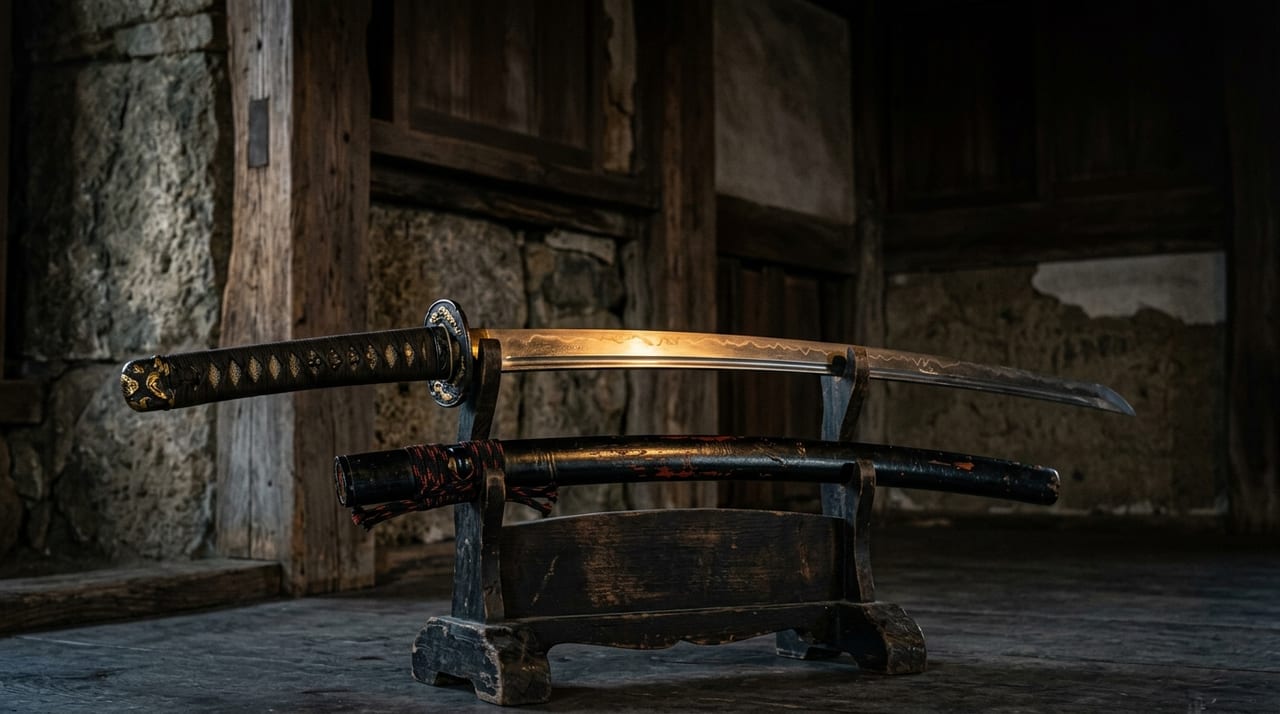
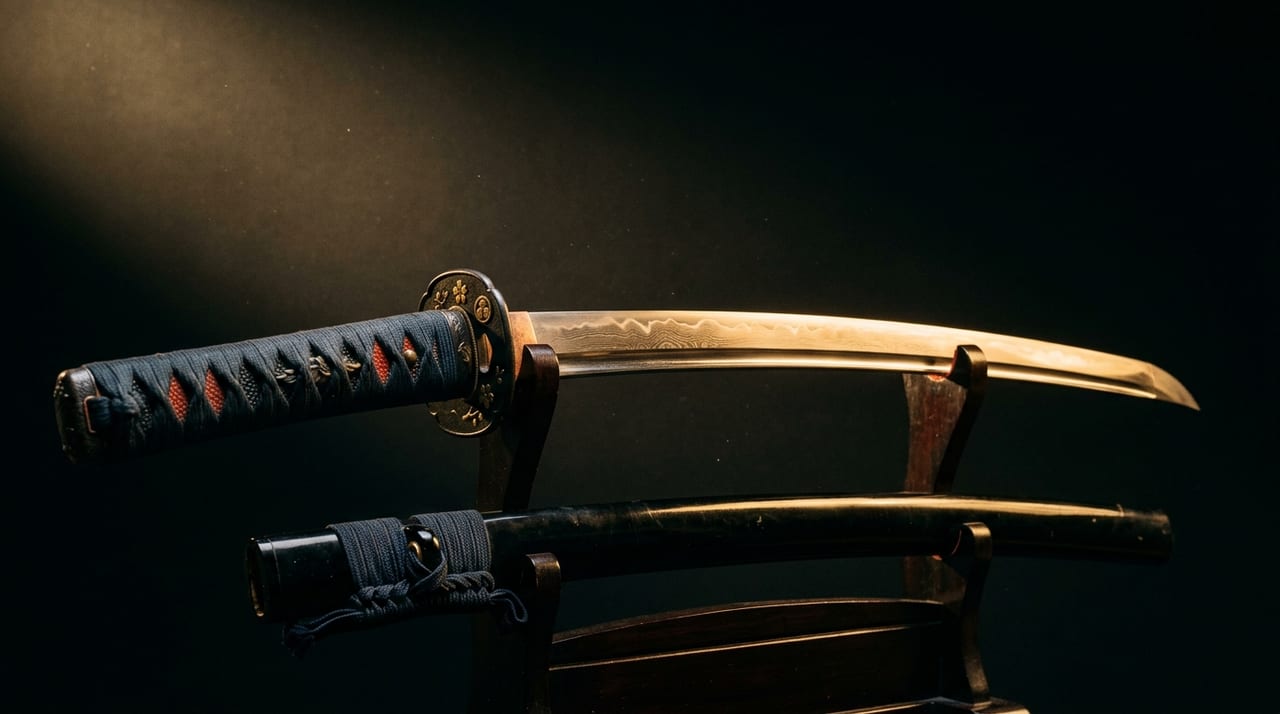
The successive executions during the Kasshi no Goku were all carried out according to samurai penal rituals. In seppuku, immediately after the condemned person thrust a tanto or wakizashi into their abdomen, the kaishakunin (second) would cut off the head with a katana, and the ritual was designed to prevent prolonged suffering. Those who served as kaishakunin were required to have the skill for a certain and decisive stroke, and it was customary to select someone of appropriate expertise depending on the rank of the condemned person and the place of execution. On the other hand, decapitation — applied to those of lower rank than elders — was a form of execution in which the condemned person was made to kneel and the head was cut off with a katana, and it was clearly distinguished from the honorable death of seppuku.
- Swords used in seppuku — tanto and wakizashi (lengths around nine sun five bu were preferred)
- Swords used by the kaishakunin — katana (long swords that were easy to swing)
- Swords used in decapitation — also primarily katana
Before being artworks, these swords were practical tools that embodied the samurai status hierarchy and their view of life and death. The very distinction made between seppuku and decapitation in the Kasshi no Goku demonstrates that it was also a political decision regarding which ranks within the clan should be accorded "honor."
The Kōzan-ji Rising and the Transformation of the Choshu Clan
The execution of the latter seven of the Eleven Martyrs took place nearly simultaneously with Takasugi Shinsaku's uprising. When news reached Hagi on the 15th day of the 12th month of Genji 1 (January 12, 1865) that Takasugi had raised an army with only a small number of fellow conspirators at Kōzan-ji in Shimonoseki, the Zokuron-ha regime forcibly executed those who still remained in prison three days later. It was a desperate final action by the conservatives who were being cornered. However, Takasugi's uprising would soon reshape the balance of power within the clan and become the driving force for overthrowing the Zokuron-ha regime. The memory of those who lost their lives in the Kasshi no Goku would be heavily remembered as a lost sacrifice in the subsequent process by which the Choshu Clan shifted once again toward the anti-bakufu line.