The Akebonotei Incident (1864) and Swords: The Shinsengumi, Aizu Domain, and a Tragedy of Mistaken Identity
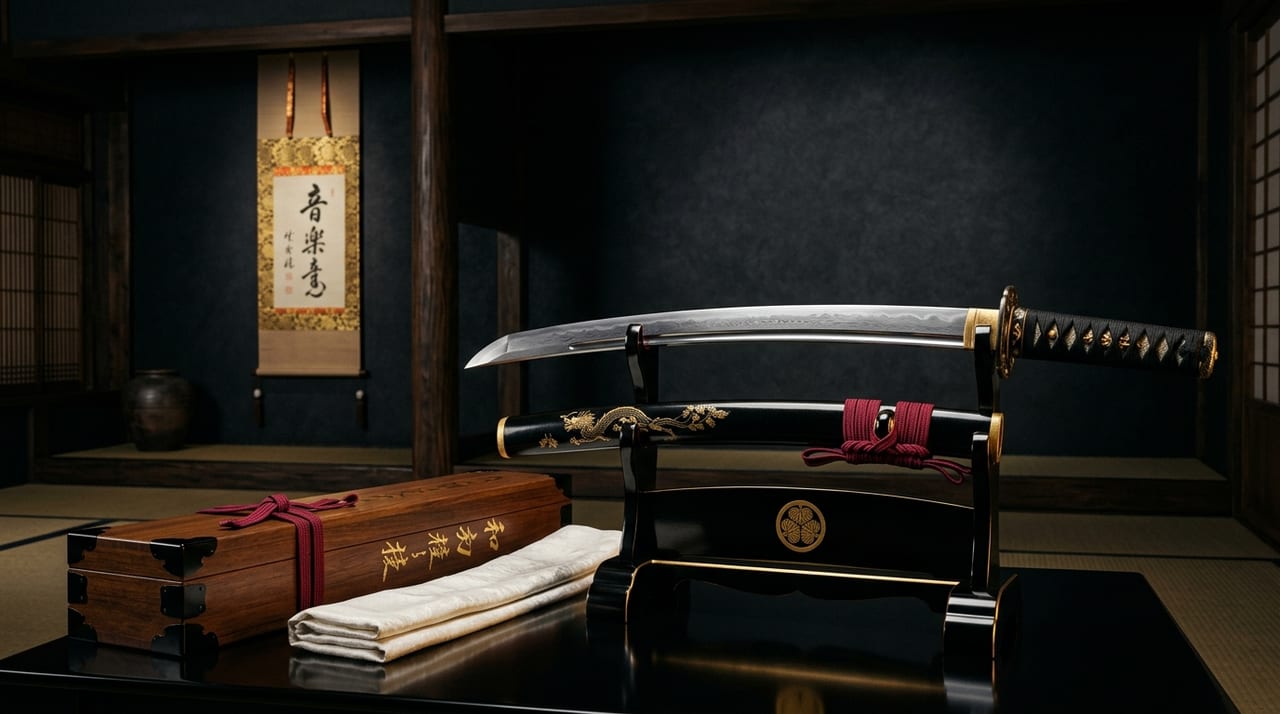 * Image is for illustrative purposes only.
Table of Contents
The Aftermath of the Ikeda-ya Incident and Dispatch to Akebonotei
On the 5th day of the 6th month of Genji 1 (July 8, 1864), at the Ikeda-ya inn in Sanjō Kiyamachi, Kyoto, the Shinsengumi attacked royalist-sonnō activists centered on the Chōshū domain and killed or captured many of them. Known as the Ikeda-ya Incident, this event—which preempted the activists allegedly planning to burn the imperial palace and other acts—was a shocking occurrence that brought intense tension to the various forces responsible for maintaining peace in Kyoto.
In the immediate aftermath of the incident, the Shinsengumi and Aizu clan soldiers under the Kyoto Protector conducted repeated searches of tea houses, temples, and shrines throughout the city and surrounding areas to track down fugitive activists and their associates. Days later, on the 10th day of the 6th month (July 13, 1864), the search reached Akebonotei, a tea house in Kyoto's Higashiyama district. A small clash that occurred there would develop in unexpected ways into a diplomatic crisis that would shake Kyoto's political situation.
The Shinsengumi operated under Matsudaira Katamori, the Kyoto Protector, with responsibility for maintaining security and conducting searches throughout the city, and frequently worked in coordination with Aizu clan soldiers. The dispatch to Akebonotei was likewise part of these coordinated search efforts conducted by both groups under this chain of command.
The Akebonotei Incident: Circumstances
On the 10th day of the 6th month, the Shinsengumi and Aizu clan soldiers, acting on information that Chōshū remnants were hiding at Akebonotei, surrounded the tea house. As they moved in, a person attempted to flee from the garden. The search party pursued, struck the person's back with a spear, inflicting a wound, and apprehended him on the spot.
However, it was soon discovered that the person apprehended was not a Chōshū activist but Asada Tokitarō, a samurai of the Tosa domain. The exact circumstances of why Asada was present at the location remain unclear, but it was certainly a miscalculation for the search party that he was not among the remnants they were targeting. Asada was temporarily transferred to the Tosa clan residence, and efforts were made to resolve the situation.
The Aizu Samurai Shiba Tsukasa with Spear in Hand
What is often overlooked in accounts of the Akebonotei Incident is that it was not a Shinsengumi member but Shiba Tsukasa, an Aizu clan samurai, who actually wounded Asada. While the Shinsengumi and Aizu clan soldiers conducted the search jointly, it was Shiba Tsukasa who pursued the person in the garden and struck him with a spear. The weapon used was not a sword but a spear, which was employed in search and apprehension operations.
Perhaps because the Shinsengumi are widely known, this incident is sometimes described as a sword assault by the Shinsengumi, but the actual perpetrator was an Aizu clan member, and the weapon used was not a sword. Though this distinction may seem minor, it is an essential premise for understanding how the incident subsequently unfolded—specifically, how it came to be handled as a matter between two daimyo domains, the Aizu and Tosa clans.
Mistaken Identity and Rising Tensions with the Tosa Domain
The fact that Asada Tokitarō was a Tosa domain samurai gave the incident a gravity that went beyond mere mistaken apprehension. In Kyoto at that time, if a samurai of one domain wounded a samurai of another domain under the pretext of search or security operations, it could become a matter affecting the honor and diplomatic relations between domains. Especially since the victim was not a member of a hostile faction but a samurai of the Tosa domain, which stood close to the bakufu.
Tension rose between the Aizu and Tosa domains over how to resolve the matter. The very fact of being wounded by a spear thrust to the back came to be seen as an issue of samurai honor. In a situation that could easily have escalated into conflict between the two domains, resolving the matter required decisive action.
Two Seppuku: Shiba Tsukasa and Asada Tokitarō
The situation was resolved through the suicide of both parties involved.
- Shiba Tsukasa, after consulting with his older brother, committed seppuku on the 12th day of the 6th month of Genji 1 (July 15, 1864). It is said that his brother served as his second.
- Asada Tokitarō likewise committed seppuku as a way of taking responsibility.
By taking responsibility through seppuku, both parties avoided direct confrontation between the Aizu and Tosa domains. This small clash, which occurred just days after the Ikeda-ya Incident, was settled by the deaths of the two men involved and thus concluded without leaving a major scar on Kyoto's political situation.
The Weapons of Search and the Etiquette of Seppuku—Japanese Sword Culture Reflected in the Incident
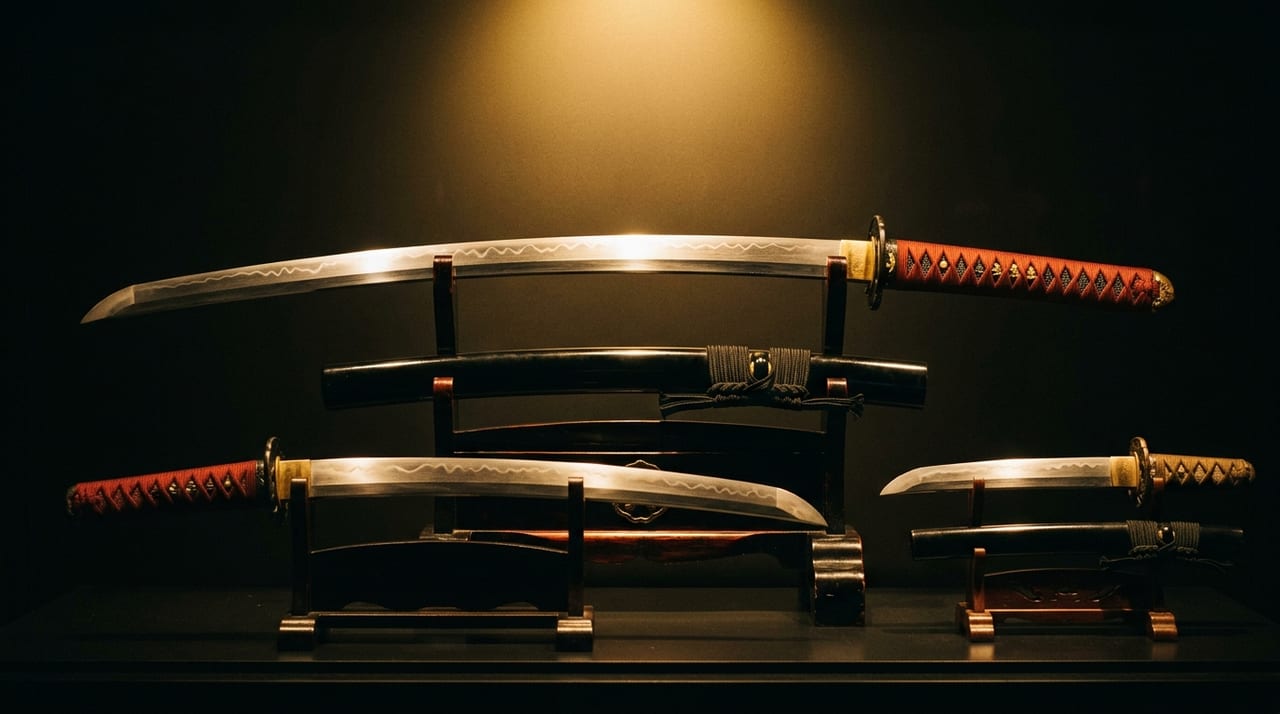
The Akebonotei Incident well illustrates how weapons were employed during the late Bakumatsu period in Kyoto. While samurai of the time ordinarily wore a matched pair of large and small swords, it was not uncommon for them to additionally carry a spear when conducting specific tasks such as security patrols and searches. In urban searches conducted by the Shinsengumi and Aizu clan soldiers, spears were frequently used alongside swords. In narrow gardens and alleys, a spear—which allowed one to maintain distance and more easily control an opponent's movements—was a practical choice of weapon, and Shiba Tsukasa's carrying of a spear reflected this general approach to arming for search operations.
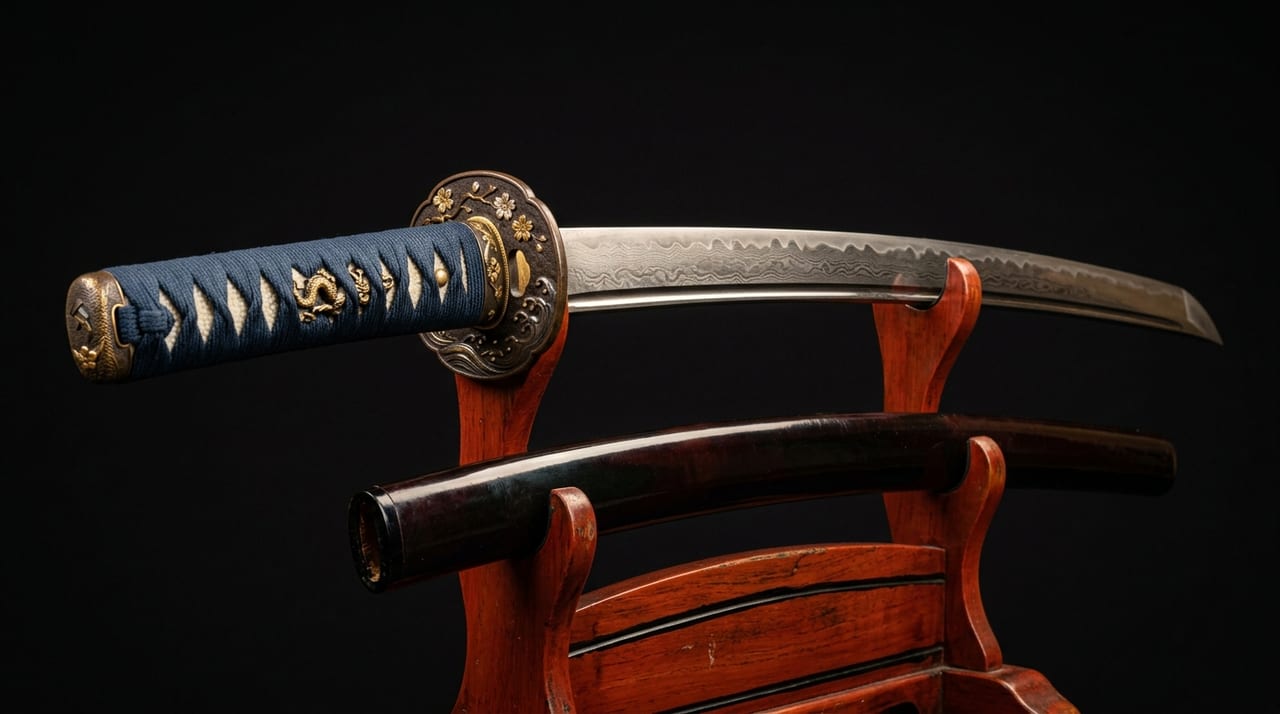
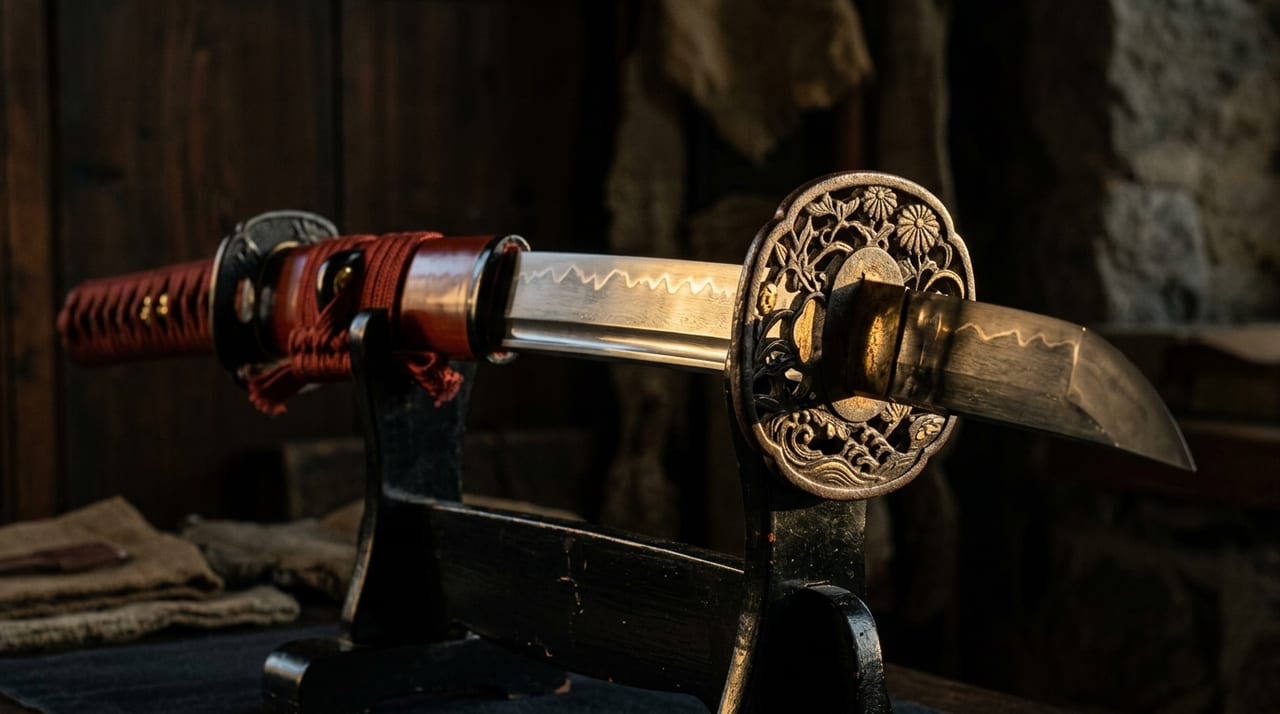
By contrast, the act of seppuku through which the incident was resolved reveals a different facet of sword culture. It was customary for short swords or wakizashi to be used for seppuku, while a long sword was used by the second performing the mercy stroke. The account that Shiba Tsukasa's older brother served as his second in seppuku shows that seppuku was not mere suicide but a ritualized, formal act in which a close relation witnessed and assisted as the second.
The spear wielded at the site of the search and the sword used in taking responsibility—the Akebonotei Incident encapsulates within a single event the multiple weapons carried by late Bakumatsu warriors and the different roles each played. The fact that it was not the Shinsengumi but Aizu clan samurai Shiba Tsukasa who actually inflicted the wound, and that the weapon used was a spear rather than a sword, are facts that cannot be overlooked in accurately understanding the incident. And the fact that two samurai, Shiba Tsukasa and Asada Tokitarō, took responsibility by committing seppuku themselves demonstrates that in late Bakumatsu samurai society, swords remained tools that embodied honor and the weight of responsibility.