The Burning of the Satsuma Domain's Mita Residence (1867): Swords on the Eve of the Boshin War
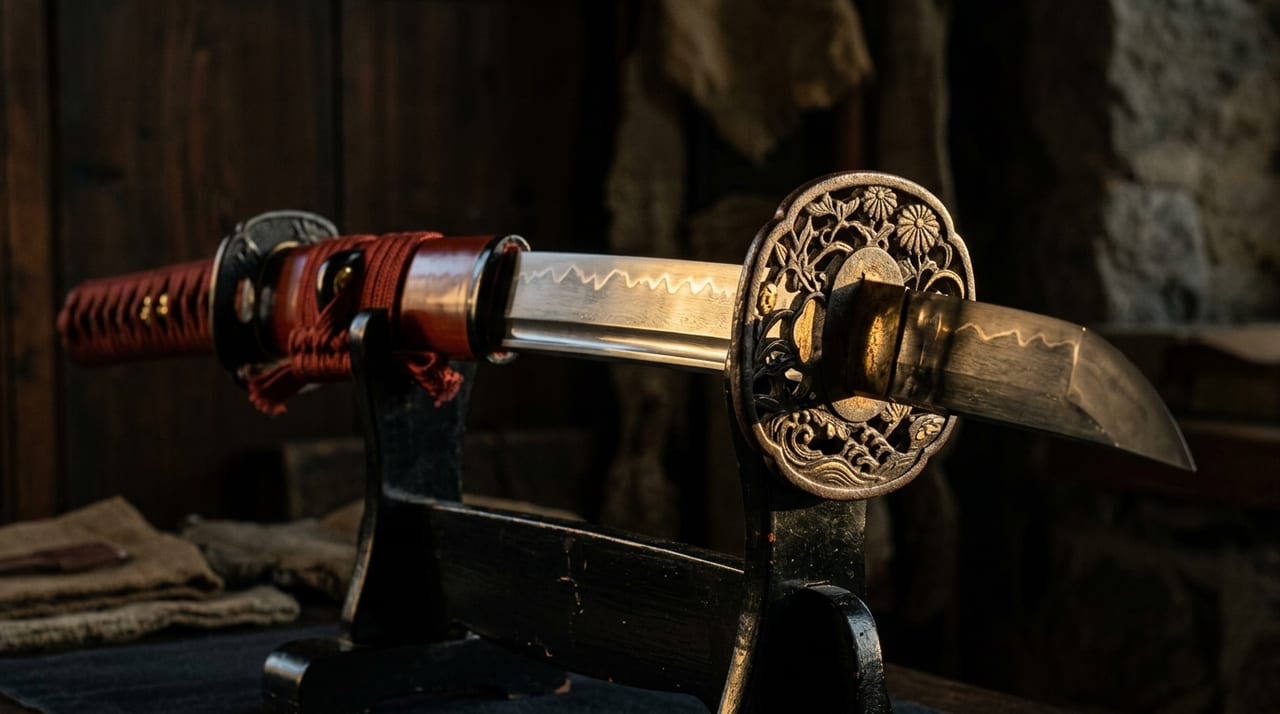 * Image is for illustrative purposes only.
Table of Contents
In the 12th month of Keio 3 (1867), just as the peaceful transfer of shogunal authority through the return of power to the court (Taisei Hōkan) appeared to be advancing without incident in Edo, beneath the surface the tensions between the anti-shogunate and pro-shogunate factions were approaching their limit. This tension erupted all at once in the incident of the 25th day of the 12th month of that year (January 19, 1868 by the Western calendar) when the Mita Satsuma Domain residence was burned. This incident, which is said to have been the direct trigger for the Battle of Toba-Fushimi that would break out the following month, was the final "street battle of Edo" at the end of the Edo period.
The Embers of Anti-Shogunate Fervor Persist After the return of power to the court (Taisei Hōkan)
Through the return of power to the court (Taisei Hōkan) of the 10th month of Keio 3, Tokugawa Yoshinobu returned political authority to the imperial court. However, this did not mean that armed conflict had been averted. The anti-shogunate radical faction, centered on the Satsuma Domain, still aimed for the elimination of the Tokugawa family through military force, and it is said that Saigo Takamori and others sought to provoke the shogunate faction by sowing chaos in Edo and to create a pretext for war.
The execution of this plan fell to groups of ronin led by Satsuma samurai such as Imuta Shohei and Masumitsu Kyunosuke. Robberies targeting merchants and wealthy merchants in Edo, arson, assassination plots against shogunate officials, and similar incidents occurred in rapid succession, and public order in the city deteriorated rapidly. It is said that people of Edo at the time called this, with some self-mockery, "official robberies."
The Conflagration of Edo Castle's Ninomaru and the Attack on the Shonai Domain Barracks
On the night of the 23rd day of the 12th month (January 17, 1868), a fire broke out in the Ninomaru of Edo Castle. The cause of the fire is unclear, but involvement by ronin associated with the Satsuma Domain was strongly suspected. Around the same time, the barracks of the Shonai Domain (in Mita Dōbō-chō), which was in charge of policing the city, came under gunfire from the ronin side, resulting in casualties among Shonai Domain samurai.
These incidents inflamed the anger of the shogunate faction and pro-shogunate forces. Centered on the Shonai Domain, which had sole responsibility for policing Edo, troops from multiple domains including Kaminoyama and Sabae were mobilized, and an attack on the Mita Satsuma Domain residence, believed to be the ronin's base, was decided upon.
The Siege and Burning of the Mita Residence
In the early morning of the 25th day of the 12th month, a shogunate force with the Shonai Domain as its main strength surrounded the Mita Satsuma Domain residence. Although the residence's defenders put up resistance, the difference in military strength was overwhelming, and soon the building was engulfed in flames from cannon fire and arson. It is said that in this battle many of those inside the residence were killed or captured, while some barely managed to escape on Satsuma Domain ships moored in Edo Bay.
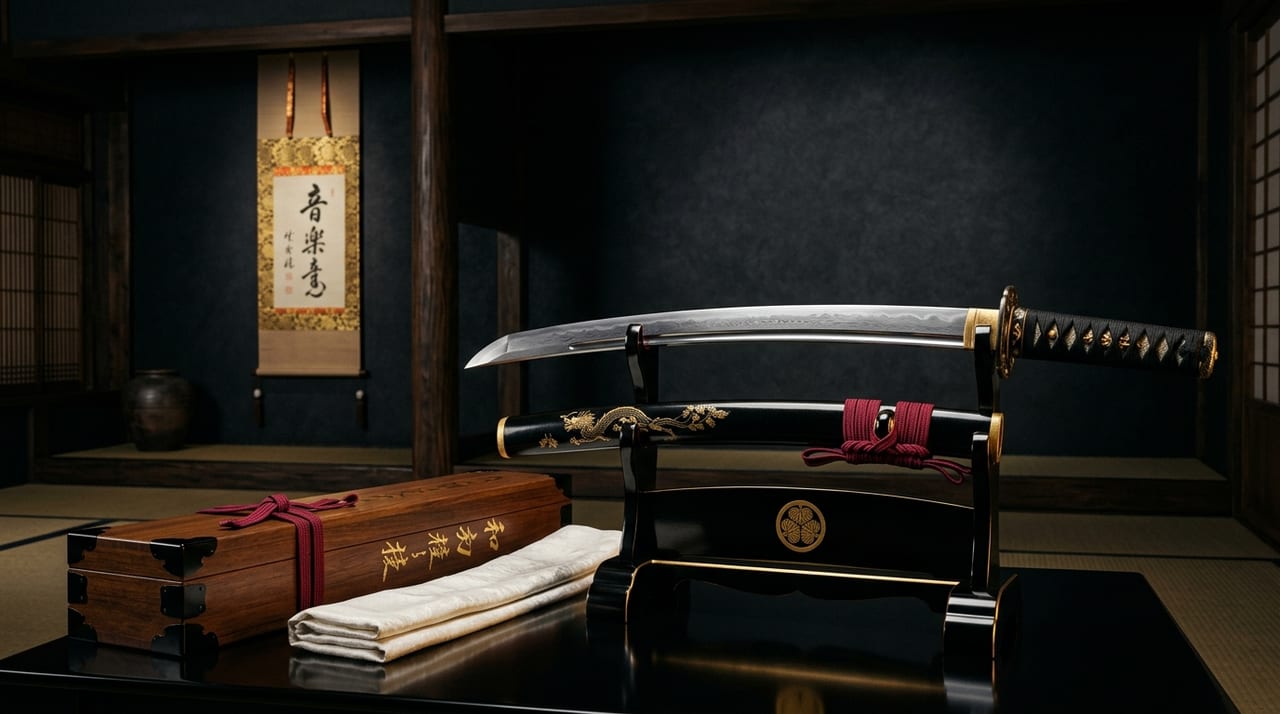
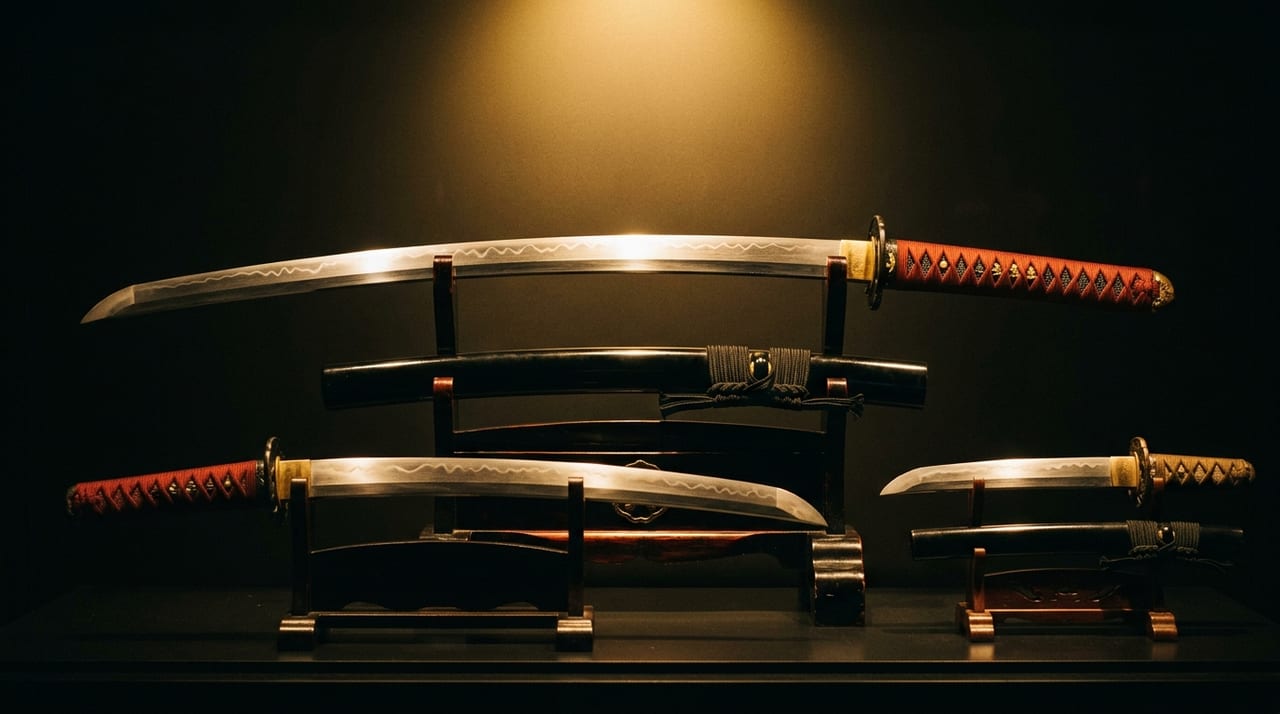
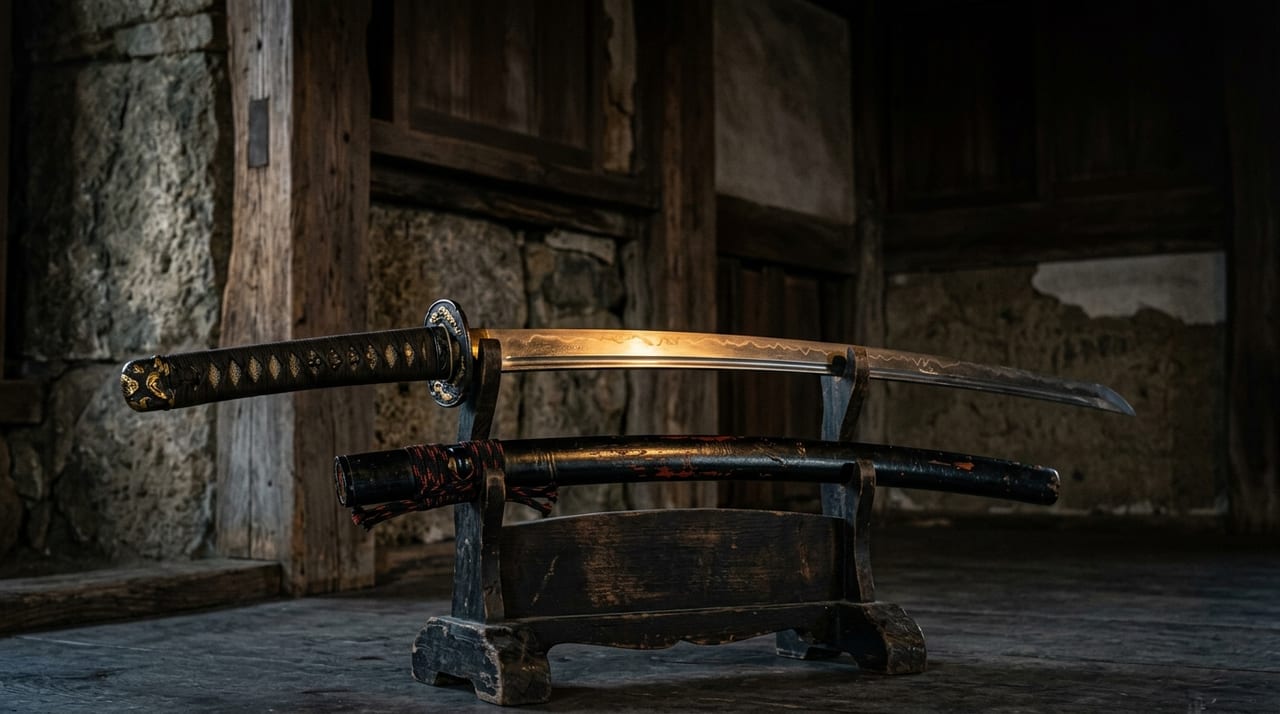
During this period, samurai of Edo typically wore both a katana and wakizashi—the traditional daishō pair—even during normal times such as castle visits and city patrols, and it is believed that the samurai standing guard at the domain residence were similarly armed. However, this battle was primarily conducted through rifle and cannon fire, and instances in which swords were wielded as the primary weapons appear to have been limited. It can be said to symbolize a scene emblematic of the transitional reality as armament at the end of the Edo period shifted from swords to firearms.
Historical records from the time also document that organizations of the shogunate faction, such as the Shinchōgumi, which patrolled Edo, frequently mobilized to suppress ronin activities. These organizations likewise had the daishō pair as standard equipment, revealing that public order in Edo was entrusted to the end to samurai armed with swords.
The News Reaches Osaka and the Fuse to War is Lit
News of the burning of the Mita residence reached Tokugawa Yoshinobu at Osaka Castle and pro-shogunate domains such as Aizu and Kuwana within days. The anger of the pro-shogunate faction, viewing this as "unlawful conduct by the Satsuma Domain," reached its peak, and calls for the suppression of the Satsuma Domain rose sharply.
Arranging these events chronologically makes clear how rapidly matters descended into open war.
- 23rd day of the 12th month: Conflagration of Edo Castle's Ninomaru, ronin attack on Shonai Domain barracks
- 25th day of the 12th month: Attack and burning of the Mita Satsuma Domain residence
- 2nd day of the 1st month, Keio 4 (January 26, 1868): The Osaka forces advance toward Kyoto
- 3rd day of the 1st month (January 27): Battle is joined at Toba-Fushimi
Within a mere ten days or so, the street battle of Edo had expanded into full-scale internal war in the Kyoto-Osaka region. The incident at the Mita Satsuma Domain residence was not merely a local disturbance, but rather an incident that lit the fuse to the great upheaval of the Boshin War, and thus occupies an important place in the history of the late Edo period.
The Shonai and Satsuma Domains Thereafter
The Shonai Domain, which burned the Mita residence, became marked for suppression as an enemy of the throne from this point forward, and in the Boshin War would fight against the new government forces as a member of the Northern Alliance. Though the Shonai Domain fought well among the alliance forces, it ultimately surrendered and was subject to punishment by the Meiji government.
Ironically, it was Saigo Takamori of the Satsuma Domain—the very target of the burning of the Mita residence—who oversaw the Shonai Domain's punishment. It is said that Saigo dealt with the Shonai Domain with magnanimity, showing consideration for the preservation of the domain lord's status and family name. The former samurai of the Shonai Domain, moved by this response, later compiled Saigo's recorded sayings and deeds, the Nanshu-o Ikunshin, and passed it down to posterity. The paradoxical aftermath wherein the Satsuma Domain, whose residence was burned in Edo, and the Shonai Domain, which became an enemy of the throne as retribution, became bound by deep ties in the postwar period speaks to the complexity of late Edo period history.
Summary
The incident at the Mita Satsuma Domain residence was an event in which the conflict between anti-shogunate and pro-shogunate factions, which had not subsided even after the return of power to the court (Taisei Hōkan), finally transformed into armed conflict in the streets of Edo. The series of events—the disruptions caused by ronin, the attack on Shonai Domain barracks, and the burning of the residence—led directly to the Battle of Toba-Fushimi and ultimately to the Boshin War. It can be said to be one of the indispensable events for understanding the turning point of the late Edo period.
TOUKENZA introduces a diverse range of Japanese swords from various periods and schools in its online catalog, including blades connected to this tumultuous period of the late Edo era. Those wishing to appreciate swords in the context of their historical background are encouraged to view the catalog.