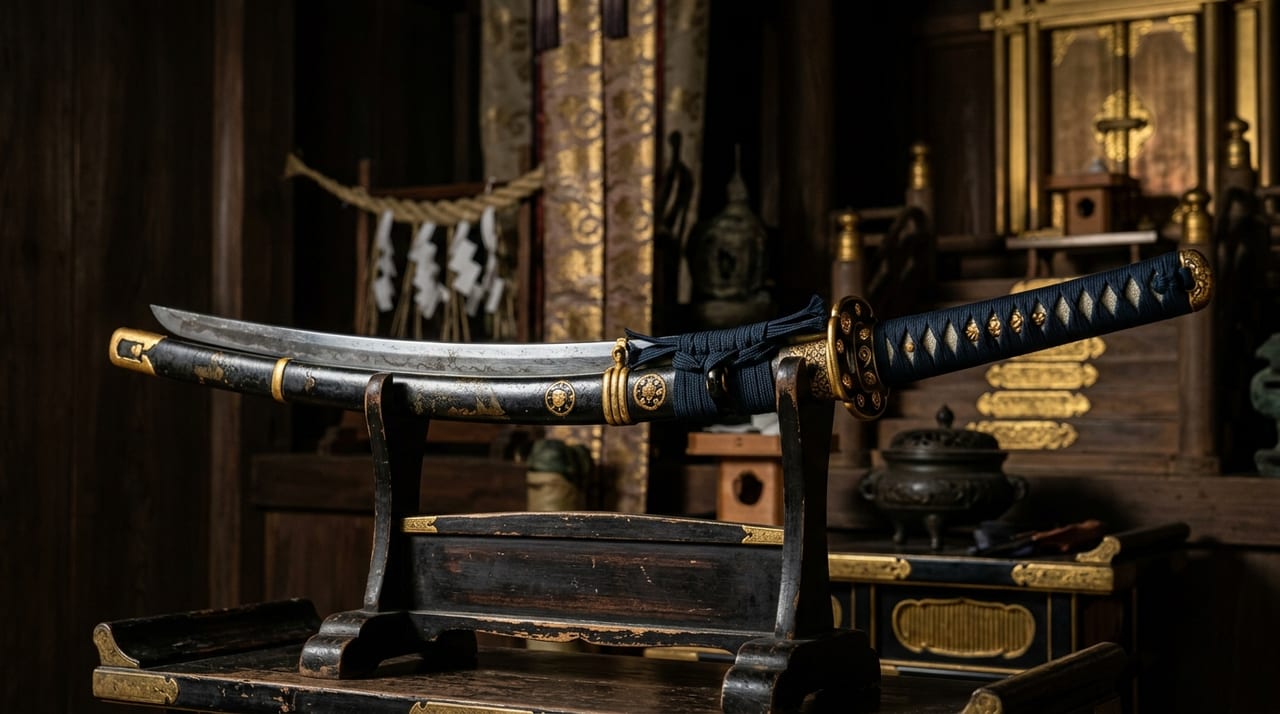
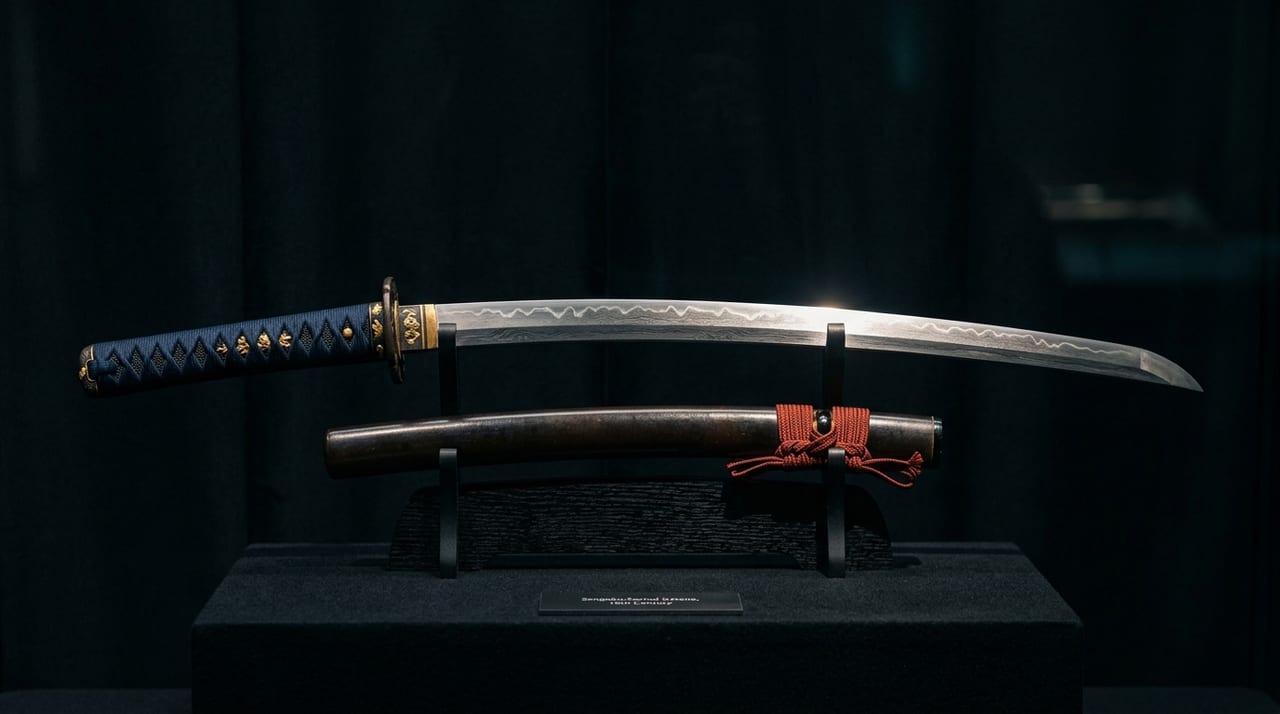
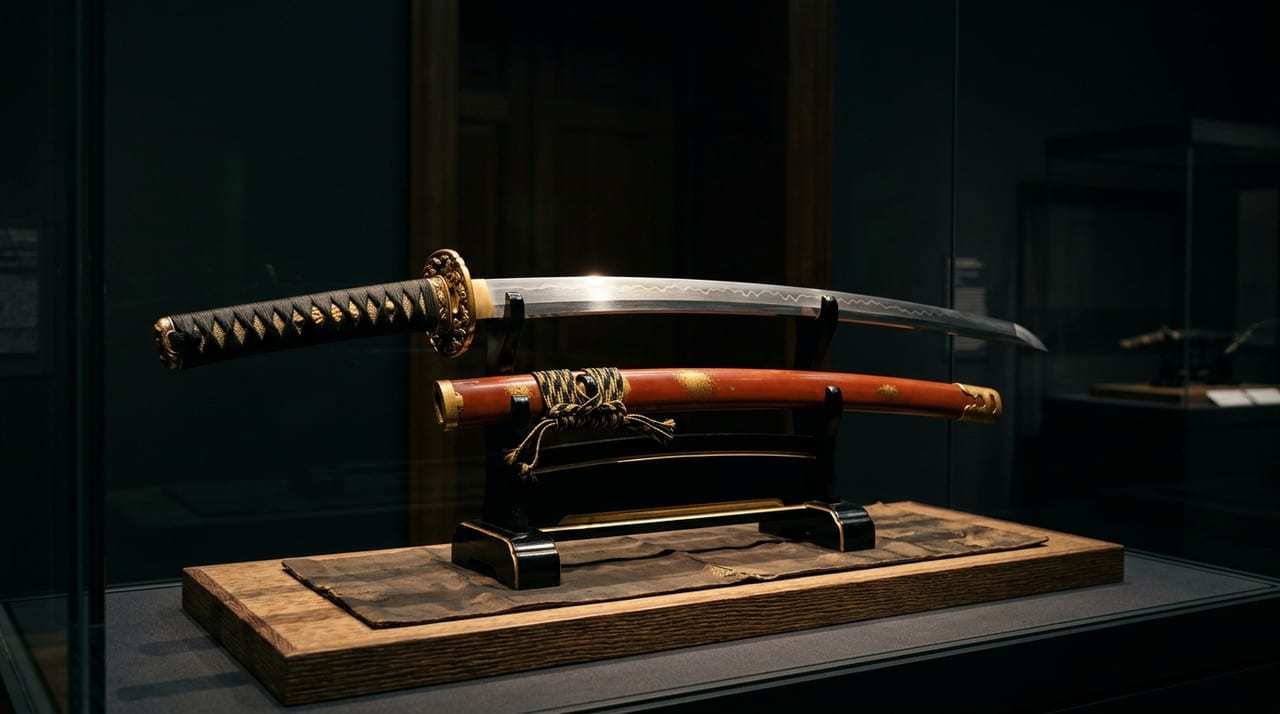
Hijikata Toshizo's Sword "Izumi no Kami Kanesada" and Shinsengumi Sword Culture
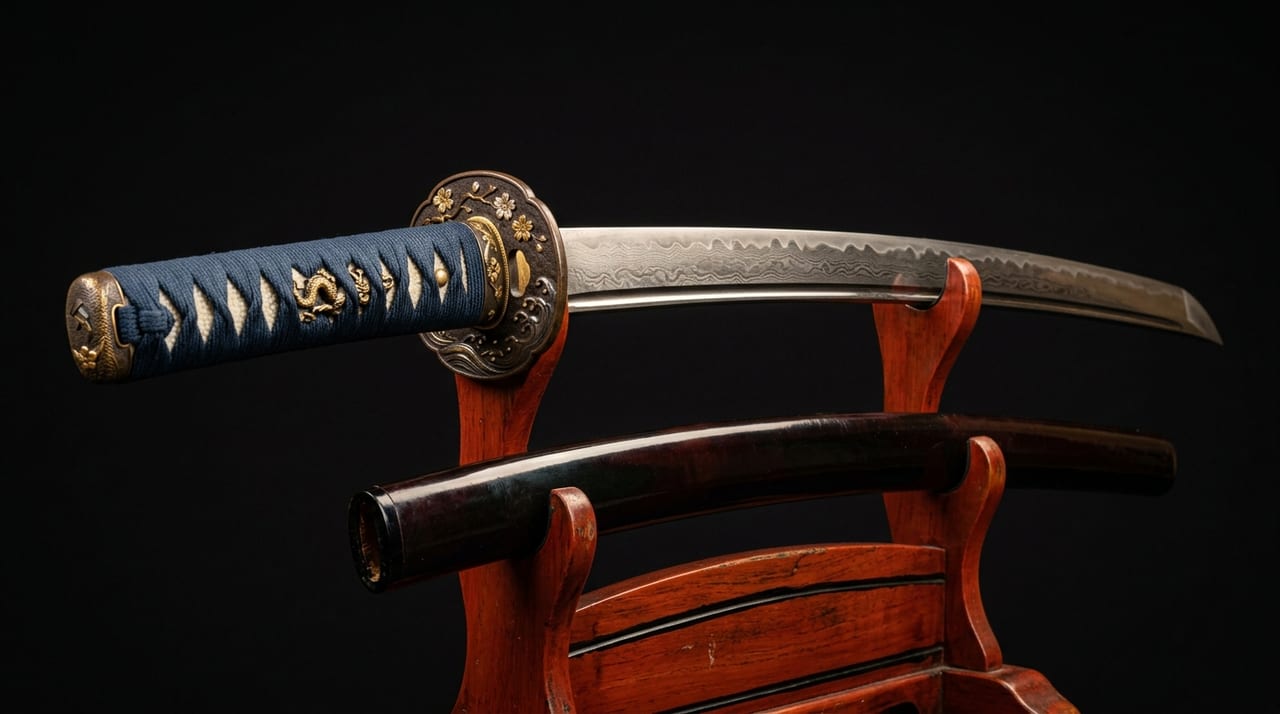 * Image is for illustrative purposes only.
Table of Contents
Hijikata Toshizo and His Role as Vice Commander of the Shinsengumi
Hijikata Toshizo (1835–1869) was born in Ishida Village, Tama District, Musashi Province (present-day Hino, Tokyo), and served as vice commander of the Shinsengumi, which was active in Kyoto during the late shogunate period. He assisted Commander Kondo Isami and served as the practical administrator who strictly enforced discipline within the organization. He studied the Tennen Rishin-ryu style of swordcraft alongside Kondo and others, and in later years led the former shogunate forces through the Boshin War, ultimately dying in battle during the Hakodate Campaign (present-day Hakodate). Many Shinsengumi members possessed a sword-wearing culture that assumed actual combat. In Hijikata's case, the symbol of this was a blade bearing the signature of "Izumi-no-Kami Kanesada."
What Is "Izumi-no-Kami Kanesada"—The Kanesada Lineage and Aizu Kanesada
"Kanesada" is a sword maker's signature originating in Seki, Mino Province (present-day Seki, Gifu), and is one of the prominent lineages of Seki metalworking dating back to the Muromachi period. The Kanesada lineage of Seki continued through successive generations, and when the Edo period began, some branches moved to the Aizu domain (present-day Aizuwakamatsu, Fukushima), where they continued their work as domain-employed sword makers.
Seki in Mino Province, blessed with high-quality iron resources and water access, had been producing large quantities of practical swords called kazuchimono since the Muromachi period. The Seki metalworking lineages, inheriting this technical foundation, continued to be invited to various domains even in the Edo period after the end of warfare, and sustained regional sword demand—a fascinating case when considering the formation history of Japanese sword production centers. The Kanesada house that moved to Aizu was one such example, continuing to forge swords in response to the domain's military equipment needs.
The sword that Hijikata reportedly possessed is said to have been forged by a smith in the Kanesada lineage that had moved to Aizu, and is also known as "Aizu Kanesada." It is characterized by bearing the court rank title "Izumi-no-Kami" in its signature, and represents the workmanship of the Aizu Kanesada house from the late Edo period through the end of the shogunate.
The Aizu Kanesada workmanship is known for the following characteristics.
- Shape: Dimensions suited to practical tachi mounting typical of the late shogunate period
- jigane: Tightly-packed itame pattern inherited from Mino tradition
- hamon: Primarily gunome with techniques derived from Seki work preserved
- Demand context: Sought as practical swords by Aizu domain samurai and members engaged in maintaining order in Kyoto
From the Ikeda-ya Incident to Toba-Fushimi and the Hakodate Campaign
In the Ikeda-ya Incident (1864), which brought the Shinsengumi's name to prominence, records from multiple historical sources and later testimony indicate that the members' swords were subjected to severe use in actual combat, resulting in chipped blades and damage. Hijikata himself continued to transfer between campaigns, from his security operations in Kyoto to the Battle of Toba-Fushimi (1868), battles in Aizu, and finally the Hakodate Campaign (1869). In the final stages of the Hakodate Campaign, Hijikata left behind a photograph of himself wearing Western dress while carrying a Japanese sword. This image, which is frequently cited as sword historical documentation, conveys to us the actual reality of armament during the late shogunate period, when Japanese and Western styles intersected. It is said that Hijikata ultimately died in battle when struck by gunfire during combat near the Ippongi Gate in Hakodate, at the age of 35.
The Extant Sword and the Hijikata Toshizo Museum
The Izumi-no-Kami Kanesada believed to have been owned by Hijikata is currently preserved and exhibited at the Hijikata Toshizo Museum in Hino, Tokyo. Hino is Hijikata's birthplace, and the museum is known for continuously exhibiting historical materials and artifacts related to the Shinsengumi. In addition to the sword itself, letters and photographs of Hijikata as well as materials related to his former residence are also preserved, making it a rare example where one can trace the footsteps of a late shogunate period figure through both a blade and associated documents.
Sword Culture Among Shinsengumi Members
It is known that members of the Shinsengumi each possessed swords of their preferred schools and beloved blades. Commander Kondo Isami is said to have favored a sword attributed to Hotetsu, while Okita Soji is reported to have used a blade by Kashuu Kiyomitsu. These examples all reflect the historical context of the late shogunate period in Kyoto, where swords capable of withstanding actual combat under tense conditions were required.
- Kondo Isami: It is widely known that he favored a blade attributed to Hotetsu
- Okita Soji: He is said to have used a blade attributed to Kashuu Kiyomitsu
- Hijikata Toshizo: He reportedly possessed Izumi-no-Kami Kanesada (Aizu Kanesada)
The very fact that swords from different production centers and schools had gathered among the members speaks to the reality of sword distribution from various provinces to late shogunate Kyoto. At that time, samurai and masterless warriors from various domains gathered in Kyoto, each carrying swords they had acquired through connections to their places of origin. The fact that swords of diverse lineages—Seki-school, Mino-school, Osaka-school, and others—had gathered within a single organization like the Shinsengumi underscores that late shogunate Kyoto served as a major hub for sword distribution.
Conclusion—Late Shogunate History Transmitted Through a Single Blade
Hijikata Toshizo's Izumi-no-Kami Kanesada transcends the mere category of a beloved sword, serving instead as a document that conveys to us the sword-making lineage continuing from Seki to Aizu and the turbulence of the late shogunate that the Shinsengumi organization carried. The fact that the extant blade and related materials are preserved and continuously displayed in the same location demonstrates anew that the Japanese sword, while a weapon, also serves as a medium that records history itself. The late shogunate period was also a transitional era when Japanese-style swords and Western-style weapons intersected on the same battlefields. The record of Hijikata wearing Western dress while carrying a Japanese sword at Hakodate represents such a symbolic moment. Attempts to interpret the armed culture of that period through swords connected to the Shinsengumi provide us with clues not only to understanding the individual styles of sword makers but also to comprehending the late shogunate era itself.