Vendetta and the Sword in Edo — The Permit System, the Iga Crossing, and the Last Vendetta of Meiji, Read Through the Eyes of the Sword
 * Image is for illustrative purposes only.
Table of Contents
Vendetta Was Not "Permitted Murder" but a System with Formal Procedures
Time-period dramas often portray a samurai finding his parent's enemy and cutting him down as a vendetta. However, vendetta in the Edo period was not a free-for-all private fight permitted for settling grudges. The principle was that murder was punished as murder, and vendetta was tacitly tolerated — and officially recognized — only as an exception when certain conditions were met.
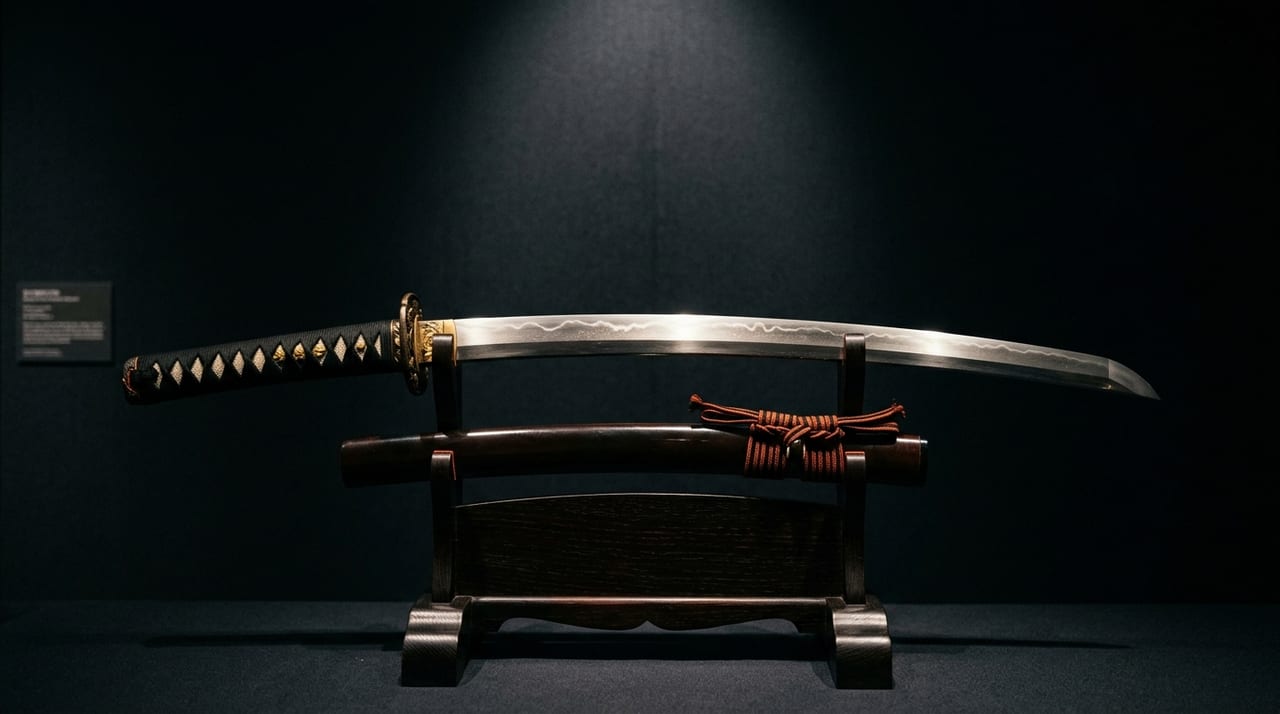
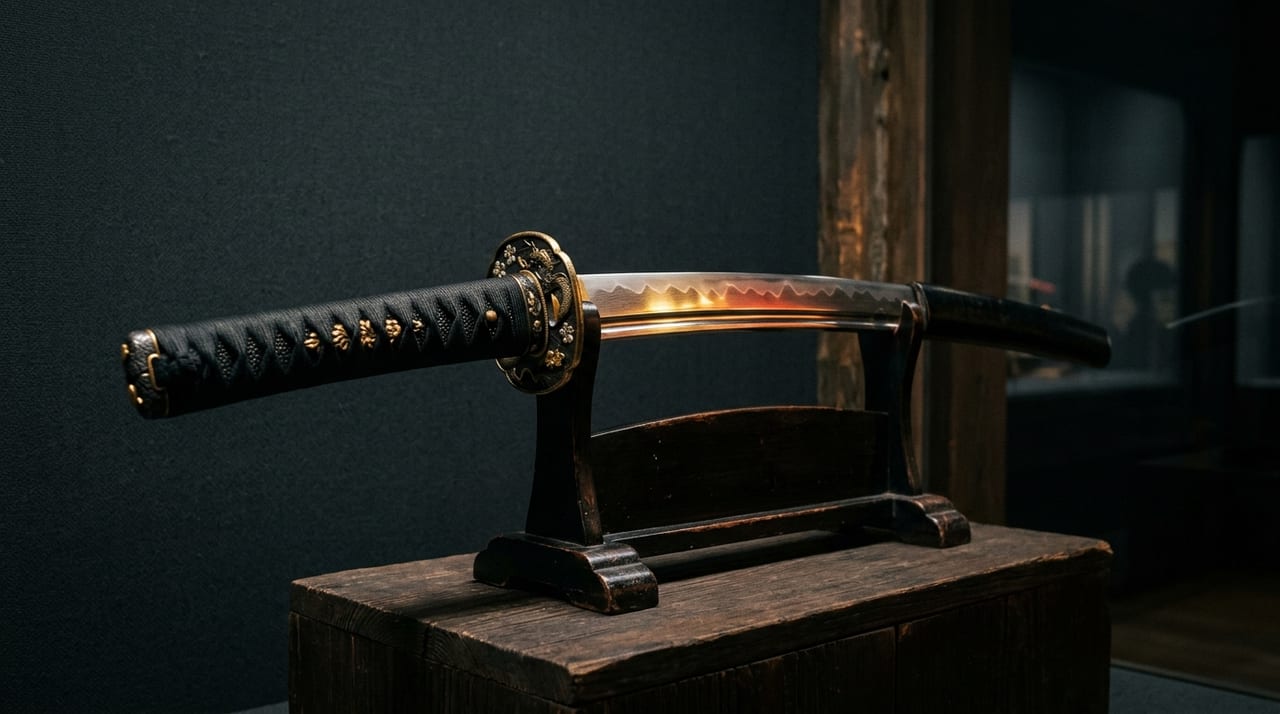
Viewed from the perspective of the sword, vendetta is the subject that most clearly illustrates the boundary between "occasions when drawing the sword was permissible" and "occasions when it was not." In the Edo period, when the sword had become a symbol of status in a time of peace, vendetta was one of the rare occasions on which the sword returned to being an instrument of mortal combat. This article looks in turn at the framework of the system, famous cases in which the sword played a role, and finally the last vendetta after the Meiji period began.
The Principal Rules of Vendetta
Vendetta operated under roughly the following rules.
- Only a person whose superior relative (ascendant) — such as a parent or elder brother — had been killed was permitted to pursue it
- Cases in which an inferior relative — such as a wife, child, younger brother, or younger sister — had been killed were not, as a general rule, recognized as vendetta
- Samurai were required to obtain their lord's sanction (license) and, when traveling to another domain, to register with the magistrate's office
- The registration was recorded in the magistrate's ledger, and the applicant received a copy
In other words, vendetta meant "registering first, then setting out in pursuit of the enemy." Even if one struck without obtaining sanction, an official present at the scene could recognize it as vendetta and impose no penalty; but if it was not so recognized, it was tried as ordinary murder. For the pursuer, it was a tightrope system: win and you were a hero; err in procedure and you were a criminal.
The Iga Crossing Vendetta and the Story of the Broken Sword
The case most frequently cited as a representative vendetta is the one that took place at Kagiya no Tsuji in Iga Province in Kan'ei 11 (1634), known as the Iga Crossing Vendetta. Kawai Matagorō, a retainer of the Okayama domain, killed the page Watanabe Gentayu and fled to Edo, and Gentayu's elder brother Watanabe Kazuma set off in pursuit. Araki Mataemon, the husband of Kazuma's elder sister and said to be a master swordsman, joined as a second, and it is said that a long sword fight broke out at Kagiya no Tsuji. The sequence of events itself is organized on this site's encyclopedia page (The Duel at Kagiya no Tsuji).
What is interesting from the perspective of the sword is a tale associated with Mataemon's sword. It is said that his sword broke during the fighting, and a story survives in which a samurai of another house later criticized him for using a shintō blade — prone to breaking at a critical moment. The mei (signature) of the sword is also uncertain, variously attributed to Iga no Kami Kinmichi or Izumi no Kami Kanemichi. As this remains within the realm of tradition, no definitive claim will be made here.
What can be read from this is that in actual combat, the outcome was determined less by whether the sword was a famous blade than by its maintenance and handling and by the number of opponents and the terrain. The story of Mataemon cutting down dozens of men is considered to have grown in the telling as a kōdan narrative, and there is an explanation that in reality only a very small number were killed. The habit of separating tradition from historical fact is equally necessary when researching the provenance of a sword.
The Meiji Changes That Ended Vendetta
The vendetta that had continued throughout the Edo period came to an end with the Meiji era. At the beginning of Meiji, a proclamation was issued to the effect that killing a person was prohibited by law and that punishing criminals was the prerogative of the government, and vendetta was banned. This was part of the broader dismantling of the samurai class and the privilege of wearing swords, and its roots lay in the same ground as the Sword Abolishment Edict (Haitōrei) issued around the same time. The Haitōrei is treated in greater detail on the Haitōrei page and in the article The Meiji Restoration and the Crisis of the Sword.
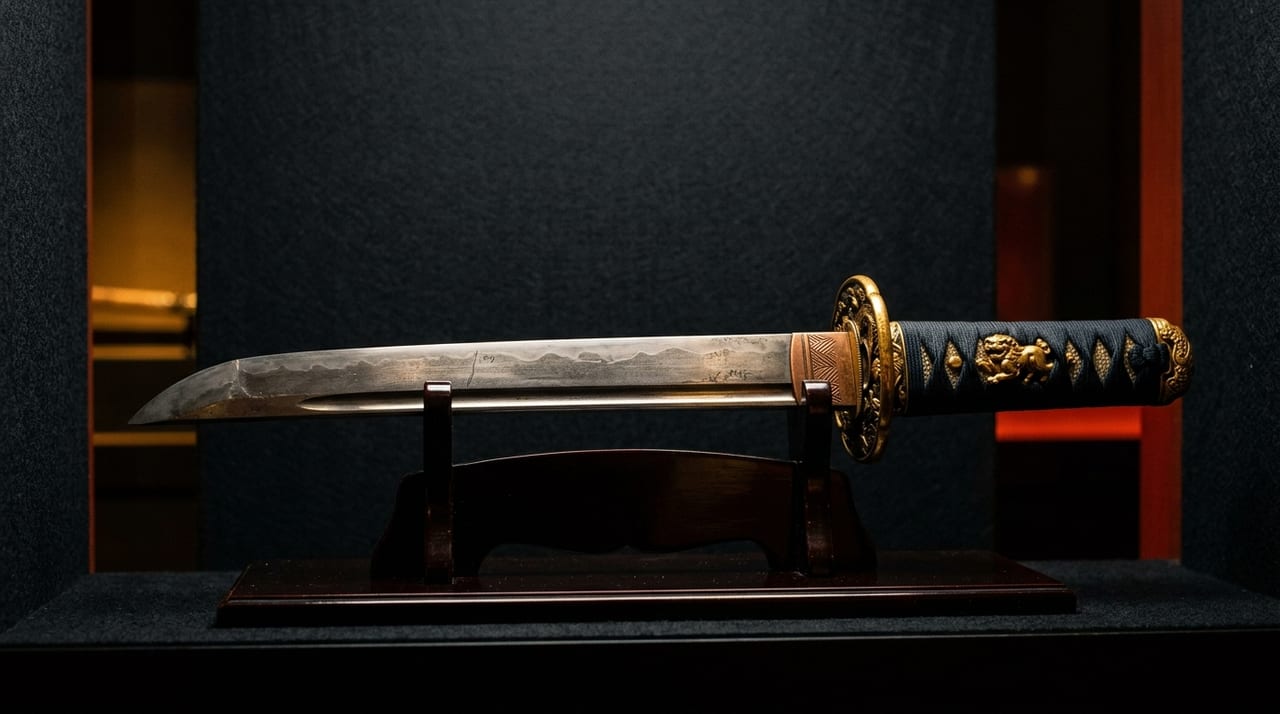
The case that occurred after the ban was the Usui Rokurō incident of Meiji 13 (1880). Rokurō, a former Akizuki domain samurai of shizoku status, had his father killed. He later killed Ichinose Naohisa, the person said to have killed his father, in Tokyo. The weapon used was a tantō he had concealed on his person, said to be a memento left by his deceased father. It is described as the last legally recorded vendetta. Rokurō was convicted but was later pardoned and released.
In this incident, which occurred after vendetta had been banned, the decisive difference from the Edo period lay in the fact that it was no longer a "permitted exception" but was subject to judgment under the law.
What Sword Enthusiasts Can Take Away from Tales of Vendetta
Reading vendetta tales through the eyes of the sword yields the following perspectives.
- In actual combat, the result was determined less by the prestige of the sword than by its maintenance, handling, the number of opponents, and the terrain
- Heirloom swords and keepsake tantō are easily spoken of as objects bearing the feelings of their owners
- Traditions grow in the telling, so for details such as mei and the circumstances of a blade's breaking, trust only what well-sourced materials confirm
For the etiquette of sword-wearing among Edo samurai and how the role of the sword changed in a time of peace, the articles Sword-Wearing and Etiquette Among Edo Period Samurai and The Sword in a Time of Peace are also informative. In the process by which the sword moved from weapon to symbol of status and further to surviving as a work of art, vendetta was an exceptional occasion on which the sword showed its face as a weapon.
Summary
Vendetta was a system with formal procedures, restricted to revenge for superior relatives and requiring registration and official sanction. While tales of the sword are passed down in cases such as the Iga Crossing Vendetta, many details are mixed with tradition. After vendetta was banned in Meiji and the Usui Rokurō incident became the last recorded case, the sword continued on its current path from weapon to work of art.
On this site, swords from various periods can be browsed and purchased online through the Sword Catalog. Questions about items are accepted via the Contact page.