The Akō Incident and Swords——Sword-Wearing Protocol in Edo Castle and the Weight of Drawing a Blade, Read Through the Assault in the Corridor of the Pines
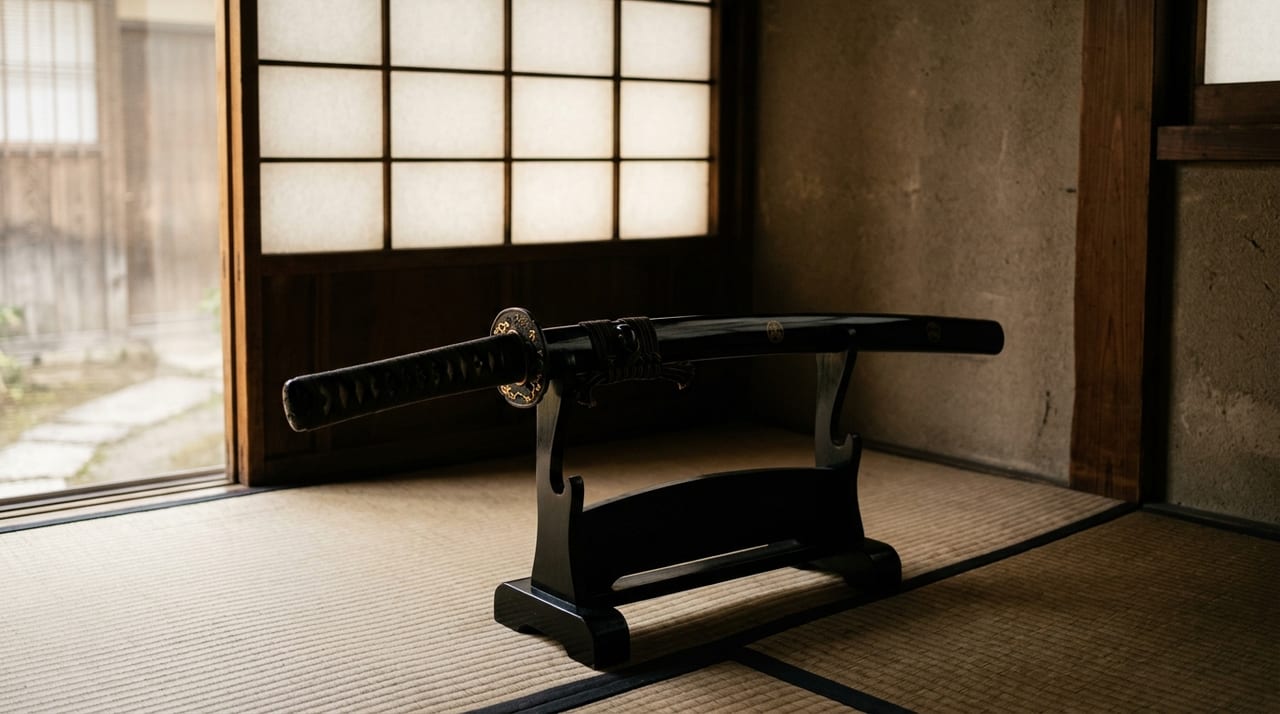 * Image is for illustrative purposes only.
Table of Contents
On the 14th day of the 3rd month of Genroku 14 (1701), an incident occurred in the Corridor of the Pines of Edo Castle in which Asano Naganori, lord of the Akō domain in Harima Province, attacked Kira Yoshinaka, a kōke ceremonial official. This was the beginning of the Akō Incident, which would later be handed down as "Chūshingura." In this article, we examine the incident not as a human drama, but from the perspective of swords and samurai etiquette. Why did drawing a sword inside the castle carry such weighty significance? We explore this alongside the rules governing the wearing of swords during the Edo period.
Overview of the Incident and Timeline
The Akō Incident can be divided into three main scenes.
- The 14th day of the 3rd month of Genroku 14: the assault in the Corridor of the Pines of Edo Castle. Asano Naganori was ordered to commit seppuku that same day, and the Akō domain was abolished.
- The 14th day of the 12th month of Genroku 15 (lunisolar calendar): the former retainers of the Akō domain raid Kira's residence.
- The 4th day of the 2nd month of Genroku 16: by order of the shogunate, the forty-six men who took part in the raid commit seppuku.
One of the historical sources recording the course of events, the Kajikawa-shi Hikki, is said to contain a passage indicating that Naganori struck from behind with a "kosagatana" (small sword). This account is known through secondary introductions, and there is not much that can be said with confidence, based on reliable sources, about the blade's mei, maker, or current whereabouts. Here we will simply note that the word left in the record is "kosagatana."
What Was Permitted Inside the Castle
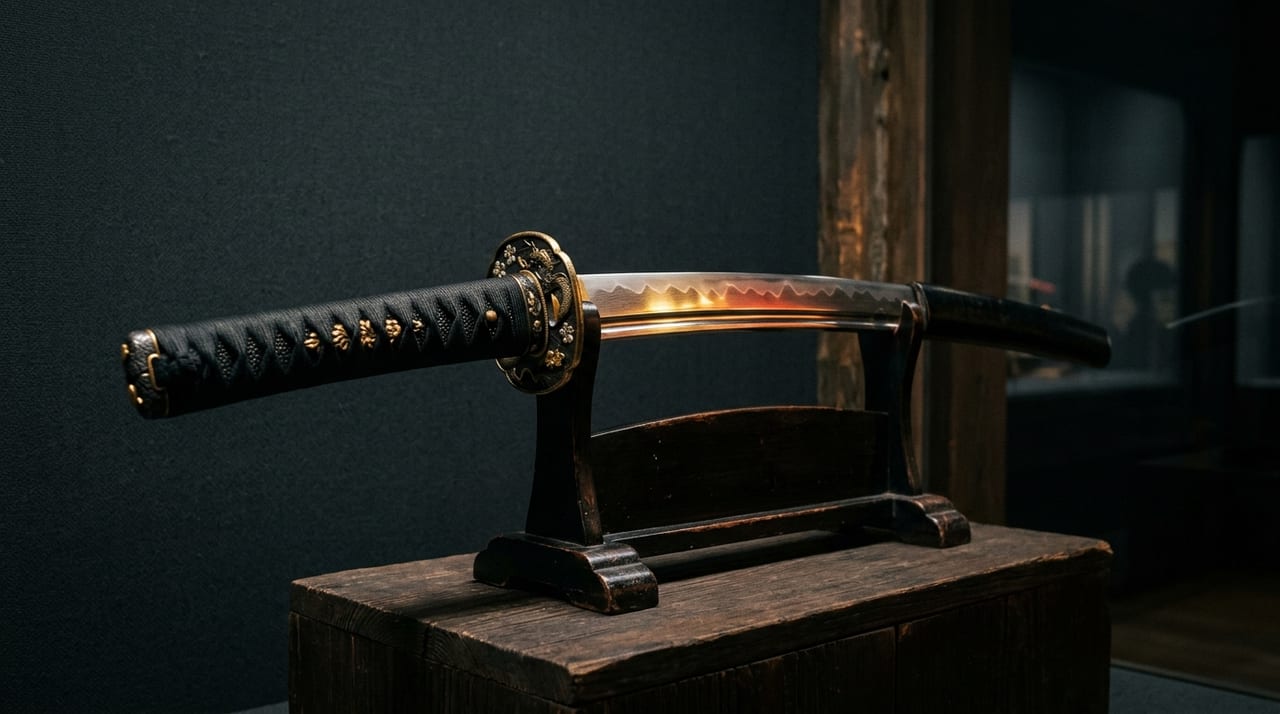
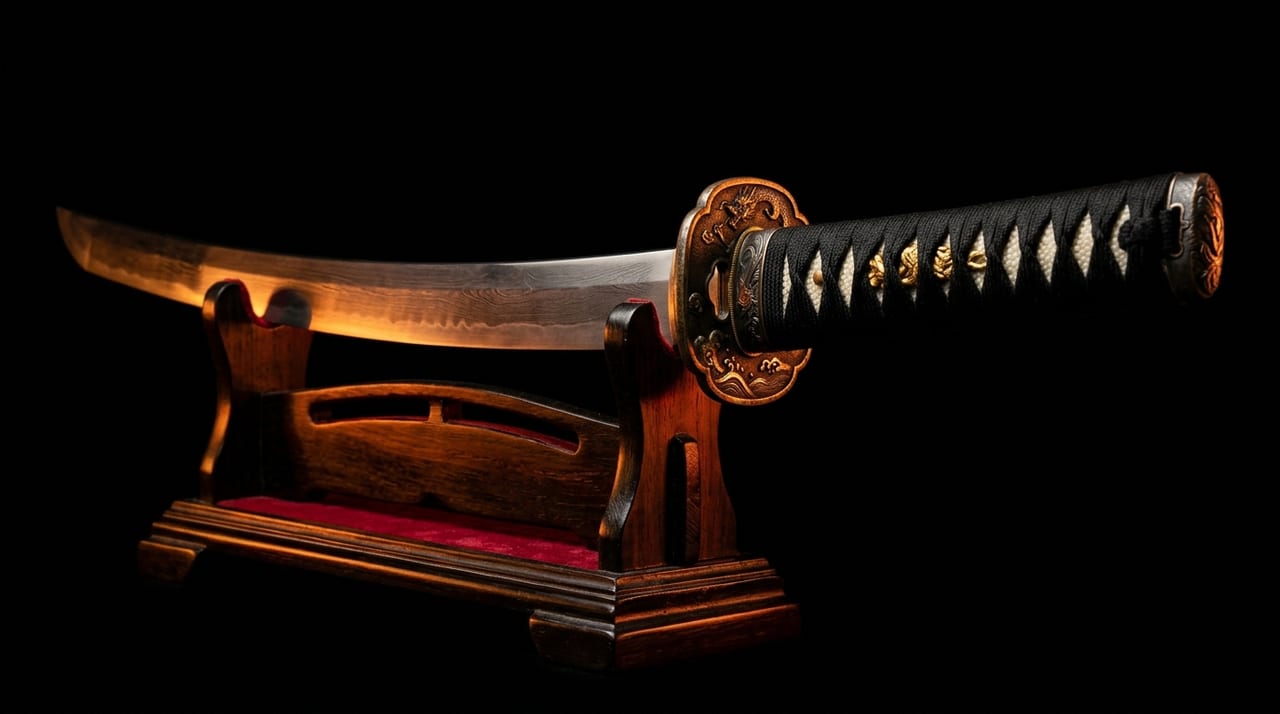
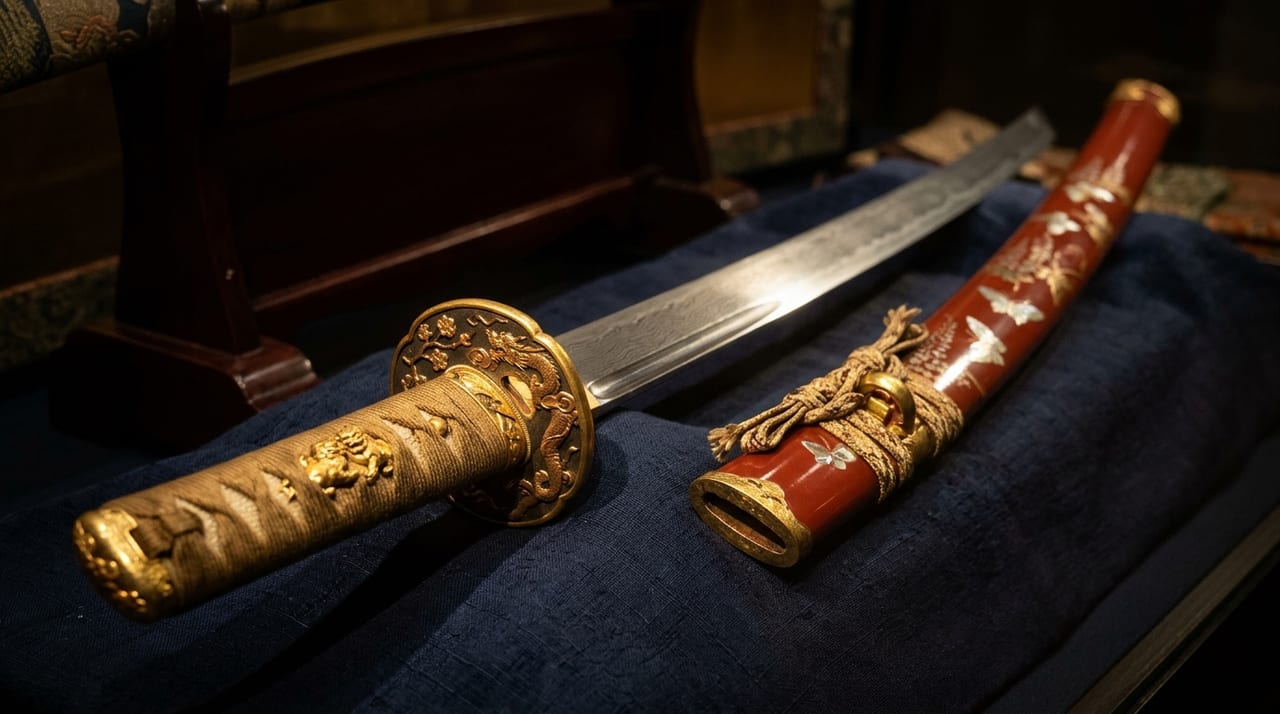
Samurai entering Edo Castle would, as a general rule, leave their long swords at the entrance and proceed into the palace wearing only a wakizashi at their side. The koshirae of the wakizashi permitted inside the castle is covered in detail in tenchūsashi.
What is important to understand here is that drawing a sword inside the palace—even a wakizashi—was strictly prohibited. A sword was a symbol of status, and at the same time, within the castle, "not drawing it" was the essence of proper conduct. It was precisely this premise that caused the assault in the Corridor of the Pines to be treated as an extremely serious violation of the law, regardless of the depth of the wounds inflicted.
Samurai Etiquette Prohibiting the Drawing of Swords
- Wearing a sword without drawing it was considered the fundamental rule of conduct
- Inside the palace, it was standard practice to leave the long sword and wear only the wakizashi
- The act of drawing a sword itself could be subject to severe punishment
These rules extended to the sankin-kōtai processions in Edo and conduct on public streets. For the background to the prohibition on drawing swords in public, sankin-kōtai and sword culture is a helpful reference.
The Connection Between Seppuku and Swords
The fact that Asano Naganori was ordered to commit seppuku on the very day of the incident demonstrates that seppuku as a form of samurai punishment was inseparable from swords and proper conduct. The rituals of seppuku and kaishaku are summarized in the rituals of seppuku and kaishaku.
The swords used in seppuku and those used in kaishaku are sometimes discussed as materials related to the incident. However, since the provenance of individual swords may be described differently depending on the source, it is important not to take such accounts at face value and to verify the original sources.
The Genroku Sword Culture Behind the Incident
The Genroku period in which the incident occurred was a time of continuing peace without warfare, and swords were shifting in emphasis from tools of actual combat to ornaments displaying a samurai's status and aesthetic sensibility. The trends in sword mountings of this period are summarized in Genroku culture and swords, and the transitions in sword culture from the Tenna through the Genroku periods are covered in sword culture of the Tenna, Jōkyō, and Genroku periods.
It was precisely because opportunities for actual combat had become rare that drawing a sword inside the castle was etched in people's memory as an extraordinary event. Part of the reason the incident has been passed down for so long lies in the historical context in which "not drawing" one's sword was considered a virtue.
The Akō Incident as a Way of Reading Sword History
The Akō Incident is not a story in which a particular famous sword plays the leading role. Rather, it is an incident that brings into relief the meaning of wearing a sword, the weight of drawing one, and the etiquette of samurai society. When viewing stories or exhibitions dealing with the incident, keeping the following points in mind will deepen your understanding of it as sword culture.
- The type of sword appearing in each scene (long sword or wakizashi) and the rules governing sword-wearing in that context
- The distinction between accounts preserved in historical sources and later embellishments
- What sources the provenance of surviving relics and exhibited items is based on
Items related to the incident are sometimes presented in exhibitions connected to the loyal retainers (gishi) at Sengakuji (Minato Ward, Tokyo), which is home to their graves. As the exhibition contents change depending on the time of year, please check the official information before visiting.
Conclusion
The assault in the Corridor of the Pines was an incident that demonstrated how weighty an act it was to draw a sword inside Edo Castle. Understanding the handling of the wakizashi within the palace, the prohibition against drawing blades, and the rituals of seppuku allows one to re-read the Akō Incident from the perspective of sword culture. Those who have become interested in swords themselves can browse swords currently listed for sale in the online catalog.