Sankin-kōtai and Sword Culture: Why Drawing a Blade Was Forbidden on Edo's Streets
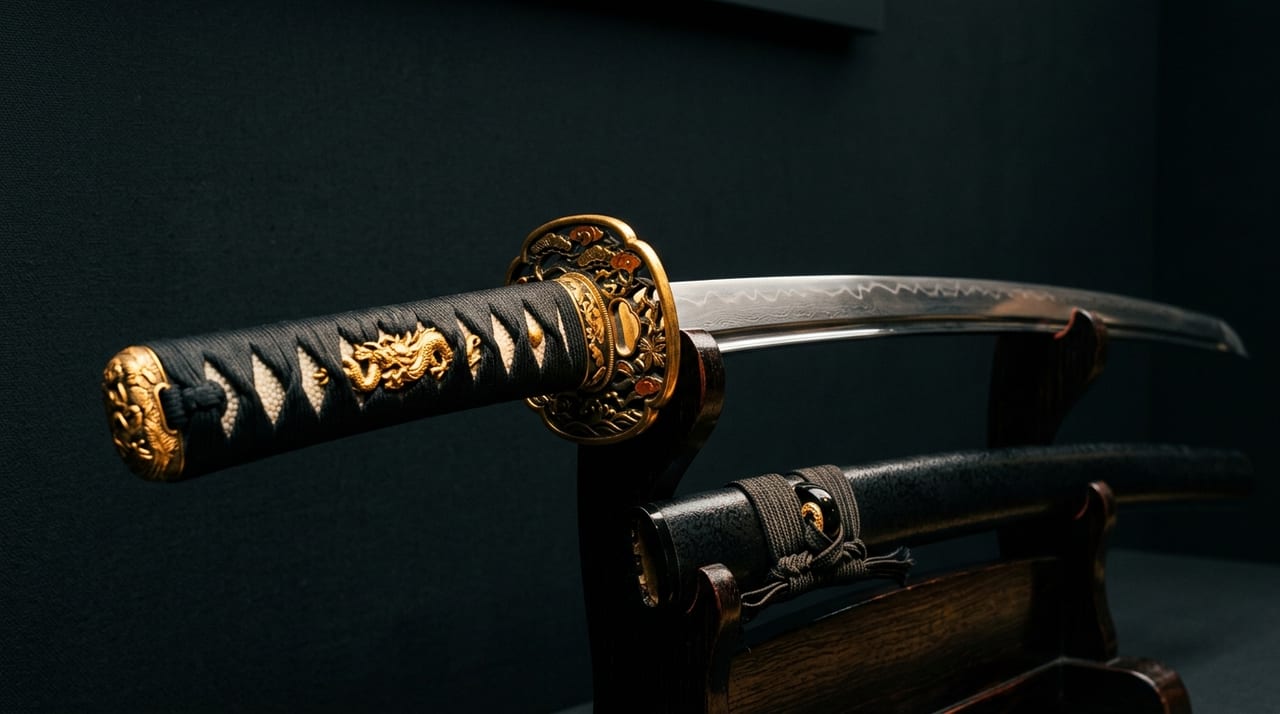 * Image is for illustrative purposes only.
Table of Contents
The Edo Period — The Age When the Sword Transformed from "Weapon" to "Proof of Status"
The Edo period (1603–1868) was the most paradoxical era in the history of the nihontō. It was the age in which Japanese swords circulated in the greatest numbers and were owned by more people than ever before, yet their use in actual combat was strictly forbidden.
At the heart of this paradox lie "sankin-kōtai" and the "sword-bearing system." This article examines the realities of Edo's sword policies and the process by which the sword shifted from "sword as weapon" to "sword as proof of status."
The Relationship Between the Sankin-kōtai System and Swords
What Is Sankin-kōtai?
Sankin-kōtai was a system made obligatory for outside lords (tozama daimyo) by Tokugawa Iemitsu, the third shogun, through the Buke Shohatto in Kan'ei 12 (1635). Subsequently, in Kan'ei 19 (1642), the obligation was extended to all domain lords (daimyo) throughout the country, including hereditary lords (fudai daimyo), compelling them to make regular journeys back and forth between Edo and their home domains.
The purposes of this system were:
- To exhaust the economic power of the daimyo and prevent rebellion
- To place the daimyo under the shogun's supervision at regular intervals
- To cause Edo to function as the political and economic center
Daimyo Processions and Swords
The journeys of sankin-kōtai formed a magnificent traveling procession known as a "daimyo gyōretsu" (daimyo procession). Columns of several hundred to several thousand people, in numbers proportionate to the daimyo's kokudaka and prestige, marched in orderly formation, and among them were many armed samurai.
The role of swords in daimyo processions:
- Tachi-mochi: Retainers dedicated to carrying the daimyo's tachi walked at the front, signifying the procession's prestige.
- Spear-bearers and bow-bearers: Together with spears and bows, swords functioned as markers of prestige.
- Naginata-bearers: Processions of high-ranking daimyo also included naginata-bearers.
The Samurai's Obligation to Bear Swords — The Sword as "Work Attire"
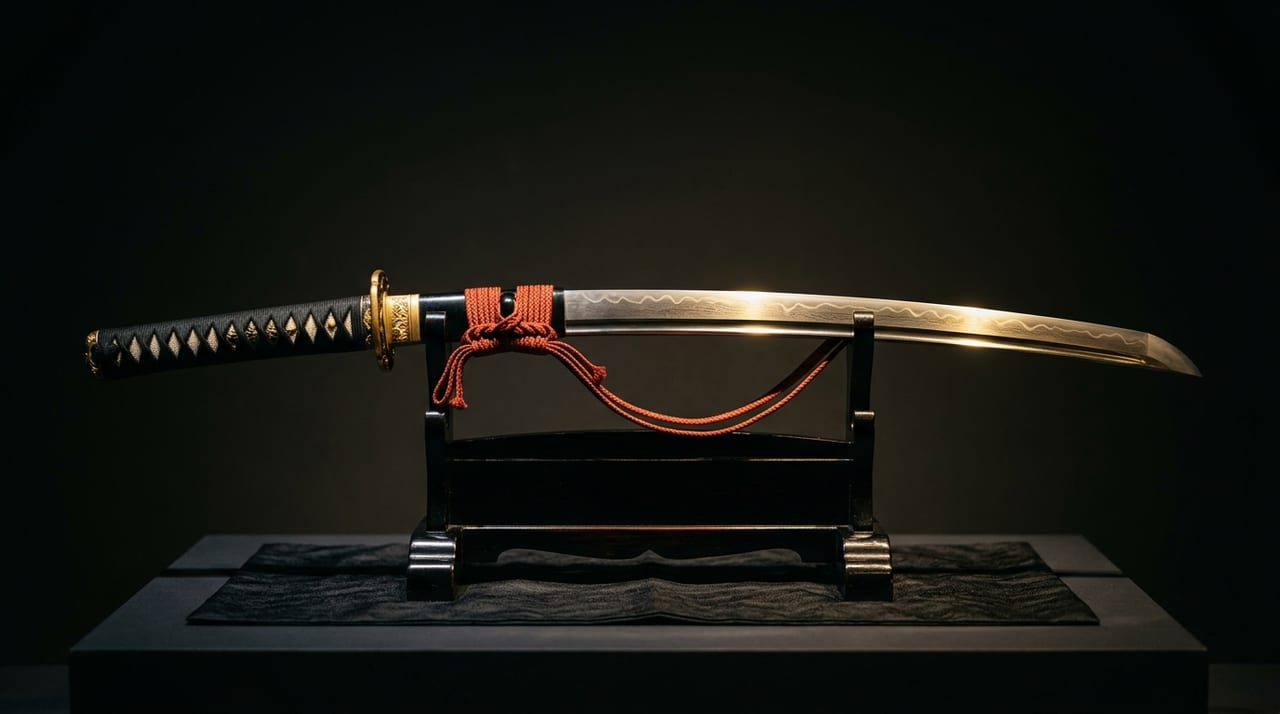
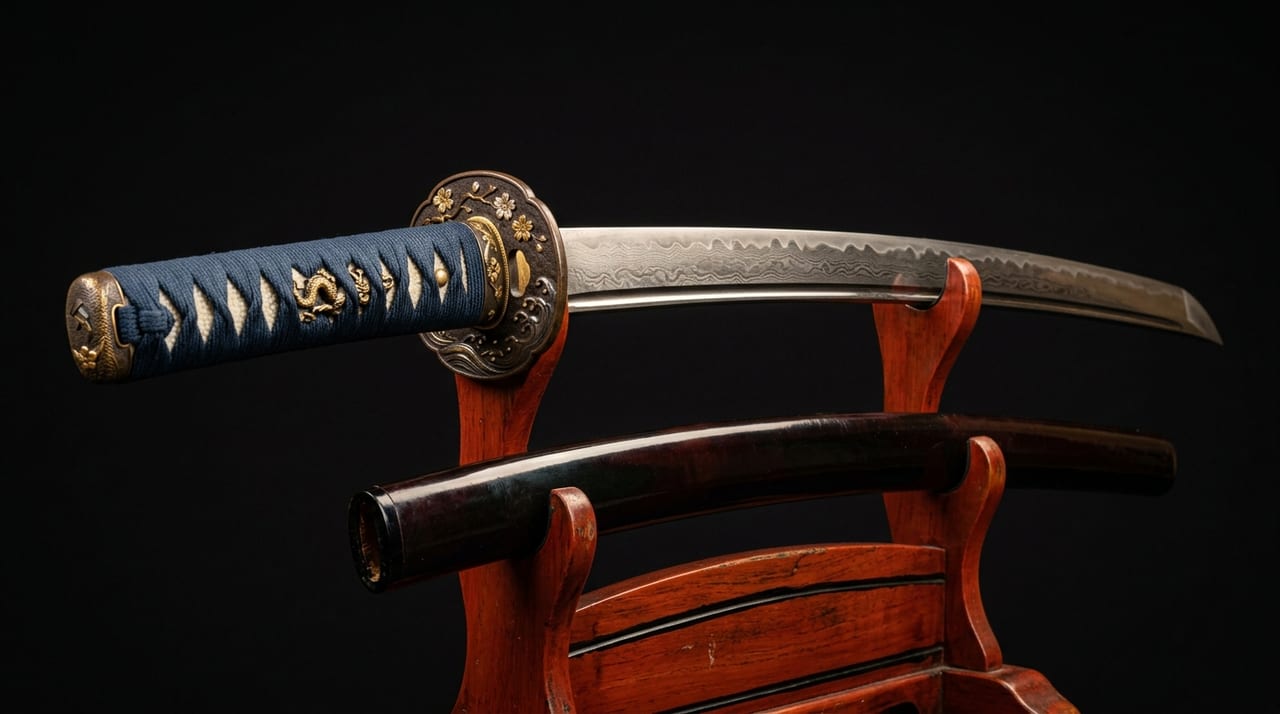
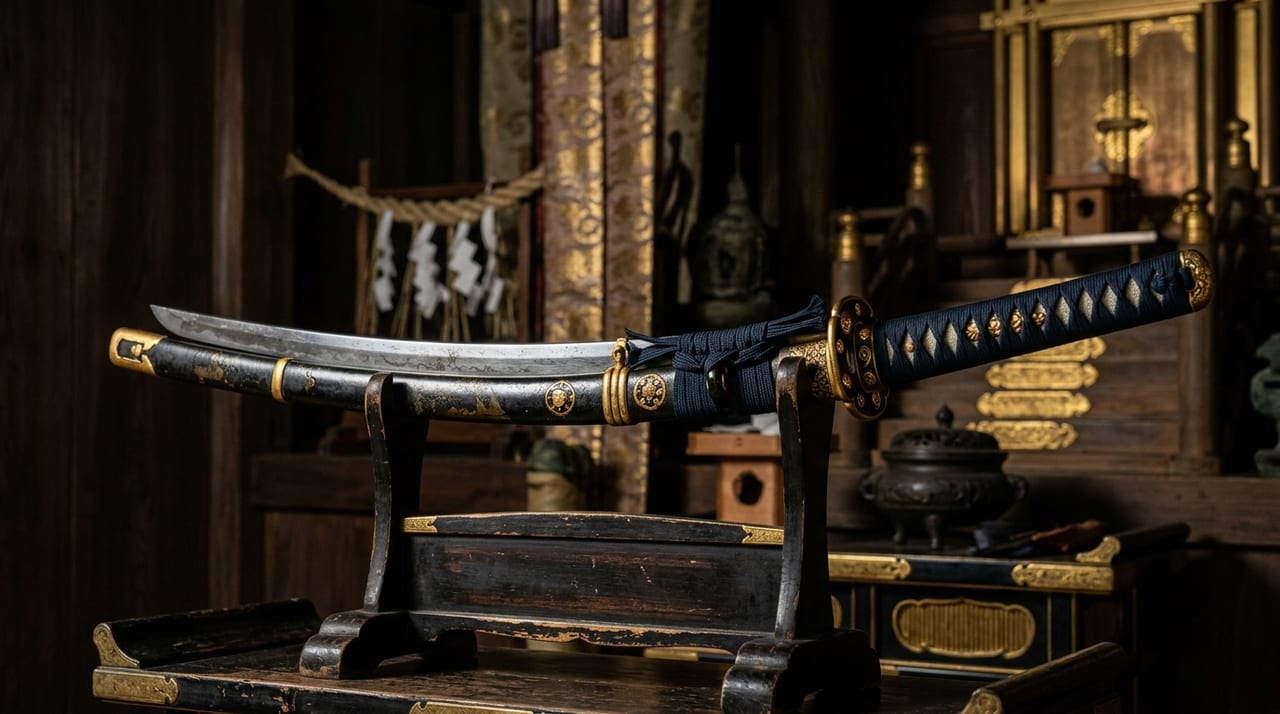
In the Edo period, samurai were obligated to wear the "daishō" — a matched pair consisting of an uchigatana and a wakizashi.
The Meaning of Sword-Bearing
For the samurai of the Edo period, wearing swords was not mere armament but "proof of being a samurai":
- Carrying swords made a samurai's "status" visible.
- Sword-bearing was a privilege granted only to samurai; farmers, artisans, and merchants were in principle unable to carry swords.
- Even when traveling, samurai carried their swords and used them to verify their identity at checkpoints (sekisho) and post towns (shukuba) of the various domains.
The Social Meaning of "Daishō Status"
The "daishō-kaku" (daishō status) — wearing the long sword (uchigatana) and wakizashi as a matched pair — was part of a samurai's formal attire and was required at official occasions such as sankin-kōtai processions, audiences with the shogun, and ceremonial events.
The Prohibition of Tsujigiri — The Formation of a Society Where Blades Could Not Be Drawn
What Is Tsujigiri?
"Tsujigiri" refers to the act of cutting down passersby on busy streets (tsuji). From the late Sengoku period through the early Edo period, incidents of samurai cutting down innocent pedestrians as tameshigiri were frequent.
Shogunate Regulations
The Edo shogunate strictly cracked down on tsujigiri:
- Keian 1 (1648): An ordinance strictly prohibiting tsujigiri and tameshigiri was promulgated.
- Penalties: Upon discovery, seppuku or decapitation was the standard punishment. The system of collective punishment extending to family members could also be applied.
- Strengthening of collective liability: If a samurai committed tsujigiri, the possibility of sanctions against that samurai's lord (daimyo) also existed, demonstrating the shogunate's stance of holding lords accountable for supervisory responsibility.
The Social Effects of "Prohibiting the Drawing of Blades"
Accompanying the regulation of tsujigiri, "the prohibition of drawing blades except in self-defense" became an unwritten rule of Edo society.
The social effects of this regulation:
- The samurai code of conduct of "carrying swords but not drawing them" became established.
- Swords shifted from "practical weapons" to "symbols of status."
- Attention to the aesthetic and artistic value of swords increased.
"Ninjō at Matsu no Rōka" — The Sword-Drawing Incident Inside the Shogunate
The incident in which Akō domain lord Asano Takuminokami drew a blade against Kira Kōzukenosuke in the "Matsu no Rōka" (Pine Corridor) of Edo Castle in Genroku 14 (1701) is the greatest "sword-drawing scandal" in Japanese history.
Drawing a blade inside the residential castle of the shogun's household was one of the gravest taboos, and Asano was ordered to commit seppuku on that same day. The Chūshingura incident of the following year — the raid of the Akō rōshi — also had its origins in this event.
This incident is the finest illustration of "how grave an act drawing a blade was in the Edo period."
Swords on the Sankin-kōtai Route — What the Travel Diaries Reveal
Various records concerning swords remain in the travel records (dōchū nikki) of daimyo processions:
Storage at post towns: At lodgings, the swords of daimyo and retainers were kept on dedicated sword racks (katanakake). Some inns (hatagoya) were equipped with a dedicated storage room for swords.
Inspection at checkpoints: At shogunate checkpoints (sekisho), weapons being brought in were strictly checked under the principle of "iri-deppo ni de-onna" (guns entering, women leaving). The swords of daimyo processions were confirmed by cross-referencing them against a travel pass known as a "soejō."
The Late Edo Period — The Prelude to the Abolition of Swords
As a result of the Tokugawa shogunate's sword policies cultivating, over more than 200 years, a culture of "carrying swords but not using them," the Sword Abolishment Edict (Haitōrei) (1876) following the Meiji Restoration was received by the samurai class as "a loss of identity" rather than "a practical loss."
"To have one's sword taken away was to have one's very existence as a samurai denied" — this feeling arose precisely because the sword had functioned as a proof of status throughout the Edo period.
Summary — The Paradox of the Sword Becoming a "Tool of Peace"
The combination of sankin-kōtai and the policy prohibiting tsujigiri produced a sword culture that is unique even in the context of world history. The age in which the most people possessed swords was also the age in which swords were used the least — this paradox symbolizes Edo's "pacification of the sword."
The reason we today can appreciate "the beauty of the nihontō" is precisely because of the history of Edo-period samurai carefully managing and passing down their swords without drawing them.