The Three Masters of Seki Sword-making: Kanefusa, Kanemoto, and Kanesada—Genealogy and Characteristics of Mino Province's Seki Blade-smiths
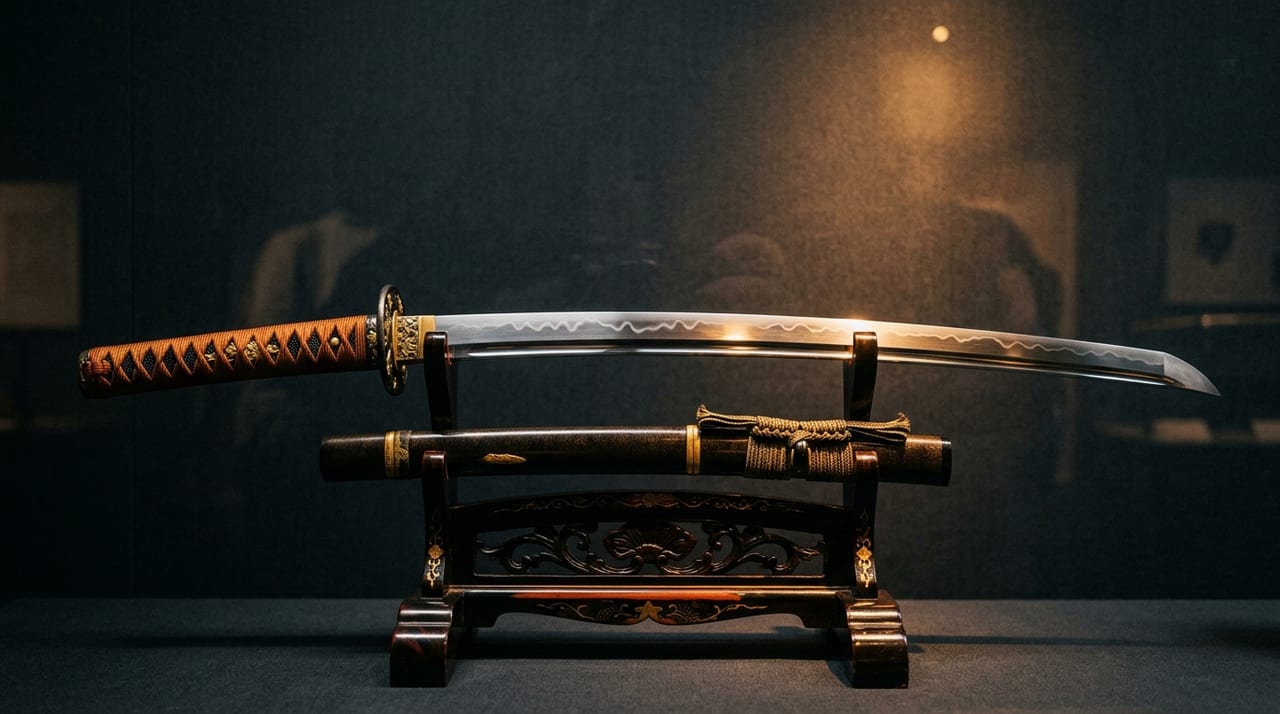 * Image is for illustrative purposes only.
Table of Contents
Seki Kaji—The Birth of the "Holy Land of Blades"
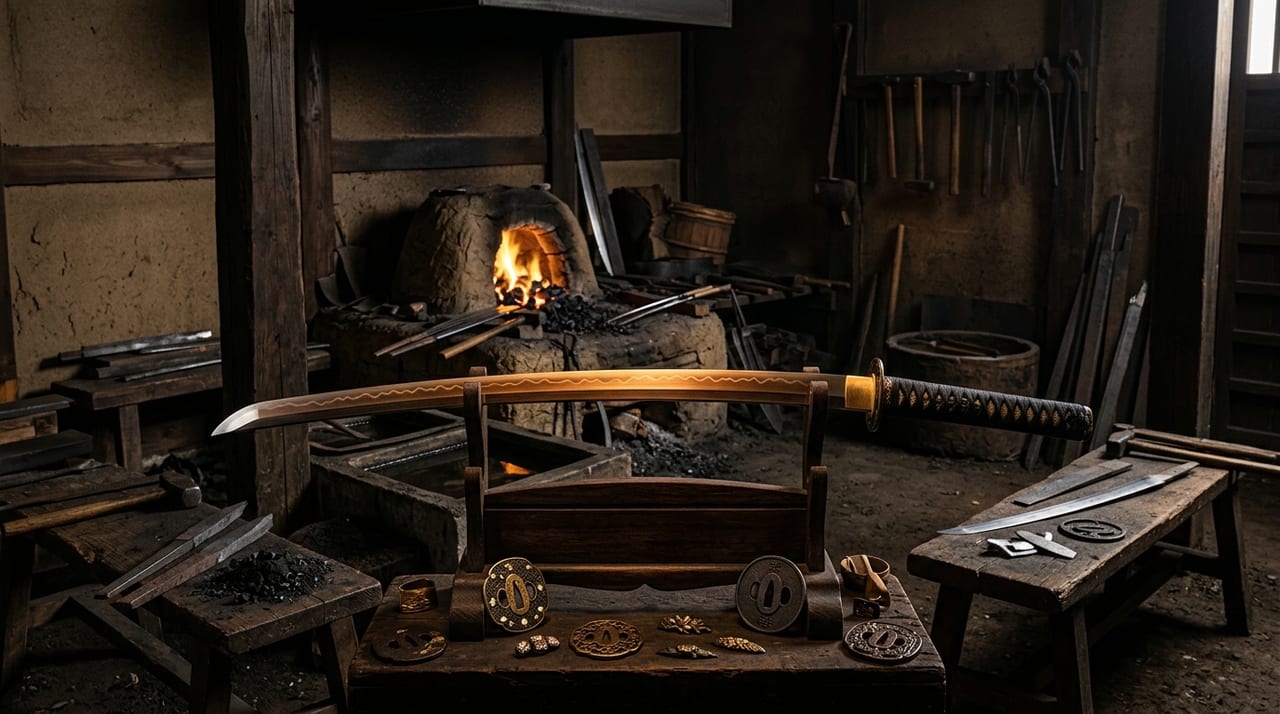
Seki City in Mino Province (present-day Gifu Prefecture) is known worldwide today as the "Town of Blades," but its origins lie in the medieval blade-smith collective known as "Seki Kaji."
The settlement of blade-smiths around Seki (in the Nagara and Tsubo river basins, ideal for cutlery production) began in earnest around the Nanboku-chō period (14th century). With abundant water for quenching, charcoal from the forests, and iron-rich sand from the rivers, the Seki region offered the ideal environment for blade-smiths.
The defining characteristic of Seki Kaji was the "pursuit of practicality." Rather than prioritizing aesthetic blade patterns or the beauty of the steel itself, a technical system called the "Mino Tradition" (Minoden) developed that favored mass production, durability, and practical usability in actual combat.
Technical Characteristics of the Mino Tradition
The Mino Tradition is one of the five traditions of Japanese sword-making (Yamato, Yamashiro, Bizen, Soshu, and Mino), with the following technical characteristics:
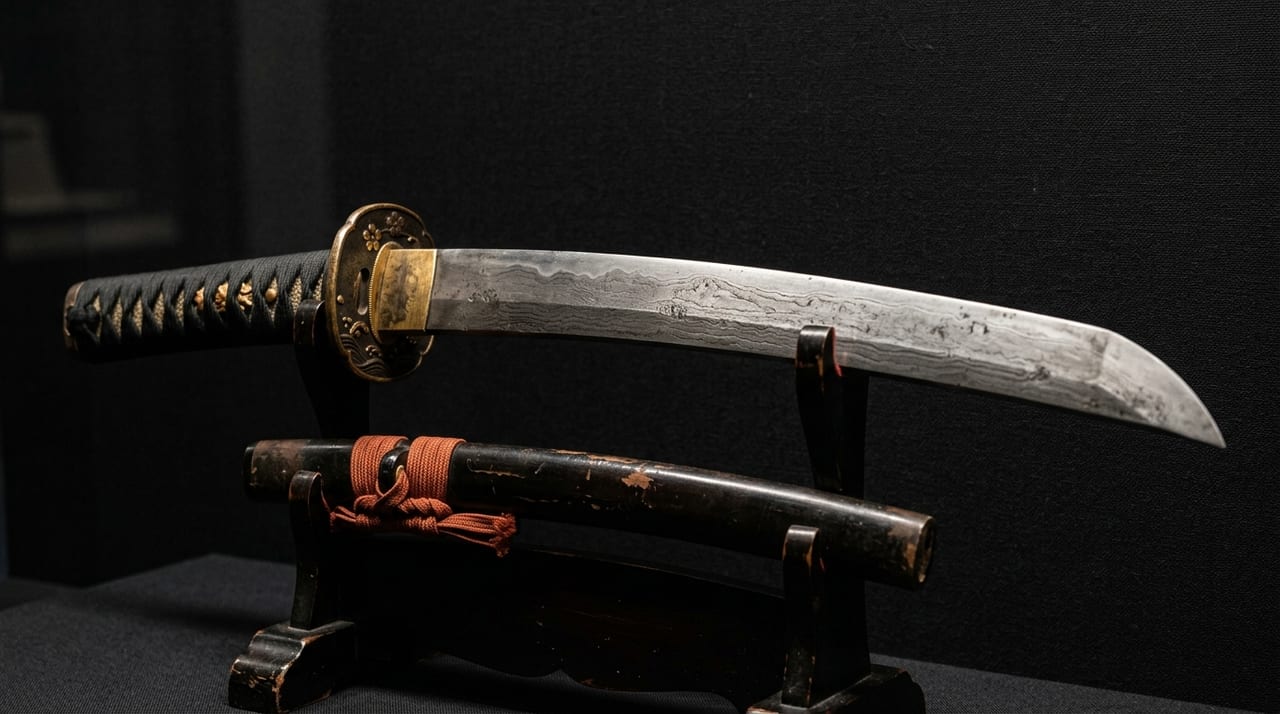
Blade Pattern Tendencies: The Sanbon-sugi (three-cedar), pointed Gunome (complementary wavy pattern), and Dai-gunome patterns are typical. The "Sanbon-sugi" is the signature pattern of the Mino Tradition—characterized by three sharp points that rise and extend like cedar trees, repeating in regular sets.
Steel Characteristics: The wood-grain (itame) pattern flows, and the steel tends to be relatively bright. Unlike the Bizen or Soshu traditions, which pursued more complex steel working, the Mino Tradition favored homogeneous, practical steel.
Construction: The standard was shinogi construction (with a ridge). Blade widths were moderate and the overall build was practical.
Mass Production: Seki Kaji workshops are said to have employed a division-of-labor system in which multiple blade-smiths cooperated within a single workshop, and this is thought to have enabled high production volumes.
Kanefusa—The Ancestral Figure of Seki Kaji
"Kanefusa" was a name taken by multiple blade-smiths and represents one of the longest-standing lineages within Seki Kaji.
The Era of the First Kanefusa
The period of activity of the first Kanefusa is subject to various theories, but is said to trace back to the Kamakura through Nanboku-chō periods. The Kanefusa lineage, active during the early development of Seki Kaji, subsequently formed a genealogy in which successive generations inherited the name "Kanefusa."
Kanefusa's Style
Characteristics of the style seen in Kanefusa-lineage blade-smiths:
- Blade patterns centered on gunome irregularity
- Relatively homogeneous steel
- Practical construction
There exists a distinctive blade pattern known as "Kanefusa Midare" (Kanefusa Irregular)—a violently irregular blade pattern form in which Kanefusa-lineage blade-smiths specialized.
Kanemoto—The Master Blade-smith Known Worldwide as "Magoroku"
"Kanemoto" is one of the most internationally recognized names among Seki Kaji blade-smiths. Known as "Magoroku Kanemoto," the second-generation Kanemoto in particular received legendary acclaim as a master blade-smith of the Sengoku period.
The First Kanemoto
The first Kanemoto is said to have been active in the late Muromachi period (late 15th to early 16th century). Known as a blade-smith who embodied Seki Kaji techniques at a high level, few detailed records survive.
The Second Kanemoto (Magoroku Kanemoto)—The Most Important Figure
The second Kanemoto, known by the name "Magoroku Kanemoto" (active period: 16th century, Sengoku period), is recorded in history, alongside Izumi-no-Kami Kanesada, as a representative smith of the Sue-Seki period.
Perfecter of the Sanbon-sugi: Magoroku Kanemoto's blade pattern is famous for the "Sanbon-sugi." Regular succession of three sharp-pointed patterns resembling cedar trees reaching toward heaven characterizes this form, which Magoroku Kanemoto is said to have perfected.
The Shihōzume Technique: The second Kanemoto is said to have practiced a distinctive forging method called "shihōzume," in which a soft core steel is enclosed on all sides by hard, tough edge steel. Blades made this way were praised as "unbreakable, unbending, and cutting well," which is said to have been a major reason Seki swords became popular among samurai.
Relations with Warlords: Magoroku Kanemoto's blades are said to have been worn by Sengoku warlords, beginning with Takeda Shingen. Traditions that various other warlords owned his blades survive in many places, but many individual anecdotes lack firm historical evidence and call for careful verification.
Extant Works: Multiple authenticated blades attributed to Magoroku Kanemoto have been examined by the NBTHK, and several have been designated as Important Swords or Specially Important Swords.
Technical Explanation of Sanbon-sugi
The Sanbon-sugi is formed as follows:
- During clay application (before quenching), three-set "triangular" shapes are repeatedly impressed
- During quenching, this clay application produces three triangular blade patterns
- The tips of each triangle sharpen to points, creating an impression of reaching toward heaven
Kanesada—The Master Blade-smith Known as "Nosada"
"Kanesada" is another important name among Seki Kaji, inherited by multiple blade-smiths across generations. The second-generation Kanesada, known particularly by the name "Nosada," is evaluated as a master craftsman of the Sengoku period on par with Magoroku Kanemoto.
The First Kanesada
Details about the first Kanesada, active from the late Muromachi period onward, remain largely unknown.
The Second Kanesada (Nosada)—"The Pinnacle of Seki Kaji"
The second Kanesada, known by the name "Nosada" (active period: late Muromachi period), is among the most highly regarded blade-smiths in the entire history of Seki Kaji.
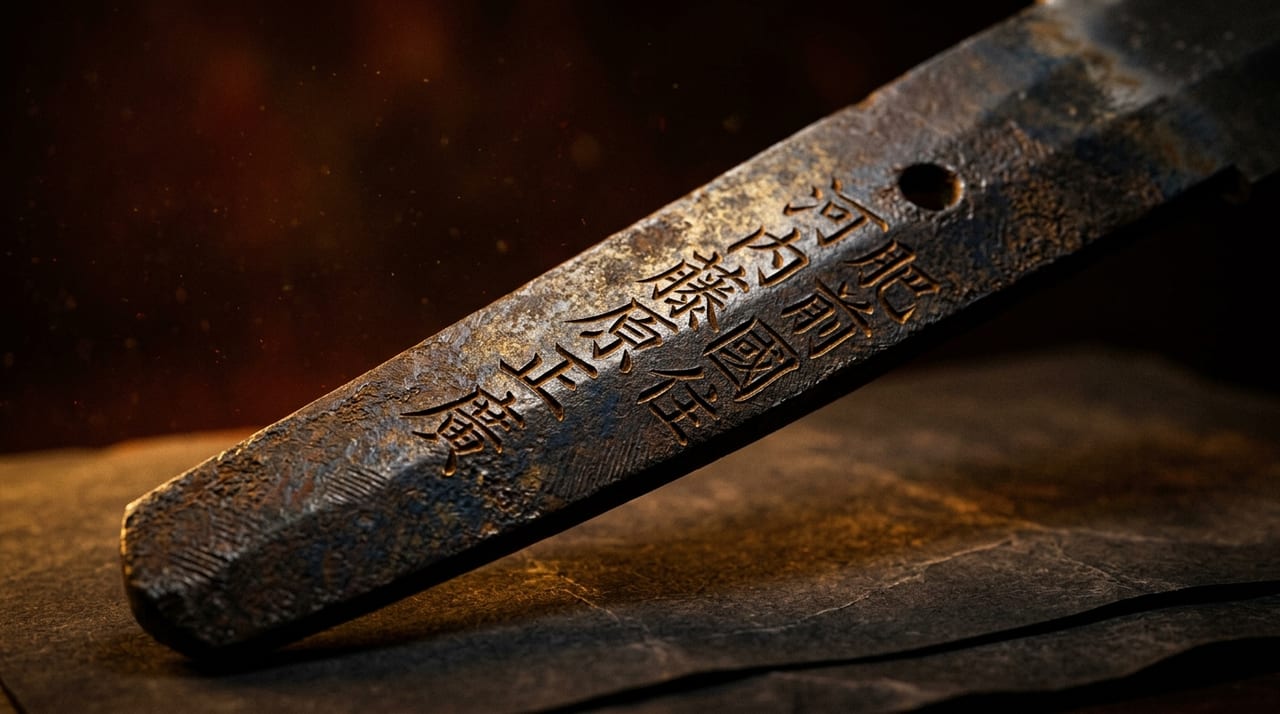
Origin of Nosada: The name "Nosada" comes from his distinctive way of cutting the character 定 (sada) in his signature, with the part beneath the roof radical abbreviated into the form of 之 (no) (㝎). The two characters "之定" were not themselves inscribed as the signature.
Characteristics of Style:
- Richness of Blade Pattern: Based on gunome irregularity with varied and dynamic patterns—more complex and fluid than Magoroku Kanemoto's Sanbon-sugi
- Quality of Steel: Among all Seki Kaji, particularly bright and vibrant steel. Fine wood-grain is tightly packed, and the steel landscape is rich in detail
- Beauty of the Point: The beautifully irregular point that curves elegantly is one of the factors elevating Nosada's reputation
Relations with Warlords: The "Izumi-no-Kami Kanesada" cherished by Hijikata Toshizo, Vice-Commander of the Shinsengumi, is a widely known story, but the prevailing view is that it was most likely made not by the Muromachi-period Nosada himself but by the 11th-generation Aizu Kanesada (Izumi-no-Kami Kanesada), active at the end of the Edo period. Claims equating Nosada with Hijikata's sword are often seen, but the two smiths were separate individuals several centuries apart.
Comparison of the Three Masters
| Comparison Axis | Kanefusa | Kanemoto (Magoroku) | Kanesada (Nosada) |
|---|---|---|---|
| Distinctive Blade Pattern | Kanefusa Midare (violently irregular) | Sanbon-sugi | Complex gunome irregularity |
| Historical Period | Pre-Muromachi onwards | Sengoku period | Late Muromachi period |
| Modern Evaluation | Favored by classical sword collectors | High reputation, high price range | Highest reputation, highest price range |
| Fame | Moderate | Internationally high | Highest domestic reputation |
Conclusion—The Industrial Legacy Left by Seki Kaji
Seki Kaji not only supplied immense quantities of practical blades to feudal Japan during the Sengoku period, but also produced world-renowned master blade-smiths such as Kanemoto and Kanesada. Their technical legacy continues to flow through the cutlery industry of present-day Seki City in Gifu Prefecture.
The Mino Tradition's spirit of "practicality over aesthetics" flows through the foundations of the industrial culture that enables modern Seki City to continue producing cutlery at world-class standards.