Shinto-Period Swordsmith Lineages and Regional Distribution: Schools and Workshop Locations Reorganized under the Edo System
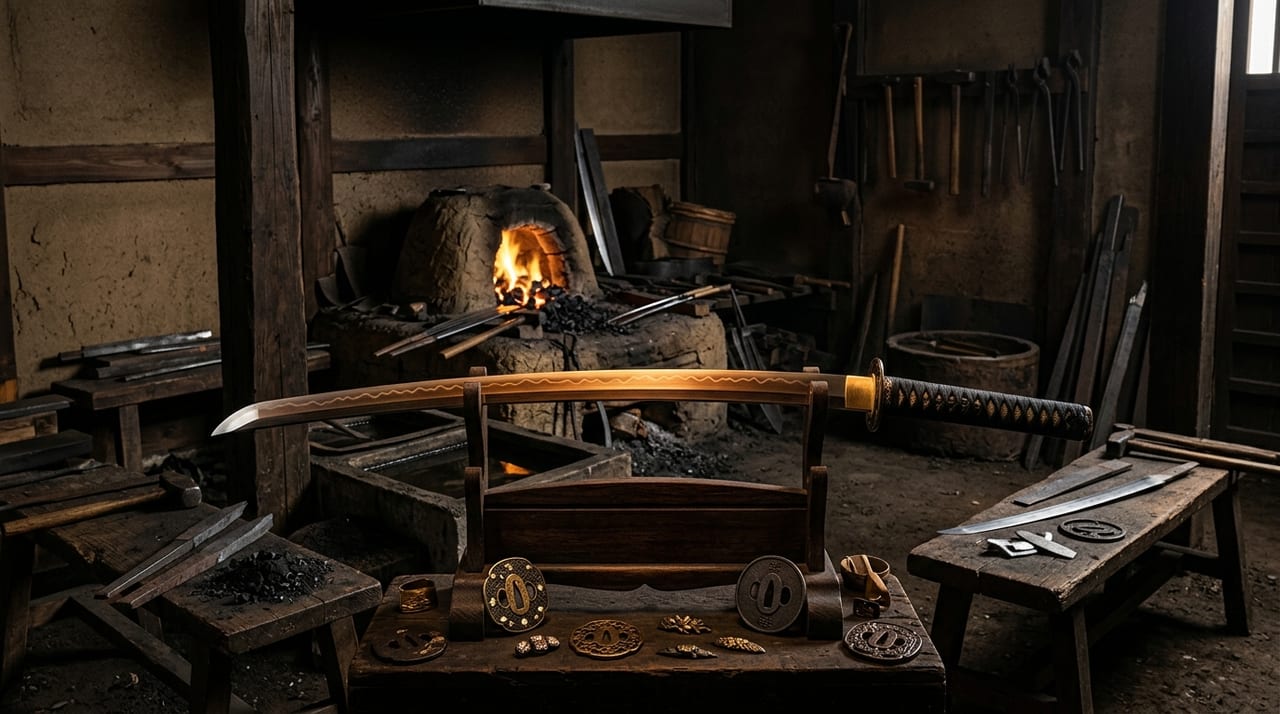 * Image is for illustrative purposes only.
Table of Contents
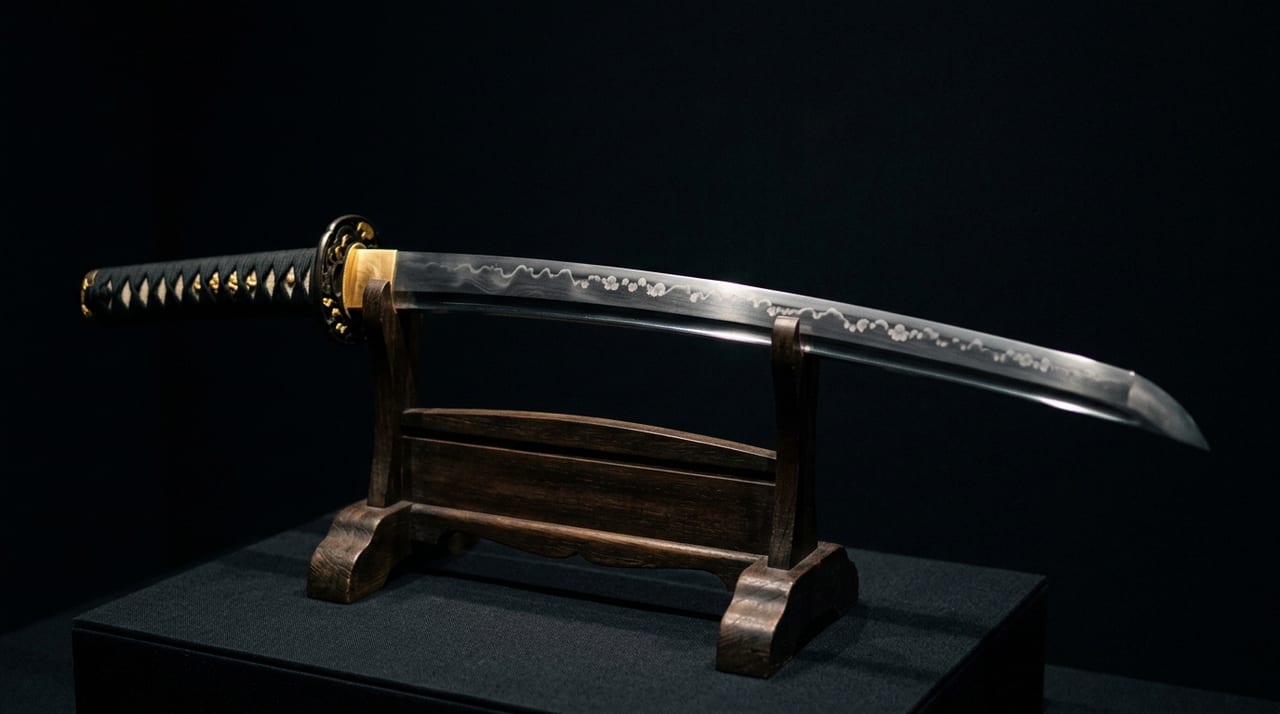
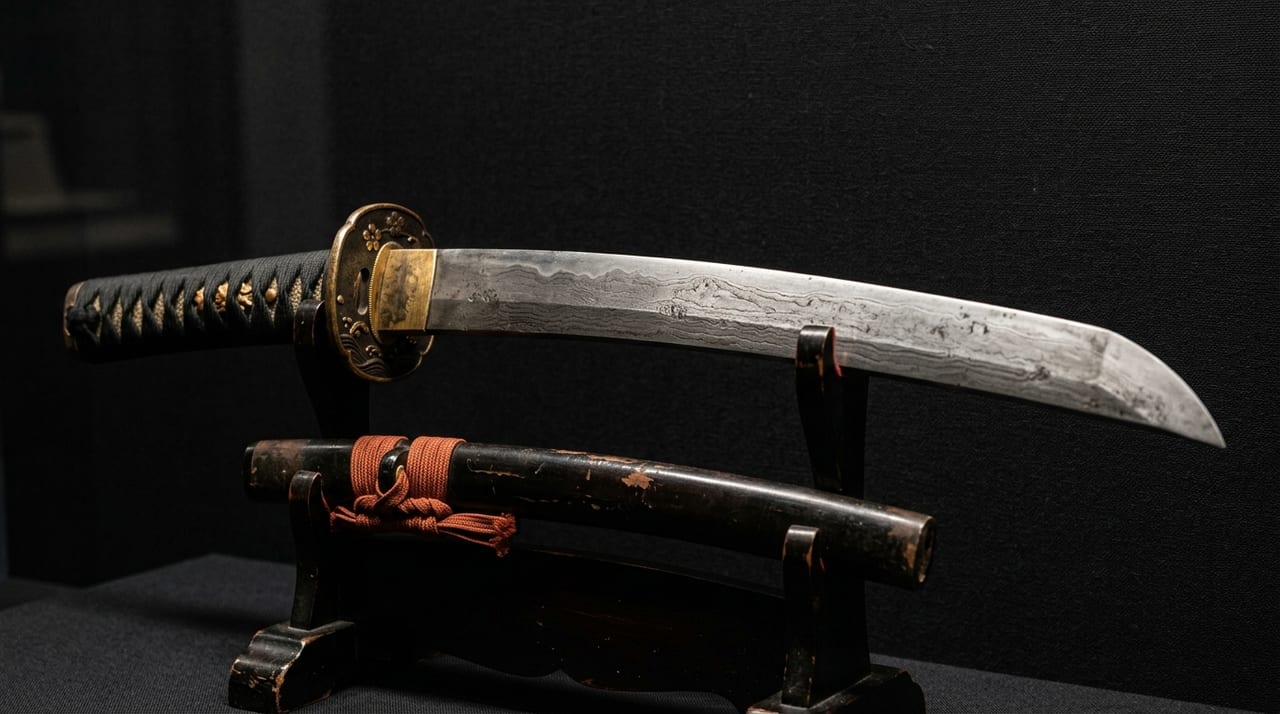
Swords made after the beginning of the Edo period are called shintō. Unlike the earlier koto period, the sword smiths of the shintō period did not gather in the five production centers of Bizen, Yamashiro, Yamato, Sagami, and Mino. The development of castle towns, the domain management by daimyo, and the stabilization of society through the establishment of the Edo shogunate greatly reorganized the residential areas and schools of sword smiths. In this article, we will organize how the sword smith lineages of the shintō period were divided into regions and why workshops were located in those places.
What kind of era was the shintō period?
Shintō generally refers to a classification for swords made around the Keichō era and later. The concepts of periodization are compiled in koto, shintō, shinshintō. The background of this period included the following changes:
- Wars settled down, and demand shifted from mass-produced practical weapons to swords as ornaments indicating the status of samurai.
- Castle towns were built in various places, and swordsmiths employed by daimyo and town smiths gathered in the castle towns.
- Due to the sankin-kotai system and the development of Edo, orders concentrated in major cities such as Edo, Kyoto, and Osaka.
In contrast to koto-period smiths who built their workshops on land close to sand iron and water resources, shintō-period smiths were distinguished by moving to "places where there was demand." To broadly understand how swords were during the Edo period, reading shintō of the Edo period together will give you a complete picture.
Major lineages reorganized under the Edo system
The schools of the shintō period, unlike the five major traditions of the koto period, came to be discussed more often as lineages centered on specific master smiths rather than as clearly distinct production centers.
The Kyoto/Yamashiro lineage
Kyoto was home to the workshop of Horikawa Kunihiro, known as the founder of shintō. From Kunihiro's circle, many swordsmiths were trained and the Horikawa school spread with Kyoto as its base. Horikawa Kunihiro is introduced in detail in Horikawa Kunihiro—The smith from Hyūga known as the father of shintō. Kyoto became one of the centers of the shintō period in both technique and design due to demand from the imperial court, nobility, and wealthy merchants.
The Osaka lineage
Osaka flourished as a commercial city, and orders from townspeople and daimyo families gathered there. Master smiths such as Sukehiro and Shinkai worked there, and the style of Osaka Shintō, known for its showy hamon, was established. For details, please see The Twin Jewels of Osaka Shintō—The world of Sukehiro and Shinkai. Information on Sukehiro can be found in Soboro Sukehiro (Sukehiro I), and on Shinkai in Inoue Shinkai.
The Edo lineage
Edo was the seat of the shogunate, and the residences of bannermen, retainers, and various daimyo were concentrated there. Against the backdrop of this demand, skilled swordsmiths came to Edo from various places. Nagasone Kotetsu was the representative, and his style is also covered in the entry for Nagasone Kotetsu and in the column Nagasone Kotetsu—The famous sword "Kotetsu" loved by Kondō Isami.
The Hizen lineage
In Hizen in Kyushu (the present-day Saga Prefecture area), the lineage of Hizen Tadayoshi flourished under the protection of the Nabeshima clan. The fact that the family continued through generations with the clan's patronage of the swordsmiths is a characteristic different from urban town smiths. For details, please see Hizen Tadayoshi—The western hero of Edo shintō.
Lineages such as Echizen, Kaga, and Satsuma supported by clans
Some smiths like Echizen Yasutsugu had connections with the Tokugawa shogunal family, and some regions like Satsuma developed unique sword-making culture under clan policy. Satsuma swordsmiths are covered in Satsuma swordsmiths—Clan-supported swordsmiths of the Shimazu and the unique aesthetics of Satsuma shintō. The lineage of Echizen Yasutsugu can be traced from the entry for Echizen Yasutsugu.
Conditions that determined workshop location
To understand where shintō-period workshops were located, it is easier to understand by looking at the following conditions:
- Proximity to castle towns or major cities: The place where the patrons—samurai and merchants—lived became the most important condition for workshops.
- Receiving protection from a clan or the shogunate: Swordsmiths employed by clans received stipends and workshop facilities, allowing them to concentrate on sword-making with stability.
- Having access to raw materials and fuel: The logistics network for transporting sand iron and charcoal from production areas expanded with the development of highways and maritime transport during the Edo period.
- Having related craftspeople such as polishers, scabbard makers, and metalworkers nearby: Since a single sword is completed through the division of labor among many craftspeople, cities where such craftspeople gathered were advantageous.
Compared to koto-period production centers being bound to places with water resources and raw materials, this change represented a major shift in thinking about workshop location.
The influence of regional distribution on sword-making style
The demand of the cities where workshops were located was reflected in the style of the swords.
Urban preferences are reflected
In commercial cities like Osaka, there was a tendency to prefer showy hamon, while in Edo, practicality and strength were valued. The differences in style show that different aesthetic sensibilities were formed in each city even during the same shintō period.
Technical succession through clan patronage
Swordsmiths employed by clans were in an environment that made it easy to pass down techniques through generations within the family. The long continuation of the Hizen Tadayoshi lineage is a typical example of how clan patronage supported stable succession. Differences in sword policies among clans can also be seen in Regional comparison of sword culture among Sengoku warlords.
Master-disciple relationships and the spread of disciples
There were also many examples of disciples trained in the circle of master smiths scattering to various places and establishing new lineages. Even swordsmiths who followed the same master's tradition developed different styles depending on the demand of the places where they moved.
Key points when researching shintō-period swordsmith lineages
When researching shintō swordsmiths, it becomes easier to organize if you grasp not just the smith's name, but the residential area and lineage as a pair.
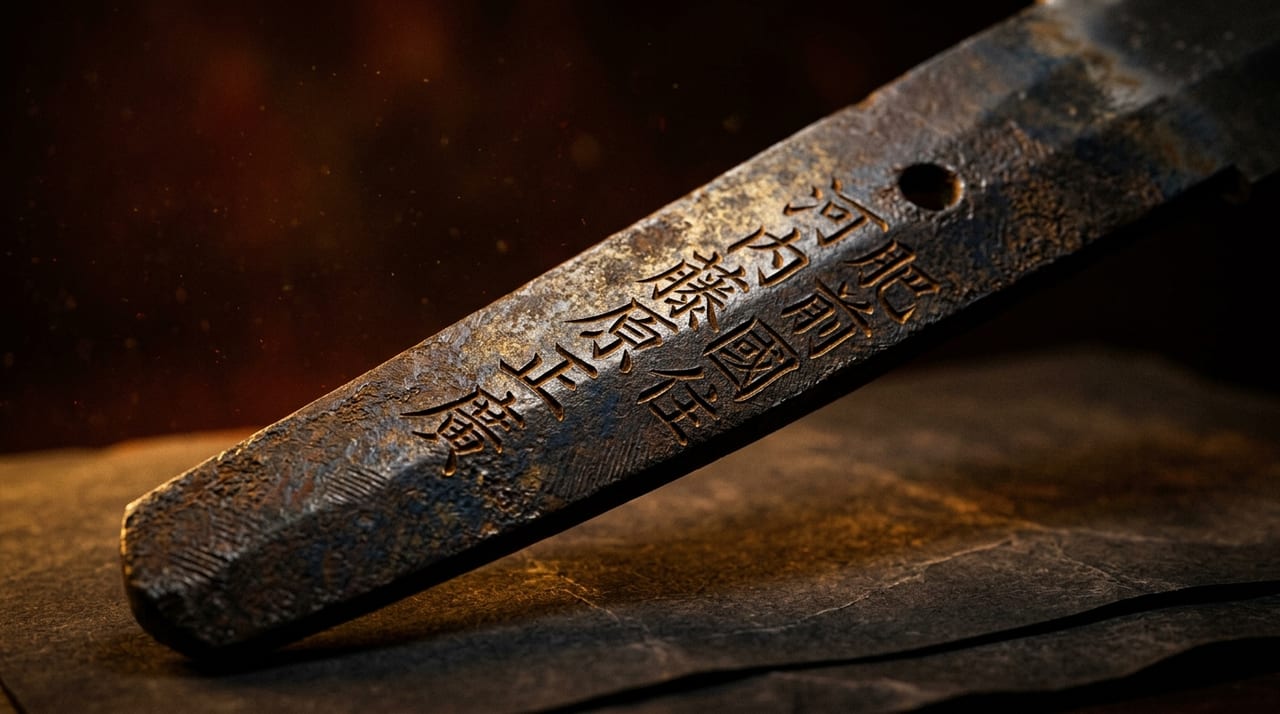
- Verify the province name or residential area inscribed in the signature.
- Verify genealogies showing master-disciple relationships and disciples.
- Verify whether they were clan-employed or town smiths.
- Verify whether the same name was inherited over many generations.
The way to read swordsmith name registers is covered in How to read and use the swordsmith name register, and the schools of Edo swordsmiths are also covered in Three major schools of Edo-period swordsmith.
Summary
Swordsmiths of the shintō period shifted their distribution from a production-center-focused pattern in the koto period to one centered on castle towns and major cities. In addition to the three great cities of Kyoto, Osaka, and Edo, regions supported by clans such as Hizen, Echizen, and Satsuma each developed their own unique lineages. The background to workshop location involved conditions such as where demand existed, patronage by clans and the shogunate, the development of logistics networks, and the concentration of related craftspeople. By reading the residential areas and lineages of swordsmiths in connection with one another, one can develop a three-dimensional understanding of the diversity of shintō-period swords. Those interested in shintō-period swords are welcome to browse swords offered from each period in the online catalog.