The Three Schools of Edo Smiths—Technical Characteristics and Masters of the Soshu, Mino, and Echizen Traditions
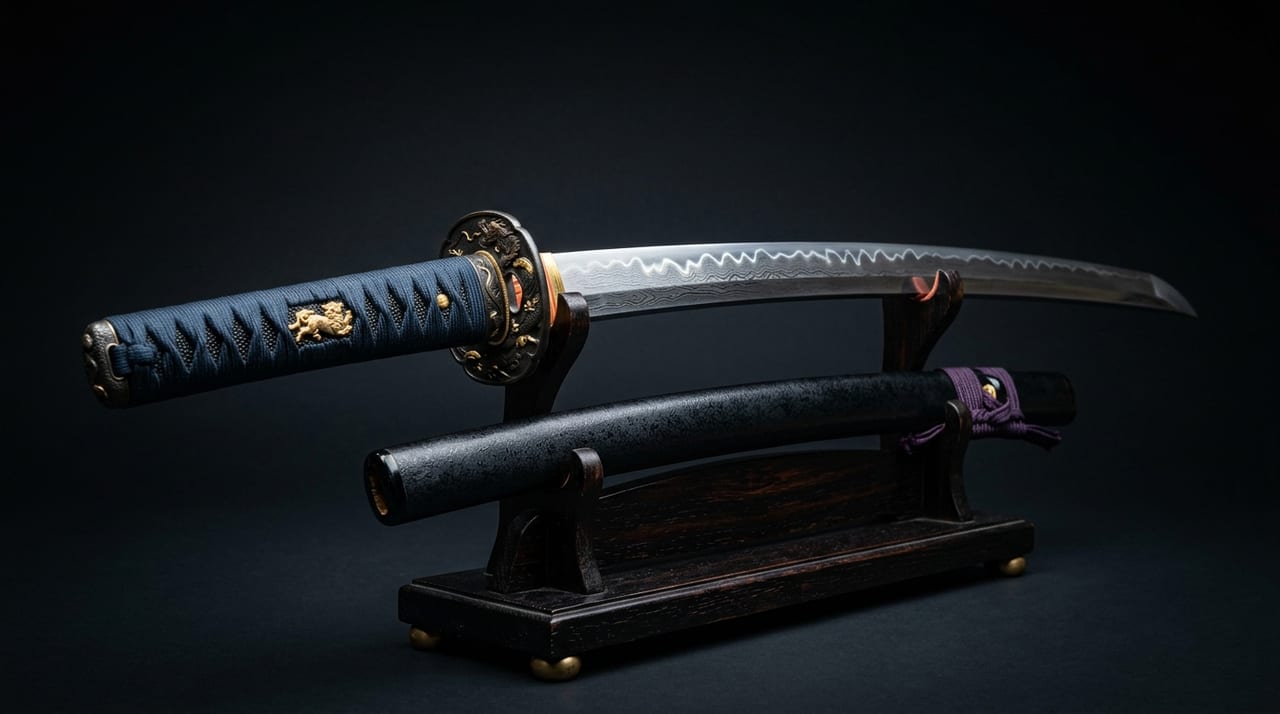 * Image is for illustrative purposes only.
Table of Contents
The Edo-Period Swordsmith Evaluation System: The "Meiko Iretsu"
During the Edo period, the Shogunate and various domains established an official ranking system called "Meiko Iretsu" (Master Swordsmith Rankings) to grade swordsmiths. Swordsmiths appointed as official craftsmen for the Shogun's household or as smiths retained by domains received status guarantees and production support in exchange for maintaining high technical standards.
Evaluation criteria included blade pattern stability, uniformity of the metal surface (ji-tetsu), and the beauty of the sword's profile. Equal importance was placed on how well each school embodied the traditional techniques unique to its region. Throughout the Edo period, three major production centers—Soshu (Sagami, present-day Kanagawa), Mino (Gifu), and Echizen (Fukui)—produced numerous master swordsmiths and developed distinct schools, each with its own technical characteristics.
Transmission of Soshu Techniques in the Edo Period: Suishinshi Masahide and Taikei Naotane
Soshu techniques are a system of methods established by Masamune and Sadamune in the Kamakura period, characterized by strong nie (crystalline patterns), hitatsura (completely hardened surface), and hamon featuring irregular patterns. While this tradition declined during the early Edo period, a major revival movement emerged during the Shinshintō period (late 18th to early 19th century).
Suishinshi Masahide (1750–1825), a representative swordsmith of the Shinshintō period, advocated for a return to Soshu techniques. In his work Tōken Jitsuyō-ron (Practical Sword Theory), he argued for "a return to the sword's original form," and promoted the reevaluation of Soshu methods from both theoretical and practical perspectives. His school produced numerous talented swordsmiths.
Taikei Naotane, a senior disciple of Suishinshi, is regarded as one of the Edo-period swordsmiths who contributed most to the revival of Soshu techniques. He was highly regarded for the quality of his metal and the strength of his blade patterns, and his swords were favored by late Edo-period warriors and activists.
Technical characteristics of Edo-period Soshu techniques:
- Metal surface: Mixture of itame and masame patterns with active chikei and kinsuji (gold lines)
- Blade pattern: Ranges from straight patterns to interlocking and clove-bud patterns
- Temper line tip: Features irregular patterns with short return
- Overall imposing aesthetic
Transmission of Mino Techniques in the Edo Period: Successors of Kanemoto and Kanesada
The Mino school (Gifu/Seki production) produced master swordsmiths such as Mago Roku Kanemoto and Izumi-no-Kami Kanesada during the Sengoku period and was renowned for bold, battle-ready blades. Its distinctive blade pattern, known as "Sanbon-sugi" (three cryptomeria), became its signature.
With the onset of the Edo period and the end of warfare, demand for purely functional battle blades declined. However, the Seki production center continued to employ numerous swordsmiths. Many craftsmen inherited the character "kane" (兼) in their names—such as Noshu Kanefusa and Noshu Kanetsugi—and continued to perpetuate the formal aesthetics of Mino techniques.
Technical characteristics of Edo-period Mino techniques:
- Sanbon-sugi blade pattern: Distinctive pattern with three interlocking waves in succession, with bold nie
- Metal surface: Dense, uniform itame pattern with beautiful fine grain
- Constructive method: Based on shinogi-zukuri (ridged sword structure) emphasizing practicality
- Tang: Often features ha-agari-kurijiri (raised blade-edge chestnut-butt) shape
- Overall refined and unpretentious aesthetic
Mino swordsmiths throughout the Edo period produced work ranging from "kazuuchimono" (mass-produced swords) to refined masterworks. Outstanding technical masters frequently emerged from these ranks and were highly valued as retained smiths by local domains.
Echizen Techniques: Hokuriku's Unique Smithing Culture and Development in the Edo Period
Echizen (present-day Fukui Prefecture) is a sword-producing center with roots in the medieval period and possesses its own line of swordsmiths such as Echizen Kanetane and Echizen Yasutsugu. In particular, Echizen Yasutsugu was highly favored by Tokugawa Ieyasu and gained renown as an official craftsman for the Shogun's household, receiving the honorific title "Aoi-mon Shimosaka."
Technical characteristics of Echizen techniques:
- Metal surface: Dense fine grain creating a clear, grayish-blue appearance
- Blade pattern: Beautiful interlocking clove-bud patterns with finely aligned nie-ashi
- Constructive method: Based on shinogi-zukuri with elegant profile
- Signatures: "Yasutsugu" and "Aoi-mon" signatures served as evidence of authority demonstrating connections to the Shogunate
Echizen was located near the Kaga domain (Kanazawa), and blades developed as fine art under the cultural patronage of the Maeda family. Echizen blades were especially valued for the exceptional quality of their metal surface, and contemporary appraisers praised them with the saying "In Echizen work, the metal surface is paramount."
Comparative Techniques of Three Production Centers: Differences Among Soshu, Mino, and Echizen
| Evaluation Category | Soshu School | Mino School | Echizen School |
|---|---|---|---|
| Metal surface | Active itame, chikei, and kinsuji | Dense, uniform itame | Dense fine grain, clear, refined |
| Blade pattern | Large irregular patterns with strong nie | Sanbon-sugi and interlocking waves characteristic | Interlocking clove-buds with neat nie-ashi |
| Profile | Imposing, powerful | Practical, refined | Elegant, harmonious |
| Temper line tip | Irregular with short return | Small rounded, irregular | Medium rounded, slightly deeper return |
| Character | Samurai authority and power | Honest, dependable | Refined, distinguished |
These differences reflect not merely technical variations but also the distinct historical and geographic conditions of each region, their relationships with domain lords and samurai, and the cultural character of each area.
The Edo-Period Master Swordsmith Rankings: Highly Regarded Craftsmen
In official lists of master swordsmiths compiled by the Edo Shogunate and various domains (such as "Masamune's Ten Great Disciples" and "New Sword Registries"), the following craftsmen were recognized as master swordsmiths representing their regions.
Soshu school: Suishinshi Masahide, Taikei Naotane, Koyama Munetsugu
Mino school: Noshu Kanefusa, Seki Kanetsugi, and numerous "Kane" lineage swordsmiths
Echizen school: Echizen Yasutsugu (first through fifth generation), Echizen Kanetane
These Edo-period rankings continue to function as reference standards in NBTHK (Japanese Sword and Art Sword Association) authentication and appraisal, demonstrating how historical evaluations continue to influence modern value assessments.
Conclusion: Edo-Period Swordsmith Evaluation and Its Legacy for Today
The Edo-period swordsmith evaluation system embodied more than a mere technical ranking—it represented the process of the Japanese sword's transformation from a weapon into a work of art. The imposing character of Soshu techniques, the honest practicality of Mino techniques, and the distinguished refinement of Echizen techniques each reflected different aspects of Edo samurai culture.
For modern sword enthusiasts and collectors, understanding the technical characteristics of these three production centers is essential foundational knowledge for developing a discerning eye and improving the accuracy of authenticity appraisal. When viewing masterworks from each region in museum exhibitions, we encourage you to pay particular attention to the differences in metal surface, blade pattern, and constructive method.