Koshirae by Sword Type — Structural Differences and Practical Material Selection for Uchigatana, Wakizashi, and Spears
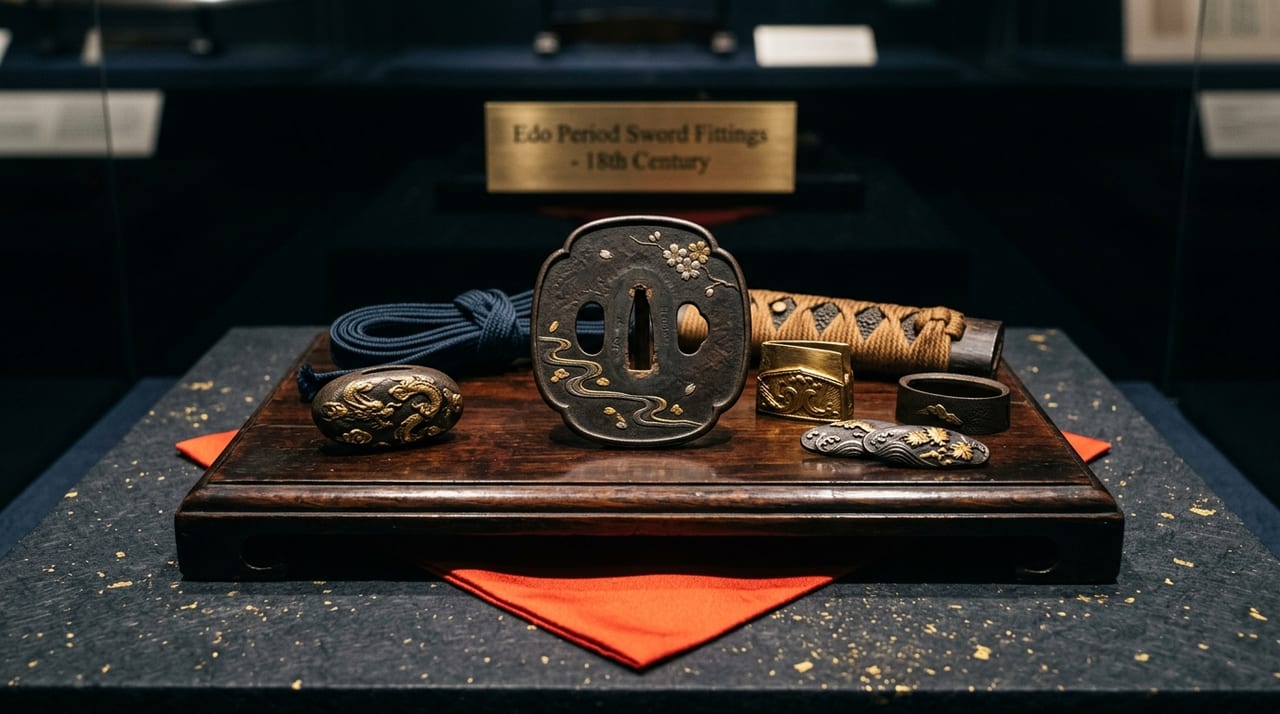 * Image is for illustrative purposes only.
Table of Contents
What Is Koshirae — The Essence of the Sword's "Clothing"
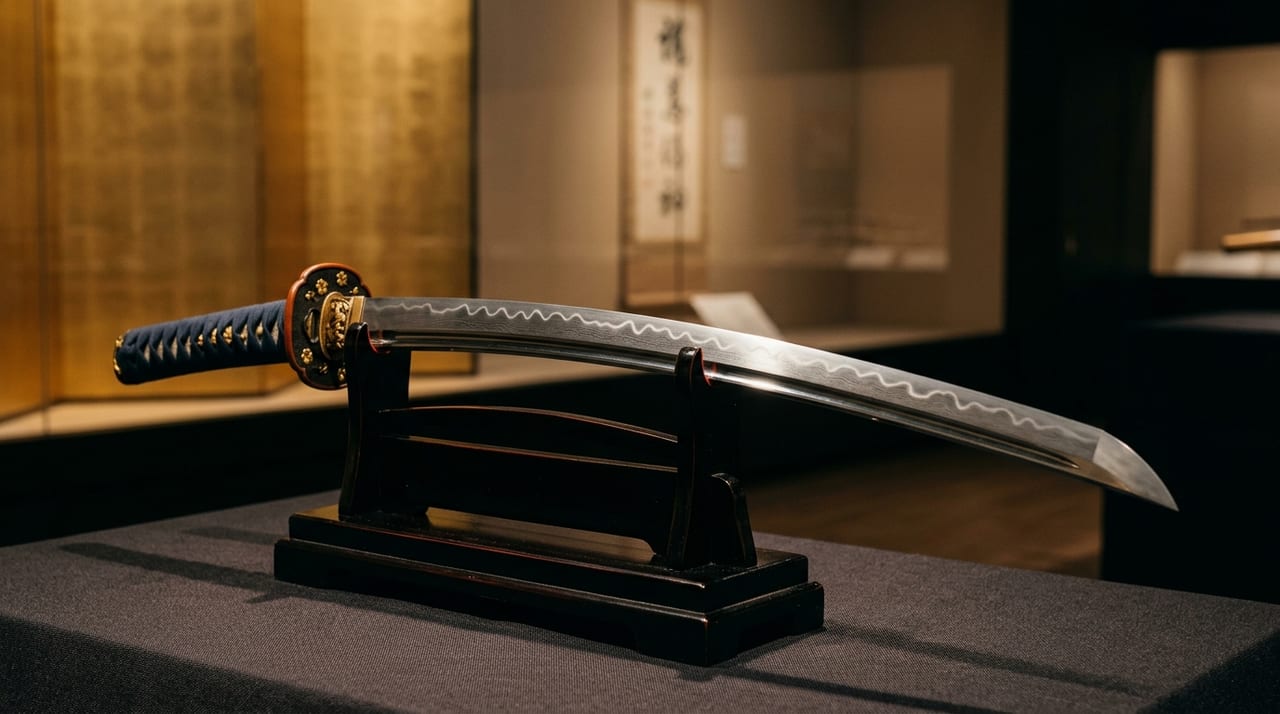
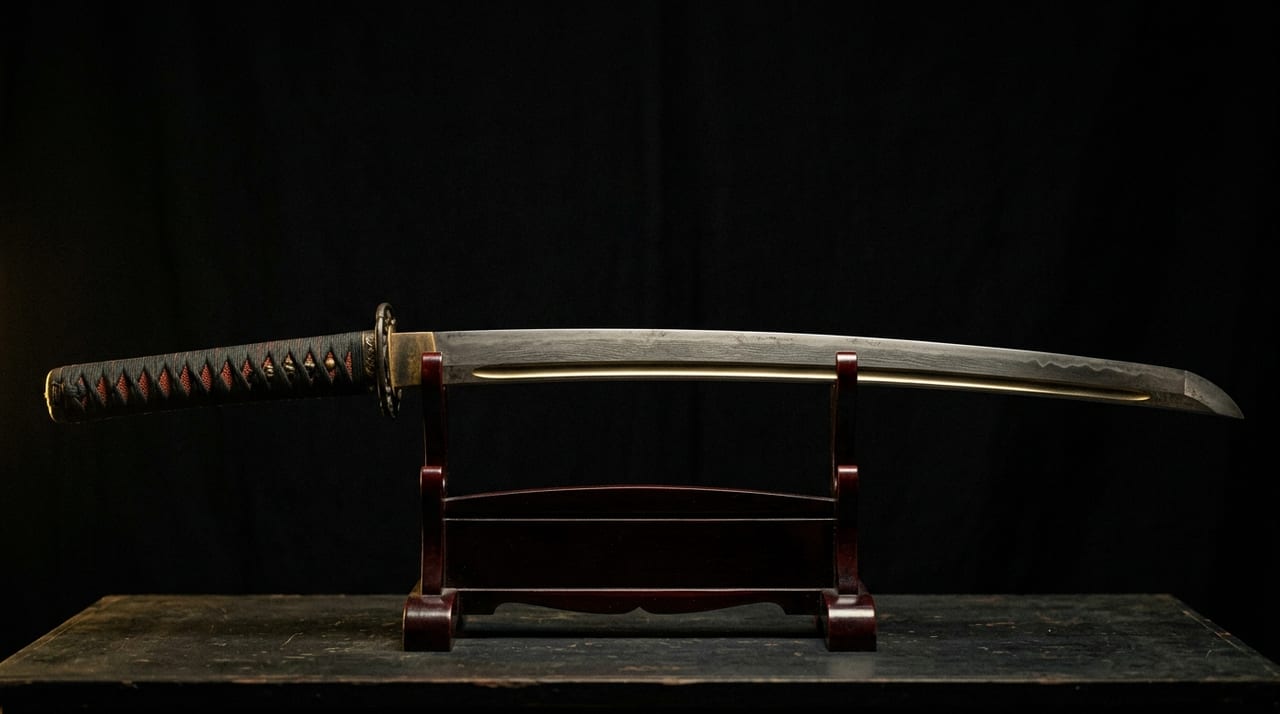
The koshirae of a nihontō refers to the complete tōsōgu ensemble — the saya (scabbard) that houses the blade, the tsuka (hilt) that is gripped, the tsuba (hand guard), and all other fittings. It is not mere decoration, but a functional system that determines the sword's portability, draw speed, and user safety.
Even though the word "koshirae" is used for all of them, the koshirae of the uchigatana, wakizashi, and yari (spear) differ fundamentally in structure, materials, and fabrication process. Understanding these differences is indispensable both for selecting appropriate koshirae as a sword collector and for cultivating an expert eye for tōsōgu.
Structural Comparison of Koshirae by Sword Type
| Sword Type | Approximate Length | Main Materials for Saya and Tsuka | Tsuka Length Ratio | Distinctive Parts |
|---|---|---|---|---|
| Uchigatana | Blade 2 shaku (approx. 60 cm) or more | Saya of hōnoki wood (two-piece joined), tsuka wrapped in samegawa | Approx. 1/4 of blade length | kojiri, koiguchi, mekugi |
| Wakizashi | Blade 1 shaku or more, less than 2 shaku (approx. 30–60 cm) | Same structure as uchigatana; daimyō koshirae with high decorative value also exist | 0.3–0.4 tsuka per 1 blade length | kozuka slot, kōgai slot |
| Yari (spear) | Shaft (yagara) length 1.5–4 m | Shaft of hard wood such as white oak or cherry, tōmaki or leather wrap | — | hobukuro, ishizuki, yarisaya |
Structure and Features of Uchigatana Koshirae
The uchigatana is a blade of 2 shaku (approx. 60 cm) or more in length and was the most common sword type that samurai wore at their waist for daily carry during the Edo period. The defining feature of uchigatana koshirae is a design suited to the carrying style of thrusting the sword through the belt with the edge facing upward (ha-age).
Structure of the Saya
The saya of an uchigatana, also called the "daito koshirae saya," is made to match the blade length. The material is fundamentally hōnoki (magnolia wood), with a "two-piece joined" structure in which two planks are glued together. The exterior is standardly lacquered, using either a "nuri-zaya" (black lacquer, red lacquer, stone-texture lacquer, etc.) or a "koshirae-zaya" (samegawa or leather wrap).
At the tip of the saya (the ishizuki) is the kojiri, a protective metal fitting that contacts the ground when the sword is worn at the waist. At the saya opening (habaki base), there is a metal rim called the koiguchi that simultaneously ensures secure retention when the sword is inserted and smooth draw when unsheathed.
Tsuka Length Ratio
The traditional ratio for the tsuka length of an uchigatana is approximately 1/4 of the blade length. If the blade is 2 shaku 4 sun (approx. 72 cm), the tsuka would be approximately 6 sun (approx. 18 cm). This ratio is designed on the premise of a two-handed grip, optimized for efficiently executing kenjutsu forms such as gedan and jōdan.
Inside the tsuka is the nakagoana (nakago hole) into which the nakago (tang) of the blade fits, secured by a pin called the mekugi made of bamboo or horn. The exterior of the tsuka is wrapped in samegawa (ray skin), over which the tsukamaki is wound — flat-braided silk thread or leather cord wrapped in a diamond pattern.
Tsuba Selection Criteria
The tsuba for an uchigatana is selected to match the thickness of the blade, the sori (curvature), and the size of the user's hand. While shapes vary widely — round, square, hollyhock-shaped, and others — size compatibility with the "kiriha" (thin metal plates sandwiched on both sides of the tsuba) is the most critical factor. The opening of the tsuba (the kiriha-dai) must align perfectly with the cross-section of the blade's nakago; even slight play is dangerous in kenjutsu use.
Uchigatana koshirae also places emphasis on the practical functions of the kojiri and preventing saya-nari (scabbard rattle). The habaki (a metal collar fitted at the base of the blade) fitting inside the saya prevents saya-nari and protects the blade.
Structure and Features of Wakizashi Koshirae
The wakizashi is a blade of 1 shaku or more but less than 2 shaku in length (approx. 30–60 cm), a secondary sword that samurai wore as a pair — daishō — together with the uchigatana. The wakizashi koshirae shares many elements with uchigatana koshirae but has its own distinctive features due to differences in size and purpose.
Differences in Saya Shape
The saya of a wakizashi is shorter than that of an uchigatana, and the angle of curvature must also correspond precisely to the blade's sori. Because the wakizashi places less burden on the hip than the uchigatana, a highly decorative "daimyō koshirae" style developed. Such pieces are often equipped with lavish ornaments including inrō and menuki, and koshirae of high craft value exist featuring lacquer work and maki-e.
Differences in Tsuka Length Ratio
The tsuka of a wakizashi commonly has a ratio of 0.3 to 0.4 tsuka per 1 blade length. The tsuka ratio is often set slightly higher than that of the uchigatana. This accounts for the operability when using the wakizashi for personal defense and close-quarters combat. There are also koshirae designed for use in single-handed strikes (katate-uchi), in which case the thickness and wrapping method of the tsuka differ.
Storage of Kozuka and Kōgai
A defining feature of wakizashi koshirae is the storage space for the kozuka and kōgai. The front and back of the saya are typically fitted with kozuka slots and kōgai slots, designed to store the swordsman's everyday items (a small knife and a hair-dressing tool). This is a structure unique to the wakizashi that is not normally found in uchigatana koshirae, reflecting its function as a tool for a warrior's daily life.
Structure and Features of Yari Koshirae
The koshirae of a yari differs structurally from that of a sword in fundamental ways. Whereas sword koshirae presupposes use by drawing, yari koshirae has as its primary purpose protecting the spearhead and ensuring safety during transport.
Hobukuro and Ishizuki
The core of yari koshirae is the hobukuro — a protective bag that houses the hossaki (blade portion). Made of leather or cloth with a core material inside, it protects the spearhead's blade from wear. The ishizuki (the metal fitting at the butt end of the spear shaft) is shaped with consideration for protection when planted in the ground and for weight balance when the spear is held in reverse.
Material and Length of the Shaft
The shaft of a yari differs fundamentally from the tsuka of a sword; a long wooden shaft called the yagara, made of hard wood such as white oak or cherry, is used. The total length including the spearhead is generally 1.5 to 4 m, varying in specification between the tan'e-yari (short-shafted spear), nagae-yari (long-shafted spear), and ōmi-yari (large-bladed spear). The surface of the shaft is treated with tōmaki (wrapping a rattan strip in a spiral) or leather wrapping to ensure grip and durability.
Yarisaya and Method of Transport
The yarisaya, used for safely transporting the yari during travel, is a cloth or leather cover that encloses the entire shaft. For modern art spears (bijutsu-yari), the standard method of storage is a set consisting of the hobukuro and a wooden box.
Practical Points for Koshirae Selection Across Sword Types
There are two practical points to confirm when selecting koshirae.
- Confirming the habaki fit: The habaki is a metal ring fitted at the base of the blade (the boundary between the blade and the nakago), and the judgment criterion is whether its fit with the koiguchi is in a state of no play and smooth draw. If the gap between the habaki and the koiguchi is too large, the blade moves and becomes dangerous; if too small, drawing is impossible.
- Matching sori to the internal saya curve: If the blade's sori and the internal curve of the saya do not match, the blade will interfere with the inner wall of the saya during drawing, causing wear or chipping. When selecting koshirae, it is necessary to compare the actual measured values of the blade's sori angle — saki-zori, naka-zori, or moto-zori — against the saya's internal curve.
Summary: The Essence of Koshirae by Sword Type Is "The Integration of Function and Beauty"
The koshirae of the uchigatana, wakizashi, and yari each have structures optimized for the use, size, and carrying method of their respective sword types. When evaluating koshirae as a collector, a genuine expert eye is cultivated by attending not only to decorative beauty but also to the following functional quality indicators.
- Precision of habaki fit
- Cut shape of the koiguchi
- Tightness of the tsukamaki