Appreciating the Form of Yamato-den Blades — The Distinctive Shapes, Jigane, and Hamon of Yamato-den within the Gokaden
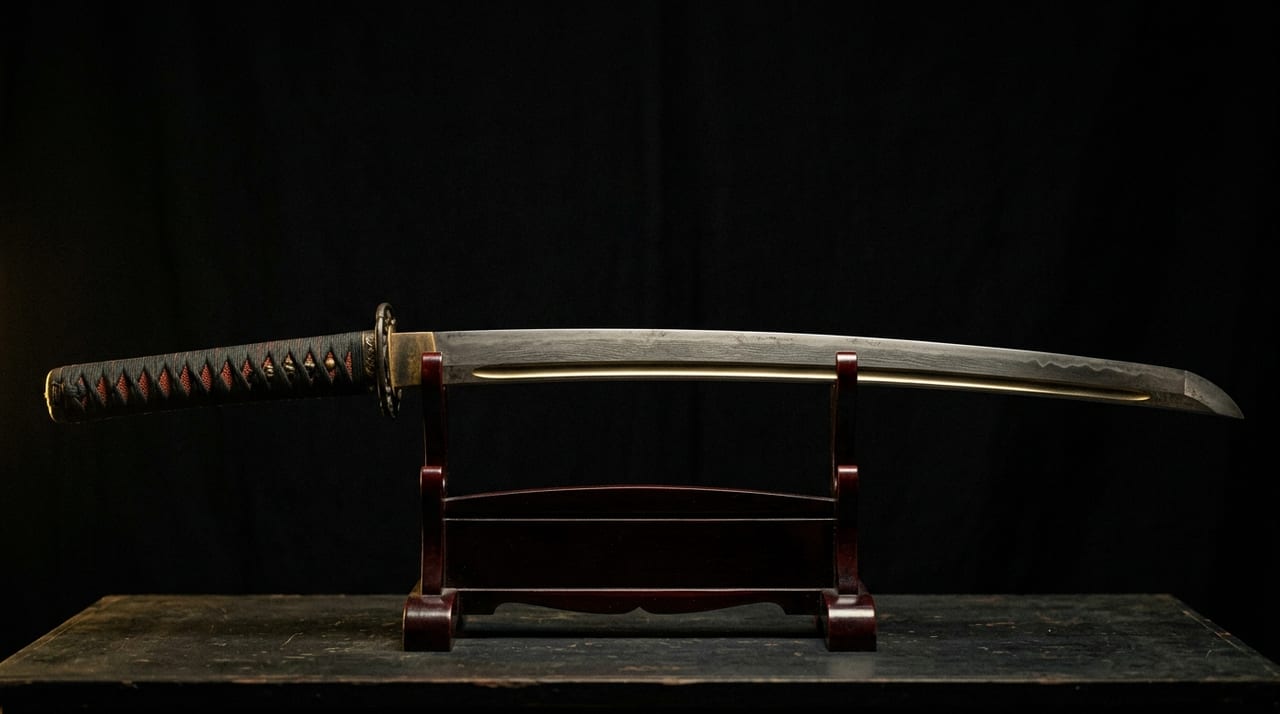 * Image is for illustrative purposes only.
Table of Contents
What Is Yamato-den — Its Place within the Gokaden and Historical Background
Yamato-den is the collective term for the schools of Japanese swordmaking that developed centered on Yamato Province (present-day Nara Prefecture). Among the "Gokaden" — the five regional traditions of Japanese swordmaking known as Bizen-den, Sōshū-den, Mino-den, Yamashiro-den, and Yamato-den — it is considered one of the oldest, and its distinctiveness lies in having developed in close association with powerful temples and shrines.
The most representative schools are the "Yamato Five Schools": the Senjuin School, the Tegai School, the Taima School, the Hōshō School, and the Shikkake School. All of these had connections with the Buddhist sculptors and kaji of the great temples of Nara (Tōdai-ji, Kasuga Taisha, Hase-dera, and others), and maintained a tradition of producing swords for ceremonial and votive purposes.
Tōkō of the Yamato-den were actively working throughout the Kamakura period, but from the Nanbokuchō era onward their relative influence gradually declined as Bizen-den, Sōshū-den, and Mino-den rose to prominence. However, the technical characteristics of Yamato-den were inherited by later tōkō, and schools with a style "modeled on Yamato" emerged throughout the country.
The Sugata of Yamato-den — Looking at Formal Characteristics
The sugata of Yamato-den blades has several characteristics that clearly distinguish it from other schools.
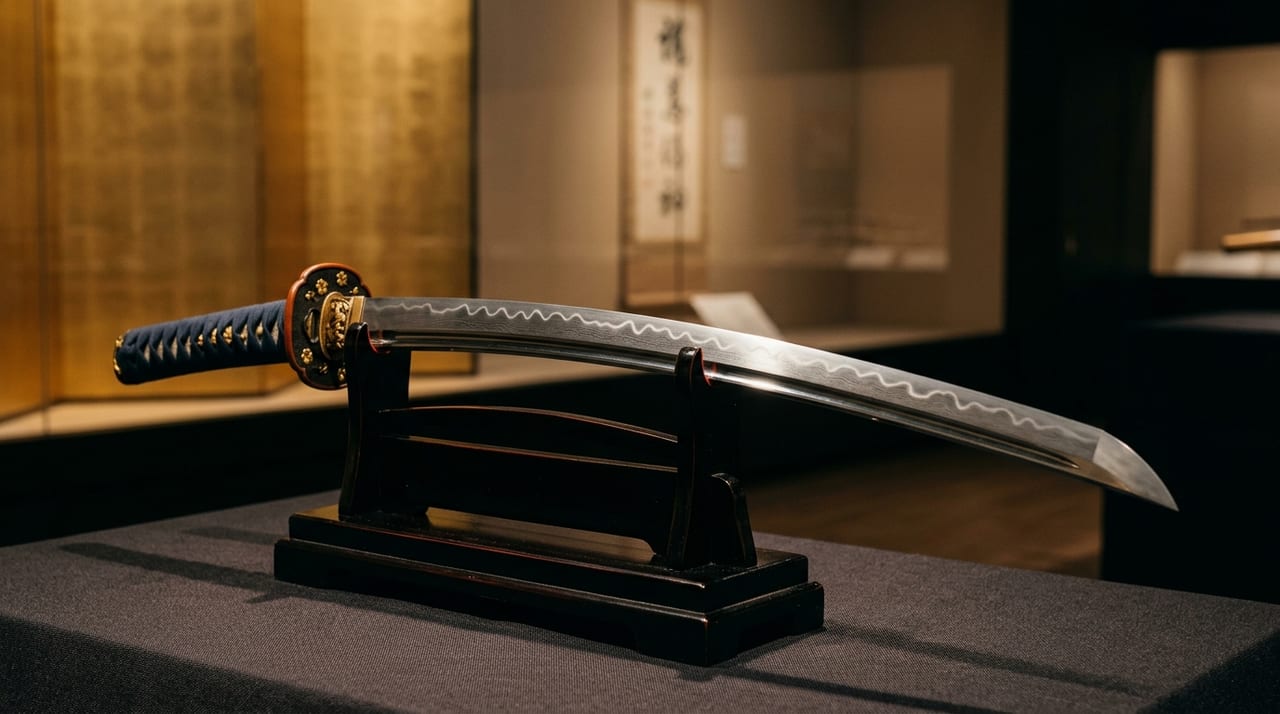
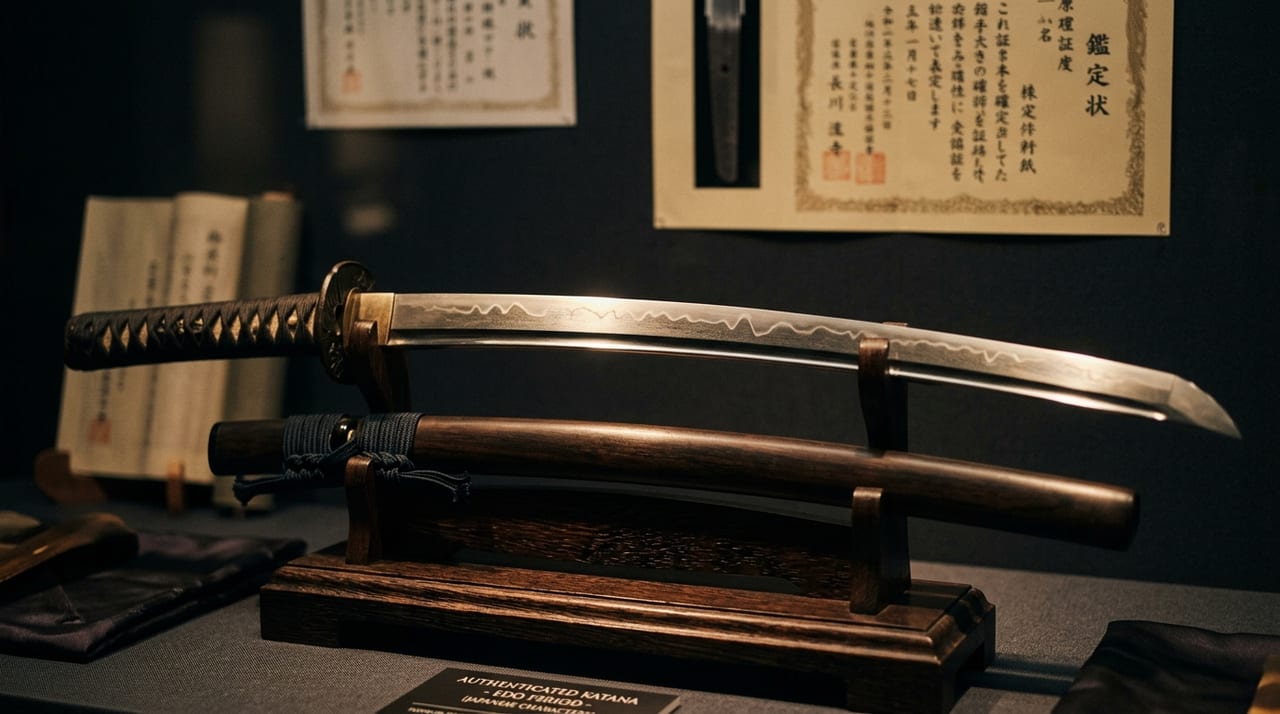
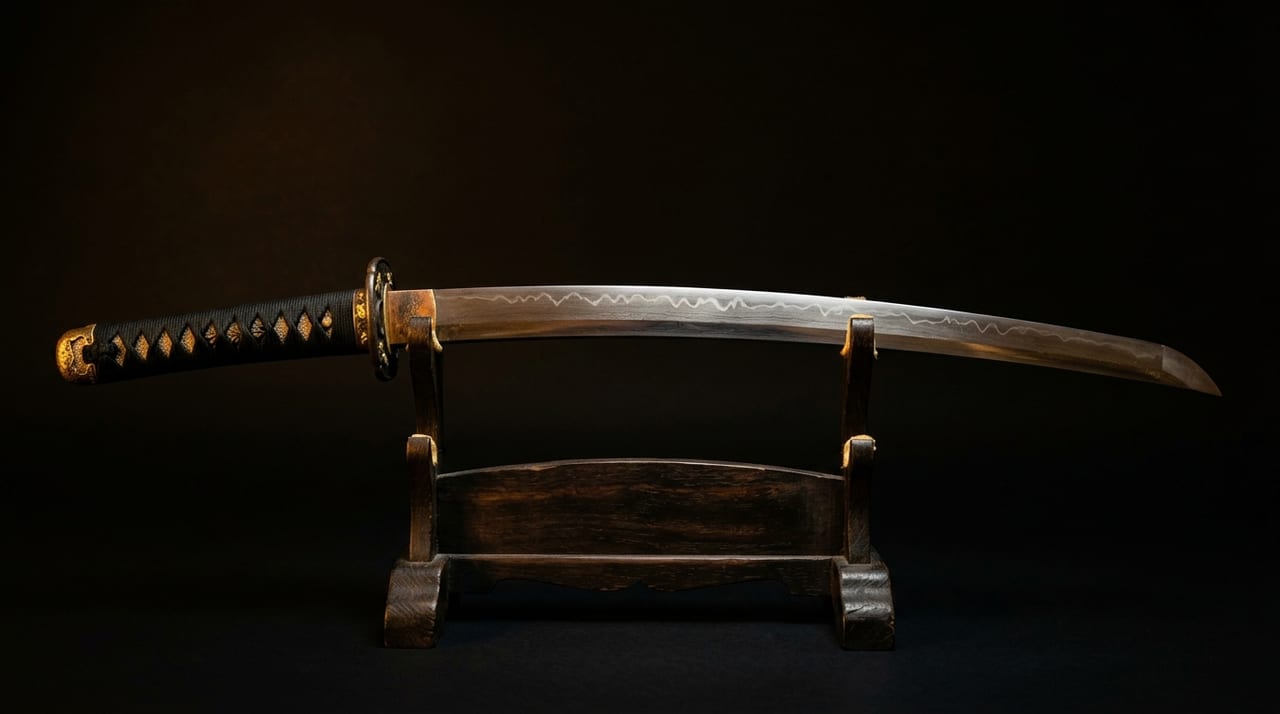
- Shallow sori: Tachi of the Yamato-den are generally shallow in sori, and many have a silhouette close to straight. This gives a straightforward impression in contrast to the majestic koshi-zori tachi of Bizen-den and the elegant, graceful curvature of Yamashiro-den. It is said that Yamato's cultural background, which placed emphasis on practicality and religious simplicity, is reflected in this preference for form.
- Frequent use of bō-hi: The blades of Yamato-den frequently feature bō-hi (long grooves cut along the flat of the blade body). Bō-hi are a functional element intended to reduce blade weight and improve strength, but in Yamato-den their depth and length are characteristic, giving the whole blade a clean, uncluttered impression. Observing the terminal treatment of the hi (kakinagashi, marutome, kakutome, and so on) is also a point of appreciation in Yamato-den.
- Balance of mihaba and kasane: Many Yamato-den blades have a relatively thick kasane in relation to their mihaba, giving a sense of a cross-section that is thick and solidly forged. This too reflects a design philosophy that prioritized practicality.
The Jigane of Yamato-den — Masame-hada and Naonagare Forging
Observation of the jigane is an extremely important point in the appraisal of Yamato-den. The jigane of Yamato-den is typically characterized by what is called "masame-hada" or "naonagare" — a jihada with a straight, wood-grain-like flow.
In contrast to Bizen-den's itame-hada, which swirls in complex patterns, and Yamashiro-den's characteristic fine and uniform ko-itame, the masame-hada of Yamato-den has a linear texture flowing in the vertical direction. This is said to derive from the forging method adopted by Yamato tōkō (the direction and number of repeated folding), and is the product of a technical tradition unique to Yamato.
The masame-hada of the Hōshō School is especially well-defined, and studying works of the Hōshō School as practice in sword appraisal is considered effective for understanding the jigane of Yamato-den.
The Hamon of Yamato-den — The Quiet Beauty of a Suguha Foundation
In terms of hamon, Yamato-den is predominantly based on suguha, with a style that discreetly mingles ko-midare and ko-chōji. The nioiguchi tends toward tightness, and the quiet impression of the hamon — unlike Bizen-den and Sōshū-den, which favor vigorous midare and showy chōji — embodies the aesthetic of Yamato-den.
Nie appears in the hamon in good measure, and a working called sunagashi — which flows through the hamon — may also appear. Compared with the Rai School (Yamashiro-den), which has a soft nioiguchi, Yamato-den tends toward a tighter nie-based quality, giving a forceful impression.
It is hoped that by actually comparing works side by side, one comes to grasp intuitively the individuality of each of the Gokaden.
Practical Points for Identifying Yamato-den
When actually examining swords at an appreciation venue, checking the following points in order is effective for identifying a Yamato-den blade.
- Take in the overall sugata and confirm the shallow sori and straight impression.
- Check whether bō-hi is present on the flat of the blade, and observe its length and depth.
- See whether the jigane exhibits masame or naonagare.
- Confirm whether the hamon is predominantly suguha with a tight nioiguchi.
- Pay attention also to the shape of the nakago and the yasurime. This provides information useful for identifying the school.
Each of the Yamato Five Schools has fine differences in style.
| School | Stylistic Characteristics |
|---|---|
| Senjuin School | Shows the most archaic and unpretentious forging |
| Tegai School | Has a forcefulness in which bō-hi and masame stand out |
| Hōshō School | Distinguished by the clarity of its masame-hada |
| Taima School · Shikkake School | Show a restrained, regional style |
By continuing to view and compare these, one comes to understand deeply the diversity and unity of Yamato-den.
Yamato-den swords can be viewed not only in domestic museums and shrine treasure halls, but also on online platforms such as TOUKENZA, where explanatory notes on related works can be consulted. It is sometimes said that Yamato-den is relatively unfamiliar to modern sword enthusiasts among the Gokaden, but its aesthetic of rugged beauty and its historical weight hold an appeal no less than that of Bizen-den or Sōshū-den.