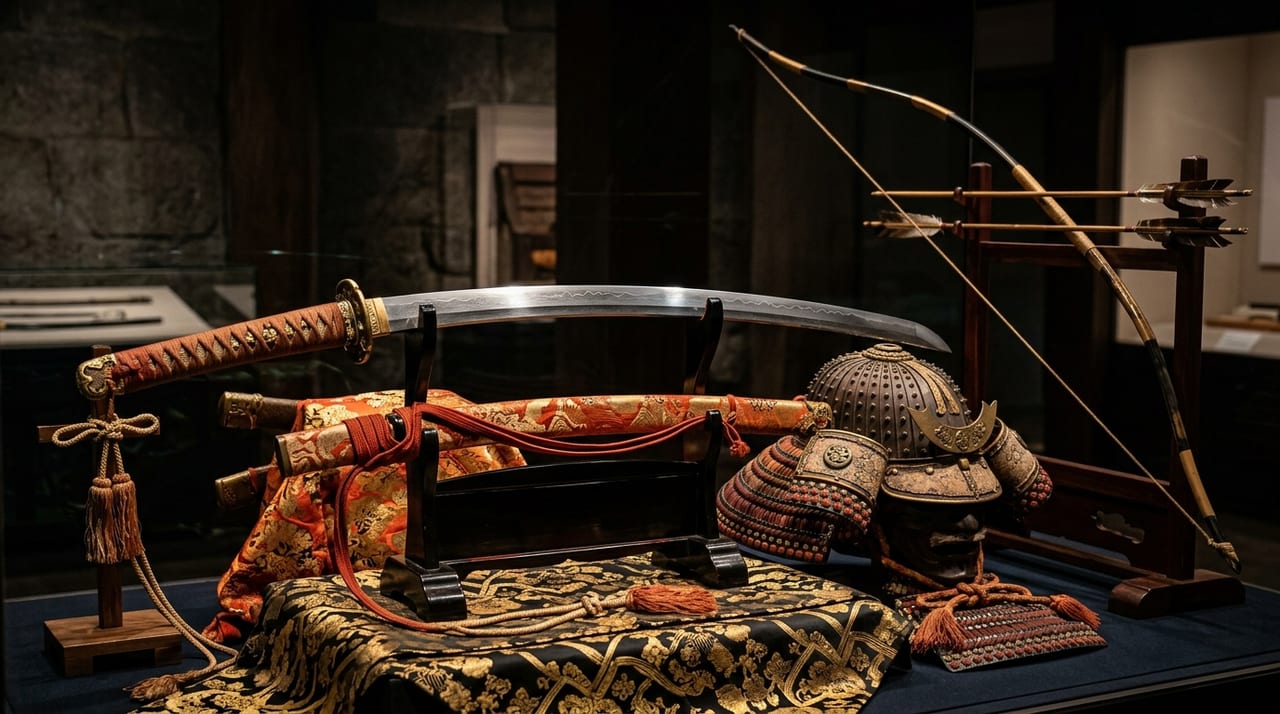
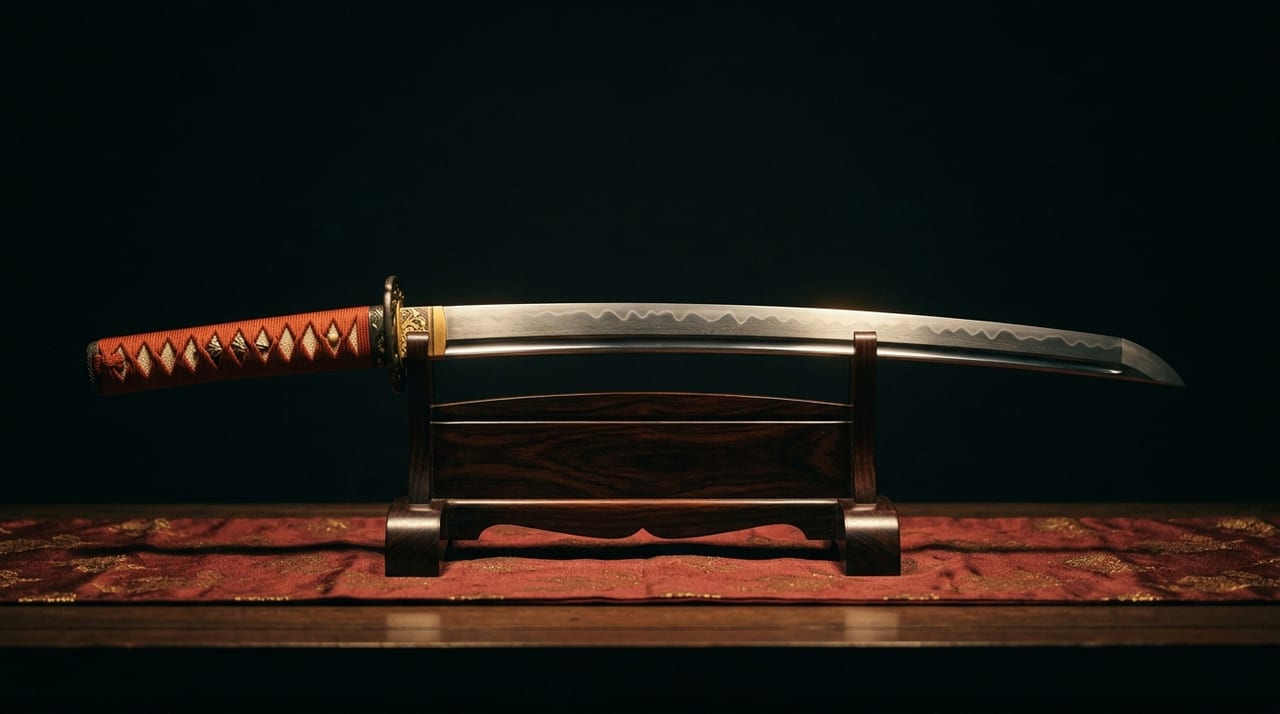
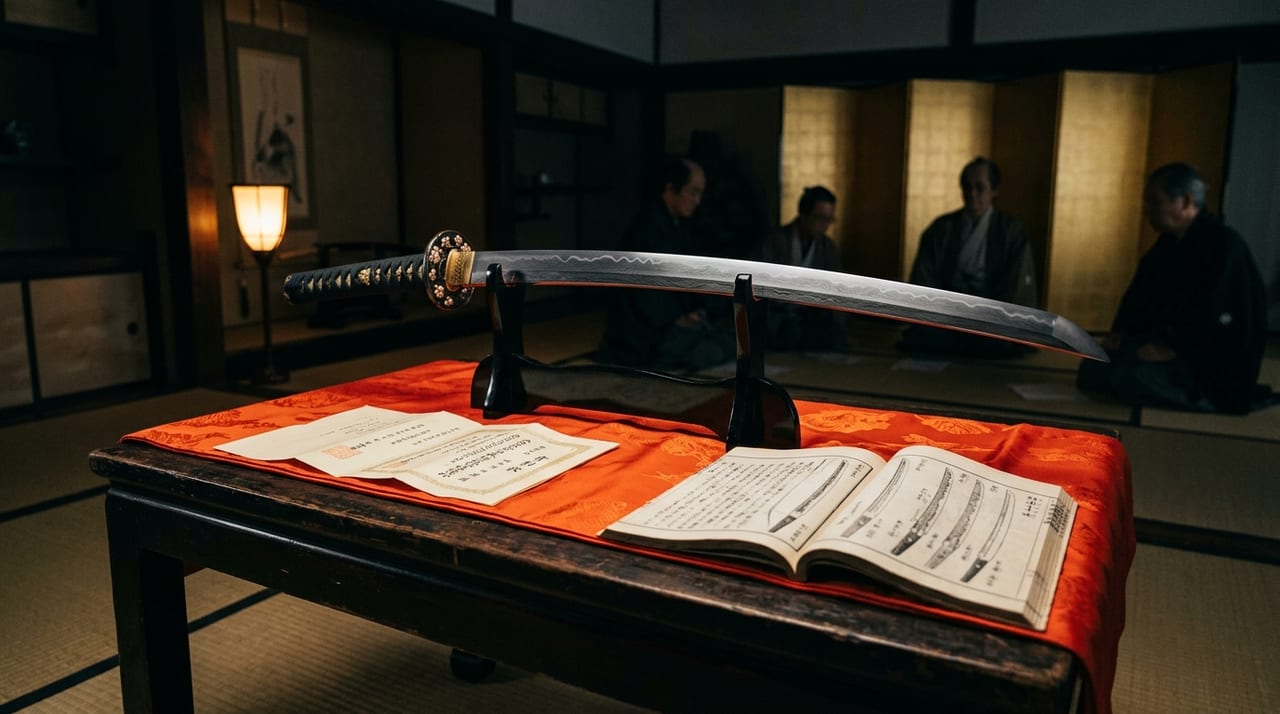
Kotō, Shintō, and Shinshintō — The Evolution of the Nihontō Through the Ages
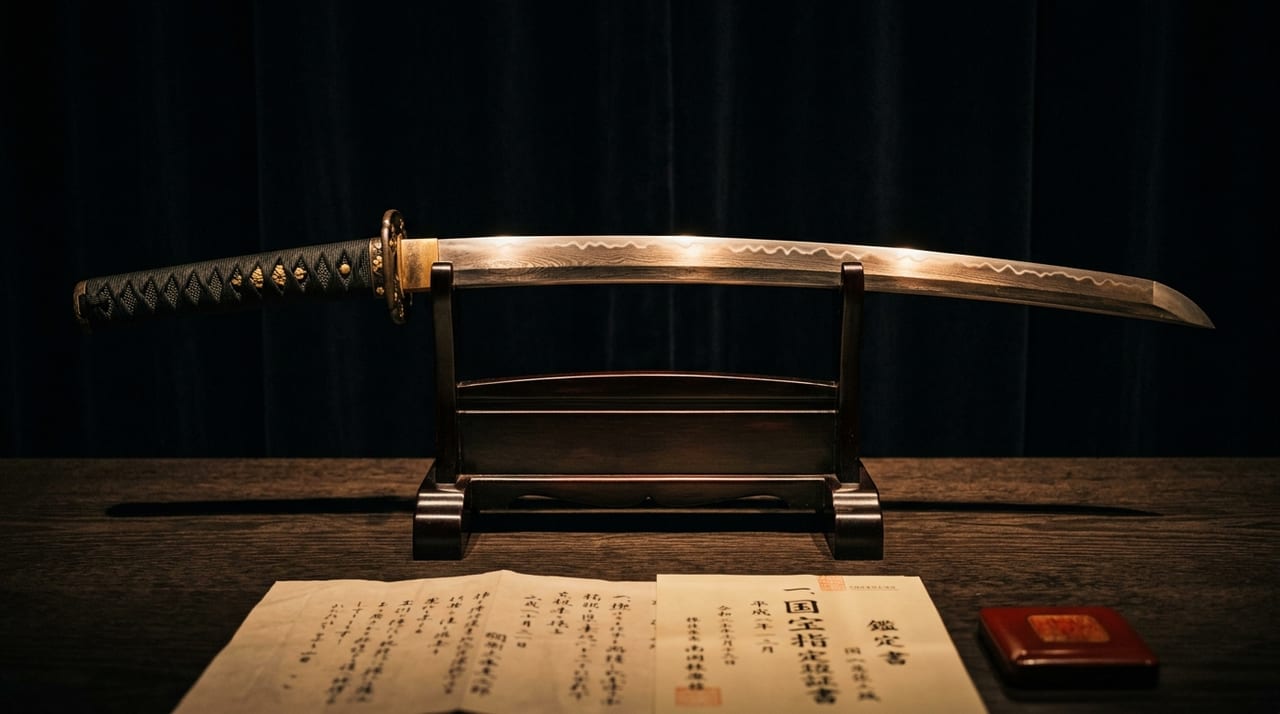 * Image is for illustrative purposes only.
Table of Contents
The Historical Periods of the Nihontō and Their Significance
The nihontō is divided into three major categories according to the period in which it was made: kotō, shintō, and shinshintō. These categories are not mere chronological labels; they reflect differences in the social conditions, sources of iron ore, forging techniques, and aesthetic sensibilities embedded in the blades of each era. Grasping this periodization is essential to a deep understanding of the nihontō.
The approximate boundaries of each period are as follows.
| Period | Dates |
|---|---|
| kotō | From the late Heian period to around the Keichō era (c. 1596) |
| shintō | From Keichō onward to around the An'ei era (c. 1772) |
| shinshintō | From around An'ei to around the time of the Sword Abolishment Edict (Haitōrei) of 1876 in the early Meiji period |
Scholars hold various views on where exactly the boundaries lie, but in practice it is more important to understand the characteristic forms and techniques of each era than to arrive at a strict definition.
Kotō — The Fusion of Combat and Beauty
The kotō era was a period in which the nihontō developed with battlefield practicality as the paramount concern. The celebrated blades of the Kamakura period, established from the late Heian era through the Kamakura era, are still regarded in 2026 as the pinnacle of the nihontō.
The blades of this era have several distinctive features. The sori of the blade was pronounced, with koshi-zori being the standard form. This shape made it easy for mounted warriors to draw the sword from horseback, and the functional beauty of the battlefield is expressed directly in the form. The jigane was forged from tamahagane made from old iron sand no longer found today, giving it a distinctive jikei and texture. In particular, the following five traditions formed the mainstream of kotō.
- Yamato
- Yamashiro
- Bizen
- Sōshū
- Mino
Bizen Province (present-day Okayama Prefecture) was renowned as a major center of kotō production, and the tōkō of the Osafune school created many celebrated blades. Masamune, who was active in Sōshū (present-day Kanagawa Prefecture) in the mid-Kamakura period, stands at the apex of Sōshū-den for unifying jigane and hamon, and exerted an enormous influence on tōkō of later generations.
In the Nanbokuchō period (14th century), large-format ōdachi and nodachi appeared, and imposing length and grandeur became hallmarks of the era. From the late Muromachi period through the Sengoku era, however, the shorter uchigatana, which prioritized maneuverability on the battlefield, became mainstream, and the fundamental form of the sword that would prevail thereafter was established.
Shintō — The Formal Beauty Born of an Age of Peace
Around the Keichō era, with Toyotomi Hideyoshi's Sword Hunt edict (Katanagari) and the advent of the age of peace under the Tokugawa shogunate, the sword came to bear a strong character not only as a practical weapon but as a spiritual symbol of the warrior class and, further, as a work of decorative art. This is the essence of the shintō era.
The blades of the shintō era show clear changes compared to kotō. The sori became shallower, and a silhouette known as sunnobi — in which the difference between motohaba and sakihaba is small — became fashionable. The hamon grew showier and more varied, with flamboyant patterns of large, tumbling gunome and chōji becoming increasingly common. This was the result of an emphasis on the value of the sword as an ornament to be worn and displayed at the waist by the warrior class.
Representative tōkō of the shintō period include Echizen Yasutsugu of Kyoto and Nagasone Okisato (Kotetsu) of Edo. Kotetsu was active in Musashi Province (present-day Tokyo), and his razor-sharp blades were prized by many warriors as "a blade by Kotetsu." Osaka Shintō is best exemplified by Tsuda Echizen no Kami Sukehiro, who devised a distinctive hamon known as tōramba — reminiscent of swirling waves — and embodied the aesthetic sensibilities of a brilliant age.
Shinshintō — The Crossroads of Revival and Innovation
In the latter half of the 18th century, a tōkō named Suishinshi Masahide advocated a revivalist movement grounded in the study of kotō, opening the shinshintō era. This movement, which called for a "return to the techniques of the kotō," spread in resonance with the flourishing of kokugaku and the ideology of imperial reverence.
The tōkō of the shinshintō era studied the ancient jigane forging methods and consciously sought to revive old techniques such as Bizen-den, Sōshū-den, and Yamato-den. As a result, the texture of the jigane increasingly came to evoke the atmosphere of kotō more than that of the shintō period, and archaic forms of hamon such as suguha were reassessed.
Representative tōkō of this era include Taikei Naotane, a student of Suishinshi Masahide, and Minamoto Kiyomaro, who was active during the Bakumatsu period. Minamoto Kiyomaro was a genius tōkō from Shinshū who, while inheriting the spirit of kotō, established a distinctive style in the manner of Sōshū-den. His blades are still held in very high regard in 2026 and are prized by enthusiasts as masterworks born of the turbulent Bakumatsu era. The full picture of this revivalist movement begun by Suishinshi Masahide is presented in detail in The Shinshintō Era.
During the Bakumatsu period, moreover, demand for swords surged amid the upheaval between the pro-imperial and pro-shogunate factions, and while many tōkō were forced to produce crude work, a considerable number of outstanding tōkō who honed their craft in earnest also emerged. Works from this era vary widely in quality, and the importance of a discerning eye is said to be especially high.
The Appraiser's Eye Revealed Through Periodization
Understanding the distinguishing features of kotō, shintō, and shinshintō forms the foundation of sword appraisal. By observing the following four points, one can arrive at a rough determination of period.
- sugata
- jigane
- hamon
- nakago
Kotō frequently show a distinctive midareutsuri or bōutsuri in the jigane, and the changes in the iron over the years create a unique flavor. The color of the rust on the nakago (the part that fits inside the tsuka) is also an important indicator of age, and the black rust on kotō is evidence of centuries of accumulated time.
Shintō blades often have neat nakago finishing and hamon with clear, visually striking lines, though they are said to lack the depth of kotō. Since shinshintō has a scholarly and revivalist tendency, its styles are diverse and difficult to characterize in a single statement, but meticulous forging and a rich variety in the hamon are frequently seen.
Contemporary Sword Culture and the Significance of Periodization
In 2026, the nihontō is protected and appreciated as art and as cultural heritage. Under the Agency for Cultural Affairs' registration system, properly managed swords may be legally owned and traded, and many outstanding kotō have been designated as kokuhō (National Treasure) or jūyō bunkazai (Important Cultural Property).
For collectors and enthusiasts, the categories of kotō, shintō, and shinshintō serve as important criteria when purchasing and evaluating blades. Outstanding kotō are generally scarce and expensive, but among shinshintō there are also celebrated blades in relatively accessible price ranges, which are said to make an appropriate first step into the world of swords.
The nihontō, handed down across the centuries, embodies the spirit and craft of the people of each era. By knowing the three periods — the rugged martial beauty of kotō, the splendid formal beauty of shintō, the revivalist aspiration of shinshintō — one can see the historical context in which a single blade is situated. This, one might say, is one of the great pleasures of appreciating the nihontō.