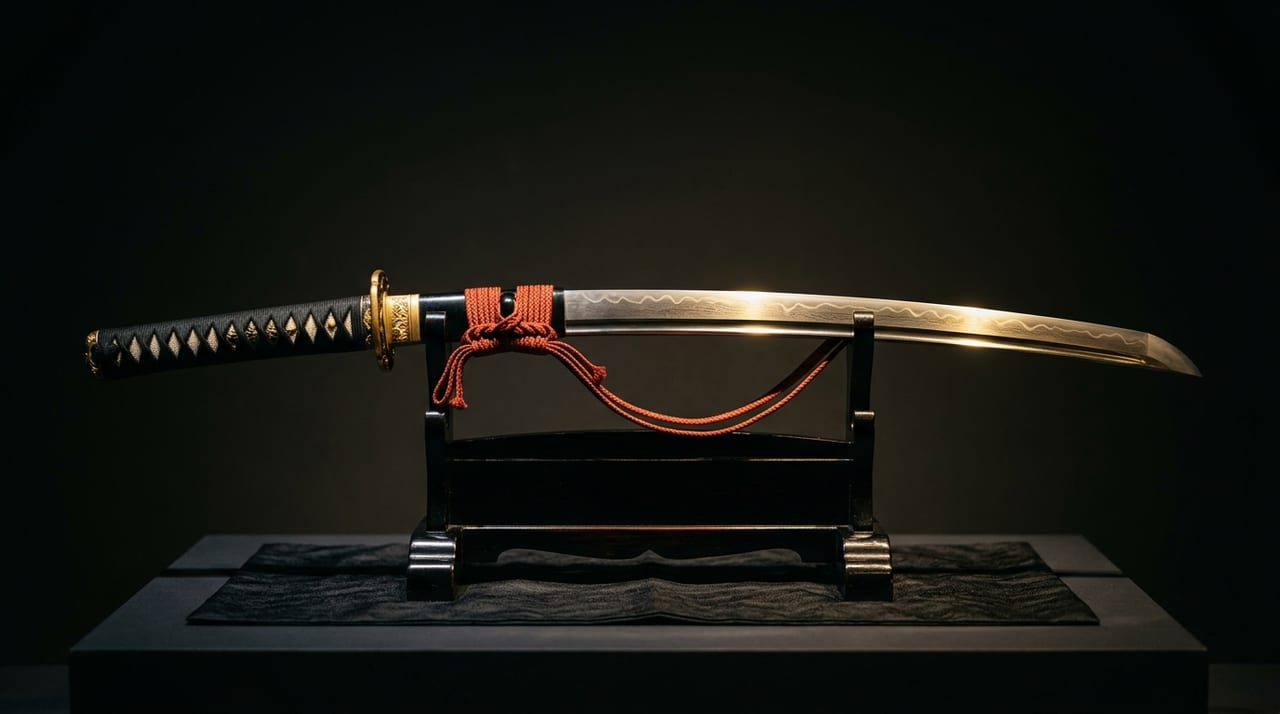
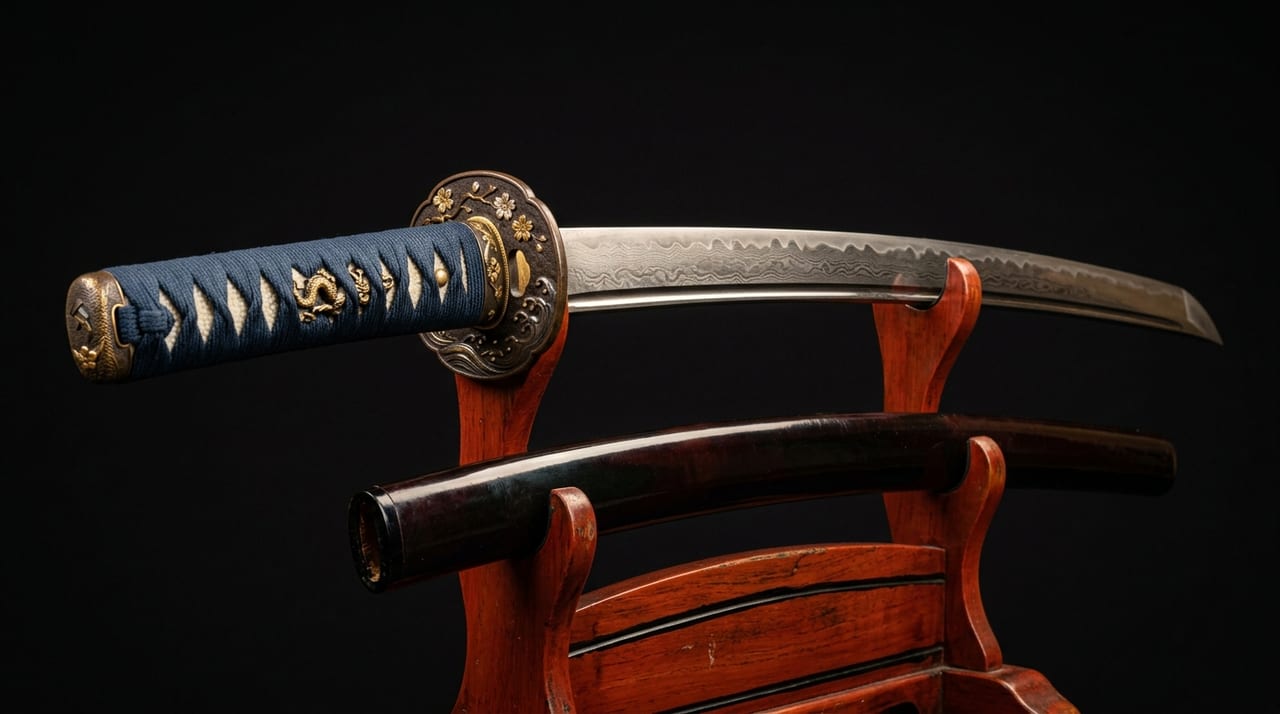
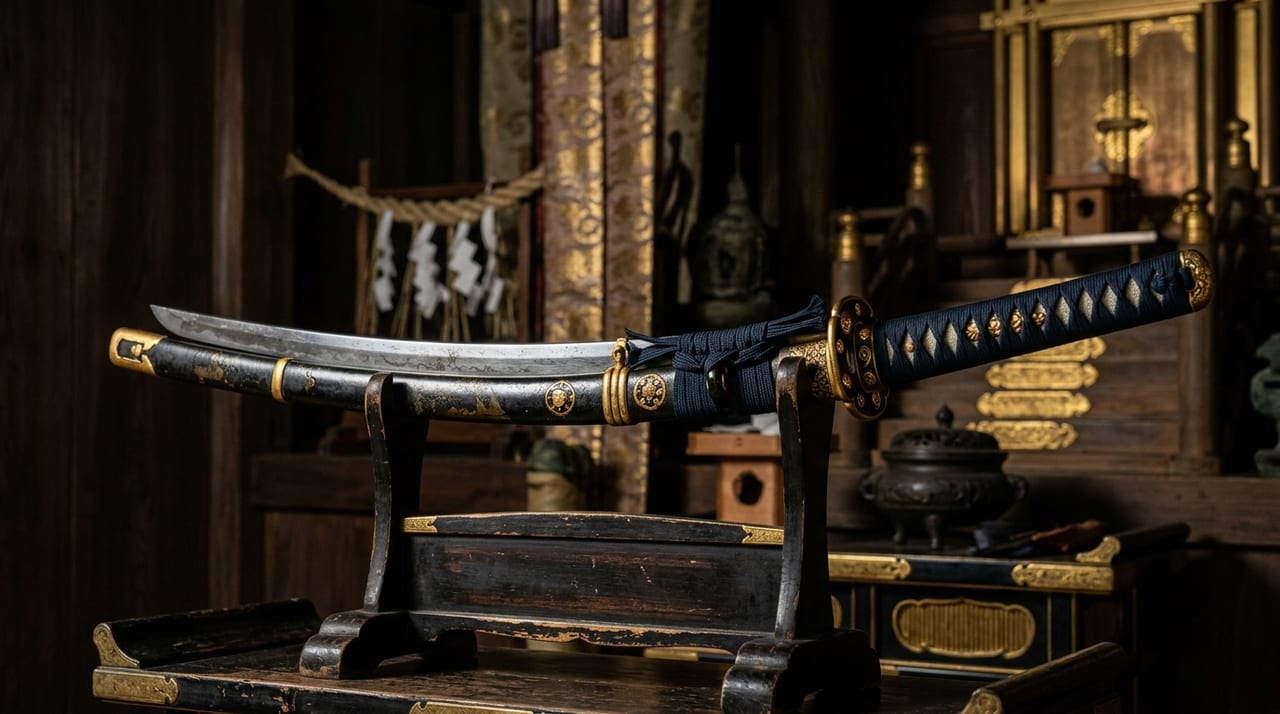
Sword Culture of the Kansei Era (1789–1801): Aftermath of the Tenmei Unrest and the Dawn of Shinshin-to
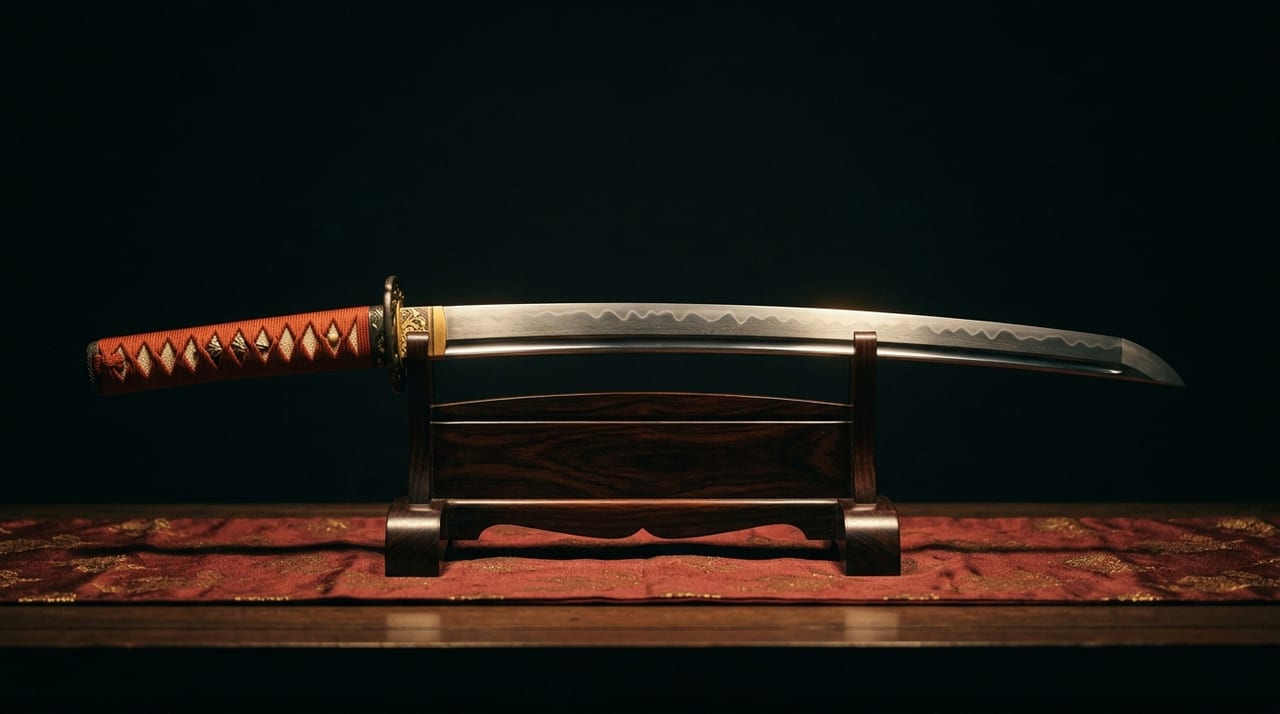 * Image is for illustrative purposes only.
Table of Contents
Kansei Period Social Background—From Tenmei to Kansei
The Tenmei period (1781–1789) was an era when the bakuhan system was shaken by the Great Tenmei Famine (1782–1788) and widespread uprisings across various regions. The severity of the famine spread primarily throughout northeastern Japan, leaving many rural villages exhausted.
To quell this turmoil, Matsudaira Sadanobu (daimyo of Shirakawa Han) assumed the position of rōjū and implemented the Kansei Reforms in 1787. A series of policies prioritizing social stability were implemented, including sumptuary edicts, rural revival measures, and relief programs for hatamoto and gokenin.
Notably, the sumptuary edicts of the Kansei period extended to restrictions on overly decorated sword mountings (koshirae). From the middle to late Edo period, the mountings of samurai swords had developed with increasingly lavish metalwork decorations on tsuba, kozuka, kōgai, and menuki in a competition for splendor. However, the austerity standards of the Kansei Reforms imposed some restraint on this decorative culture.
Suishinshi Masahide and "Return to Old Swords Theory"—The Ideological Starting Point of the Shin-shin-tō Movement
The most important event in sword culture during the Kansei period was the emergence of sword theory authored by swordsmith Suishinshi Masahide (1750–1825). During the period from Tenmei to Kansei, Masahide criticized the tendency of late Edo new-sword (shintō) blades to become hollowed out and over-aestheticized, and advocated returning to the techniques of old swords (kotō). His works such as "The Practical Theory of Swords" are regarded as the starting point of the intellectual movement later called the "Shin-shin-tō (New-New Swords) Movement."
The specific "decline" of late Edo new swords that Suishinshi Masahide identified included the following:
- Formalization of hamon: After entering the Edo period, the hamon patterns of specific sword masters became standardized as "types," and the tendency to regard faithful reproduction of these as proof of technical skill strengthened. Masahide criticized this as "formal imitation of hamon."
- Loss of practical utility: With nearly two centuries of peace, swords transformed from "weapons that could actually be used" into "ornaments displaying a samurai's social status," with aesthetic appearance being prioritized over sharpness or durability.
- Decline in steel quality: Shortcuts in the refinement of tamahagane and folding and hammering were becoming common, and it was noted that the qualities of jihada (surface patterns and reflections) had become inferior compared to old swords.
Sword Crafting Activities in the Kansei Period—Important Figures Other Than Masahide
Among swordsmiths active in the same era as Suishinshi Masahide, several figures helped shape sword culture around the Kansei period.
- Hosokawa Masayoshi: Born in Satsuma, known for his unique style combining nanban-tetsu (southern barbarian iron) and Yamato-den techniques. As a swordsmith preserving old transmission techniques in Kyushu, he was active around the Kansei period.
- Oku Motohira: An Ōsaka swordsmith and one of the transmitters of techniques connected to the lineage of Horikawa Kunihiro. He contributed to the preservation of sword culture in Ōsaka during the late Edo period.
The intellectual network formed by Suishinshi Masahide and his disciples and fellow swordsmiths became the foundation for the shin-shin-tō boom that flourished in the Bunka-Bunsei era (1804–1829) of the early 19th century.
The Development of Sword Authentication Culture—The Honami Family and Authentication Certificates
The Kansei period was simultaneously an era when the culture of sword authentication and appreciation deepened.
In Edo-period sword authentication, the Honami family served as the central authority, recognized by the shogunate as the official authentication organization. The Honami family had been a lineage of sword polishers and authenticators since the Muromachi period, and their "origami" (authentication certificates) served as proof of a sword's value.
During the Kansei period, the Honami family's authentication certificates gained systemic importance in sword transactions, and the connection between authenticator authority and market prices became increasingly clear. At the same time, criticism regarding the credibility of these certificates—voices that the Honami family's authentication was too conservative and formulaic—began to emerge around the Kansei period. Suishinshi Masahide's "Return to Old Swords Theory" was also connected with this critical perspective on authentication culture.
Changes in the Relationship Between Samurai Society and Swords—Samurai Consciousness in the Kansei Period
Matsudaira Sadanobu's Kansei Reforms promoted "encouragement of both literary and martial arts" and required hatamoto and gokenin to pursue both martial training and scholarship.
Within this context of "encouraging both literary and martial arts," swords began to be re-evaluated as symbols of "martial training as the true duty of a samurai." Within parts of samurai society, discussions questioning the now-hollow attitude of samurai toward swords in an era of peace were taking place.
This reconsideration of samurai self-consciousness shared ideological resonance with Suishinshi Masahide's assertion that "swords should be made to be practical." The question of "returning swords to practicality" extended beyond mere technical theory among swordsmiths and connected to broader questions of self-identity within samurai society as a whole.
Conclusion—Historical Significance of Kansei-Period Sword Culture
The Kansei period (1789–1801) might appear at first glance to be an "inconspicuous era" in sword history. However, the intellectual and cultural currents formed during this period became an important junction point in a historical chain connecting to the later shin-shin-tō boom of the Bunka-Bunsei era and ultimately to the views on swords held by the loyalist samurai of the late Edo period.
The fact that the question "What is a sword?" was re-examined from the perspectives of swordsmiths, samurai, and authenticators in a society recovering from the Tenmei chaos demonstrates how effectively Japanese sword culture could renew itself.