Tōza 2026: How the Largest Japanese Sword Exhibition and Sale Fair in Western Japan Creates a Nexus of Trade, Collectors, and Business
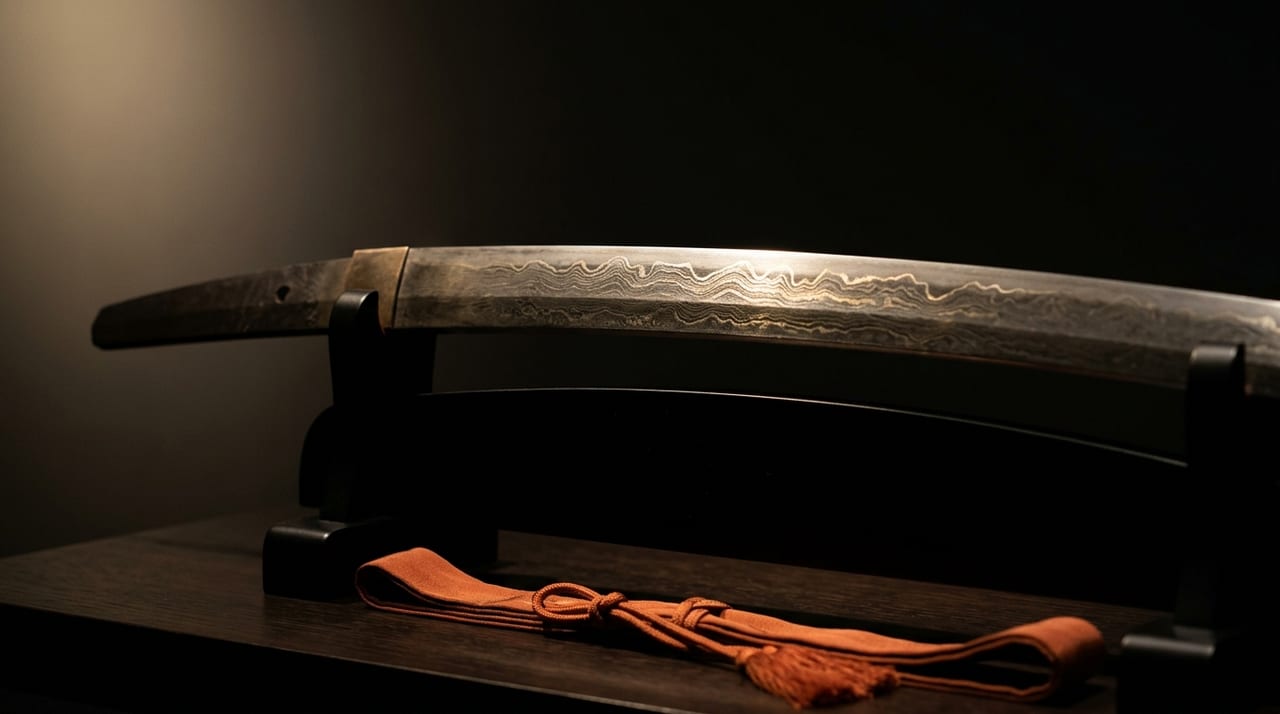 * Image is for illustrative purposes only.
Table of Contents
Tōza 2026 and the Japanese Sword Market of Western Japan
"Tōza 2026" will be held on Saturday, March 28 and Sunday, March 29, 2026, at the Shiromi Hall within Osaka Castle Hall. Billed as the largest Japanese sword exhibition and sale fair in western Japan, it is expected to draw participation from approximately 45 sword dealers from across the country. Even as sword distribution expands online, the event continues to occupy an important place as a venue for in-person sales, appreciation, and networking.
Because collectors, researchers, and dealers all gather there, it is also an event where one can feel the pulse of industry trends firsthand. For collectors in western Japan in particular, it is a rare opportunity to compare many swords and tōsōgu side by side, making it a hub for both purchasing and gathering information.
The Complementary Relationship with Online Sales
As online marketplaces such as TOUKENZA expand, the role of in-person events like Tōza is also shifting. Online platforms center on providing information through photographs, videos, and written descriptions. At in-person events, by contrast, one can actually hold a sword, view it against the light, and receive a direct explanation from the seller.
The advantages of online sales are 24-hour access, freedom from geographic constraints, and ease of price comparison. At in-person events, on the other hand, one can experience the texture, weight, and sori of a sword firsthand, while also building a relationship of trust through direct conversation with the seller. The two are not in competition; rather, each compensates for the other's weaknesses. Large-scale fairs like Tōza function as the meeting point between them.
Building Industry Networks and Organizing Distribution Channels
Tōza brings together sword dealers, exhibitors handling tōsōgu and armor, craftsmen, and collectors. Such occasions for face-to-face meetings encourage the development of new business relationships and the exchange of information within the industry, and can also serve as a catalyst for organizing distribution channels.
For small-scale businesses and regional operators, it can also be an opportunity to connect with urban distribution networks and new customer segments. The ability to build trust by showing the actual item is a strength of in-person events that online platforms cannot replicate. Tōza also holds significance as a venue that bridges traditional commercial practices with new forms of buying and selling.
Characteristics of the Spring 2026 Japanese Sword Market
Tōza 2026 is held in the spring season, which coincides with the start of the new year in Japan. This period sees an increase in people resuming their collecting activities for the new year, and spring exhibitions at art museums and museums tend to draw more people to develop an interest in swords.
It is natural that people who have encountered swords at an exhibition would then visit a place where they can see and purchase them in person. In that sense, the sale fair serves as a supply-side channel that converts heightened interest into purchasing. Furthermore, a pattern of moving back and forth between in-person and online — such as looking up works or shops discovered at the event afterward online — is becoming established.
Detailed Information on Tōza 2026
According to official information, the outline of Tōza 2026 (Osaka Haru no Jin Tōza 2026) is as follows.
- Dates and times: Saturday, March 28, 2026, 10:00–17:00; Sunday, March 29, 2026, 10:00–17:00
- Venue: Shiromi Hall, Osaka Castle Hall (3-1 Osakajō, Chuo-ku, Osaka)
- Access: Approximately 5 minutes on foot from Osakajokoen Station on the JR Osaka Loop Line; approximately 5 minutes on foot from Osaka Business Park Station on the Osaka Metro Nagahori Tsurumi-ryokuchi Line
- Admission: 1,000 yen at the door; 900 yen in advance (Lawson Ticket L-code 55755)
- Number of exhibitors: Approximately 45 sword dealers from across the country
The venue will host exhibition sales of swords, tōsōgu, and armor, as well as demonstrations by togishi (polishers) and tsukamakishi (hilt wrappers). In addition, visitors who bring swords with a registration certificate (Jūtōhō registration certificate) to the venue may have them appraised and purchased by exhibiting dealers.
The Significance of Craftsman Demonstrations
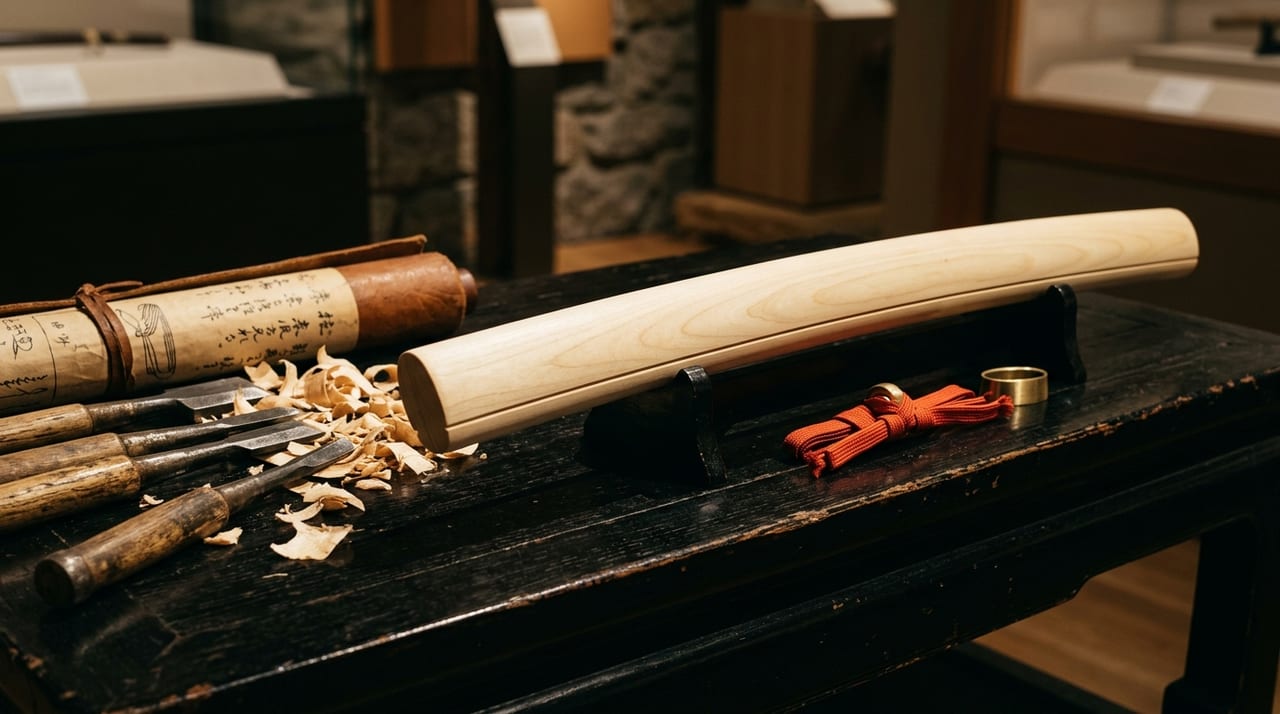
The demonstrations by togishi and tsukamakishi are also important from the perspective of preserving technical skills within the sword industry. A togishi is a specialist who uses whetstones to perform togi on the blade and draw out the beauty of the jigane and hamon. Using a succession of whetstones from "shitaji togi" (rough polishing) through to "shiage togi" (finish polishing), they restore the sword's inherent brilliance. A tsukamakishi (also called tsukashi) is a specialist who applies samekawa (ray skin) to the wooden core of the tsuka and then winds braided cord over it in a set pattern.
Opportunities to see such craftsmen's skills in person are rare. Large-scale events like Tōza also function as venues that connect craftsmen with consumers and collectors.
The Role of Sword Purchasing and Registration Certificates
The appraisal and purchasing of swords with registration certificates at the venue is a valuable outlet for those considering organizing a collection or dealing with inherited items. In Japan, under the Act for Controlling the Possession of Firearms or Swords and Other Such Weapons (Jūtōhō), a registration certificate issued by the prefectural Board of Education is required to possess a nihontō. Swords with a registration certificate may be legally bought and sold, but possession of a sword without one is in principle not permitted.
The appraisal desk at specialized events like Tōza also serves as a venue where members of the general public who are unfamiliar with this legal framework can deal appropriately with inherited nihontō. Online platforms like TOUKENZA also operate within the same legal framework, in that consistency with the presence or absence of a registration certificate is a prerequisite for listing.
Conclusion
Tōza 2026 is an example demonstrating that venues for in-person sales and industry networking remain important in a sword industry that is increasingly moving online. The structure in which online platforms like TOUKENZA and in-person events like Tōza coexist and complement each other is a symbol of the maturity of the modern sword market.