Kyoto National Museum's Special Sword Exhibition, Spring 2026 — Collection Culture and Appreciation Education as Seen Through "Katana That Bind Us"
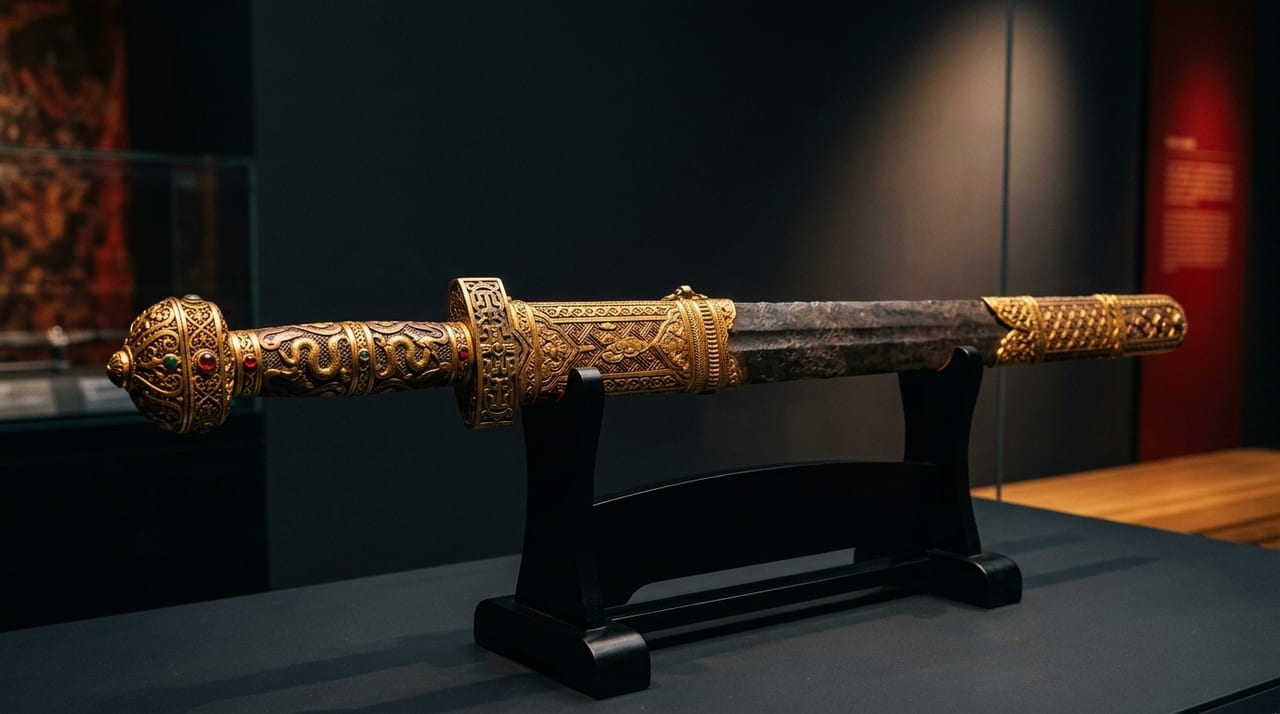 * Image is for illustrative purposes only.
Table of Contents
The Kyoto National Museum's Spring Special Exhibition
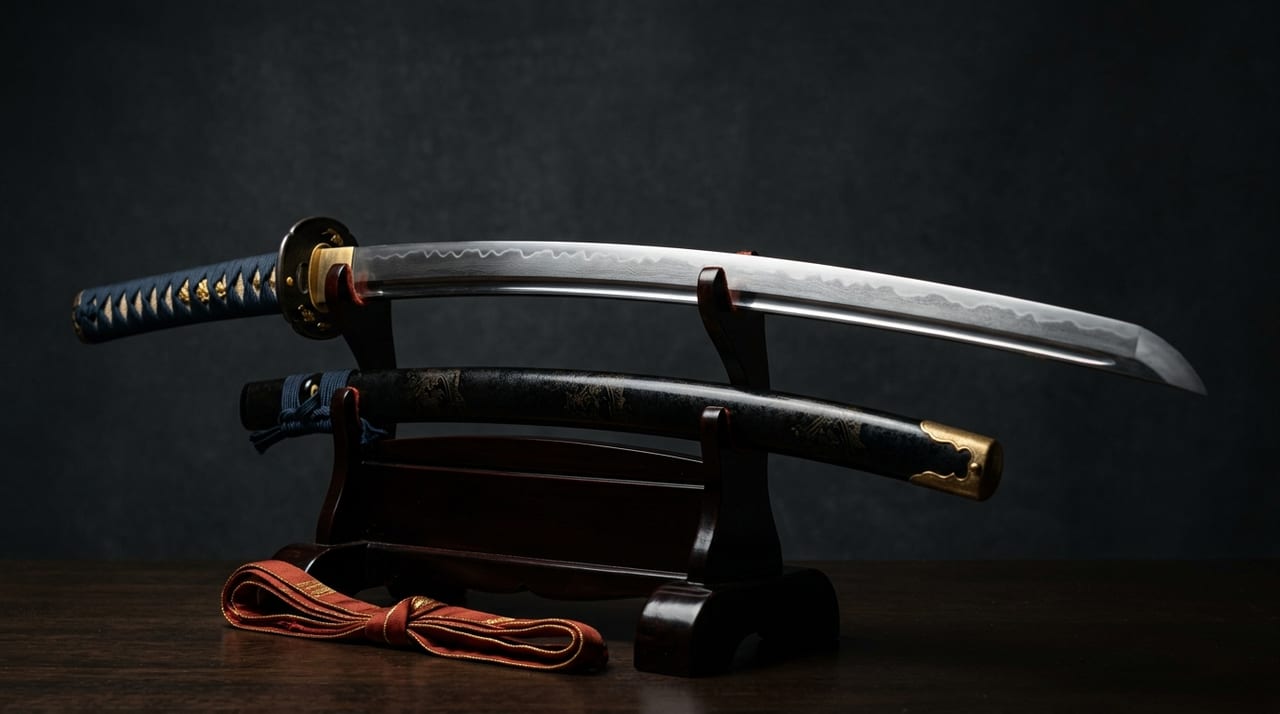
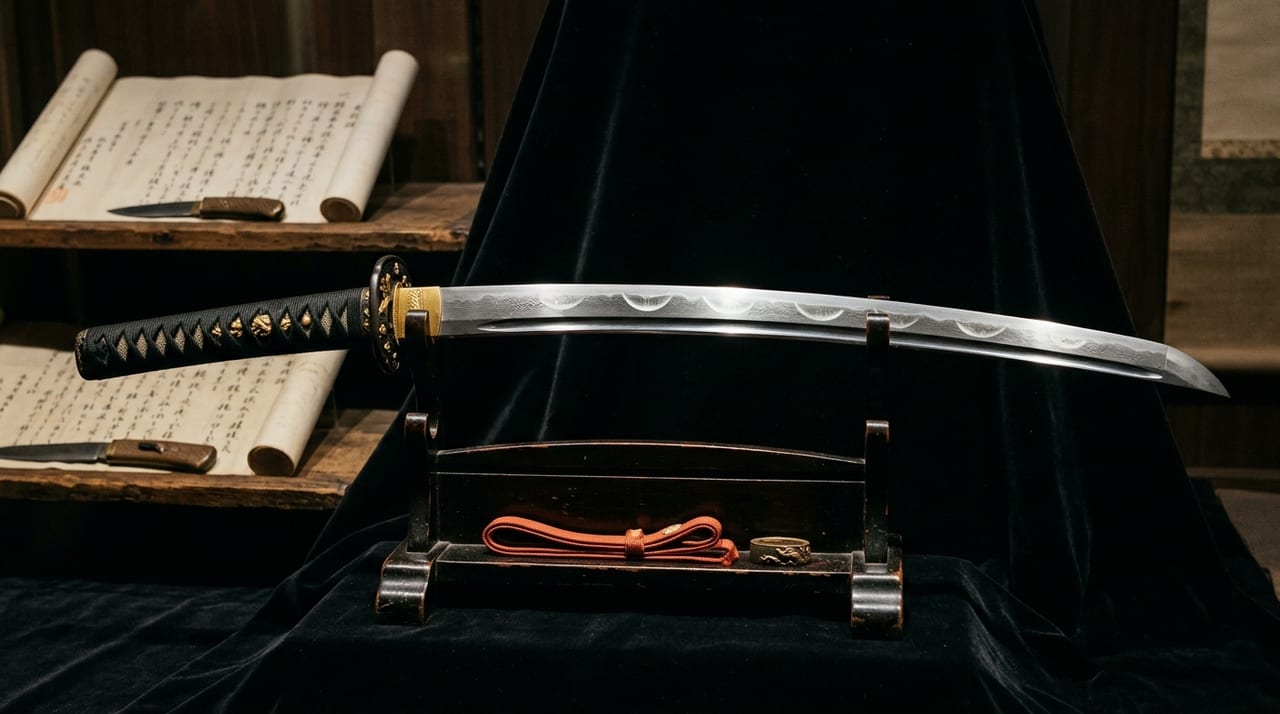
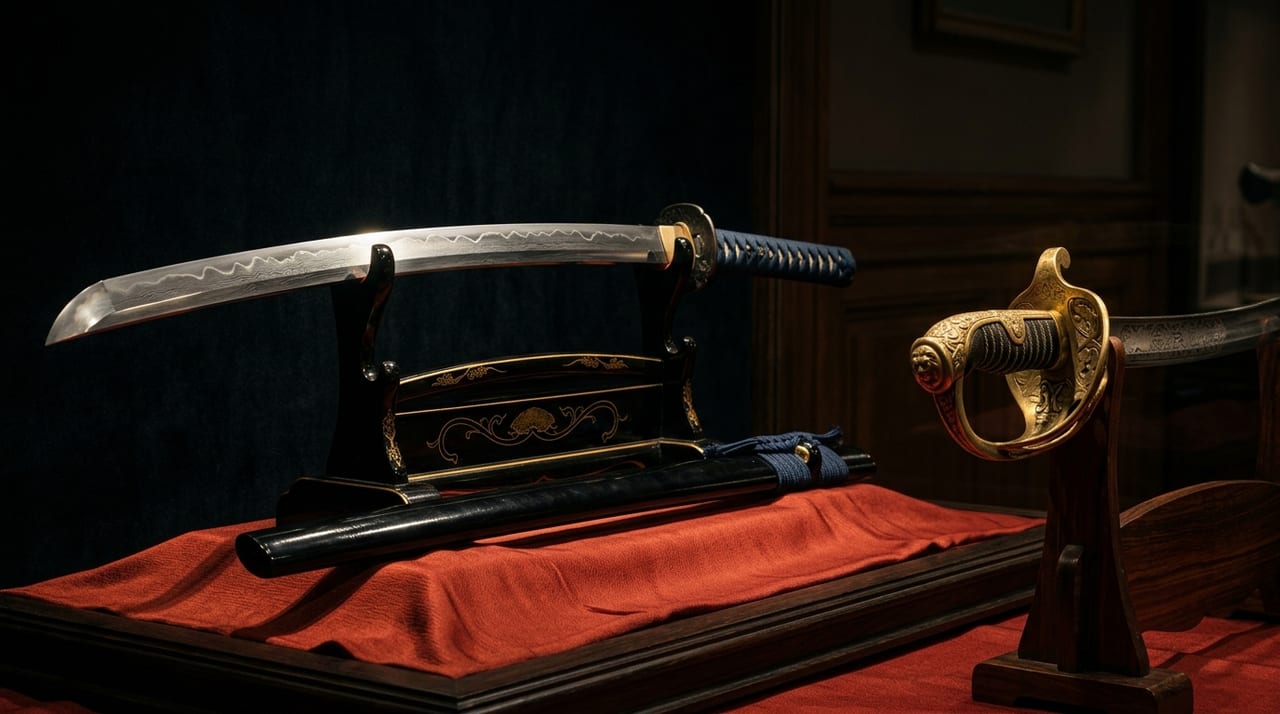
From Wednesday, February 4 to Sunday, March 22, 2026, the Kyoto National Museum is scheduled to hold the special exhibition "Enishi wo Musubu Katana — Learning Sword Appreciation Through Kokuhō and Jūyō Bunkazai." This thematic framing suggests an educational approach to understanding swords not merely as art objects, but through their historical context, human relationships, and the transmission of aesthetic sensibility.
When visiting a special exhibition, it is advisable to confirm the museum's official announcements in advance, as opening dates, hours, closed days, and viewing arrangements may differ from one exhibition to the next. Mid-run rotations and temporary closures can also occur, so checking for the latest information before visiting is one practical point that can make or break the viewing experience.
The Learning Structure Provided by Kokuhō and Jūyō Bunkazai
The exhibition has announced that swords designated as kokuhō and jūyō bunkazai will form its core. Designated swords are works that have received the highest evaluation in the history of Japanese art, and learning about the reasons for their designation and the background of the period in which they were made is directly connected to a broader understanding of sword culture.
In general, works deemed to hold particularly high cultural value among jūyō bunkazai are elevated to the status of kokuhō. The opportunity to view both side by side also functions as a setting in which visitors can experientially learn the weight of the distinction itself.
The selection of swords for a museum exhibition signals a priority — "what is worth seeing" — to the viewer. By limiting the selection to kokuhō and jūyō bunkazai, the exhibition presents a shared "standard of appreciation" to a wide audience ranging from beginners to enthusiasts. In other words, the process of learning why these works are highly valued and what aspects deserve attention becomes the essence of museum education.
Historical Background of the Theme "Katana That Bind Us"
The theme of "enishi" (bonds, fate) suggests that swords were not merely weapons but served as a medium connecting historical figures, power, and aesthetic sensibility. For example, swords held by characters in The Tale of Genji, famous blades presented by emperors to their retainers, and masterworks by tōkō owned by Sengoku warlords — swords are inseparably bound to episodes of history.
Kyoto, as an ancient capital, is a region that retains a great deal of historical context for swords. In particular, many swords once held by the imperial family, court nobles, and temples remain in Kyoto, and the Kyoto National Museum, as the institution responsible for preserving, researching, and making such cultural heritage publicly accessible, has accumulated long years of knowledge.
Sword Appreciation Education and Outreach to General Audiences
The subtitle "Learning Sword Appreciation" indicates a museum education policy of maintaining scholarly depth while offering plain explanations accessible to the general public. Sword appreciation tends to require specialized knowledge — ancient sword traditions, the characteristics of the yakiba, the structure of the jigane, and so forth. However, art and history museums are expected to provide a rewarding viewing experience even for visitors who lack such knowledge.
The following points have long been cited as the basic perspectives for sword appreciation.
- Sugata (form): the overall proportions, including sori, mihaba, and the shape of the kissaki
- Jigane (steel of the blade surface): the texture of the surface born from the forging process
- Hamon (temper line): the pattern drawn by the yakiba
- Horimono (carving): carvings applied to the nakago and the blade
- Mei (signature): inscriptions on the nakago recording the maker, date, and other information
Being aware of these perspectives also serves as practical guidance for first-time visitors to a special exhibition, giving them a concrete approach to comparing one sword with the next.
Thematic, period-based, and tōkō-based classifications; handwritten explanatory panels; and video materials explaining production techniques — the supplementary viewing tools provided by museums are often a beginner's first step into the world of swords. The spring 2026 exhibition can be positioned as a program designed to enhance precisely these educational functions.
Concurrent Sword Exhibitions Held Nationwide
Between February and March 2026, sword-related exhibitions are scheduled at art museums and history museums across Japan in addition to the Kyoto National Museum. For example, a spring special exhibition at the Nagoya Japanese Sword Museum and a long-term exhibition at the Hikari Museum are among those planned. The temporal overlap of these exhibitions increases opportunities for sword enthusiasts to travel to distant venues, generating a demand-stimulation effect for the industry as a whole.
For those planning to visit multiple venues, it is worth noting that each museum sets its own opening dates, closed days, and viewing arrangements independently. Building a schedule around the information of one venue and finding it conflicts with another museum's closed day is a real risk, so checking the official information of each venue separately is practically important.
The Interaction Between Museum Exhibitions and Online Marketplaces
Online platforms such as TOUKENZA also have opportunities to develop their business with an eye toward the interplay between real-world events like sword fairs and museum exhibitions. For example, enriching content that introduces online listings of similar or related works in the same period or style as swords exhibited at a museum has the potential to heighten visitors' interest in making a purchase.
Understanding the gap in timing between periods of heightened general interest in swords (when museum exhibitions are held) and purchasing activity (use of online marketplaces) makes it possible to stimulate demand more effectively.
Using Knowledge of Kanteisho and Provenance to Inform Purchase Decisions
The experience of viewing kokuhō and jūyō bunkazai at a museum also cultivates the judgment needed when actually purchasing a sword. However, the evaluative standing of designated works on display differs from that of works circulating in the market. When seeking authentic pieces in the market, the basic practical knowledge is to choose works for which the period, province, and tōkō have been assessed and can be confirmed through a kanteisho issued by an official appraisal organization.
A kanteisho is a document showing under what evaluative criteria a sword was judged to be authentic; combined with the knowledge of "what to look for" gained at a museum, it becomes easier for the viewer to confirm with their own eyes the characteristics of a work's sugata, jigane, and hamon. Works with a clear provenance — showing who has owned them and how — can be appreciated and owned together with their historical background, which also resonates with the theme presented in "Katana That Bind Us."
Conclusion
The Kyoto National Museum's spring 2026 special exhibition "Katana That Bind Us" is an educational program designed to help visitors understand swords not as mere art objects but as a medium connecting history, culture, and human relationships. Providing a high-level appreciation opportunity through kokuhō and jūyō bunkazai, and enriching learning opportunities through thematic commentary, are important activities supporting the social foundation of sword culture. And it is through the interplay between this kind of cultural education and actual purchasing activity on online marketplaces that the ecosystem of today's sword industry is constituted.