Gifting a Nihontō — Japanese Swords as a Special Present
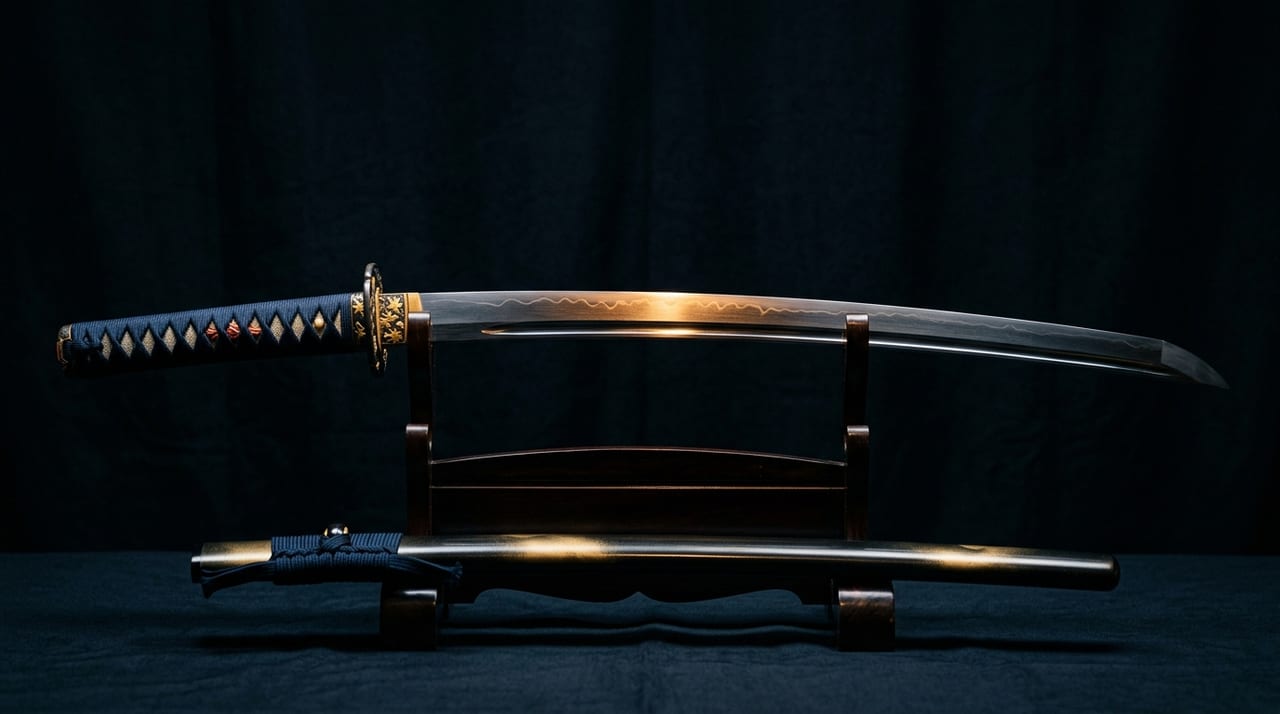 * Image is for illustrative purposes only.
Table of Contents
The History of the Culture of Gifting Nihontō
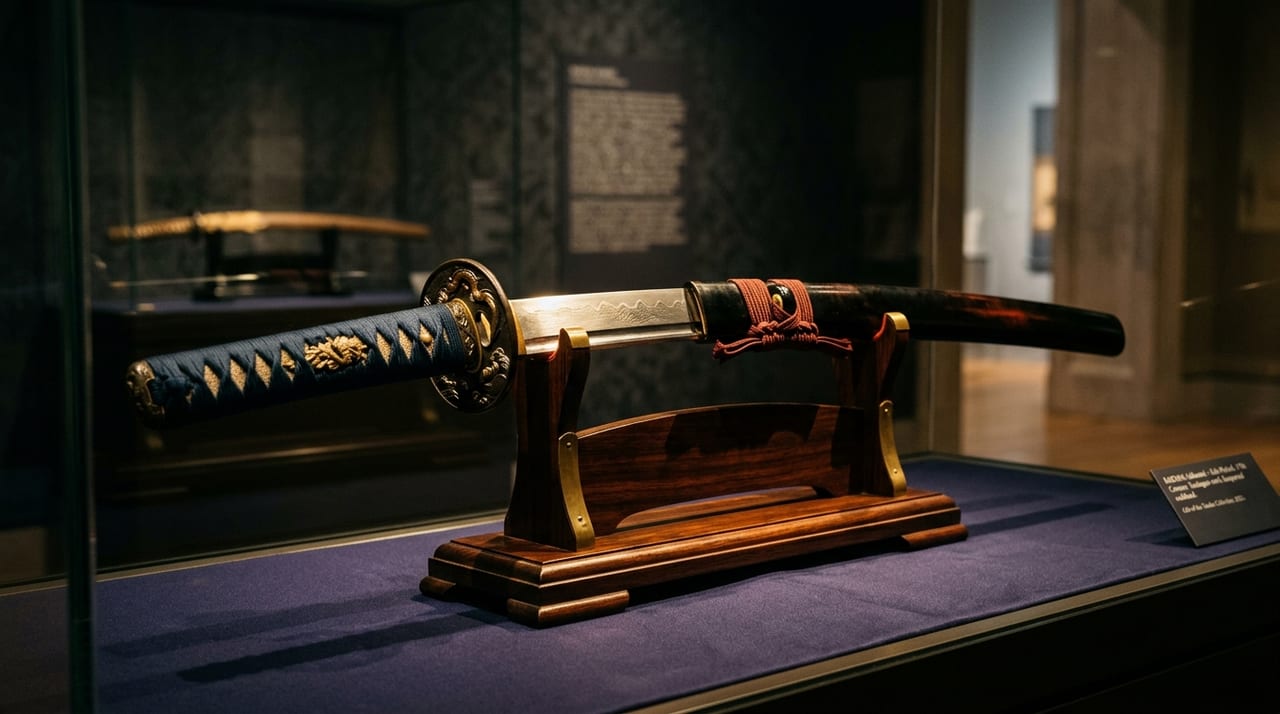
Japan has from ancient times harbored a rich culture of presenting swords as gifts. In samurai society, a sword was not merely a weapon but a symbol of power, integrity, and dignity. A lord bestowing a sword upon a retainer in recognition of meritorious service represented the highest honor, and at weddings swords were sometimes brought as part of a bride's trousseau. Swords dedicated to shrines, swords given to temples as protection against evil, swords exchanged between warlords as proof of an alliance — the culture of gifting swords took root in every scene of Japanese history. This tradition lives on today, and the act of presenting a nihontō at a turning point in life continues to be passed down as one of the most refined forms of gift-giving. There are proper manners for the giving and receiving of swords, and the very act of showing respect to the recipient through these forms has long been held in high regard. As something that reflects the culture and thoughtfulness of the giver, the exchange of swords as gifts continues to carry special meaning.
Occasions Where Gifting a Nihontō Shines Today
The honor of receiving a decoration or court rank, a farewell gift for someone leaving after many years of service, the founding of a company or the celebration of a major milestone — nihontō are still presented on special occasions today. Retirement gifts are particularly common, and a single blade chosen with the sentiment "a sword that mirrors this person's life" leaves a deep impression on the recipient. Presentations to celebrate significant personal achievements — starting a business, obtaining a qualification, accomplishing a remarkable feat — are also on the rise. Because a nihontō retains its value across time and its cultural and economic worth tends to grow with the years, it is an ideal keepsake and the finest possible commemorative gift. It is sometimes chosen as a gift to mark a major milestone in one's life, and a nihontō that never loses its brilliance over long years is considered a gift easy to align with the path the recipient has walked. The practice of choosing a nihontō as a gift for overseas business contacts and partners is also growing, as it is welcomed as an item that symbolizes Japanese culture.
How to Choose a Sword Suited for Gifting
When selecting a nihontō as a gift, the first thing to consider is size. Compared to an uchigatana (nagasa 60 cm or more), the following sizes are compact, easy to display, and simple to care for, making them popular as gifts.
- Tantō (nagasa under 30 cm)
- Wakizashi (nagasa 30–60 cm)
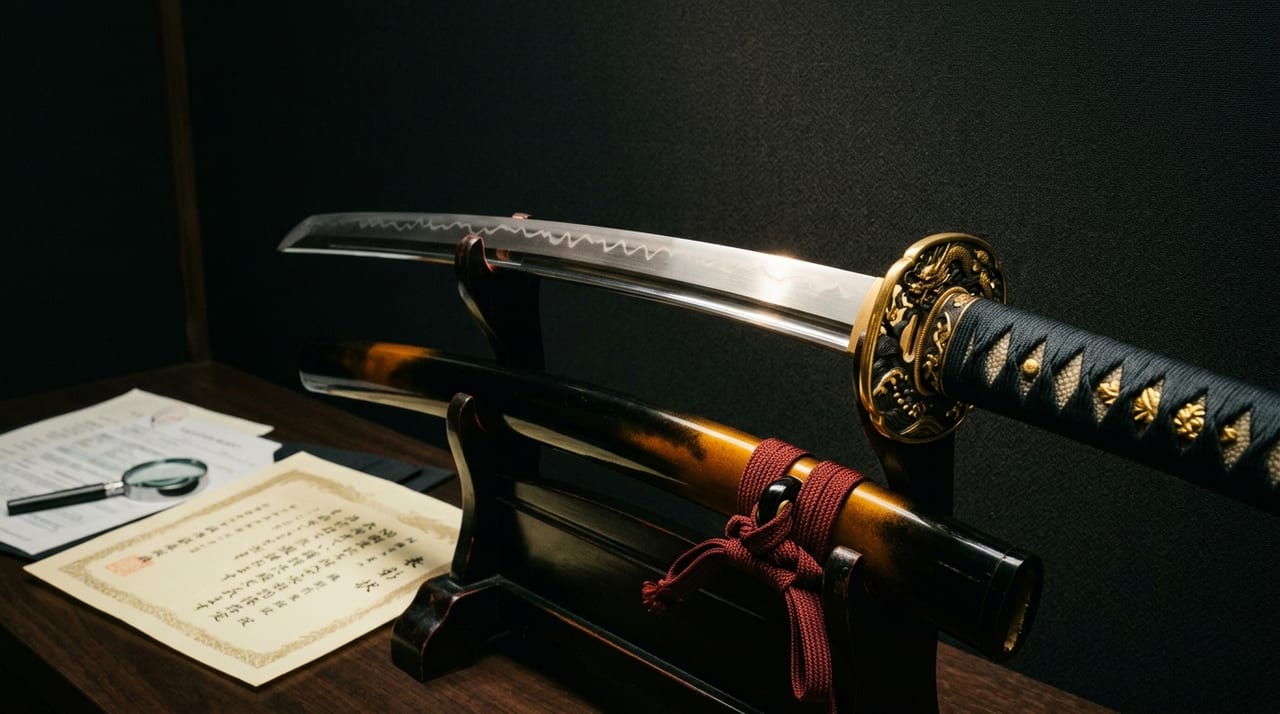
The next thing to consider is the period and the tōkō. Matching the tastes and background of the recipient — the elegant shintō of the Edo period, the powerful kotō of the Sengoku period, or the refined works of contemporary tōkō — each carries its own distinct appeal. Choosing a sword with a kanteisho (an official appraisal such as NBTHK) ensures reliability and confirmed value as a gift.
Thinking about how the recipient will want to engage with the sword is also a practical point when making a selection. For someone who would enjoy placing it on a tokonoma or display shelf and admiring it, presenting the sword together with a katanakake allows it to be displayed beautifully from the moment it arrives. For a gift to someone who is not well versed in nihontō, adding a note that explains the information recorded on the kanteisho in plain language will put the recipient at ease. When in doubt about what to choose, one approach is to convey the recipient's age and preferences and the nature of the occasion to the staff at a sword shop and work through the selection in consultation with them.
Formal Presentation Etiquette and Packaging
When presenting a nihontō as a gift, appropriate packaging and etiquette are important. The process leading up to the presentation is as follows.
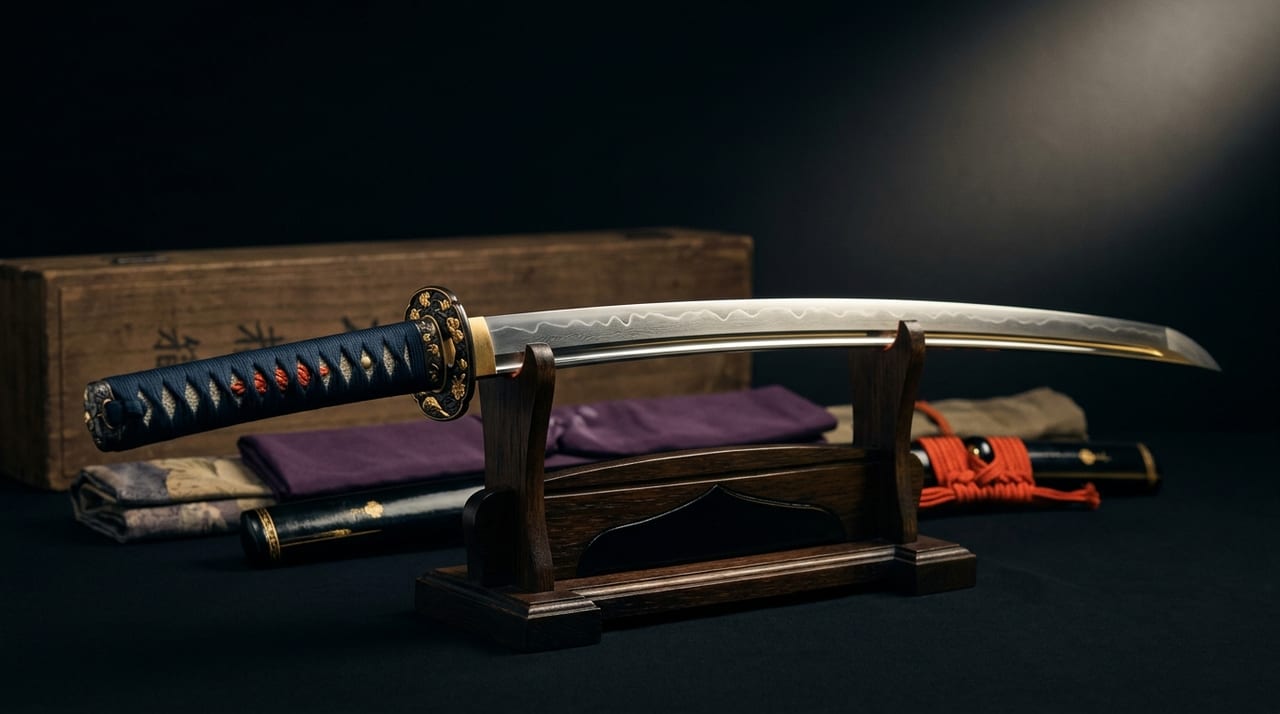
- Place the sword in a shirasaya (plain storage scabbard) and wrap it carefully in Japanese paper
- Place the outer packaging in a paulownia box (this is considered the formal standard)
- Place the sword along with the kanteisho and registration certificate inside the box
- At the presentation, hold the sword horizontally and offer it with both hands
- The recipient also receives it with both hands (this is considered proper etiquette)
- When enclosing a letter of presentation, express in careful language the sentiment behind the sword and the reasons it was chosen
Writing in this way deepens the value of the gift even further.
A sword selected as a gift requires attention to the storage environment until the day of presentation. Keeping it away from high heat and humidity and out of direct sunlight will maintain the blade in good condition. Applying a light coat of uchiko (polishing powder) and sword oil to the blade just before the presentation allows the sword to be delivered to the recipient in a beautiful state. In the letter of presentation or message card, briefly touching on routine maintenance in addition to the sword's history and the reasons it was chosen will allow even a recipient unfamiliar with handling swords to receive it with confidence.
Gifts for Recipients Abroad and Legal Considerations
Nihontō are held in high cultural regard internationally and are one of the finest gift choices for non-Japanese recipients as well. However, when sending a sword abroad it is essential to confirm in advance both Japan's export regulations and the import regulations of the recipient's country. Because laws governing the import of swords differ greatly by country and region, please be sure to consult a specialist before proceeding with the arrangements. Some sword shops can assist with preparing the documentation and handling inquiries related to overseas shipping, so if you are considering a nihontō as a gift it is reassuring to make inquiries in advance.
Maintenance After Presentation and Enjoying the Sword for Years to Come
A nihontō, when properly maintained, can retain its beauty across many generations. Regular application of uchiko and re-oiling are indispensable for protecting the blade from rust. For storage, the standard practice is to keep the sword in a shirasaya and choose a location where humidity fluctuations are minimal. If there is any concern about the condition of the sword or any uncertainty about maintenance, it is advisable to consult the sword shop where it was purchased or a professional togishi (polisher). As the recipient develops the habit of caring for the sword, it becomes more than just a gift — it grows into a cherished presence that will accompany them for years to come. The kanteisho and registration certificate should be stored together with the sword, as they may be required when the sword is transferred or inherited; it is a thoughtful gesture to include a word to that effect in the letter of presentation.
TOUKENZA's online catalog allows you to filter swords by conditions such as size, period, and whether a kanteisho is included. Take your time selecting the perfect blade for someone special.
A nihontō as a gift becomes a special experience for both the recipient and the giver. Encountering Japan's history and culture in the process of choosing the sword, feeling the weight of tradition at the moment of presentation, and then the sword continuing to speak to its owner in everyday life — this chain of experience is what places a nihontō in a position unlike any other gift. Just as a sword that rode through the battlefields of the Sengoku period still shines today, the blade chosen as a gift will continue to move someone's heart decades or centuries from now. The act of gifting a sword is also an act of giving value that transcends time.
Few gifts contain such profound meaning and history. The act of presenting a sword is the highest expression of respect and affection for the recipient. Moreover, those who receive a nihontō often begin to develop a genuine interest in the world of swords. It is not uncommon for a blade received as a gift to become the starting point for a new hobby, cultural experience, or journey of historical discovery. In that sense too, a nihontō as a gift is an unparalleled present with the potential to enrich the life of the recipient.