Insurance for Japanese Swords: Movable Property Policies and Fine Art Riders — What Collectors Need to Know About Coverage and Claims
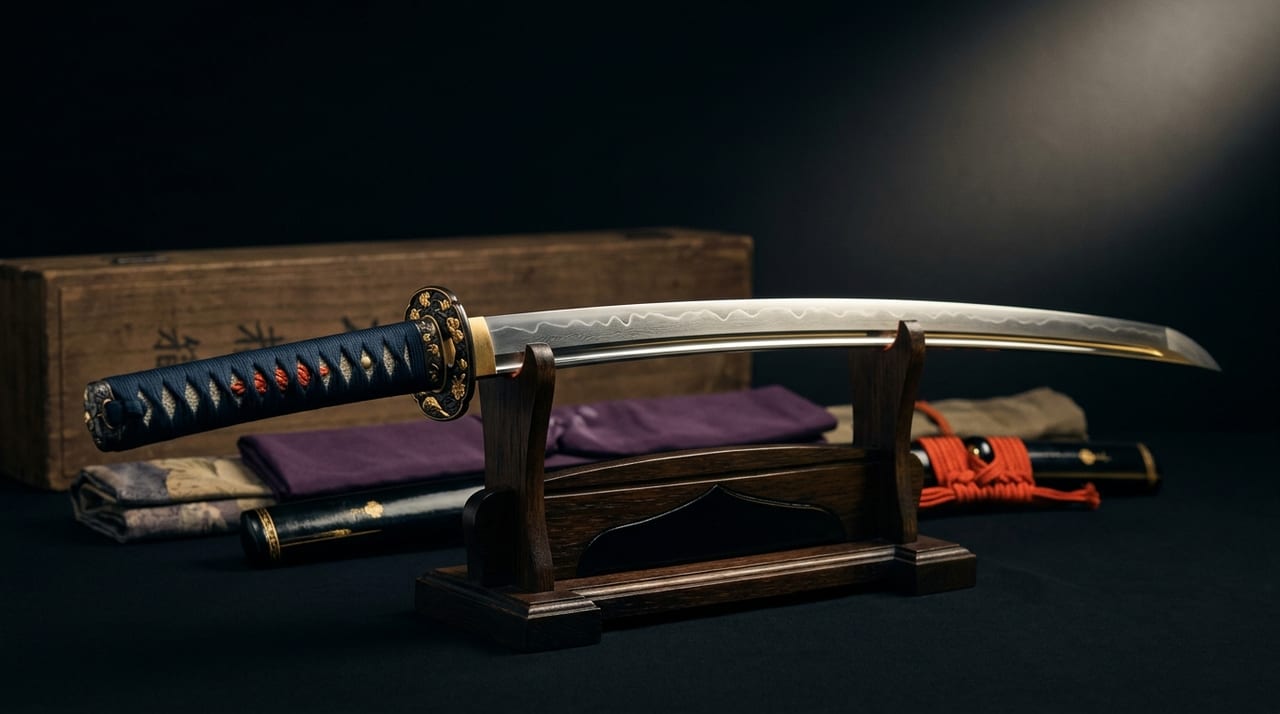 * Image is for illustrative purposes only.
Table of Contents
Nihonto and Insurance — Why Specialist Coverage Is Necessary
A nihonto is a work of art and craftsmanship that can be worth hundreds of thousands to several million yen per blade, or even more. Standard comprehensive home insurance (fire insurance) covers movable property within the same household up to a certain amount, but it is often insufficient to fully cover a valuable sword collection.
Nihonto are classified under insurance mainly under three categories: movable property insurance, household contents insurance, and fine art riders (fine art insurance). Each differs in scope, coverage amount, and conditions, and the appropriate choice depends on the scale and value of the collection.
The Basics of Movable Property Insurance and Household Contents Insurance
Household contents insurance attached to home fire insurance covers all household contents as a group. However, works of art and antiques are treated as "high-value items," and in many cases will not be covered unless they are individually declared and a special rider is added.
Policy terms typically include a condition such as "works of art and antiques valued at over 300,000 yen per item must be declared as specified property" (this varies by insurer and product). If damage occurs without such a declaration, payment may be capped at 300,000 yen or the item may not be covered at all.
The first thing collectors should do is read the terms of their current policy carefully and confirm whether swords fall under the conditions requiring individual declaration as "high-value items."
Using the Fine Art Rider (Fine Art Insurance)
A fine art rider is an add-on that allows works of art, antiques, nihonto, and other high-value movable property to be individually declared and covered. It offers advantages over standard household contents insurance in the following respects.
Breadth of coverage: In addition to fire, theft, and water damage, some products also cover accidental breakage (drops, impacts, etc.). Standard household contents insurance often excludes "breakage."
Setting individual assessed values: The value of each blade can be declared based on a kanteisho (appraisal certificate) or proof of purchase, and coverage is provided up to that amount. Unlike household contents insurance, which covers everything as a collective, the individual value of each item is accurately reflected.
Coverage while in transit: Some products cover damage that occurs outside the home, such as when taking a sword to a viewing event or bringing it to a sword dealer.
The number of insurers and agents that handle fine art riders is limited, and a general insurance agent may not be able to assist. Those who collect nihonto seriously should consider consulting a specialist fine art insurer or insurance broker.
Required Documents and the Practicalities of Assessment for Insurance Declaration
Declaring items under a fine art rider generally requires the following documents.
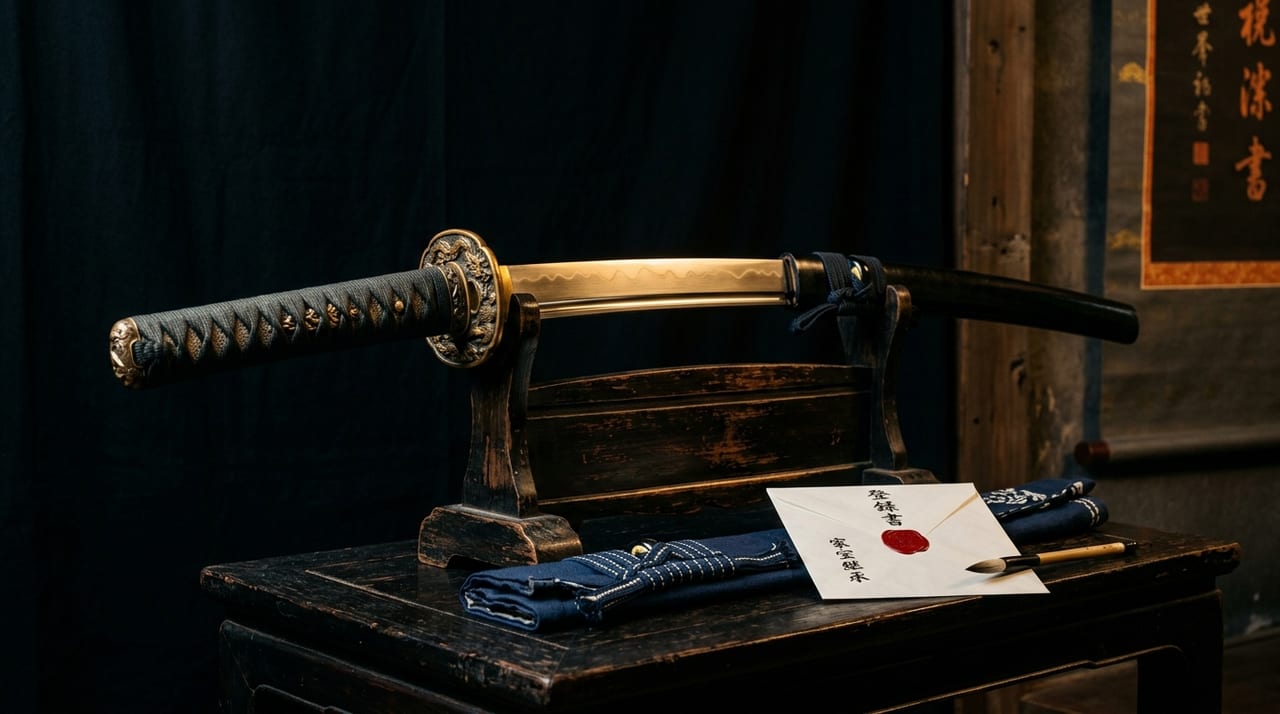
- Copy of the registration certificate: The Firearms and Swords Registration Certificate serves as proof of the sword's existence and lawful possession.
- Proof of purchase / receipt: Required as proof of the acquisition price.
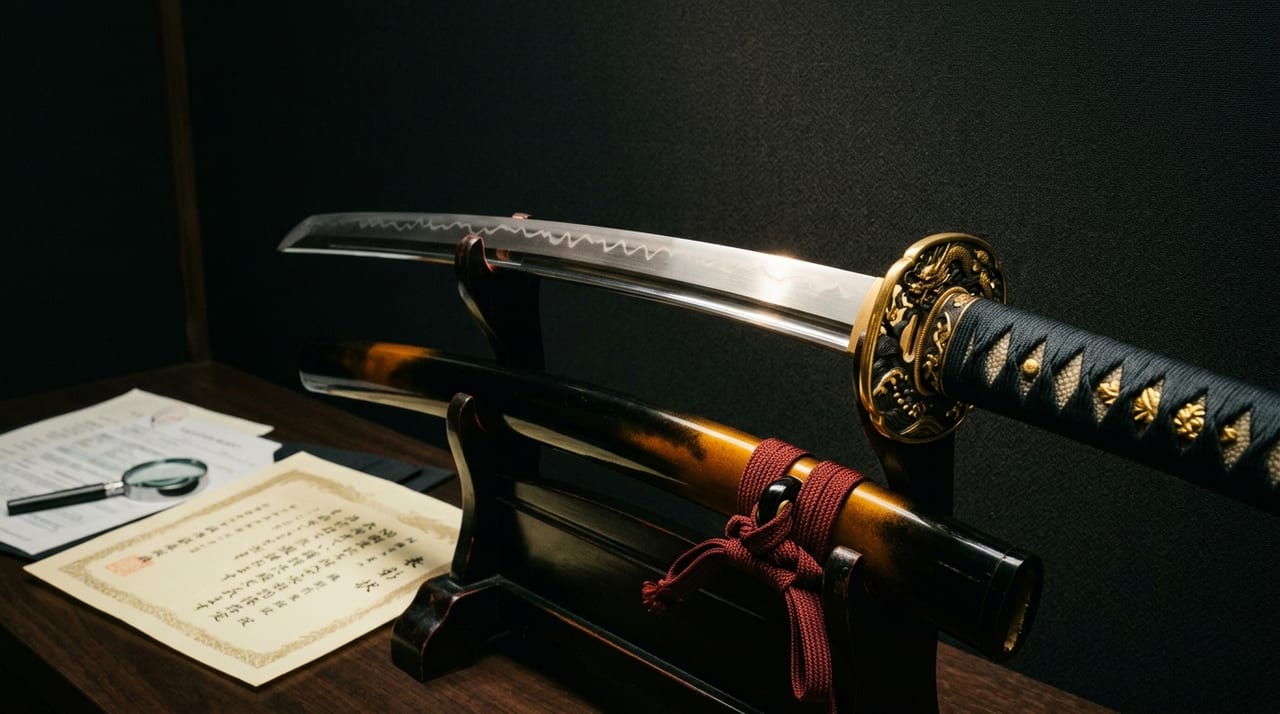
- Kanteisho (appraisal certificate): If a kanteisho from NBTHK (Society for the Preservation of Japanese Art Swords) or a similar body is available, it serves as an important reference document.
- Photographs: Photographs of the blade and the full koshirae (mounting) should be taken and kept on file.
These documents are useful not only when making an insurance declaration but also for day-to-day collection management. Detailed guidance on how to compile a ledger recording each blade's registration certificate, kanteisho, purchase history, and photographs together in one place can be found in The Art of Recording a Sword Collection — Protecting Value Through Ledger-Keeping and Provenance Management.
When filing an insurance claim, a detailed record of the damage is required. In the event of damage, first preserve the scene and take photographs before contacting the insurer. In the case of theft, filing a report with the police is a prerequisite for submitting an insurance claim.
Cases Not Covered — Checking the Exclusions
Insurance is not all-encompassing. Policy terms include exclusions (conditions under which coverage does not apply), and skipping over them can lead to situations where a claim is denied despite having insurance. The following are typical exclusions to pay particular attention to when insuring nihonto.
- Age-related deterioration such as rust and discoloration: Rust or clouding caused by inadequate maintenance is typically excluded as "natural wear and tear." Insurance is a safeguard against accidental events, not a substitute for routine maintenance.
- Earthquake, volcanic eruption, tsunami: Basic fire insurance coverage often excludes damage caused by earthquakes, and a separate earthquake insurance policy or dedicated rider must be added to obtain coverage. Earthquake insurance for household contents has payment limits, so owners of high-value collections should verify whether the coverage amount matches the actual value.
- Misplacement and loss: While theft is typically covered, many products exclude simple loss or misplacement.
- Damage while in the custody of a third party: Whether damage that occurs while a sword is left with a polisher or appraiser is covered varies by product. It is advisable to confirm this alongside the insurance held by the business to which the sword is entrusted.
Even among products sharing the name "fine art rider," the scope of exclusions can differ significantly. Drawing up a comparison list of exclusion clauses before signing is the surest way to choose insurance you will not later regret.
Pre-Contract Checklist
When actually evaluating insurance options, working through the following points in order will ensure nothing is overlooked.
- The declaration threshold per item (above what value must an item be declared as specified property)
- The scope of covered incidents (fire, theft, water damage, accidental breakage, damage while in transit)
- Whether a deductible (self-bearing amount) applies and its amount
- The scope of exclusions, including earthquake, age-related deterioration, and loss
- How the insured value is assessed (actual cash value or replacement cost; whether a kanteisho or proof of purchase is required)
- Whether a total payment limit applies when multiple blades are covered under a single contract
Once these points are organized, comparing multiple products will make it easier to select coverage suited to the scale of your collection and your storage environment.
The Importance of Periodic Reassessment
The market price of nihonto fluctuates over time. If a declared value from several years ago has diverged significantly from the current market value, there is a risk that the coverage received will not match the actual amount of loss.
It is advisable to review declared values at least once every three to five years and, where necessary, to update the kanteisho or check current market prices. Maintaining a coverage structure that accurately reflects the current value of the collection through regular communication with the insurer forms the foundation of long-term collection management.