New Arrivals — Browse our catalog for the latest authentic Japanese sword arrivals. Browse →
Insights into Japanese sword knowledge and culture
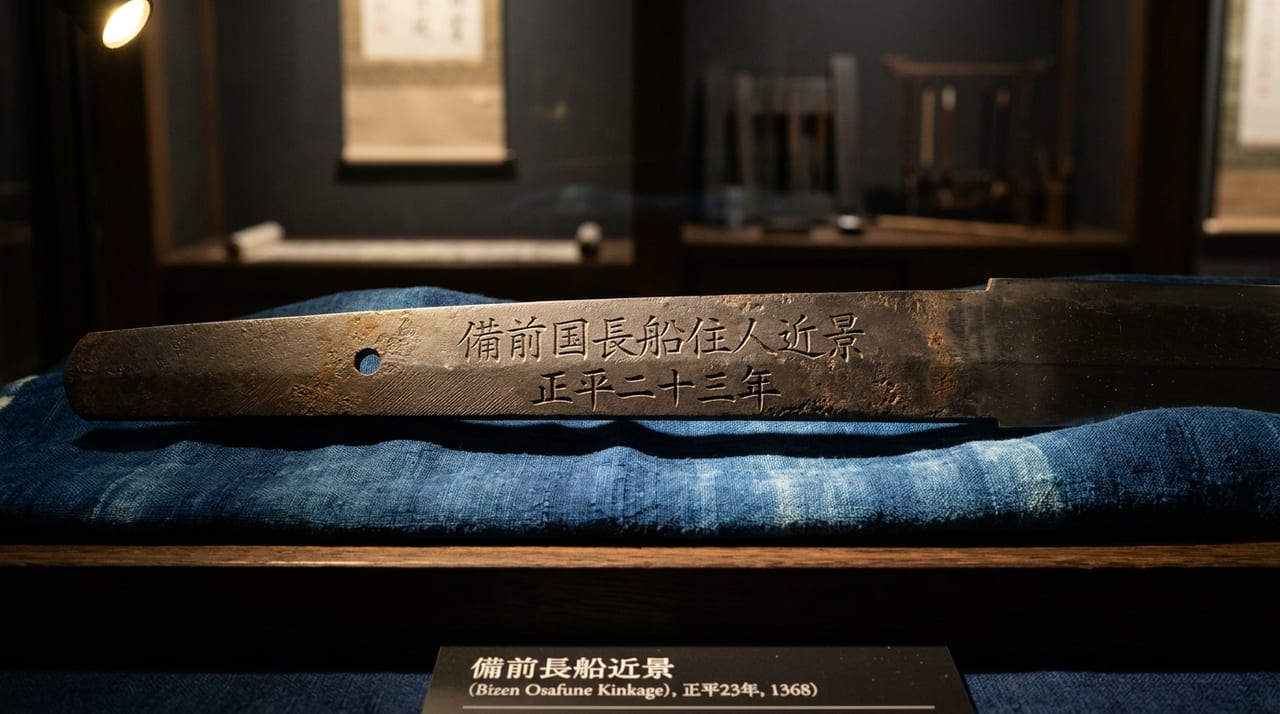
The basics of nenkimei, in which the month and year of a sword's creation are inscribed on the nakago. Explains the conventions of "nigatsu-bi" and "hachigatsu-bi," how to read them when appreciating a sword, and cautions regarding later-added inscriptions.
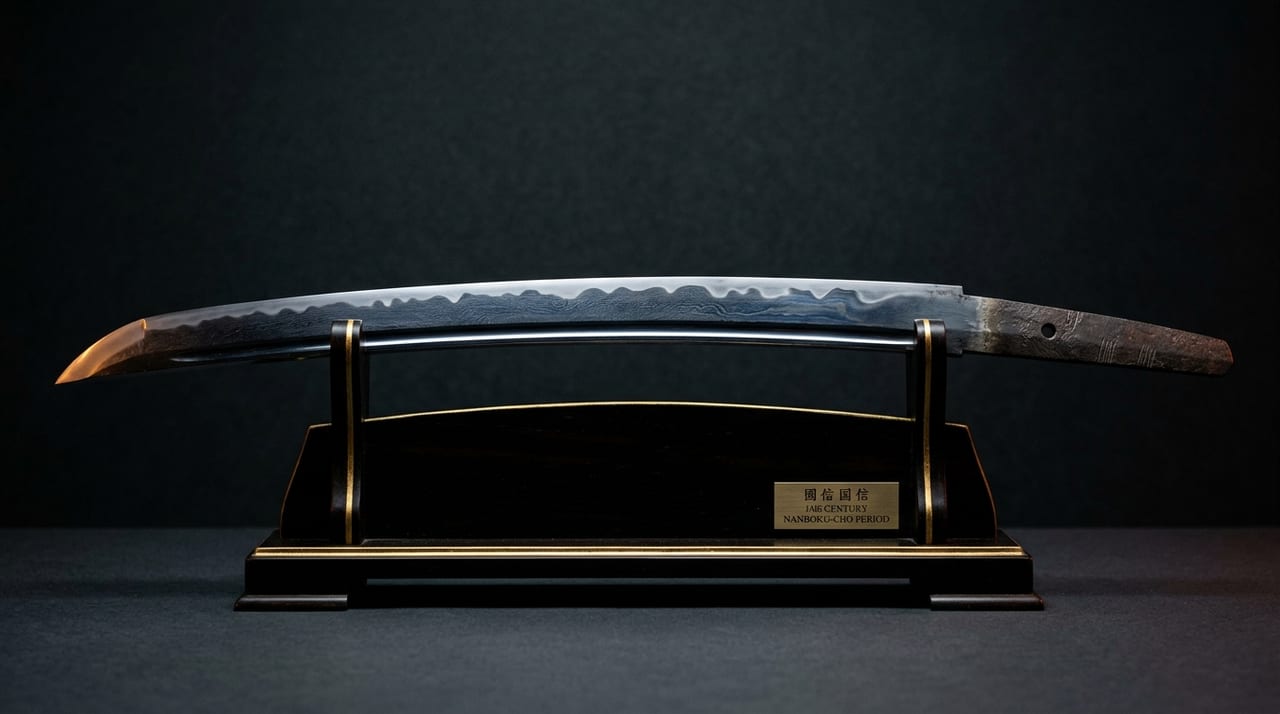
The Nobukuni School began in Yamashiro during the Nanbokuchō period and later relocated to Chikuzen. This article organizes the distinction between Yamashiro Nobukuni and Chikuzen Nobukuni, their relationship with Sōshū-den, and perspectives for appreciation.
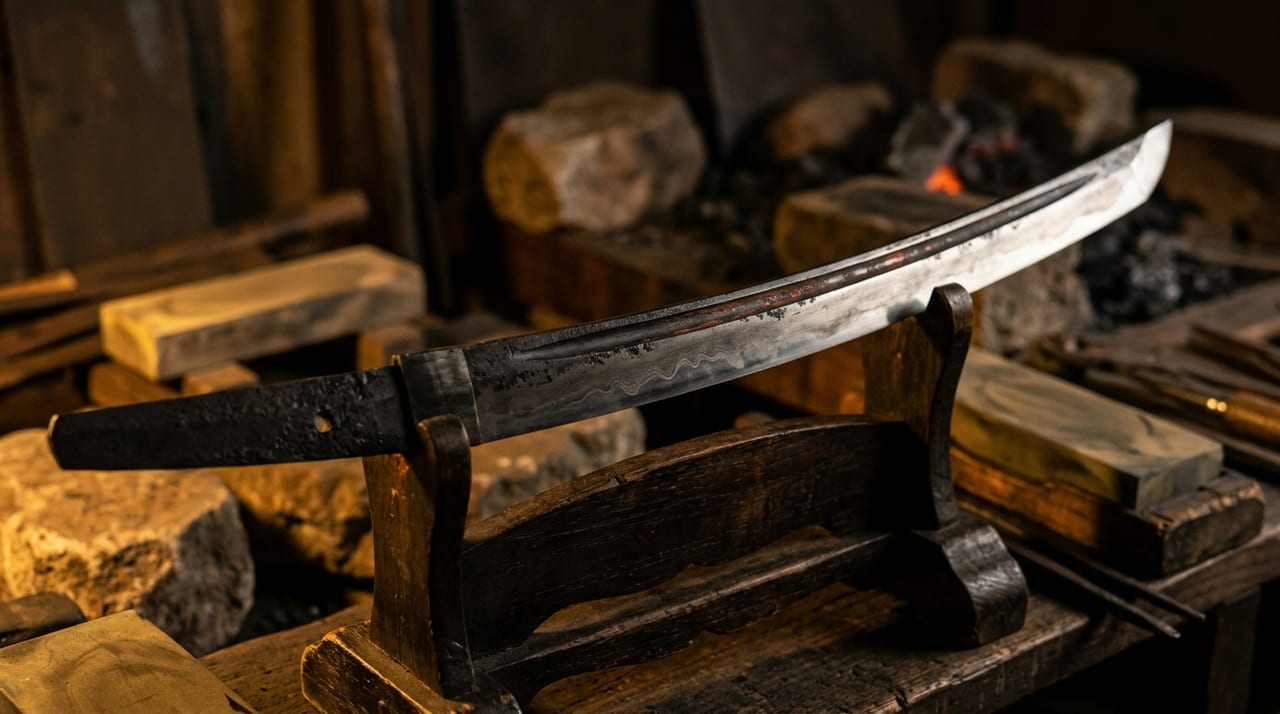
Kaji-oshi is the process in which the tōshō personally applies a whetstone to the blade after yaki-ire is complete. This article explains its purpose, tools, and differences from the togishi's full togi within the flow of the sword-making process.
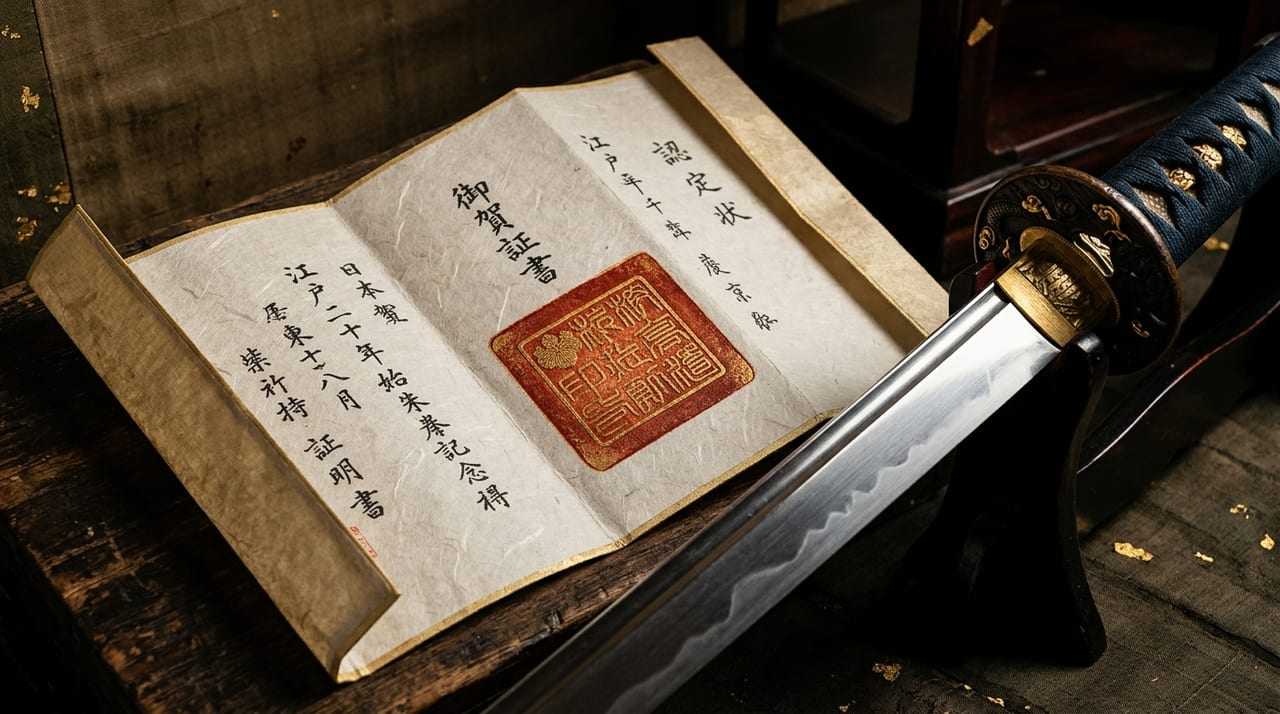
Origami is the kanteisho issued by the Honami family during the Edo period. This article explains the contents of origami, the shirozuke, the etymology of "origami-tsuki," and the differences from modern kanteisho.
Seppā tsumaru, tsuba zeri-ai, shinogi wo kezuru, sori ga awanai, tsuke yakiba, moto no saya ni osamaru. This article examines the origins of words derived from Japanese sword parts and tōsōgu using the definitions from the Digital Daijisen and the Nihon Kokugo Daijiten as compiled in Kotobank, and also carefully distinguishes words whose sword-derived origins cannot be confirmed in dictionaries from words of a different lineage.
A survey of the provenance of famous swords — including Heshikiri Hasebe, Nikkō Ichimonji, Nihongō, and Hakata Tōshirō — handed down to the Kuroda clan, lords of the Fukuoka domain, traced through the connections between individuals.
This article examines the Sue-Sōshū tōkō Tsunahiro and Yasukuni, who carried on the Sōshū-den legacy in Odawara — the Hōjō clan's stronghold — during the late Muromachi period, along with their stylistic highlights and the background of demand during the Sengoku period.
This article organizes the methods and reference points for measuring nagasa, sori, motohaba, sakihaba, kasane, and weight, and explains how to combine these figures to read a sword's period, intended use, and condition.
This article traces how shintō-period tōkō moved from the production-center focus of the kotō period to a castle-town and major-city focus, organizing the discussion around the lineages of Kyoto, Osaka, Edo, Hizen, and other regions, as well as the conditions that shaped workshop locations.
How far can the tachi depicted in the Heike Monogatari and the Taiheiki be used as historical fact? We compare narrative patterns with actual tachi and lay out the steps for drawing on them in sword history.
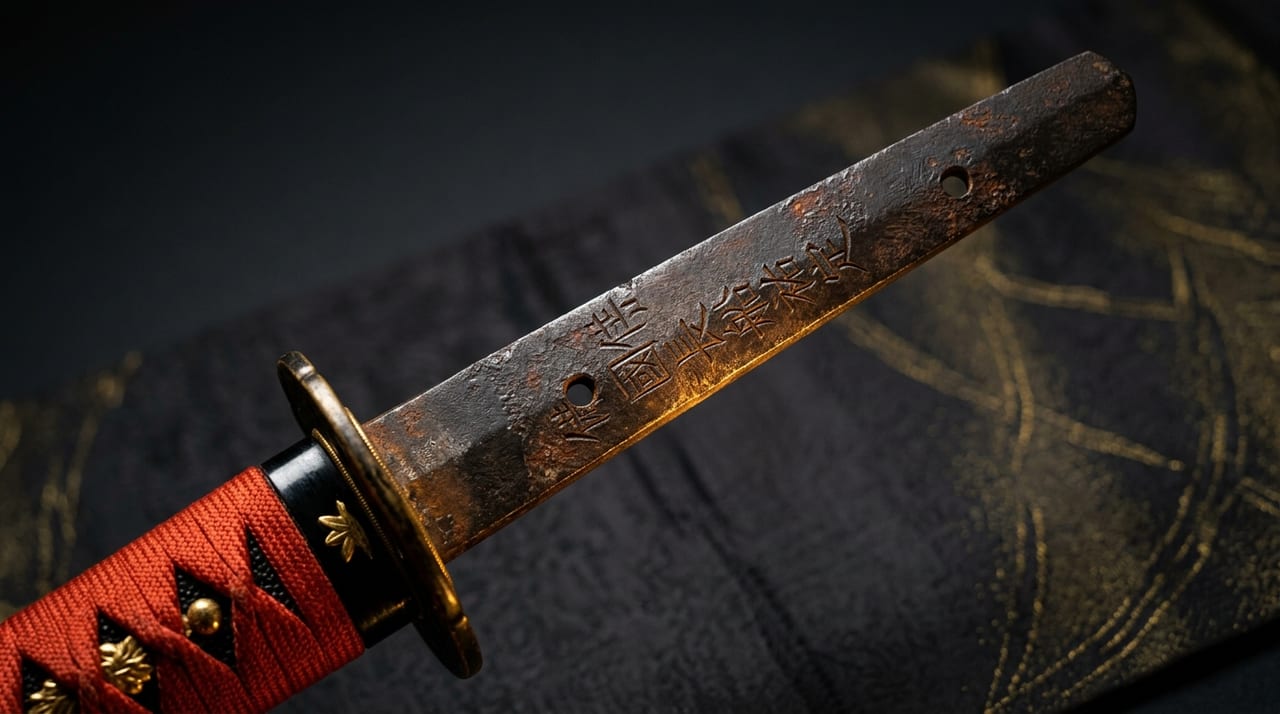
The two-character mei that inscribes the tōkō's name concisely, and the long mei that includes dates and place of residence. This article covers the difference in position between tachi mei and katana mei, and the fate of mei after suriage.
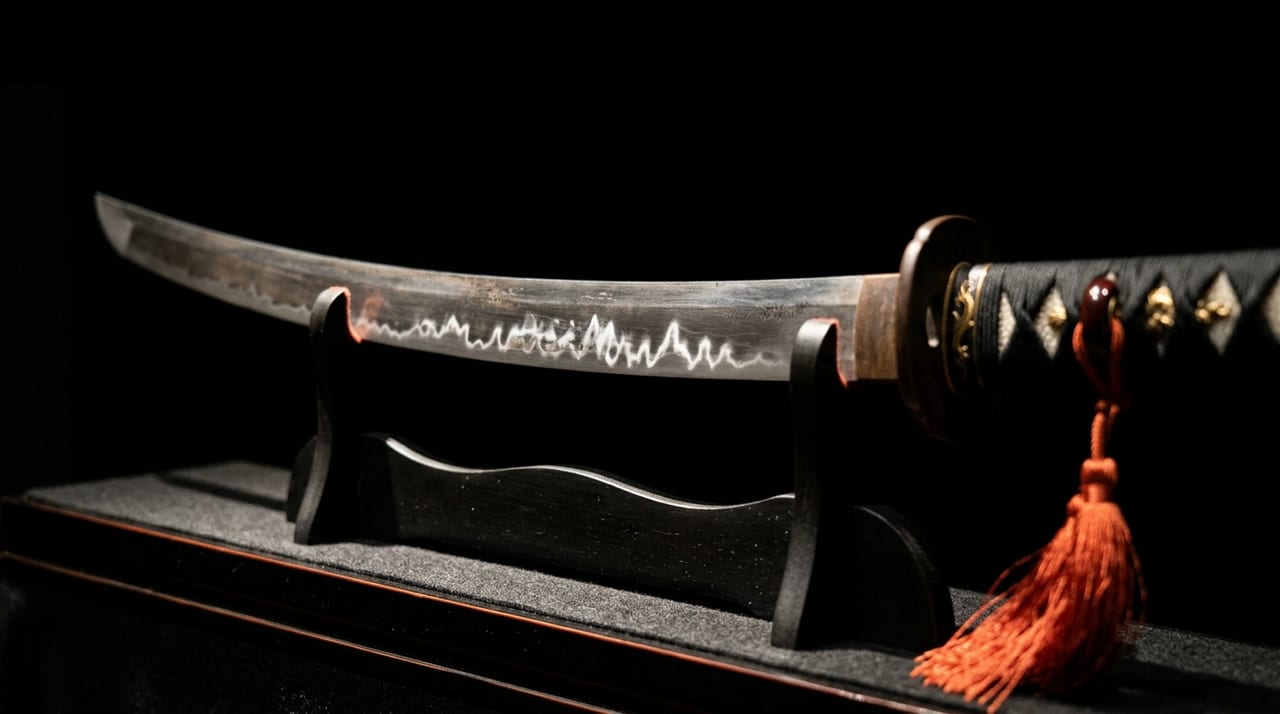
Yaki-haba, which describes the width of a hamon, and yakidashi, which describes how the hamon rises near the hamachi. This article explains these two elements — determined by the placement of yakiba-tsuchi — together with guidance on how to view them.
What Is Nenkimei — Reading a Tōkō's Active Period from the Date of Production Inscribed on the Nakago
The Nobukuni School: The Lineage and Highlights of a Tōkō Tradition That Began in Yamashiro and Spread to Chikuzen
What is kaji-oshi (kaji-togi) — The first togi a tōshō performs after yaki-ire, and how it differs from the togishi's full togi
What Is Origami — The Edo-Period Sword Kanteisho Issued by the Honami Family and the Origin of "Origami-tsuki"
Japanese words born from the sword — the origins of seppā tsumaru, tsuba zeri-ai, shinogi wo kezuru, sori ga awanai, and tsuke yakiba