Japanese words born from the sword — the origins of seppā tsumaru, tsuba zeri-ai, shinogi wo kezuru, sori ga awanai, and tsuke yakiba
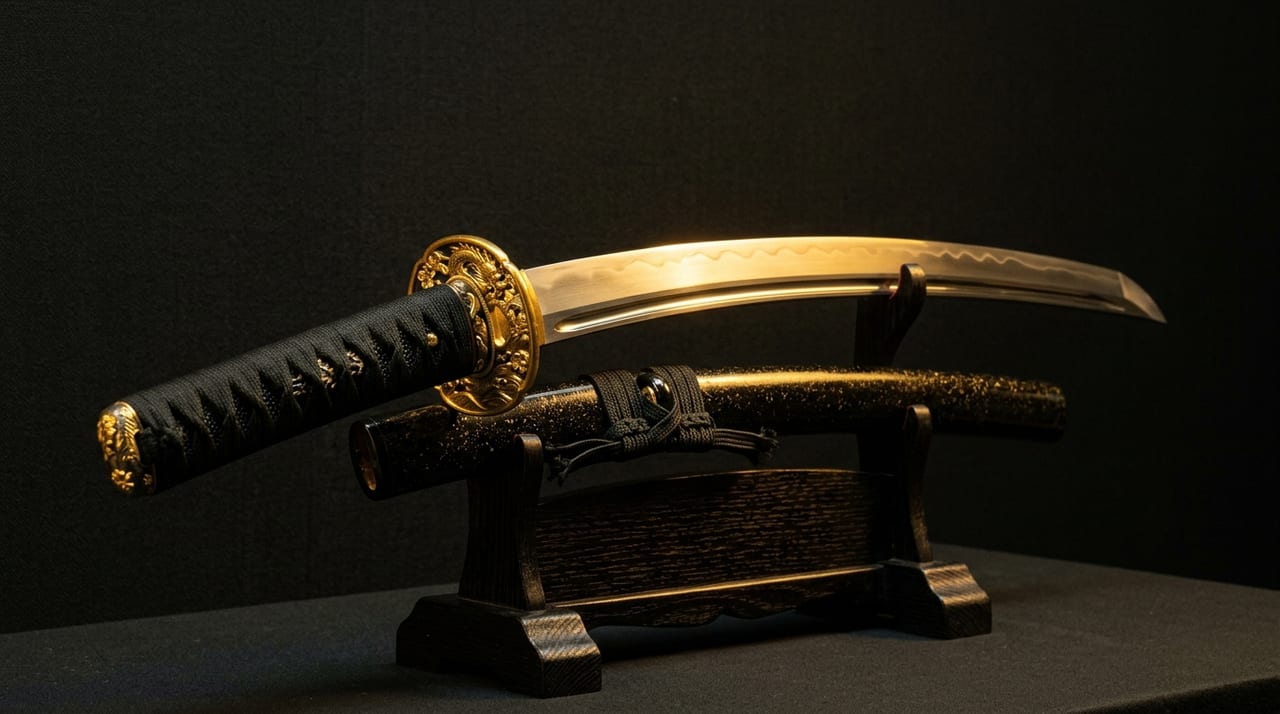 * Image is for illustrative purposes only.
Table of Contents
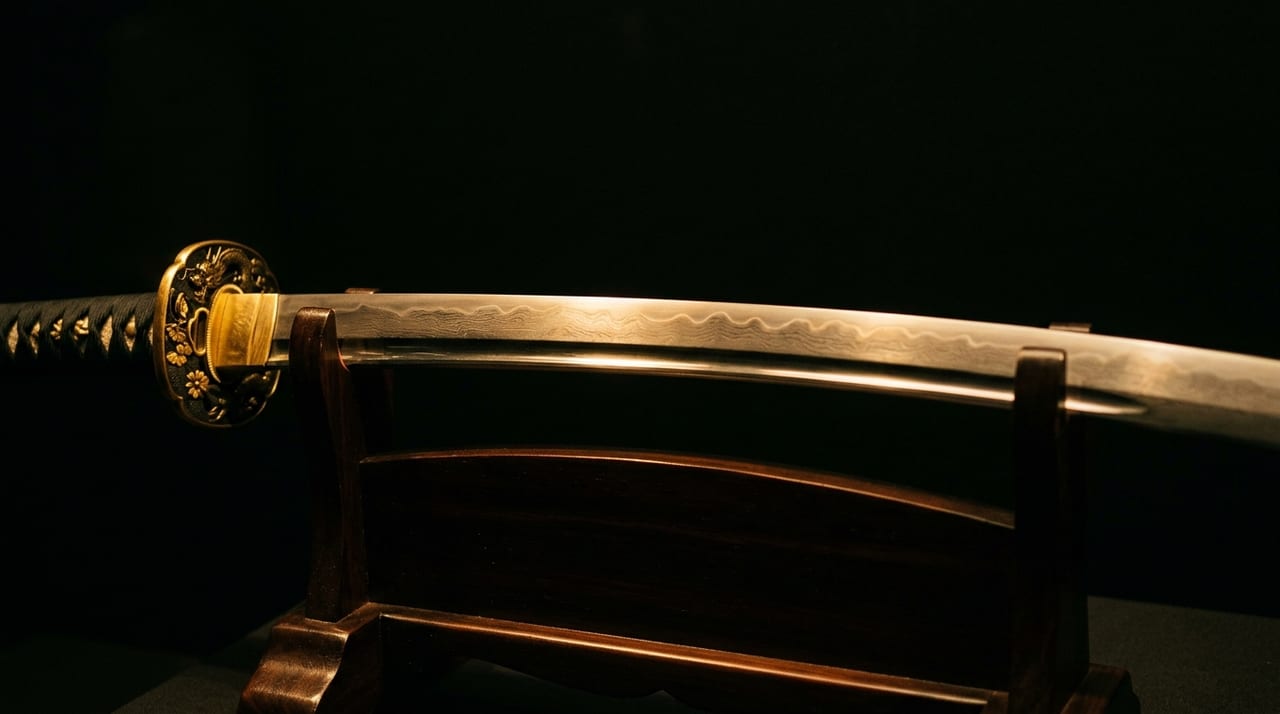
"Seppā tsumaru," "shinogi wo kezuru," "sori ga awanai." These are all everyday expressions, but seppā, shinogi, and sori are names of Japanese sword parts or tōsōgu. Names of tools from the era when swords were worn at the waist have remained in the language even after people stopped carrying swords.
However, among words introduced as "words derived from swords," some can have their origins verified in dictionaries, while others cannot. This article, using as a guide the definitions from the Digital Daijisen and the Seisenban Nihon Kokugo Daijiten (hereafter, Nikkoku) as compiled in Kotobank, organizes the derivation of words by each sword part. The part names can also be looked up in the sword glossary.
Words related to the tsuba — tsuba zeri-ai and seppā tsumaru
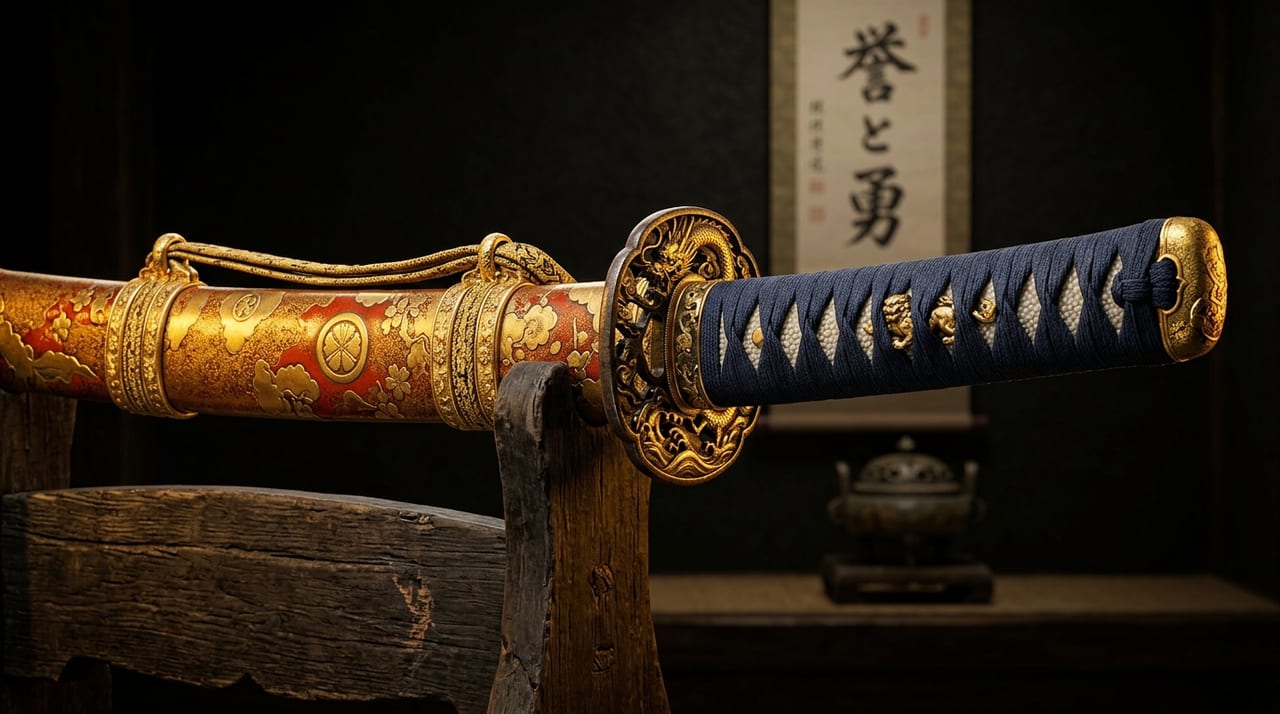
The tsuba is the metal hand guard fitted at the boundary between the tsuka and the blade, protecting the hand that grips the tsuka. The word incorporating the name tsuba is "tsuba zeri-ai." The Digital Daijisen gives the first meaning as "holding blades that have been clashed together at the base of the tsuba while pressing against each other," and places the second meaning as "a close contest in a tense situation where neither side holds an advantage" (Digital Daijisen, "tsuba zeri-ai," as recorded in Weblio). The highlights of the tsuba itself are summarized in Introduction to tsuba appreciation.
The thin metal plate fitted on both faces of the tsuba is the seppā. The Digital Daijisen entry for "seppā" lists as the first meaning "the thin metal fitting attached where each face of the sword's tsuba meets the tsuka and saya respectively," and the second meaning "being pressed to the brink; also, such a situation; a critical moment; a desperate pass," and the Nikkoku also lists both meanings under the same headword (Kotobank, "seppā"). That the seppā in "seppā tsumaru" is the same word as the tōsōgu seppā can be confirmed here.
On the other hand, how the name of a tōsōgu part came to mean "a desperate pass" is not written in either dictionary's definition. It is sometimes explained as "when the seppā is jammed tight, the sword cannot be drawn," but since this is not an origin verifiable in dictionaries, this article does not treat it as established fact. For the shape and craftsmen of the seppā, The work of the shiroganeshi is informative.
Words related to the blade — shinogi wo kezuru, sori ga awanai, tsuke yakiba
The shinogi is the thickest ridge line of the blade (The geometry of the shinogi). Regarding "shinogi wo kezuru," the Nikkoku defines it as "to engage in fierce sword fighting as if shaving off each other's shinogi; by extension, to compete intensely," and cites as the earliest example "tagaini shinogi wo kezuri-ai" from the Nanbokuchō-period Soga Monogatari. The Digital Daijisen also writes "to cut fiercely with swords; by extension, to compete fiercely," and cautions in a supplementary note that writing shinogi with an alternate character is an error (Kotobank, "shinogi wo kezuru").
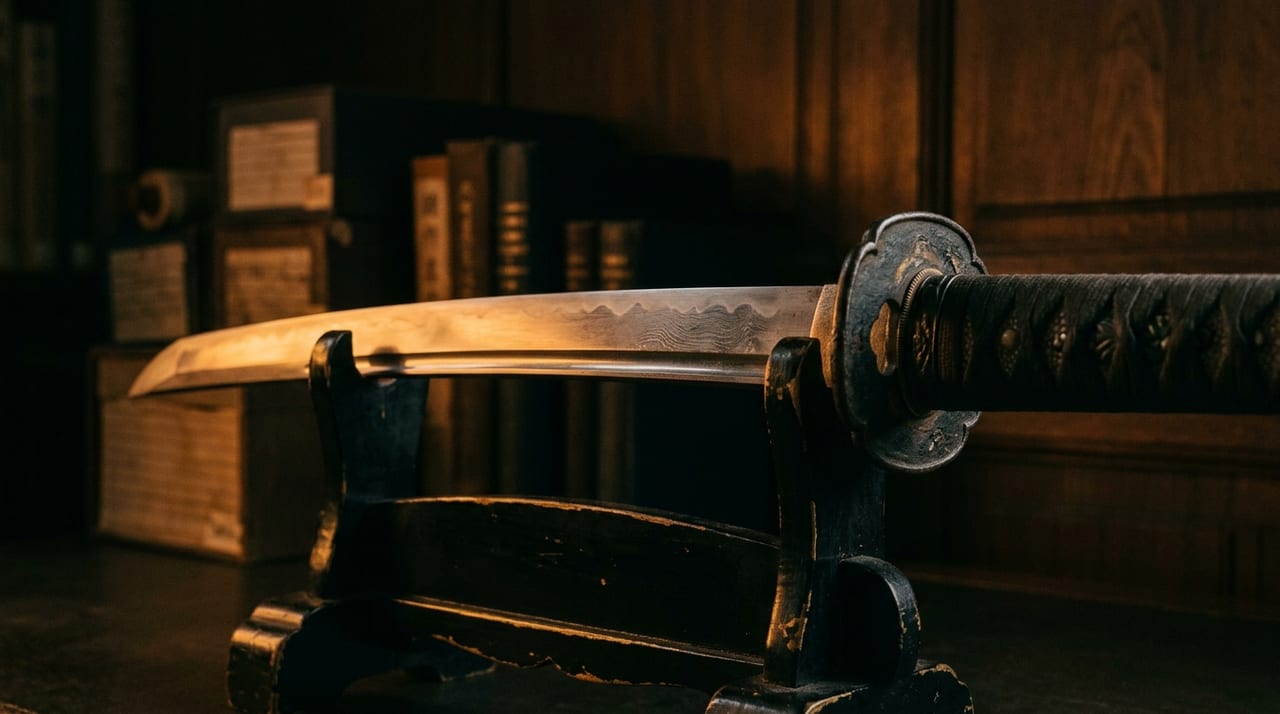
Sori refers to the degree of curvature of the blade (What is the sori of a Japanese sword). The Digital Daijisen entry for "sori" lists as the fourth meaning "(derived from the relationship between the blade and the saya, used in forms such as 'sori ga au' and 'sori wo awaseru') a person's disposition or the prevailing mood of society; also, one's compatibility with it" (Kotobank, "sori"). If the sori of the blade and the saya do not match, the sword cannot be sheathed. The dictionary's explanation is that this relationship was extended to mean compatibility between people.
Yakiba is the hardened portion of the blade produced by yaki-ire (quenching), and the hamon appears at its boundary. Regarding "tsuke yakiba," the Digital Daijisen gives the first meaning as "a yakiba of steel attached to a blade that cannot cut; it looks sharp but is actually brittle and cannot cut," and the second meaning as "hastily learning knowledge or skills as a temporary stopgap" (Kotobank, "tsuke yakiba"). The Nikkoku cites as a usage example for the second meaning the 1825 kabuki play Okuni-iri Soga Nakamura: "mere imitation, tsuke yakiba." The original yaki-ire process is covered in Blade yaki-ire technique.
Words related to the saya — moto no saya ni osamaru, saya-ate
"Moto no saya ni osamaru": the Digital Daijisen only gives the definition "for those who have once broken off a friendship or marriage to return to their original relationship," without writing the sword connection as origin (Kotobank, "moto no saya ni osamaru"). However, the usage example that the Nikkoku cites as the earliest example, from the ukiyo-zoshi Wankyū Issei (1685), is "chū-wakizashi wa moto no saya ni osamaru koto" — a sentence with a wakizashi as the subject. The work of craftsmen who make saya is introduced in The craft and materials of the sayashi.
"Saya-ate" has the sword connection appear in the definition. The Digital Daijisen defines it as "when warriors passed each other on the road, taking offense at their sword saya touching and quarreling," and continues "by extension, a quarrel or dispute arising from a trivial cause" (Kotobank, "saya-ate").
Words that originated from the sword itself
Among words referring to the sword itself rather than its parts, some have the sword meaning placed first in the dictionary.
- Shinken: the Digital Daijisen lists as a noun "a real sword, as opposed to a bokutō or shinai" and as a na-adjective "approaching a matter with complete seriousness" (Kotobank, "shinken")
- Tachiuchi: the first meaning is "fighting with tachi," the second is "competing directly against someone as a genuine rival," and it is often used with a negative form, as in "tachiuchi dekinai" (Kotobank, "tachiuchi")
- Denka no hōtō: derived from "a precious sword handed down through generations in a family," it refers to "something used only at the most critical moment; a trump card" (Kotobank, "denka no hōtō")
There are also words that came from weapons other than swords or from the kaji (smith) workplace. In "aizuchi wo utsu," the aizuchi is defined in the Digital Daijisen with the first meaning as "in kaji work, two craftsmen striking their hammers alternately," and the hammer interplay in sword tanren (forging) is covered in The rhythm of the aizuchi. The saihai of "saihai wo furu" is a commander's directing implement, touched upon in What is the gunbai.
Words that appear sword-related but require caution
Even when a word contains the character for sword or sword-related implements, not all of them can be said to derive from Japanese sword parts.
- Tantō chokunyū: the Nikkoku gives the first meaning as "alone, sword in hand, cutting into enemy lines," but among other literature it cites the Northern Song Zen text Jingde Chuandeng Lu — a Sino-Japanese word of different lineage from words derived from Japanese sword parts (Kotobank, "tantō chokunyū")
- Origami-tsuki: the Nikkoku definition is "having an origami (appraisal certificate) certifying the result of an appraisal," with no sword terminology appearing. The Heibonsha World Encyclopedia (old edition) writes that origami were used as kanteisho (appraisal certificates) for swords, paintings, and antiques (Kotobank, "origami-tsuki"). For the Hon'ami family, which issued origami for swords, see 400 years of the Hon'ami family's appraisal enterprise
- Seppā tsumaru: as mentioned above, it is the same word as the tōsōgu seppā, but the mechanism by which the meaning shifted is not written in the definitions
To verify origins, consulting dictionary definitions and earliest usage examples is the most reliable approach. Knowing these words makes you notice the seppā, shinogi, and sori when looking at a sword as well. Swords currently listed for sale can be browsed in the sword catalog.