The Sword-Bearer of the Yokozuna's Ring-Entering Ceremony: Sumo's Living Sword Ritual
 * Image is for illustrative purposes only.
Table of Contents
The Composition of the Yokozuna Dohyo-iri—The Ritual Created by Five People
In sumo, the dohyo-iri is a special ceremony permitted only to the Yokozuna. Separate from the ring entrance of all upper-division wrestlers, the Yokozuna enters the ring alone and performs his distinctive form. However, the Yokozuna does not stand on the ring by himself. Five people—the caller, the referee, the path-clearer, the Yokozuna, and the sword-bearer—enter in sequence and form a procession centered on the Yokozuna.
The dohyo-iri has two forms: the unryu style and the shiranui style, which differ in how the loincloth is tied and how the arms are moved. However, the composition of the procession itself, with the path-clearer leading and the sword-bearer following the Yokozuna, is common to both. This composition itself functions as a device to visually demonstrate the special status of the Yokozuna.
The Division of Roles Between the Sword-Bearer and Path-Clearer
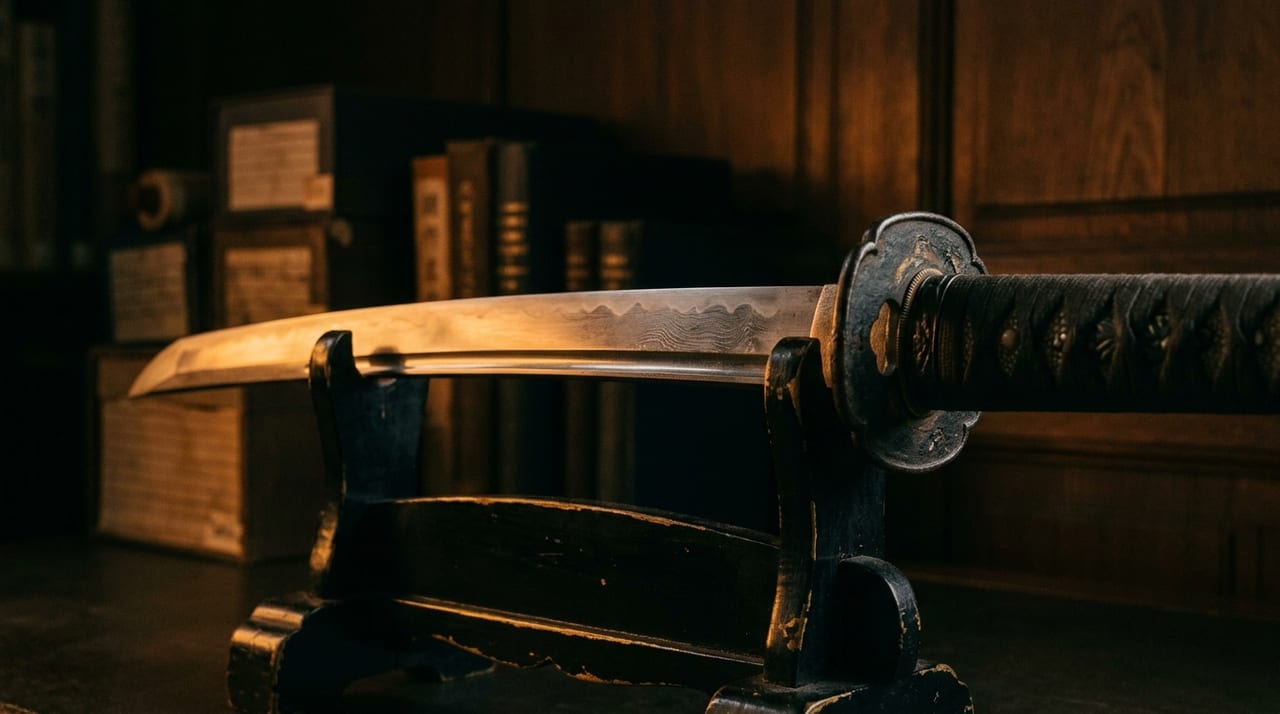
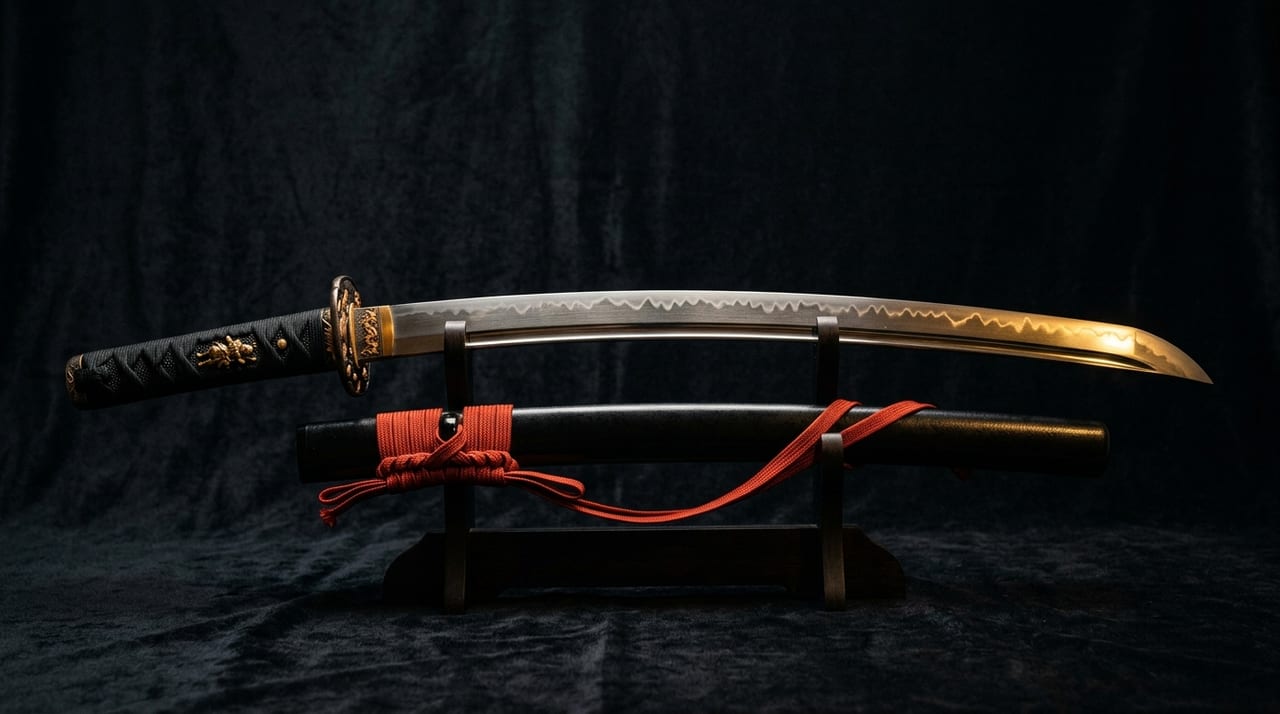
In the procession, it is the path-clearer who walks in front of the Yokozuna, and the sword-bearer who follows behind. The path-clearer, true to the name, serves as a guide who purifies the ring, while the sword-bearer carries the tachi and follows from behind the Yokozuna. Even if it is merely the act of accompanying the tachi in its saya without drawing it, the very idea of bringing a blade with him speaks eloquently about the character of this ritual.
Both are, in principle, upper-division wrestlers belonging to the same sumo stable or faction as the Yokozuna. Among them, the sword-bearer is conventionally chosen to be the wrestler with the highest rank after the Yokozuna, making the role not merely that of an attendant but also one that embodies the strength and prestige of that faction. When there is no powerful upper-division wrestler in the stable other than the Yokozuna himself, the role may be filled by someone from a stable or faction of a different lineage, and the pairing itself often becomes a topic of interest that reflects the power dynamics of the sumo world.
Why Only the Yokozuna Bears a Sword—Connection with Samurai Formal Status
It is widely known that the title of Yokozuna itself demands not only athletic ability but also "dignity" as a special honor. One device for visually expressing such dignity is the tachi carried by the sword-bearer.
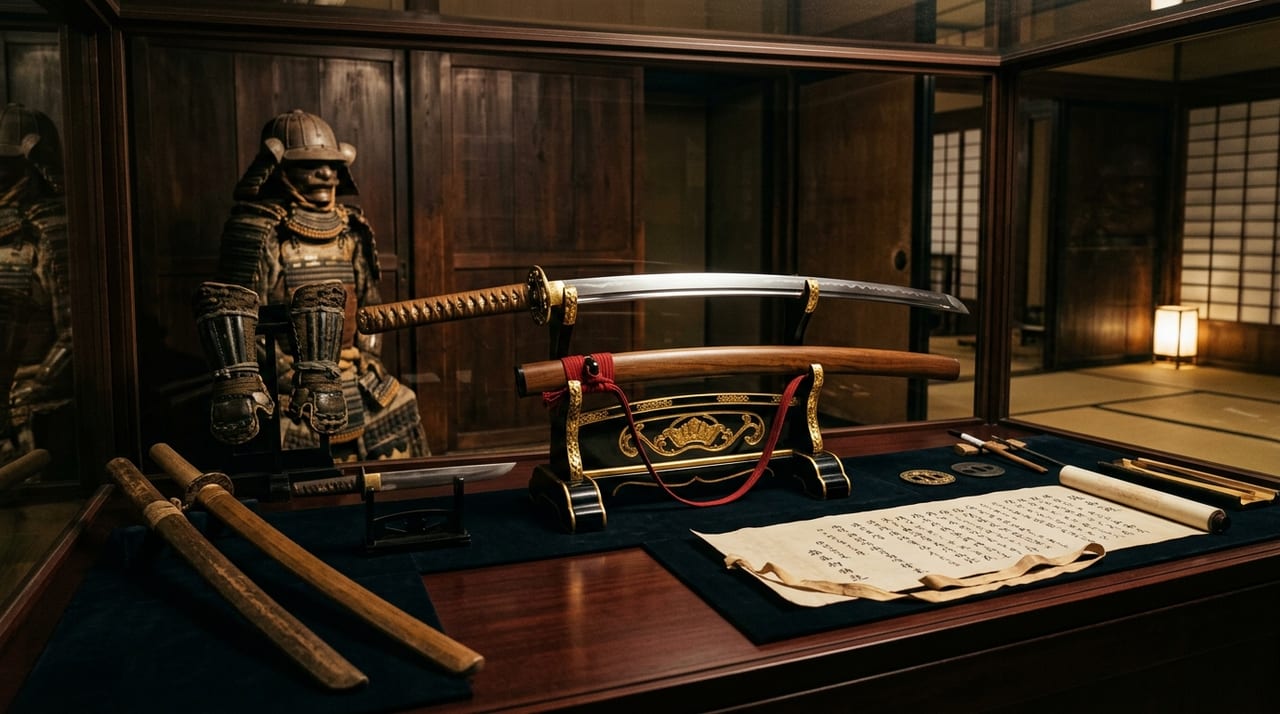
The act of bearing a sword was originally a privilege allowed only to the samurai class. Behind the incorporation of the tachi into the Yokozuna dohyo-iri lies the history of sumo developing under the patronage and observation of samurai society throughout the Edo period, with the highest-ranking wrestler being given a status equal to that of the samurai. Within the ritual of the dohyo-iri, the character of the sword as a "symbol of formal status" is carried over as is.
Consider that the sword itself is a tool that is never used in the sport of sumo. Nevertheless, the fact that a tachi is added only to the entrance ceremony of the highest-ranking wrestler speaks to how the sword, even after leaving its role as an actual weapon of combat, has continued to function as a "device to display status."
The Divine Character Inherent in the Title of Yokozuna
The term "Yokozuna" itself is said to derive from the thick sacred rope worn around the waist during the dohyo-iri. In the Edo period, there is a historical record of a system in which a particular household granted licenses for the title of Yokozuna, and the title was treated as a special honor bearing religious overtones rather than merely the highest rank in the ranking system. The fact that the dohyo-iri is composed as a ritual accompanied by the sacred rope and tachi, rather than as a contest to determine the victory and defeat of wrestlers, reflects such character.
The True Identity of the Single Tachi Carried by the Sword-Bearer
So, does the sword-bearer actually carry a genuine Japanese sword, or is it an imitation for ceremonial purposes? This point is frequently debated among sumo fans.
- There are cases where a Yokozuna's supporters' group has a modern sword smith create a custom tachi or has new koshirae commissioned for an esteemed blade and presents it as a gift
- On the other hand, some stables are said to use a ceremonial tachi with only the exterior (koshirae) prepared, rather than a genuine blade for practical use
- In either case, the meaning as "the tachi koshirae that adorns the Yokozuna's formal status" is emphasized over the sword blade itself
- The birth of a new Yokozuna is widely reported in the news, but the origin of the tachi displayed on such occasions is rarely discussed, making it an aspect that is surprisingly little known
In other words, the tachi in the dohyo-iri is characterized by being treated not as a practical weapon but as a fine art blade that gives shape to the honor of the recipient and the respect of the supporters. When supporters' groups prepare a new blade upon the birth of a new Yokozuna, considerable time and expense are often invested from the selection of the blade to the decision on the design of the koshirae. The blade becomes the "face" of that Yokozuna, displayed repeatedly with each dohyo-iri.
Sumo as a Blade Culture
Blades are not a culture of the samurai alone; they continue to live on in this way within sumo, a different traditional culture. When watching the Yokozuna dohyo-iri, if one pays attention to the origin and koshirae of the tachi carried by the sword-bearer, one becomes aware of the depth of blade culture that breathes within sumo, Japan's national sport. The character of the blade as a "symbol of formal status" continues to live on in such rituals even in our present day, after the age of samurai society has ended.
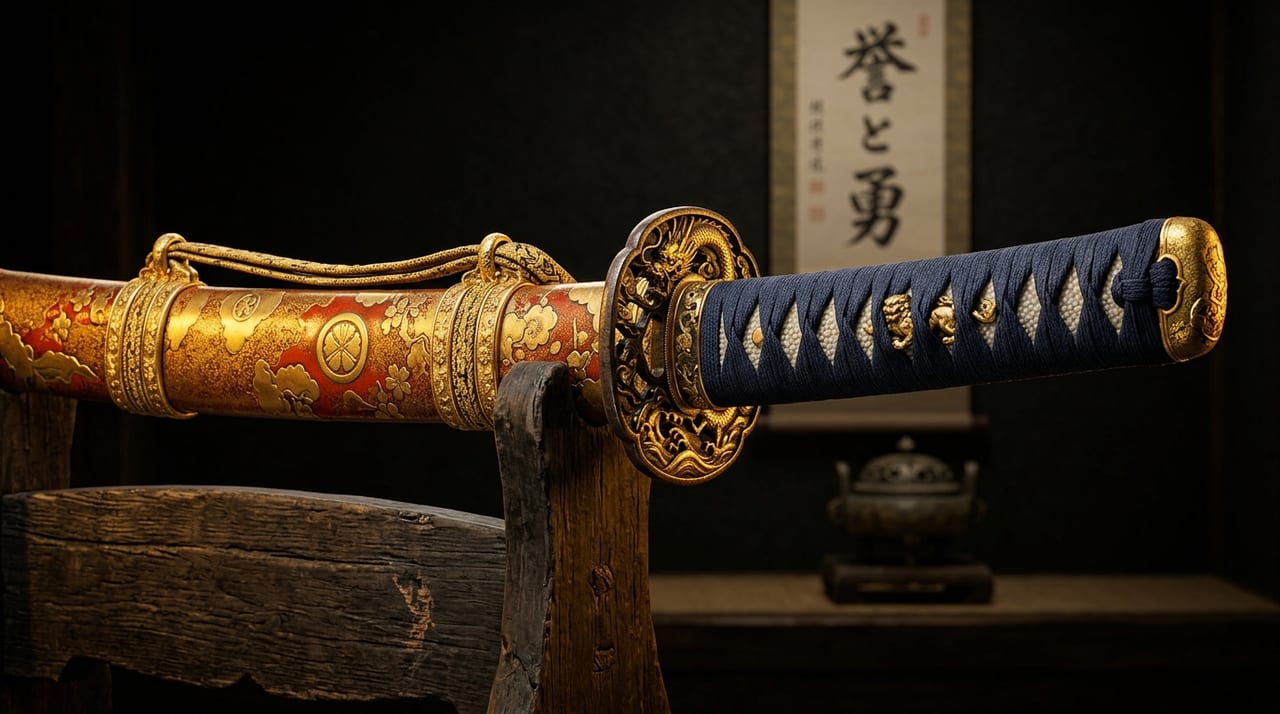
If you have the opportunity to watch the dohyo-iri through television coverage or by attending a tournament, pay attention not only to the form of the wrestler but also to the koshirae of the tachi carried by the sword-bearer. In each aspect of the design of the saya and the way the tsuka is wrapped, the feelings of the supporters who stand behind that Yokozuna are embodied.