Did the Ninja Sword Really Exist? Fiction's Image versus Historical Fact
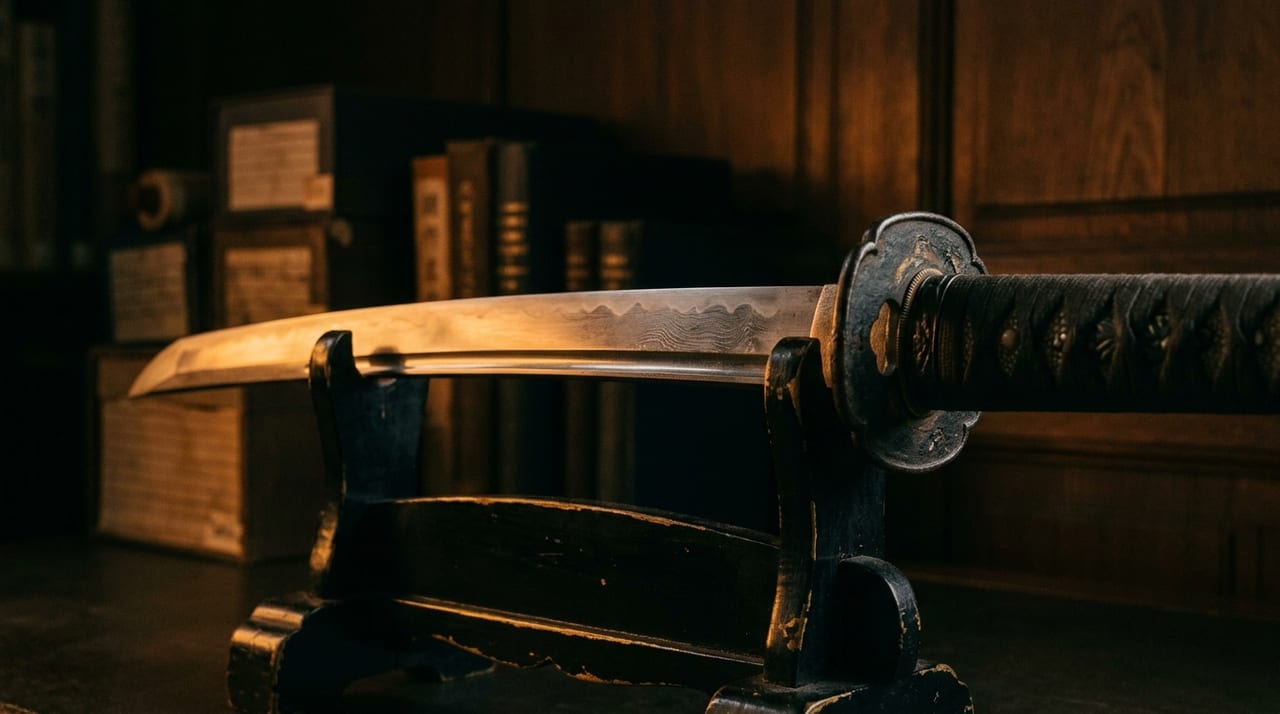 * Image is for illustrative purposes only.
Table of Contents
The Strong Image of the Ninja Sword
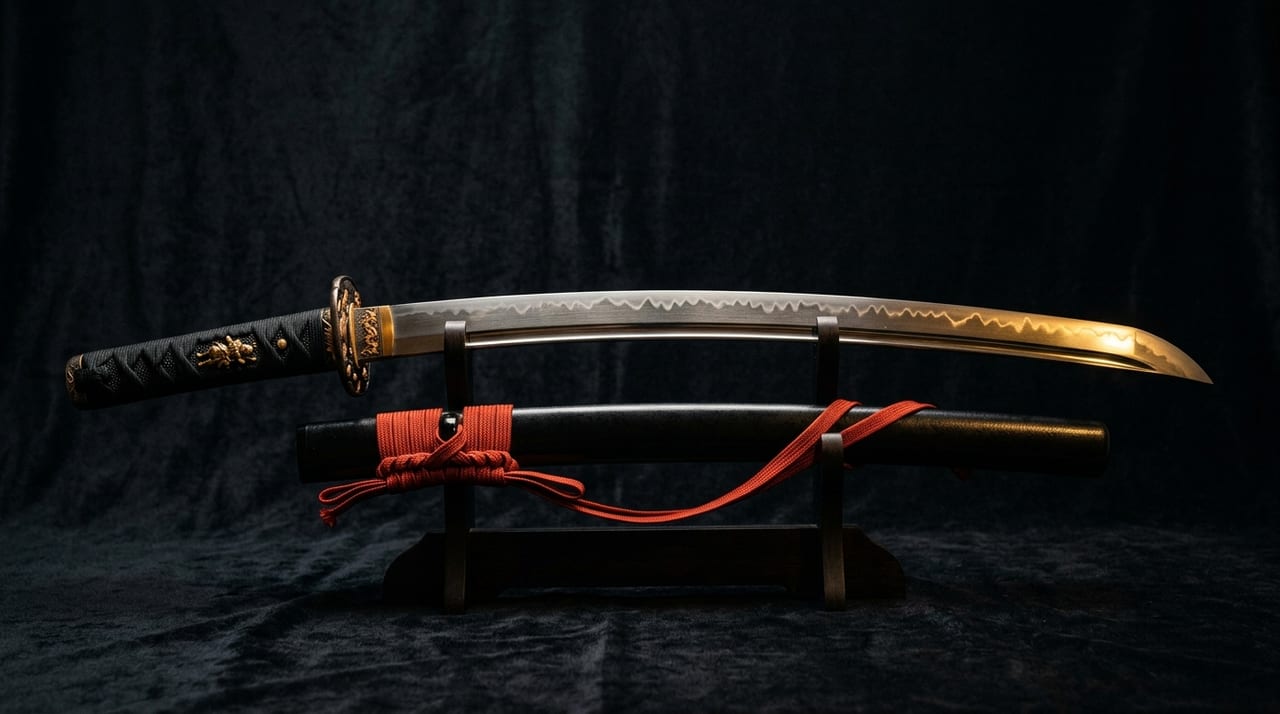
When most people think of ninjas, they picture a straight blade with no curve, an angular large tsuba, and a glossy black saya worn diagonally across the back. Through repeated depictions in films, anime, and games, this "ninja sword" has become one of the most firmly established images within the broader conception of Japanese swords. Yet curiously, reliable historical records demonstrating that swords of this form were actually used by shinobi during the Sengoku and Edo periods are surprisingly scarce.
From the perspective of those who study bladed weapons, this gap is intriguing. While authentic Japanese swords can be traced through accumulated historical documents and extant examples according to their era, region of origin, and swordsmith, the ninja sword lacks any clear lineage showing who forged it, or when it was made.
How That Image Became Established
The characteristics of ninja swords commonly known today describe short straight blades less than two shaku (roughly 60cm) in length, designed to emphasize thrusting, with angled metal fittings at the scabbard's end, and longer sageo (scabbard cords) than typical. However, primary sources attesting to the systematic use of such bladed weapons as standard ninja equipment during the Edo period are sparse. The ninja sword image widely known today is thought to have been substantially refined and visually polished through post-Showa novels, films, and ninja-related museums and creative works.
The straight blade with no curve is also distinctive from an aesthetic standpoint. The curve of a Japanese sword was refined over long centuries to optimize drawing and striking from horseback or on foot, accumulating practical combat rationale. The straight-bladed design of ninja swords stands apart from this historical developmental lineage, representing instead an independent creative design choice.
Swords in Records Left by Real Shinobi
Even when researching renowned historical figures like Hattori Hanzo and Fuuma Kotaro, there are almost no records supporting that they wielded specially shaped swords. For most shinobi of that era, the primary mission was to act without drawing attention. By this logic, carrying a visibly distinctive sword would have directly contradicted the shinobi's original purpose. The moment they were discovered at an infiltration site, the sword's very shape could become the decisive evidence revealing their true identity.
Shinobi operations aimed at infiltrating enemy territory, gathering intelligence, and returning alive—direct sword combat was not anticipated. Even if weapons were deployed, it would have been as a last resort after being cornered, making the necessity of carrying a specially developed sword questionable in the first place. Rather, the following pattern of equipment is thought to be closer to historical reality:
- In keeping with disguises as farmers or merchants, they carried only ordinary wakizashi or small knives that blended with their assumed station
- During infiltration, portability of disguises and equipment took priority over weapons
- Most tools recorded in ninja manuals concerned carrying equipment like grappling hooks and ninja gear, with little mention of specialized swords
- Even individuals like Hattori Hanzo, for whom records of service to a daimyo survive, have anecdotes centered on intelligence activities and leadership, with no accounts of specialized swords
Why the "Ninja Sword" Image Was Needed
In entertainment works, the straight blade with an angular guard proved remarkably effective as a visual symbol distinguishing ninja from samurai and swordsmen. When adding dramatic elements to blade work—reversed grip combat, using the scabbard as a staff—a straight blade was also convenient. The fact that the profession of shinobi itself exists at the boundary between history and legend provided fertile ground for such creative sword imagery to gain wide acceptance.
In the post-war ninja boom driven by novels and films, and continuing through international popularity of ninja, the ninja sword design was repeatedly imitated and refined until it acquired what appeared to be historical credibility. The process by which a single fiction, carried forward through multiple creative works, gradually becomes a fixed image seemingly rooted in historical fact is a phenomenon often seen in creative culture beyond swords alone.
Enjoying Historical Swords and Fictional Swords Separately
The ninja sword image created by fiction possesses sufficient appeal as a cultural form in itself. Yet when appreciating the provenance and techniques of actual Japanese swords, it is essential to separate such creatively derived imagery from historical fact. Misconceptions and truths about Japanese swords are explored broadly in Japanese Sword Myths and Truths.
Authentic Japanese swords are shaped through accumulated rational reasons suited to era, region, and purpose—even a single curve's angle reflects deliberate choice. While enjoying the appeal of ninja sword fiction, learning what historical necessity underlies the actual forms of real blades elevates one's appreciation of sword craftsmanship. Grasping the true form of swords with both legend and history in mind becomes the foundation for a lifelong engagement with sword culture.