How to Read and Use the Tōkō Meikan (Swordsmith Directory) — A Professional's Method for Researching Swordsmiths Across School Lineages, Provinces, and Periods
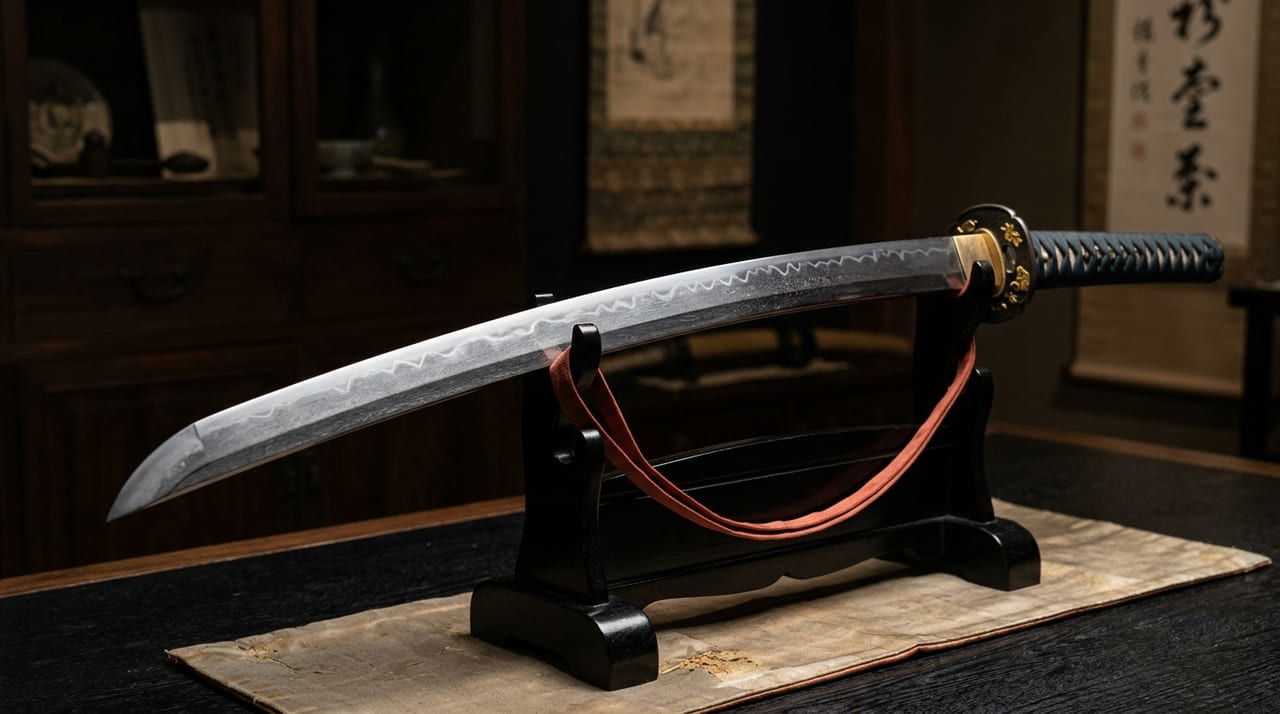 * Image is for illustrative purposes only.
Table of Contents
What Is the Tōkō Meikan — The Foundational Tool for Nihontō Appraisal and Research
The tōkō meikan is a specialized encyclopedia that systematically compiles the names, art names (gō), provinces of residence, periods of activity, master-apprentice relationships, and representative works of the tōkō (tōshō) who forged nihontō. In the world of swords, the meikan is so essential that it is said "no appraisal without the meikan"; appraisers, collectors, and researchers consult it as a matter of routine.
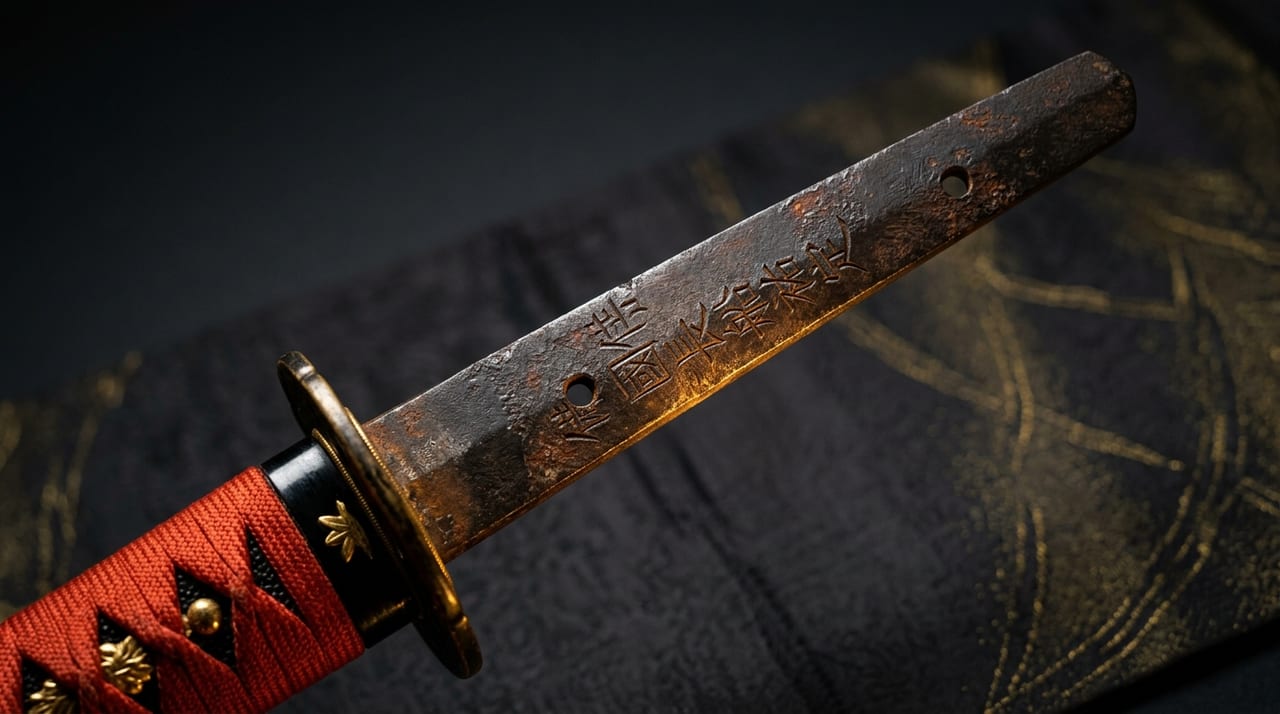
Thousands of tōkō exist in the history of the nihontō. Even if the mei "Kanasada" appears, the Nōshū Kanasada of the Muromachi period (commonly known as "Nosada") and the Bakumatsu-era shinshintō swordsmith Kanasada are different individuals, with different values and different criteria for authenticating them. The meikan prevents this kind of confusion and functions as a map for identifying the mei inscribed on the nakago.
Types and Characteristics of Major Tōkō Meikan
There are multiple types of meikan in wide use in Japan today.
| Meikan | Characteristics |
|---|---|
| Nihontō Taikan (supervised by Honma Junji and Satō Kan'ichi, 7 volumes, 1966–72) | A large-scale encyclopedia collecting extensive tōkō information organized by period and school, primarily consulted by researchers and museum professionals; highly academic. Source documents are cited for each tōkō, giving it strong credibility as a primary research resource. |
| Nihontō Kō Tōmei Taikan (by Iida Kazuo, Tankōsha) | A compact encyclopedia well-suited to practical use by collectors and enthusiasts. It concisely covers the reading of mei characters, provinces, periods, and the number of extant works, making it ideal for quick reference during appraisal. |
| Nihontō Gendai Tōkō Meikan | A meikan specializing in gendaitō (swordsmiths active since the Shōwa era who hold mukansa or certified tōshō status), a particularly important resource for collectors considering the purchase of contemporary works. |
| NBTHK (Society for the Preservation of Japanese Art Swords) Tōkō Database | Increasingly digitized and used alongside the verification of the authenticity of kanteisho. |
How to Read the Meikan — Practical Steps for Identifying a Tōkō from a Mei
When using the meikan to identify a tōkō, follow these steps.
- Read the mei characters - Accurately read the mei characters inscribed on the nakago. The mei of older tōkō are often engraved in cursive (sōsho) or semi-cursive (gyōsho) script, requiring knowledge of abbreviated character forms. Memorizing the characteristic forms of frequently appearing characters such as "Kane," "Kuni," "Masa," "Yuki," and "Mitsu" speeds up decipherment.
- Narrow down the province - Once the mei characters are read, narrow down the candidates by considering the province of origin (centered on the Gokaden of Bizen, Sōshū, Mino, Yamato, and Yamashiro, along with Satsuma, Echizen, Dewa, and others). The texture of the jigane and the characteristics of the hamon often indicate the province.
- Identify the period - The overall form of the blade (depth of sori, shape of kissaki, overall length) allows a rough estimate of the period, which can be matched to the meikan's period categories (kotō, shintō, shinshintō, gendaitō).
- Cross-reference in the meikan - Once candidates are narrowed down, consult the meikan to verify that the tōkō's name, art name, province, period, and working style are consistent. Cross-checking across multiple meikan improves the accuracy of authentication.
How to Read School Lineages — Tracing Master-Apprentice Relationships and the Flow of Technique
The meikan shows its true value in understanding school lineages. Since nihontō techniques are transmitted from master to apprentice, grasping the lineage reveals the technical background of a particular tōkō.
For example, Masamune — regarded as the pinnacle of Sōshū-den — had ten acclaimed disciples known as the "Jūtetsu of Masamune." Among them were noted masters from various regions, including Kanemitsu of Bizen and Gō Yoshihiro of Etchū, and the lineage columns of the meikan record how they brought Masamune's techniques back to their respective regions.
When reading lineages, it is important to distinguish between the direct line (biological sons or officially recognized disciples) and the collateral line (fellow disciples or disciples of the same school). Some meikan use notations such as "attributed to Masamune" or "Masamune tradition" to indicate collateral works, and understanding the lineage is indispensable for grasping the difference in value between such works and authentic pieces from the direct line.
Comparative Use Across Provinces and Periods
The meikan proves powerful not only when researching an individual tōkō but also in comparative studies by province and period. When researching what technical differences existed between the Bizen Osafune school and Sōshū-den in the same era, one can consult the meikan to review the tōkō lists for both provinces and search for traces of shared master-apprentice relationships or technical exchange.
The number of extant works recorded in the meikan is an important indicator of rarity. When a sword by a tōkō with only a few extant works appears on the market, the meikan serves as a direct reference for verifying that rarity.
In recent years, the digitization of meikan information has advanced. The NBTHK's public database and the Agency for Cultural Affairs' kokuhō (National Treasure) and jūyō bunkazai (Important Cultural Property) database allow official information on prominent tōkō to be checked online. However, digital databases tend to cover fewer tōkō than their printed counterparts. When researching obscure regional tōkō or works of uncertain period, consulting multiple printed meikan in parallel remains important.
For beginning collectors, it is recommended to keep a compact volume such as the Nihontō Kō Tōmei Taikan (by Iida Kazuo, Tankōsha) on hand and develop the habit of always checking the mei of any sword under consideration for purchase. Familiarity with the meikan is the most reliable path to gaining a panoramic view of the nihontō world across periods and schools. Familiarity with the tōkō meikan becomes the foundation of nihontō appreciation.