The Diplomatic Gift History of Nihontō — The Customs of Sword Diplomacy by Shoguns and Daimyo and Their Legacy Today
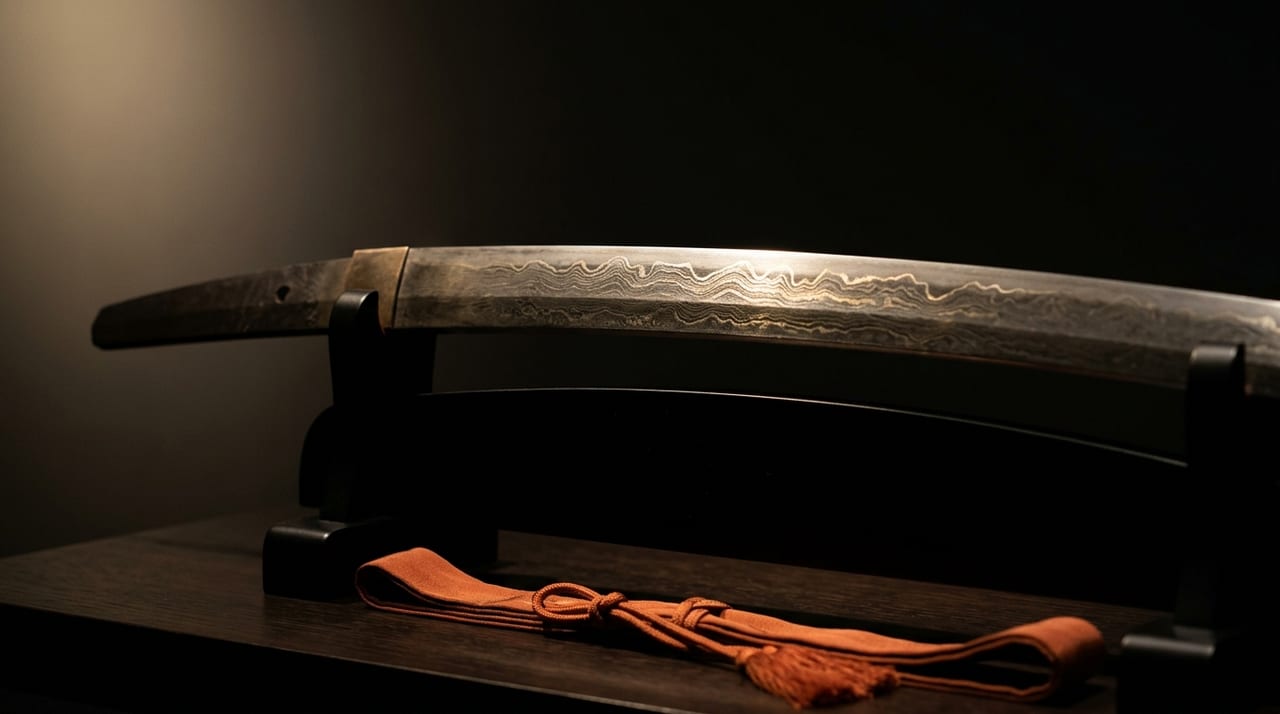 * Image is for illustrative purposes only.
Table of Contents
Nihontō as "the Language of Diplomacy"
Nihontō function as weapons, works of art, and objects of religious offering — but they hold one further important role: that of diplomatic tool. From the medieval period through the early modern era, Japan's rulers — the Muromachi shoguns, the Sengoku daimyo, and the Edo shogunate shoguns — made active use of swords as diplomatic gifts. This custom was not mere ceremony but a sophisticated act of diplomacy that conveyed political intent.
The thinking behind using swords in diplomacy rests on the symbolism they carry. A nihontō forged through thousands of hammer blows embodies the skill of its maker and the authority of its patron.
- For the recipient, it served as proof of status: "I have built a relationship with a ruler powerful enough to present gifts of this caliber."
- For the giver, it was a declaration: "I am a ruler possessed of the finest craft and the means to command it."
The Ashikaga Shogunate and Sword Diplomacy with Korea and Ming China
During the Muromachi period, nihontō were highly regarded as trade goods across East Asia. With the Joseon dynasty in particular, sword exchanges took place in parallel with negotiations to resolve the problem of the Wakō pirates. The Korean chronicle Joseon Wangjo Sillok contains numerous records of Japanese envoys arriving with swords.
When Ashikaga Yoshimitsu (in office 1369–1394) initiated the tally trade with the Ming dynasty, swords were among the major items Japan exported to Ming. Nihontō, known in Ming as wato, were prized for their sharpness and were in particular demand as weapons for coastal defense. Swords sent as formal gifts were not mass-produced swords but carefully selected pieces made by prominent tōkō.
When the shogunate procured swords to present to Korea and Ming, it typically did so by placing special orders with the master craftsmen of the day — swordsmiths of schools such as the Bizen Osafune School and the Yamato Tegai School. Diplomatic swords were finished with greater care than ordinary commission pieces, and lavish koshirae were chosen for them. For this reason, "a diplomatic sword commission" was both an honor and a highly remunerative commission for a tōkō.
Sword Gifts with the Ryukyu Kingdom
The Ryukyu Kingdom (present-day Okinawa) flourished as an entrepôt for the Sino-Japanese trade and was a key node in the exchange network linking Japan, China, and Southeast Asia. From the Muromachi period through the Sengoku period, sword exchanges were repeatedly made between the Ryukyuan kings and the Japanese side — the shugo daimyo and, later, the Shimazu clan.
Even after the Shimazu clan invaded the Ryukyu Kingdom in 1609, the Satsuma domain allowed the Ryukyu Kingdom to continue in formal existence and exploited the clandestine trade route with China running through Ryukyu. The records of the Shimazu clan show that swords made by Satsuma tōkō were included among the gifts to the Ryukyuan kings. It is said that swordsmiths of the Naminohira line in Satsuma forged swords specially for the Ryukyuan royal house.
In present-day Okinawa, no distinct "Ryukyuan sword" culture developed, but nihontō undeniably served as a diplomatic medium that bound Ryukyu to the Japanese mainland.
The Dutch East India Company and Nihontō — Gift-Giving Customs at Dejima, Nagasaki
Even under the closed-country system of the Edo period, trade with the Dutch continued through Dejima in Nagasaki. The trading-post director (Opperhoofd) of the Dutch East India Company (VOC) made regular Edo sanpu (formal audiences with the shogun), on which occasions they brought rarities and imported goods to the shogunate as "Dutch tribute."
Notably, as a return gift for these audiences with the shogun, the shogunate would at times present nihontō to the Dutch side. Shogunate diplomatic documents contain records of katana, wakizashi, and short blades presented as return gifts to the Opperhoofd. Reports sent by the Dutch trading post to Batavia (present-day Jakarta) also mention the receipt of nihontō, and there are cases of nihontō reaching Europe via the VOC.
Apart from these official diplomatic gifts, nihontō also flowed abroad at the private level through merchants in Nagasaki. The Edo shogunate imposed certain restrictions on the export of swords, but swords recognized as diplomatic gifts were treated as exceptions.
Nihontō Diplomacy in the Modern and Contemporary Era — The Transformation of Gift-Giving Customs
After the Meiji Restoration, diplomatic forms shifted to Western-style protocols, but the practice of offering nihontō as national gifts did not disappear entirely. Records show that Emperor Meiji chose swords for certain foreign dignitaries, and nihontō were used in diplomacy specifically as imperial bestowed gifts (okashitamaihin).
After the Second World War, following the era of GHQ sword confiscation and bans on possession, the diplomatic standing of nihontō changed greatly. Nevertheless, since the period of high economic growth, there have been continuing cases of Japan's national leaders and the Imperial Family presenting nihontō and tōsōgu of cultural-property value to foreign heads of state.
In the modern era, the diplomatic gifting of nihontō has taken on a stronger meaning of "sharing cultural value." A cycle has emerged in which foreign heads of state who receive nihontō donate them to or display them in their countries' museums, thereby contributing to the international dissemination of Japanese culture.
Major Examples of Sword Diplomacy (by Era)
| Era | Counterpart | Content of Exchange |
|---|---|---|
| Muromachi period | Joseon dynasty · Ming China | Gifts accompanying negotiations to resolve the Wakō problem; export of wato in the tally trade; special orders to master tōkō of schools such as the Bizen Osafune School and the Yamato Tegai School |
| Sengoku through Edo period | Ryukyu Kingdom | A gift-exchange relationship that continued even after the Shimazu invasion; special uchigatana forged by Satsuma's Naminohira-line tōkō |
| Edo period | Dutch East India Company (Dejima, Nagasaki) | Presentation of katana, wakizashi, and short blades as return gifts for the Edo sanpu; cases of nihontō reaching Europe via the VOC |
| Meiji period onward | Foreign dignitaries · Imperial Family | Sword gifts as imperial bestowed gifts (okashitamaihin); after the war, presentation of nihontō and tōsōgu of cultural-property value |
Implications for the Sword Industry — The Custom-Order Culture of Diplomatic Swords
Viewed historically, diplomatic swords occupied a status as "custom-ordered pieces" distinct from swords on the general market. When the shogunate or daimyo houses commissioned specific tōkō to make diplomatic swords, the standing of those tōkō rose, and the swords they produced were sometimes preserved in the historical record.
In the contemporary sword industry as well, public institutions, companies, and private individuals commission contemporary tōshō to produce swords "for presentation to foreign nationals." This demand for diplomatic and cultural gifting is forming a new market in which swords are treated not as consumer goods but as media of cultural diplomacy. There is potential for the sword industry to open new clientele and sales channels by partnering with international cultural exchange initiatives.