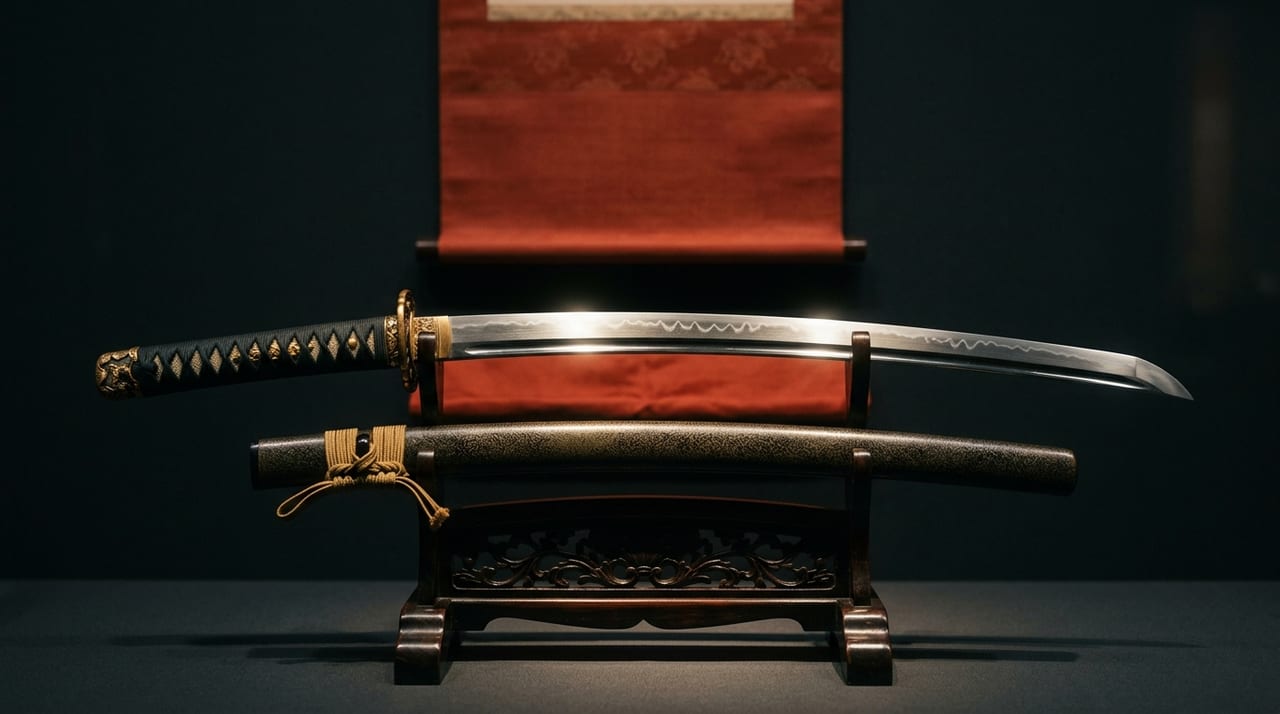
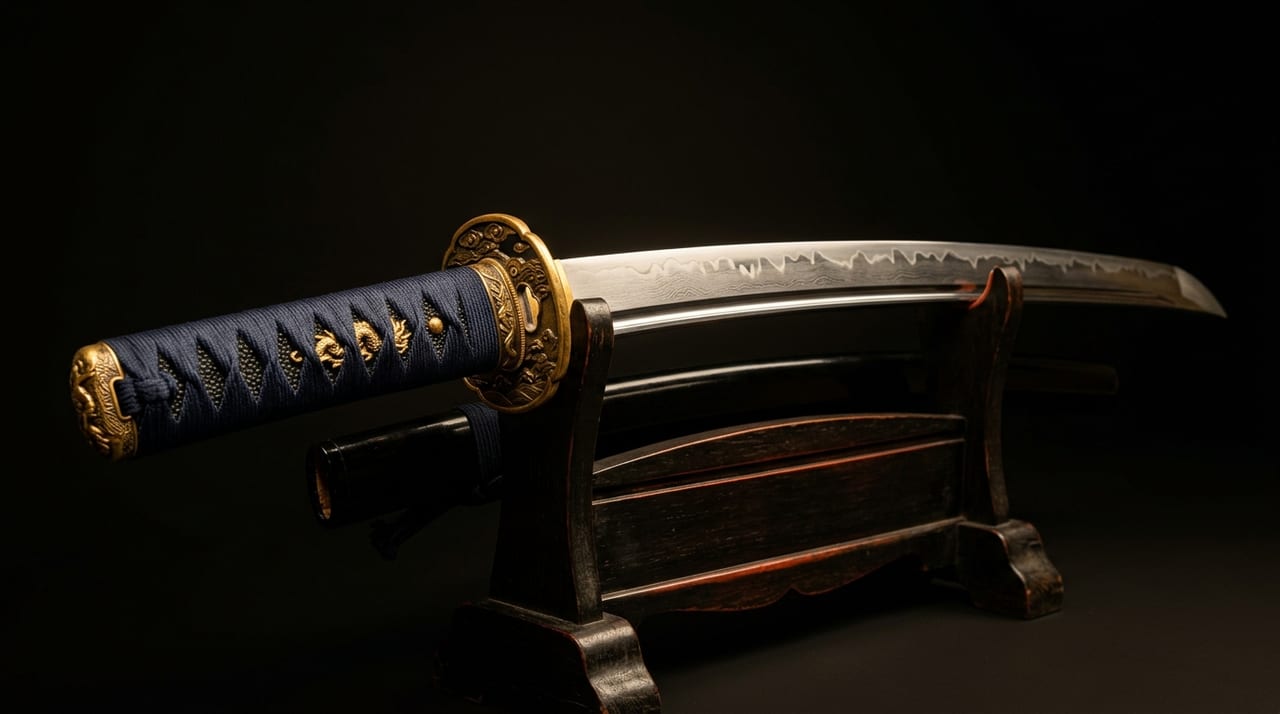
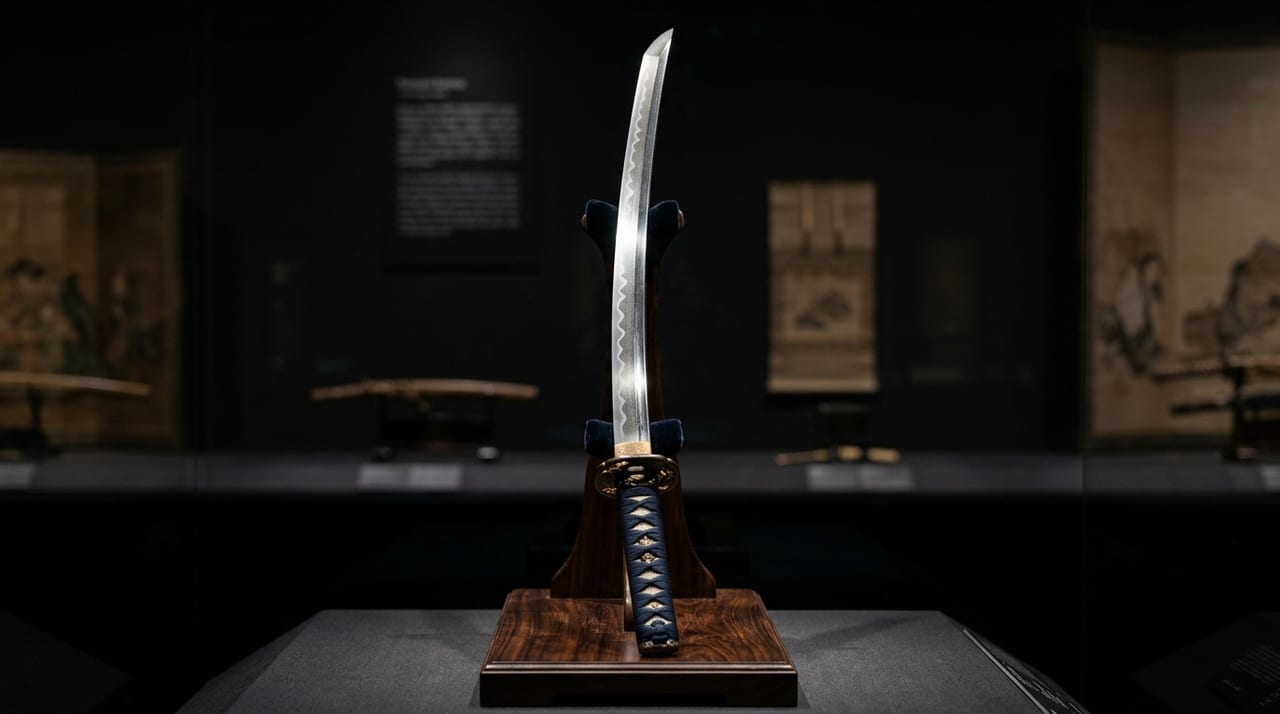
Climate-Controlled Storage Demand for Art and Antiques: Professional Storage Services for Japanese Swords
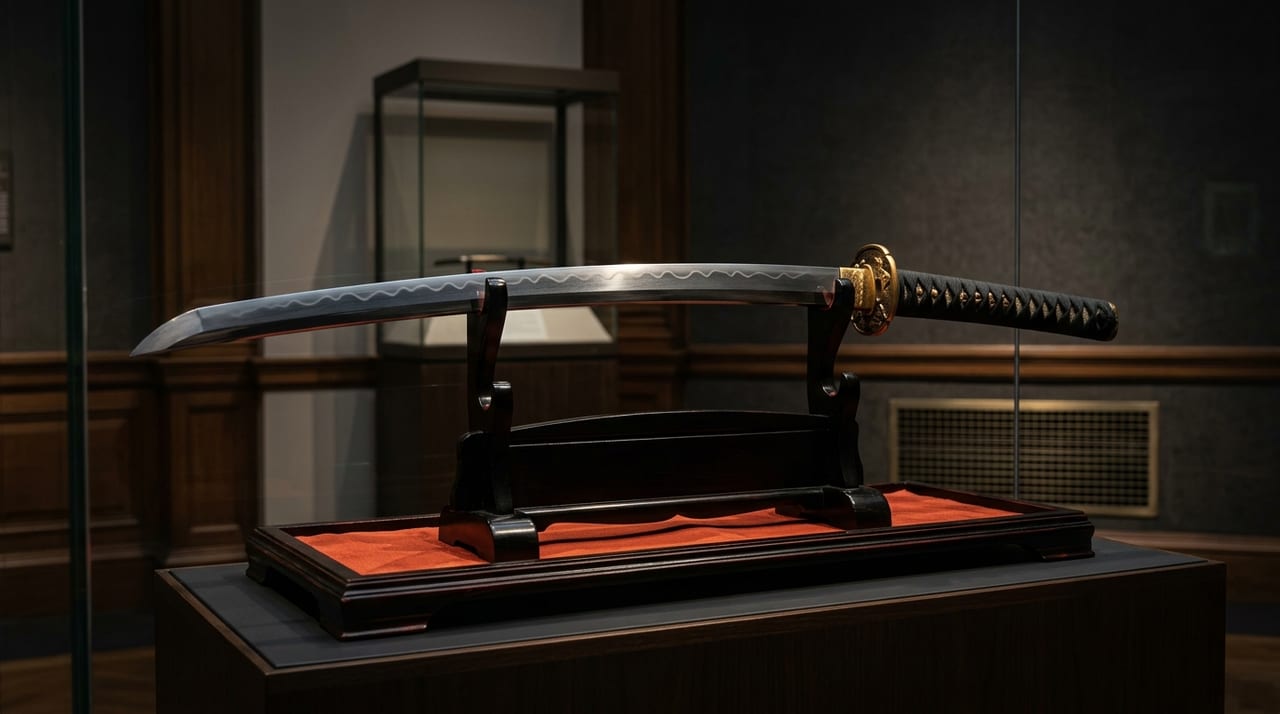 * Image is for illustrative purposes only.
Table of Contents
Limitations of Home Storage and Growing Interest in External Storage Services
Japanese swords are assets for which proper storage conditions—including temperature, humidity, and security—are essential for long-term enjoyment. However, urban homes have limited storage space, and apartment dwellers find it difficult to secure dedicated space for maintaining proper temperature and humidity levels. When multiple swords come into one's possession through inheritance or estate settlement, or when a collection outgrows home storage capacity, more owners are considering external storage services. This trend is not limited to swords but is a common challenge across fine art and antiques, including Japanese paintings, Western paintings, ceramics, and hanging scrolls.
Differences Between General Storage Units and Fine Art Storage Services
The term "storage unit" covers two fundamentally different forms in practice.
- Self-managed storage units (rental storage spaces): A form similar to real estate leasing where users manage their own items. Temperature and humidity control and security levels vary significantly by facility, and sections without air conditioning that become hot and humid in summer are not uncommon
- Consignment storage services based on the Warehouse Law: A form where warehouse operators assume responsibility for goods under a duty of care, and operators with specialized plans for fine art and antiques offer comprehensive temperature and humidity control, security measures, and fire prevention.
| Storage Type | Management Responsibility | Temperature/Humidity Control |
|---|---|---|
| Self-managed storage units | User | Varies significantly by facility |
| Consignment storage under Warehouse Law | Warehouse operator (duty of care) | Constant management with specialized plans |
| Consignment to museums | Receiving institution | Strictly managed by academic standards |
When storing delicate artworks like swords for extended periods, it is important to choose a storage service based on a consignment contract with clear delineation of management responsibility, rather than simply renting storage space.
Why Temperature and Humidity-Controlled Storage Is Essential
The primary factors in Japanese sword deterioration are rust caused by humidity fluctuations and shrinkage of the saya and tsuka due to drying. Professional storage services maintain temperature and humidity within a set range and may include ultraviolet-blocking lighting design and selection of placement locations accounting for earthquakes and flooding. Specific methods for home temperature and humidity management (such as selecting a katana storage box and performing airing-out procedures) are explained in another article, so a practical approach is to first identify what can be managed at home, then entrust the excess to external services.
While residential storage areas are shrinking, particularly in urban areas, the frequency of fine art and antiques being transferred at once due to inheritance from elderly generations is increasing. These structural factors underpin demand for temperature and humidity-controlled storage services aimed at individuals. Although swords, as metal artworks, appear durable at first glance, rust actually develops rapidly due to humidity fluctuations, and once rust reaches the hamon, it may not fully recover even with re-sharpening. Investment in storage conditions can be positioned as a preventive measure to reduce future polishing and restoration costs.
Specific Scenarios Where Storage Services Prove Useful
External storage services are more likely to be chosen for specific situations rather than constant use.
- A place to store items during moving or renovation when home storage conditions cannot be maintained temporarily
- Distributed storage for the portion of a collection that no longer fits in home katana storage boxes or wooden chests
- A temporary storage facility until inheritance procedures are completed (when managing multiple swords together before title transfer)
- Storage during extended periods away from home, such as overseas assignment or moving to a facility
Considerations When Evaluating Storage Services
When selecting a fine art storage service, you should confirm the following points in advance.
- Whether there is a track record of temperature and humidity management and disclosure of set values (recommended range: 15–25°C temperature, 50–60% relative humidity)
- Whether movable property insurance against damage or theft during storage is included or if separate enrollment is necessary
- Whether the frequency of retrieval and procedures for temporary removal for viewing are practical
- Whether the conditions for terminating a consignment contract and the method for confirming the location of stored swords are clear
Since insurance and title transfer procedures related to inheritance are separate from storage service contracts, it is reassuring to organize necessary documents and procedures in advance and confirm them together.
Summary
Interest in temperature and humidity-controlled storage services for fine art and antiques is growing due to two factors: changes in housing conditions and expansion of collections. Because the level of management responsibility differs between general self-managed storage units and professional consignment services based on the Warehouse Law, it is essential to verify the actual conditions of the latter when storing delicate assets like swords. If you wish to review home storage methods, please also refer to Japanese Sword Storage Environment Management — Proper Use of Temperature and Humidity, Storage Boxes, Pest Prevention, and Polishing Powder, and Long-Term Storage Risks.