Financing Against Japanese Swords: Pawnbroking and Leaseback as Options
 * Image is for illustrative purposes only.
Table of Contents
Japanese Swords as an Asset with Liquidity Challenges
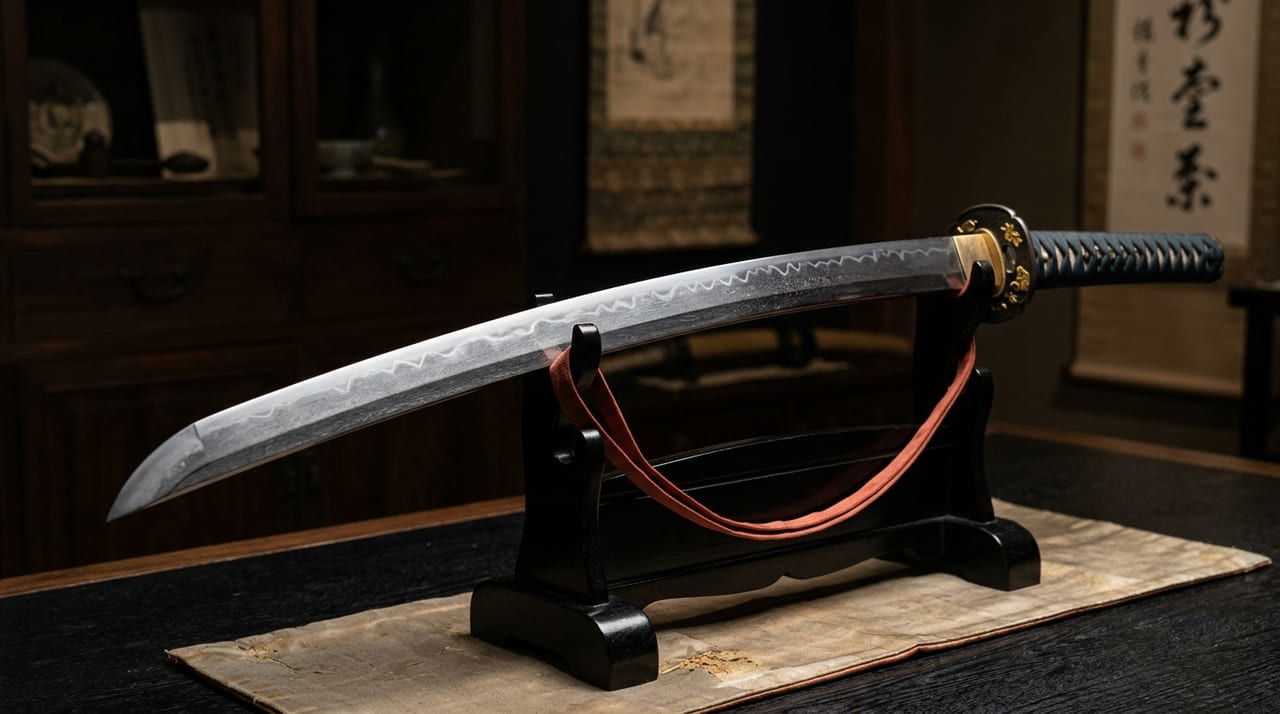
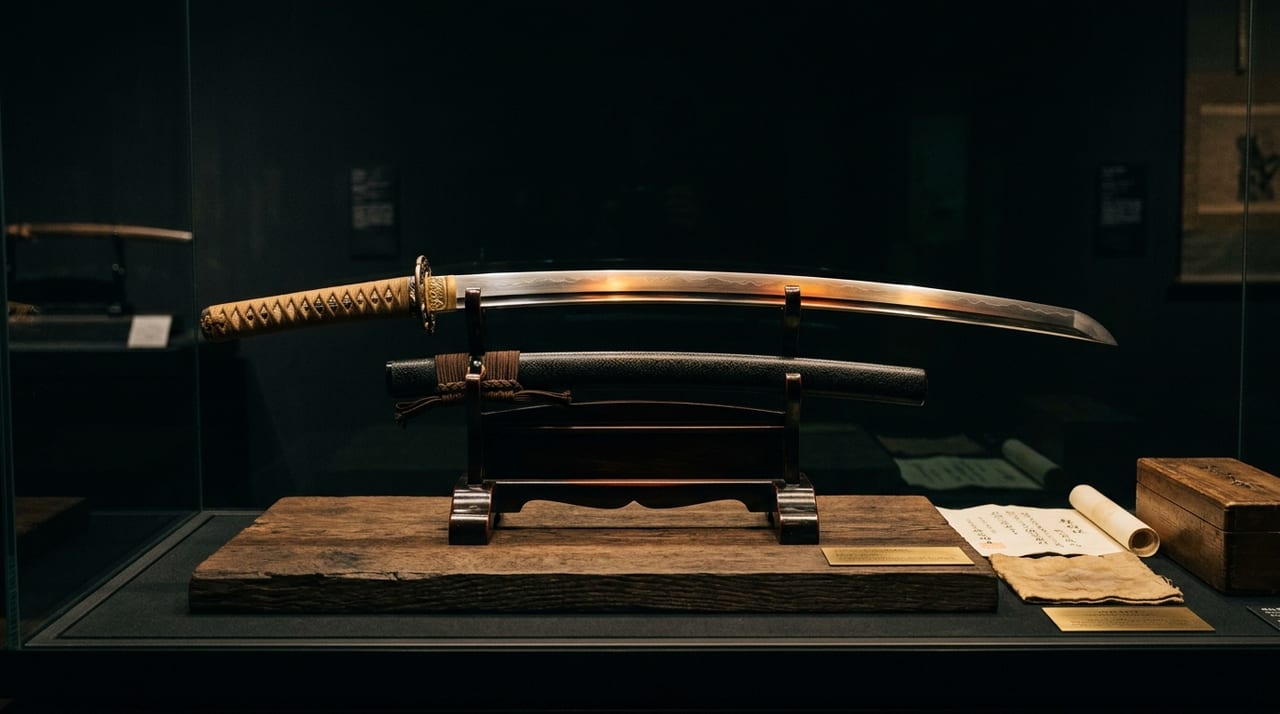
Japanese swords can have appraisal values as an art object ranging from several hundred thousand yen to several million yen, yet they are also assets with limited pathways to conversion into cash. Unlike real estate, there is no standardized system for financial institutions to directly evaluate them as collateral, and many owners are unaware of methods to "obtain funds while keeping the blade in hand" when sudden financial needs arise. Requests to obtain funds without parting with swords inherited through succession or collections built up over many years are not uncommon in the antiques and fine arts industry. Here we organize the practical aspects of fundraising using Japanese swords, focusing on two main options: pawn shops and leasebacks.
How to Raise Funds Using a Pawn Shop
A pawn shop, operating under the Pawn Shop Business Law, is a business that accepts personal property as collateral (pawned items) and provides loans based on a certain percentage of the appraised value. Opening a pawn shop requires permission from the prefectural public safety commission, and it is a separate category from antique dealer licenses. The mechanism can be organized as follows:
- When pawning, the pawn shop conducts an appraisal of the pawned item as well as identity verification of the customer
- The loan amount is generally estimated at fifty to seventy percent of the appraised value of the pawned item
- If the principal and interest are repaid within a set period (generally around three months, with possible extensions by contract), the pawned item is returned
- If the debt is not repaid within the deadline, the item goes to "pawn forfeit," and ownership of the pawned item transfers to the pawn shop
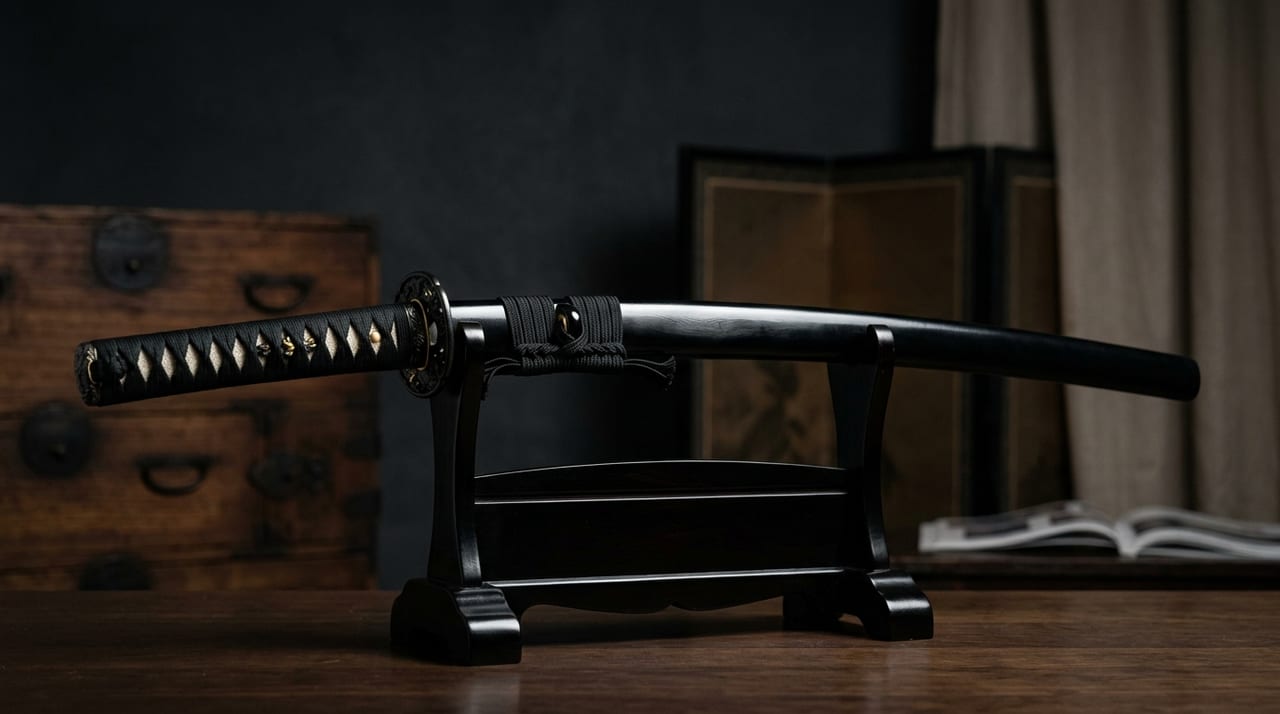
A unique consideration when using a Japanese sword as a pawned item is how to handle the registration certificate based on the Swords and Firearms Control Law. Because Japanese swords can only be legally possessed and transferred together with a registration certificate issued by the Board of Education, the pawn shop must accept both the blade and the certificate, and procedures equivalent to a name change are necessary when the item is forfeited. Furthermore, for the pawn shop, Japanese swords are pawned items that require specialized knowledge in authentication and storage environment management, so pawn shops specializing in swords are limited even among those dealing in antiques more broadly. Records from the Edo period show that armor and swords were handled as pawned items, so the history of swords being treated as objects of personal property-backed financing is quite old.
The Reality of Leaseback as an Option
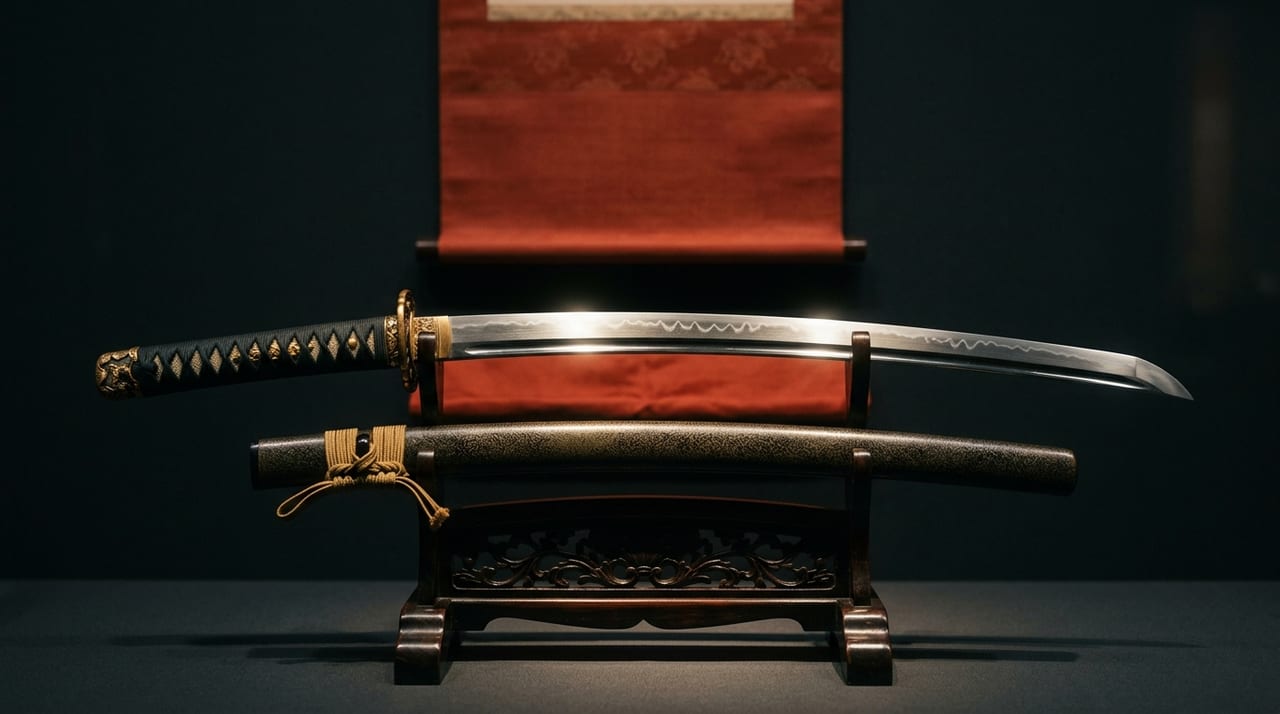
A leaseback is a mechanism in which an asset is sold once and converted into funds, then a contract is made with the purchaser to continue using the asset. In the fields of real estate and factory equipment, "sale-and-leaseback" is an established financial technique, but applying the same framework directly to art pieces and antiques such as Japanese swords remains limited in practice. Unlike real estate or equipment, Japanese swords are not assets premised on everyday "use," so leasebacks operate more as "sales with buyback conditions (a form close to repo transactions)" in actual practice. Some specialized dealers in art objects do assemble such transactions with buyback conditions through individual negotiation, but it is important to understand that these are not provided widely as standardized products.
| Means | Asset Ownership | Possession in Hand |
|---|---|---|
| Pawn shop (pawning) | Pawn shop (only after forfeiture) | Stored by pawn shop until repayment |
| Leaseback / Sale with buyback conditions | Transfers to purchaser | Depends on contract (mostly stored by purchaser) |
| Fine art collateral loan | Remains with owner | Includes cases where owner continues storage |
Financing Methods Other Than Pawn Shops and Leasebacks
As means to obtain funds while retaining a Japanese sword, the following options are also worth considering:
- Specialized loans secured by fine art and antiques (handled by some financial institutions and specialized dealers)
- Partial sale following trusted appraisal (selling part of a collection while retaining the rest)
- Ascertaining appraisal value in preparation for inheritance or lifetime gifts, and front-loading financial planning
With any of these methods, the authenticity, preservation condition, and presence or absence of a registration certificate of the sword itself significantly influence the appraised value. Confirming the condition of the blade and the completeness of supporting documents before requesting an appraisal is decisive for the success of fundraising efforts. Particularly when a registration certificate has been lost, procedures for reissuance from the Board of Education are necessary, and it is important to be aware that the time until liquidation may be longer than expected.
Summary
Pawn shops and leasebacks using Japanese swords as collateral, while not as institutionalized as real estate collateral financing, exist as options in the practice of personal property financing. In particular, pawn shops have a clear legal framework through the Pawn Shop Business Law, and swords can potentially become collateral if the registration certificate is handled correctly. Leasebacks, on the other hand, are still a developing method in the fine arts field, with actual practice closer to individual negotiations involving transactions with buyback conditions. When considering fundraising, the starting point is to first understand what level of appraised value your sword possesses. To get a sense of sword market prices, the perspective on alternative fundraising methods introduced in Japanese Swords and Hometown Tax Donations and Crowdfunding—Modern Fundraising Supporting Traditional Crafts may also be useful as a reference.