Nihontō, Furusato Nōzei, and Crowdfunding: Modern Fundraising in Support of Traditional Craft
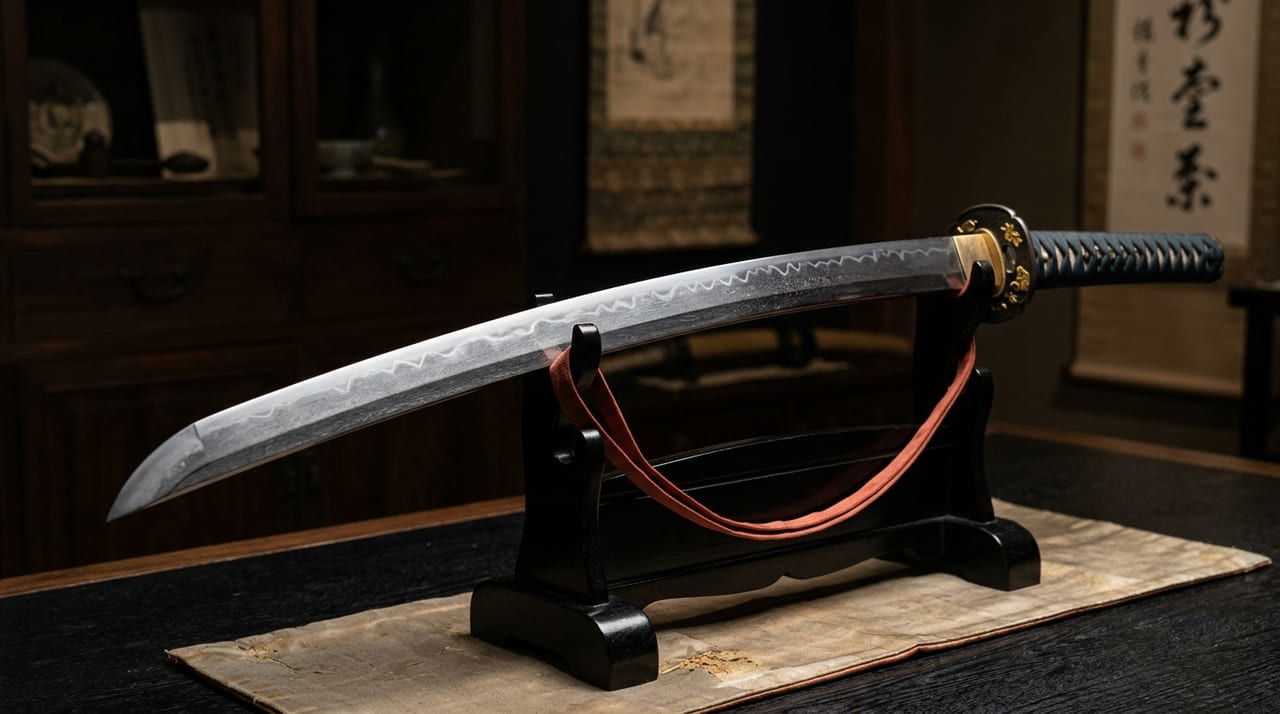 * Image is for illustrative purposes only.
Table of Contents
Furusato Nōzei and the Nihontō Industry: Points of Connection
Nihontō have long been highly regarded as traditional craft objects for their overwhelming beauty and historical value. In recent years, however, the sword industry has faced a dual challenge: a serious shortage of successors and chronic underfunding. Against this backdrop, two modern fundraising mechanisms — furusato nōzei and crowdfunding — have been breathing fresh life into the sword industry.
Within the furusato nōzei system, sword-related return gifts have long enjoyed a certain level of demand. Iai swords and replica swords crafted by tōshō, as well as reproductions of tōsōgu, have been offered as return gifts; in recent years, however, "experiential" return gifts — such as genuine tōshō works, sword-forging experiences, and workshop tours — have begun attracting significant attention. In Okuizumo-chō, Shimane Prefecture, a collaboration with Nittōho Tatara — the tatara smelting facility operated by the NBTHK — led to a return gift offering a hands-on experience of crafting tōsōgu from tamahagane, drawing interest from across the country.
New Possibilities Opened by Crowdfunding
Crowdfunding is coming to function as a more direct fundraising tool for the sword industry. Tōkō who previously had no choice but to rely on support from a limited circle of wealthy collectors and industry insiders have now gained a path to raise funds broadly from general supporters via the internet.
A representative example is the case of a young tōshō who used crowdfunding to raise funds for expanding a kaji workshop. Against a target of 3,000,000 yen, support ultimately exceeded 5,000,000 yen. Many of the supporters were fans of Tōken Ranbu (Tōrabu) and members of the general public with an interest in traditional crafts — a new demographic the sword industry had previously been unable to reach. In return, video streaming of the production process, opportunities for workshop visits, and custom-made small blades engraved with supporters' names were offered.
Industry Transformation Brought by the Diversification of Fundraising
The spread of furusato nōzei and crowdfunding is fundamentally transforming the fundraising structure of the sword industry.
- Cultivating new customer demographics: Traditional nihontō are high-priced items, so the number of customers who can purchase them has been limited. Crowdfunding, however, allows people to engage with a tōshō's activities through contributions of a few thousand to tens of thousands of yen, functioning as an entry point to draw in what might be called a "reserve army of sword fans." There is also a strong possibility that such supporters will develop into purchasing customers in the future.
- Strengthening ties with producing municipalities: Municipalities that have developed sword-related return gifts through furusato nōzei have been deepening their relationships with local tōkō, and there is a growing number of cases in which they have expanded subsidies for successor development and workshop equipment investment. In Seki-shi, Gifu Prefecture, a return gift combining a tōshō workshop visit with a sword-forging experience has proved popular, and a synergistic effect with regional tourism has also emerged.
- Enhanced communication capacity: Crowdfunding project pages serve as venues for introducing a tōshō's techniques and philosophy in detail, and they frequently become the catalyst for media coverage. Successful projects spread across social media, offering opportunities to reach nihontō fans overseas as well.
Key Lessons from Success Cases and Failures
There are several important points for making furusato nōzei and crowdfunding successful.
Keys to success
- The power of story: Simply saying "I make swords" has little appeal. Sharing a tōshō's background, their relationship with their teacher, and a concrete vision of what kind of sword they aim to create makes it easier to win supporters' empathy.
- Design of return gifts: Experiential and informational return gifts — such as workshop visits, live streaming of the forging process, and production progress reports — resonate even with those who cannot bring themselves to purchase a high-priced sword.
Lessons from failures
- Misjudging the target amount: On platforms that use the all-or-nothing model (full refund if the target is not reached), setting the target amount too high leads to failure.
- Lack of ongoing communication: Neglecting to continue sending out information after a project ends is also a cause of supporters drifting away.
Applying the Approach to International Expansion: The Potential of English-Language Crowdfunding
Fundraising targeting overseas audiences through English-language platforms (such as Kickstarter and Indiegogo) is also attracting attention, not limited to the domestic market. Nihontō enjoy high international name recognition, and there are many avid collectors especially in North America and Europe. However, it is necessary to overcome the challenges of the language barrier and export procedures (such as the Agency for Cultural Affairs' export inspection certificate for old art objects and the return of the registration certificate) (Tokyo Metropolitan Board of Education, "When Exporting Firearms and Swords").
In one reported case where a tōshō launched a YouTube channel to share their work in English, built a community with overseas fans, and then ran a crowdfunding campaign, approximately 40% of supporters came from abroad.
Outlook for the Future
Furusato nōzei and crowdfunding are bringing a "democratization" of fundraising to the nihontō industry. By proactively making use of these new mechanisms across the industry as a whole, there is potential to secure the funds needed to address medium- to long-term challenges such as investment in successor development, modernization of equipment, and the opening of overseas markets.
Nihontō are transforming from works of art that "only those who can buy them can engage with" into cultural heritage that "anyone can engage with through support." That transformation holds important significance when considering the sustainability of nihontō as traditional craft.