Appraisal and Assessment Services at Sword Dealers — Differences Between General Antique Shops, Antique Markets, and Specialist Sword Dealers, and How to Use Them Wisely
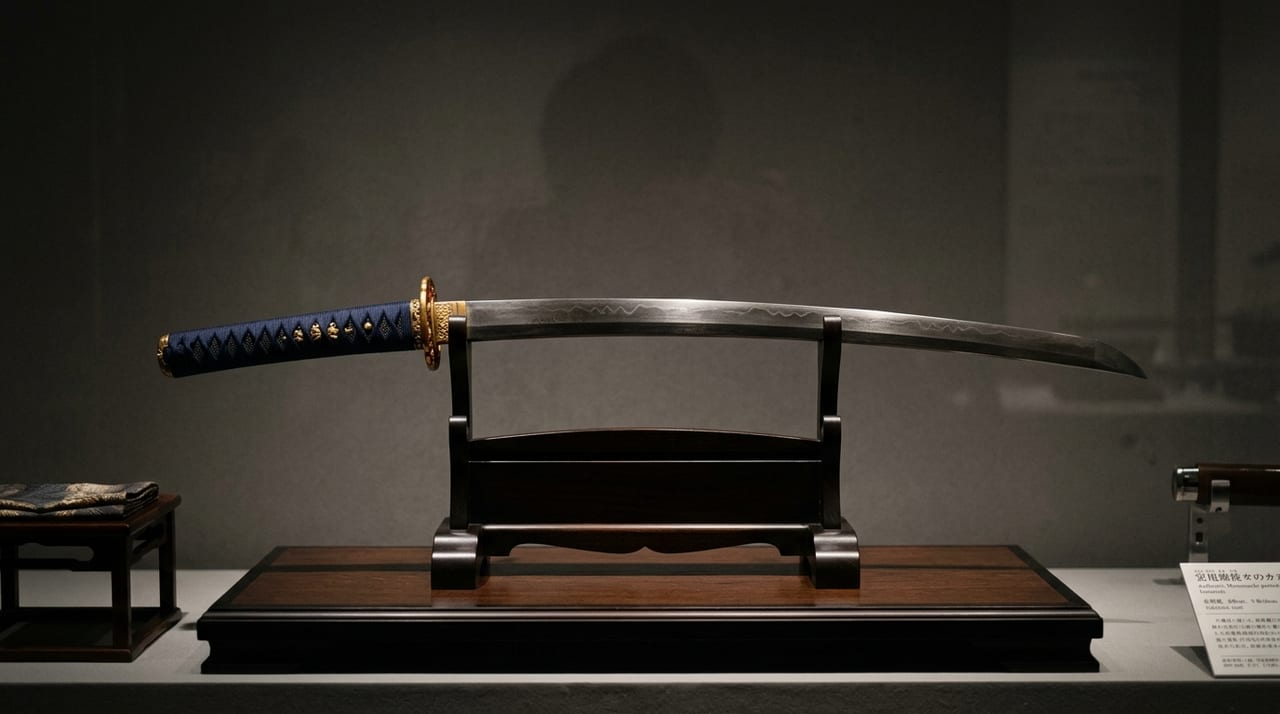 * Image is for illustrative purposes only.
Table of Contents
The Realities of Nihontō Appraisal and Assessment — Choosing the Right Dealer
A nihontō is not merely a weapon but a work of art that embodies its maker, its era, and its provenance. Assessing its value demands expert judgment. General antique shops, antique markets, and specialist sword dealers each have their own distinct approach to appraisal and assessment. Choosing the right venue is therefore crucial to obtaining an accurate valuation of a sword.
The Reality of Assessment at General Antique Shops
General antique shops in town deal in a wide variety of items, including nihontō. Understanding their characteristics and limitations is key to making an informed decision when using them.
Advantages of general antique shops: They are conveniently located and often require no appointment during business hours; there is also the convenience of being able to bring in weapons, artwork, and other items alongside a sword.
Drawbacks of general antique shops: Staff knowledge of nihontō is limited in most cases. It is not uncommon for assessments to be carried out by personnel unable to accurately evaluate whether a kanteisho (appraisal certificate) is present, whether a mei (signature) is genuine, or what the hamon (temper line) reveals. As a result, the assessed value offered tends to be lower than the sword's actual worth.
Keep in mind when bringing a sword to a general antique shop: treat the assessment as a "reference figure" and consider comparing assessments from multiple shops.
Making Practical Use of Antique Markets
Regularly held antique markets are venues where nihontō enthusiasts gather. Many vendors deal in swords and tōsōgu (sword fittings), and on-the-spot consultations are possible.
Advantages of antique markets: Multiple specialists can be consulted at the same time; prices tend to reflect market rates; and there may be opportunities to sell directly.
Cautions when using antique markets: Vendor quality varies widely and accurate appraisal is not guaranteed. There are vendors who will insist a sword is by a "famous tōkō (swordsmith)" based on superficial impressions alone, so always confirm whether a kanteisho is present.
Caution is required when determining value: seek opinions from multiple vendors and verify the consistency of their reasoning.
The Role of Specialist Sword Dealers and How to Choose One
Specialist sword dealers are businesses that deal exclusively in nihontō. Their reliability and expertise have a major bearing on the user's ultimate satisfaction.
Strengths of specialist dealers: Accurate authentication of mei, precise evaluation of technical features such as hamon, an understanding of restoration history, and liaison with appraisal institutions (Nittoho) can all be expected. Many also offer restoration services and can advise on storage and maintenance.
Points to check when choosing a specialist dealer:
- Confirm whether the dealer holds official qualifications or accreditations related to nihontō
- Ask about their track record (the number of notable swords they have handled)
- Confirm whether they can issue a kanteisho and whether they work with a recognized appraisal institution
- Check whether they have an established network of restoration specialists
- Confirm whether they offer transparent pricing and written estimates
Choosing a specialist dealer with a proven track record and a commitment to transparency leads to a fair and accurate valuation of the sword.
The Appraisal and Assessment Process
Evaluating a nihontō requires assessment from multiple perspectives.
Confirming the mei: Determining whether the tōkō's inscription is authentic and consistent with the period. False mei are common, and an error at this stage throws off the entire assessment.
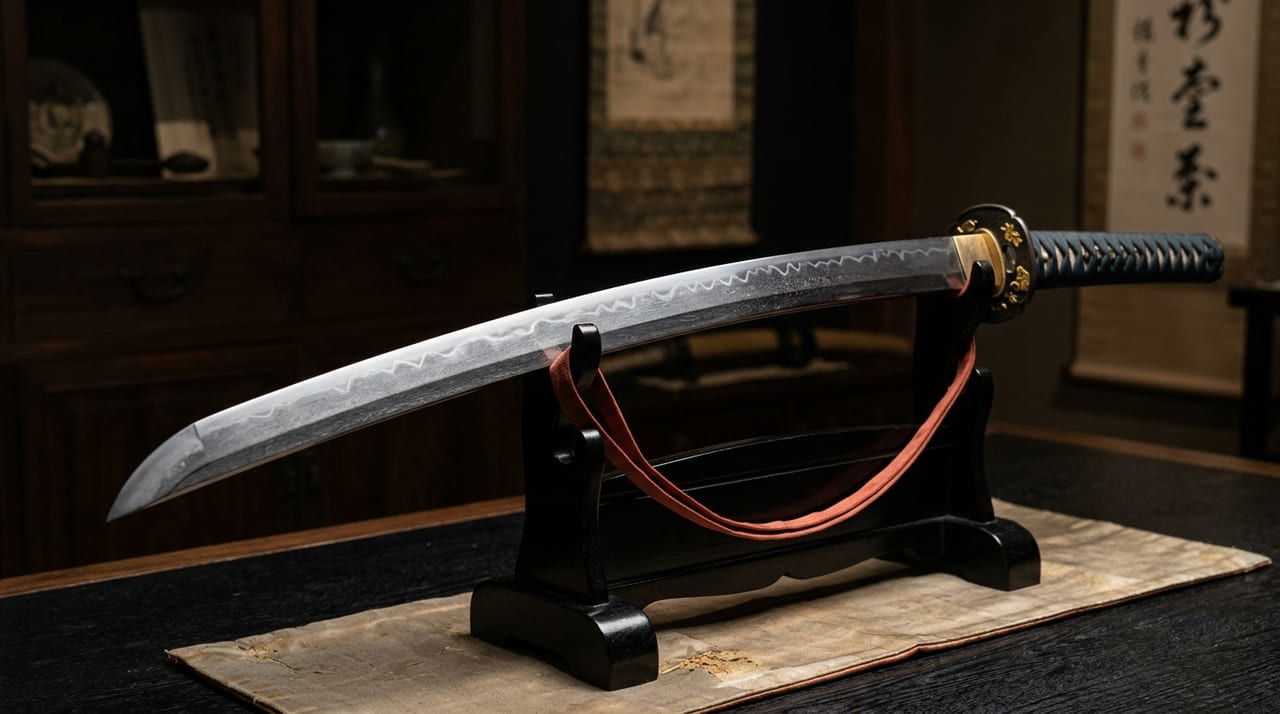
Evaluating the hamon: Reading the wavy pattern along the cutting edge to assess the tōkō's level of skill and the characteristics of the period. The hamon is a powerful indicator of the era of production.
Condition of the jihada (grain pattern of the steel): The polish and any scratches on the surface of the blade. Condition is directly linked to value.
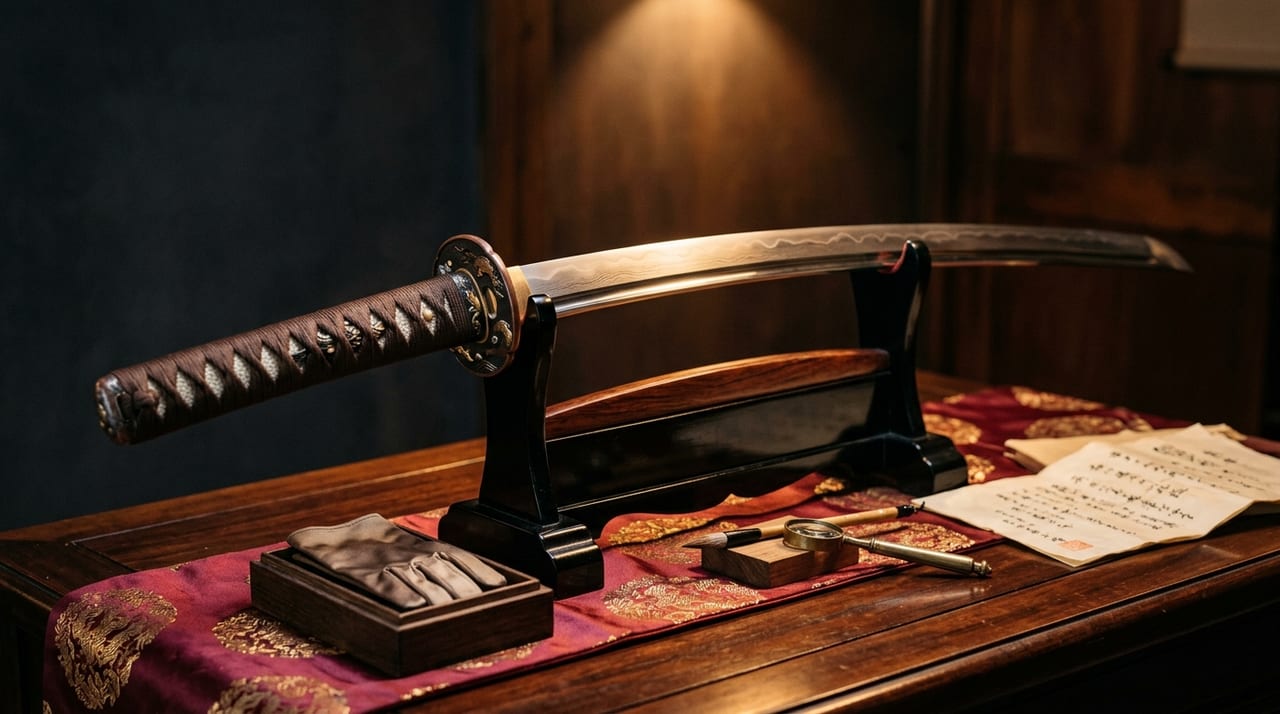
Checking accompanying items: The presence or absence of a kanteisho, storage box, and documentation affects the confidence of potential buyers.
An appraiser evaluates these factors in combination before delivering a final verdict. An appraisal that has been verified by multiple specialists carries the highest degree of reliability.
Strategies for Getting the Best Result
Selling or buying a nihontō requires an understanding of market mechanisms.
When selling: Obtain assessments from multiple dealers and verify the reasoning behind each. Assessments from specialist dealers are useful as a reference, but since the buyer ultimately determines market demand, it is important to remain flexible and consider multiple options.
When buying: Purchasing from a trustworthy specialist dealer helps avoid problems later. Relying on price alone carries considerable risk.
Using general antique shops, antique markets, and specialist dealers according to one's purpose, and seeking multiple perspectives before reaching a conclusion, is the wisest approach to nihontō transactions.