Naginata-naoshi — The Technique and Cultural Background of Converting Naginata into Uchigatana from the Muromachi to Edo Period
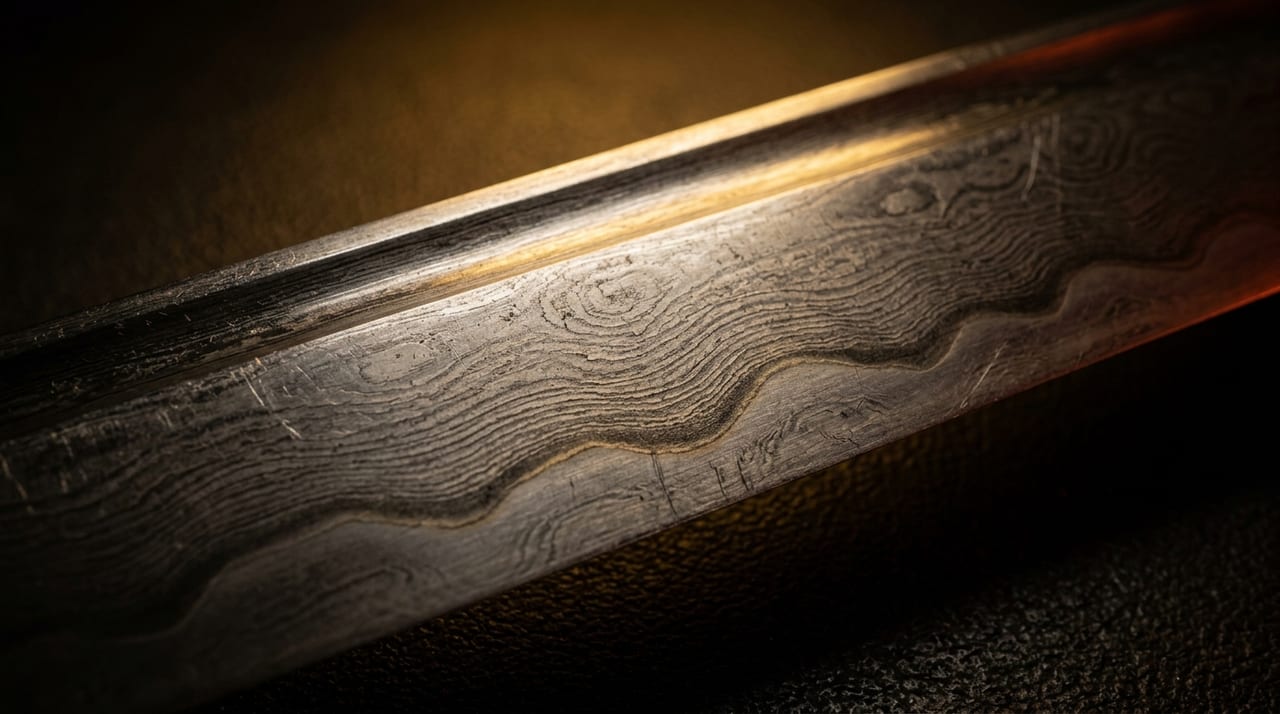 * Image is for illustrative purposes only.
Table of Contents
What is naginata-naoshi — The Mystery of Weapon Repurposing in the History of Japanese Swords
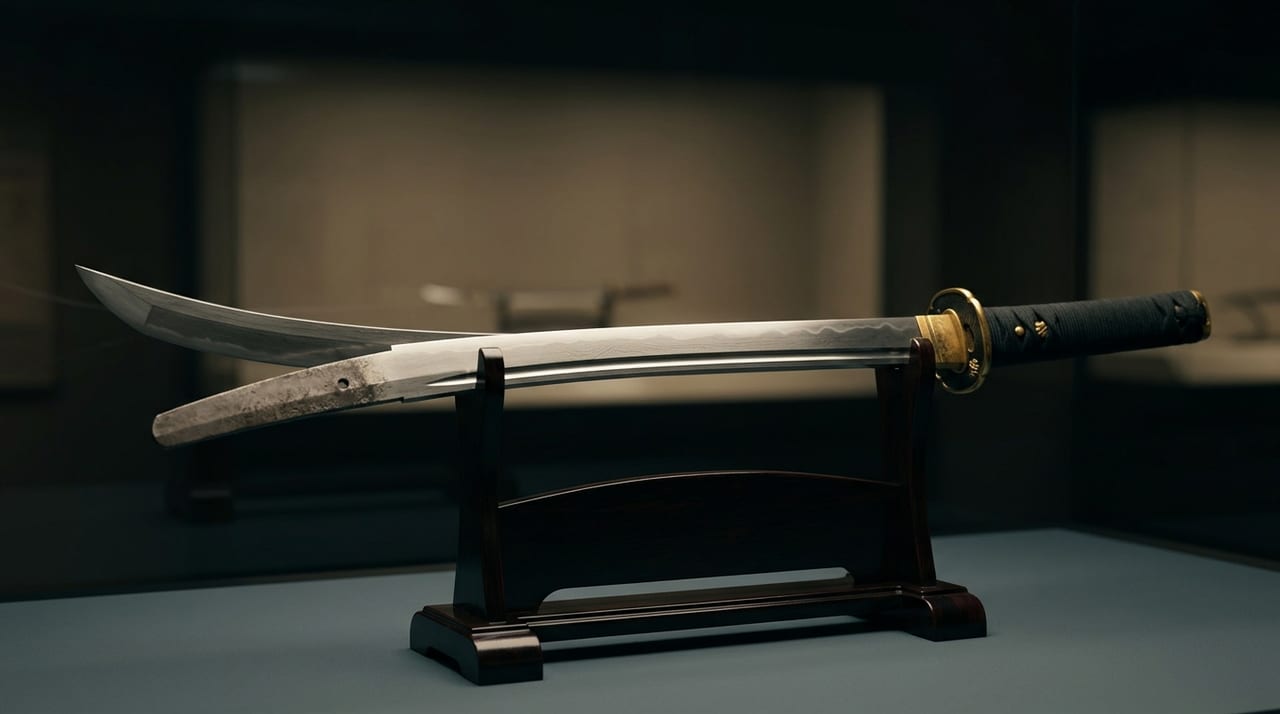
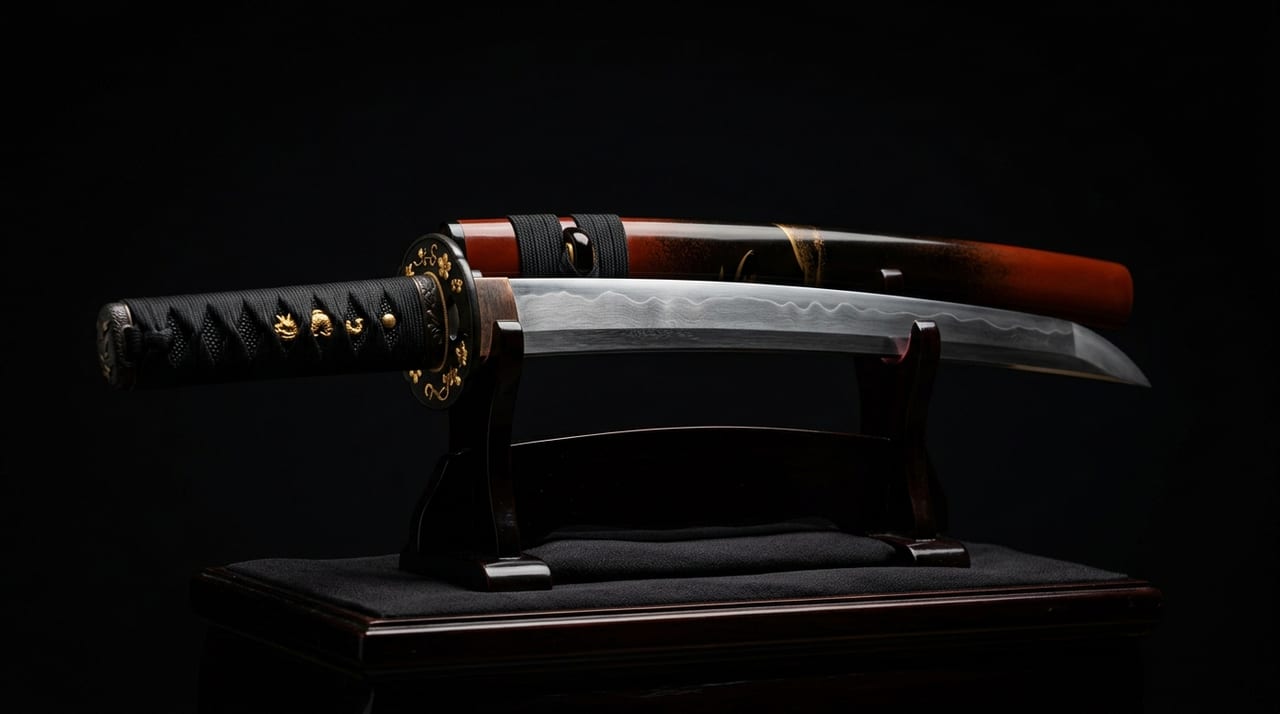
Naginata-naoshi refers to a sword made by cutting away the tsuka (hilt) portion from a naginata blade and fashioning a new nakago (tang) to remake it as an uchigatana, wakizashi, or tantō. It is a form of suriage (shortening), but more than a mere adjustment of length — it is a more fundamental conversion in that a pole-mounted weapon was repurposed into a Japanese sword worn at the waist.
Naginata-naoshi swords retain strong traces of the blade characteristics of the original naginata, giving them a distinctive appearance that sets them apart from ordinary uchigatana.
From Naginata to Uchigatana — Why Were They Converted?
The Disappearance of the Naginata and the Rise of the Uchigatana in the Muromachi Period
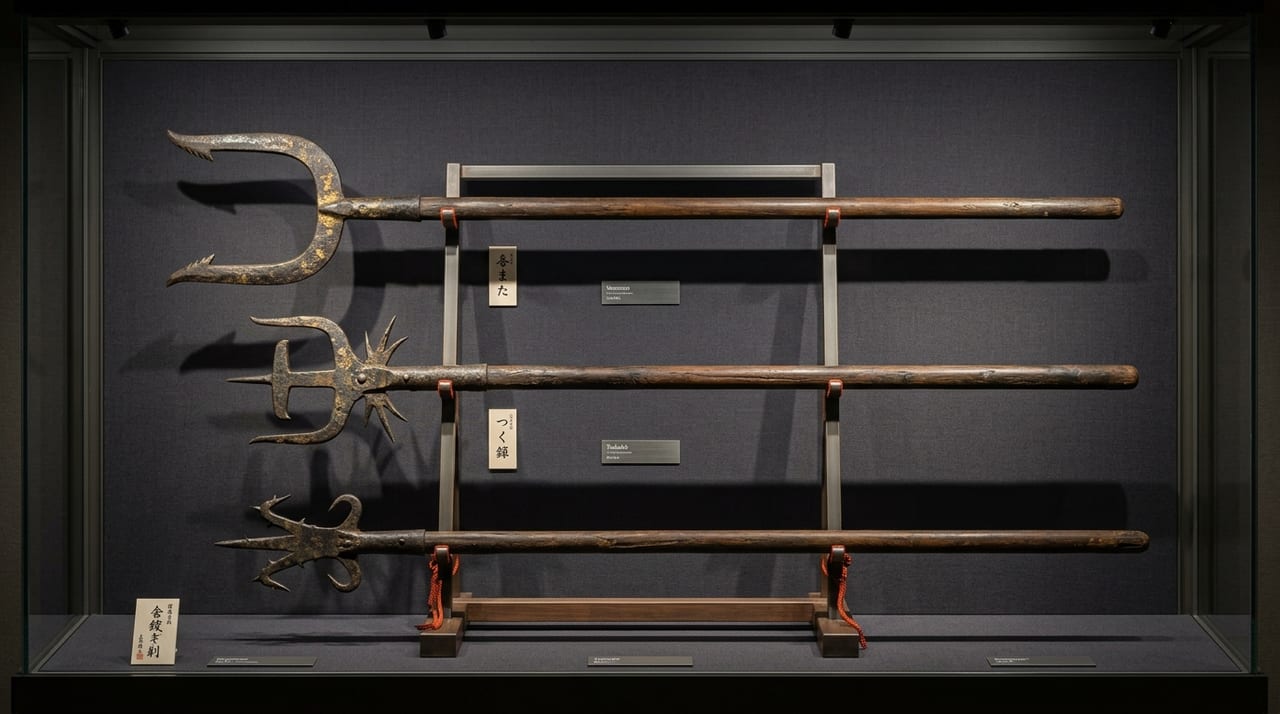
From the Heian and Kamakura periods through the Nanbokuchō and early Muromachi period, the naginata was prized as a primary weapon in battle. Specialized for mowing down mounted warriors from below, the naginata had a commanding presence on the battlefield.
From the mid-Muromachi period onward, however, the style of combat changed. In the urban fighting and infantry-centered battles following the Ōnin War (1467), the unwieldiness of the long-hafted naginata became increasingly apparent, and the uchigatana — the Japanese sword worn at the waist — stepped into the leading role.
Within this tide of change, a demand arose to "remake naginata already in one's possession into uchigatana." It would be a waste to simply discard a high-quality naginata blade as scrap material. By removing the haft and refashioning it as a sword, the naginata came to live a second life.
Women of the Warrior Class and Naginata-naoshi in the Edo Period
In the Edo period, another context was added to naginata-naoshi. In Edo warrior society, the notion that "the naginata is a woman's weapon" had become established, and it was taken for granted that women of warrior families would study naginatajutsu.
In the peaceful age that offered no opportunity for actual combat, however, naginata-naoshi wakizashi and tantō — remade into a form that could be used as koshirae (mounting) — were prized over practical naginata that could actually be swung, serving as women's self-defense implements and bridal furnishings. Wakizashi born from naginata carried the added value of being "a high-quality blade made from a naginata," and functioned as furnishings demonstrating the status of women of warrior families.
Blade Shape of Naginata-naoshi — Differences from Ordinary Uchigatana
Because naginata-naoshi blades retain the morphological characteristics of the original naginata, they have a distinctive appearance that differs from ordinary uchigatana. The main differences are as follows.
| Feature | Ordinary uchigatana | Naginata-naoshi |
|---|---|---|
| Sakihaba/motohaba ratio (taper ratio) | Approximately 0.55–0.65 | Can fall to 0.4–0.5 or below |
| Position of sori (curvature) | Koshi-zori or mid-sori is standard | Often inherits a tendency toward saki-zori |
The Ratio of Motohaba to Sakihaba (Funbari)
The basic shape of a naginata blade is one in which "the mihaba (blade width) widens sharply from the blade edge toward the tsuka (hilt)." This is called the funbari of the naginata. Swords fashioned as naginata-naoshi retain traces of this funbari, and often have a "steep taper" in which the sakihaba is very narrow relative to the motohaba.
While the sakihaba/motohaba ratio (taper ratio) of a typical uchigatana is approximately 0.55–0.65, in naginata-naoshi it can fall to 0.4–0.5 or below.
Position of the Sori (Curvature)
The sori (curvature) of a naginata is characterized by saki-zori, which concentrates toward the tip (the blade-edge side). Swords fashioned as naginata-naoshi often inherit this tendency toward saki-zori.
Ordinary uchigatana, by contrast, standardly have koshi-zori (toward the base) or mid-sori, so when appraisers see a sword with saki-zori they judge that "there is a possibility it is naginata-naoshi."
Kasane (Blade Thickness) and Cross-sectional Shape
Because naginata blades are designed with cutting power as a priority, they tend to be "thinner in kasane (blade thickness) and wider in the blade" than ordinary uchigatana. Naginata-naoshi swords often retain this thin, wide cross-sectional shape.
Shape of the Nakago (Tang)
The most reliable evidence of naginata-naoshi is the nakago (tang). In naginata-naoshi, the nakago of the original naginata is newly made (or cut short), so the condition of the rust, yasurime (file marks), and mekugi holes on the nakago can give the impression of having been "made afterward." In some cases, the mei (signature) also records that it is naginata-naoshi.
Famous Surviving Examples of Naginata-naoshi
Here are several notable examples of naginata-naoshi in the history of Japanese swords.
Wakizashi "Kotegiri Gō" "Gō" is attributed to Gō Yoshihiro of Etchū, one of the Masamune Jūtetsu, and survives as naginata-naoshi. Gō's swords include many naginata-naoshi, and he is known among sword enthusiasts as "the Gō of naginata-naoshi." The "Kotegiri Gō," said to have been owned by Toyotomi Hideyoshi, is a representative example.
Naginata-naoshi by Master Smiths of Various Periods Swords by master smiths of the Kamakura and Nanbokuchō periods (of the Osafune and Masamune schools) include naginata-naoshi, and their value is recognized when kanteisho (appraisal certificate) record them as "naginata-naoshi." For naginata-naoshi of older periods, the higher the quality of the original naginata, the higher the appraisal tends to be.
Key Points for Identifying "Naginata-naoshi" in Appraisal
To accurately identify naginata-naoshi, the following observations are necessary.
- Checking the taper ratio — Measure the motohaba and sakihaba directly; if the sakihaba/motohaba ratio is 0.5 or below, suspect the possibility of naginata-naoshi.
- Position of the sori (curvature) — If the saki-zori is pronounced, the likelihood of naginata origin is high.
- Position of the yokote and shape of the kissaki (point) — The kissaki of naginata-naoshi is often recut into an inokubi (boar's neck) style or a small kissaki. Those fashioned while retaining the original naginata's kissaki shape (also called "nama-kissaki") are especially rare and highly valued.
- Condition of the nakago (tang) — Check the number, position, and condition of rust on the mekugi holes. In naginata-naoshi, the length of the nakago tends to be relatively short.
Conclusion — A Sword That Lived On by Changing
The conversion known as naginata-naoshi is a symbol of the history in which the Japanese sword changed its form in response to the demands of each era and continued to take on new roles. "Racing across the battlefield as a naginata, resting at the waist of a warrior as an uchigatana, and making vows at a wedding ceremony as a wakizashi" — the story of the transformations traced by a single piece of steel gives us the perspective to see the Japanese sword not merely as a weapon but as a witness to culture.
When appreciating a naginata-naoshi sword, feel within its distinctive taper and saki-zori the memory of the naginata that once raced across the battlefield.