How to Choose a Tanto: A Practical Guide to Purpose, Form, Steel and Condition
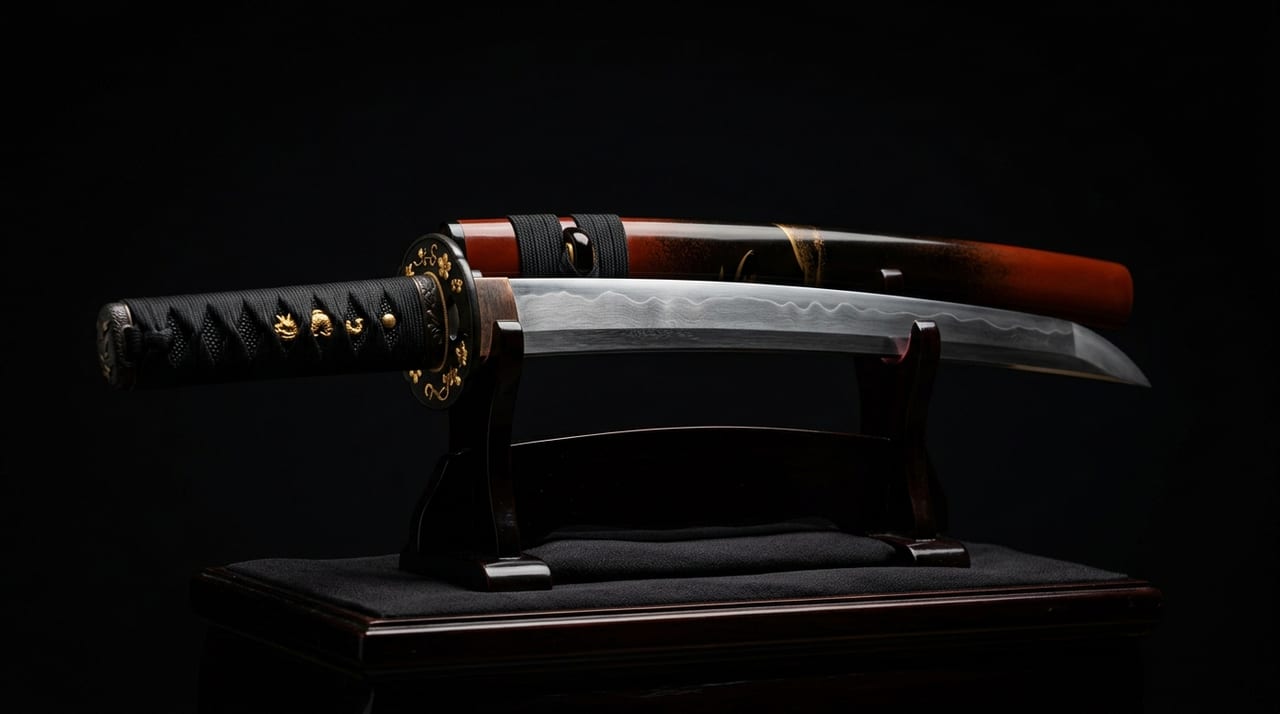 * Image is for illustrative purposes only.
Table of Contents
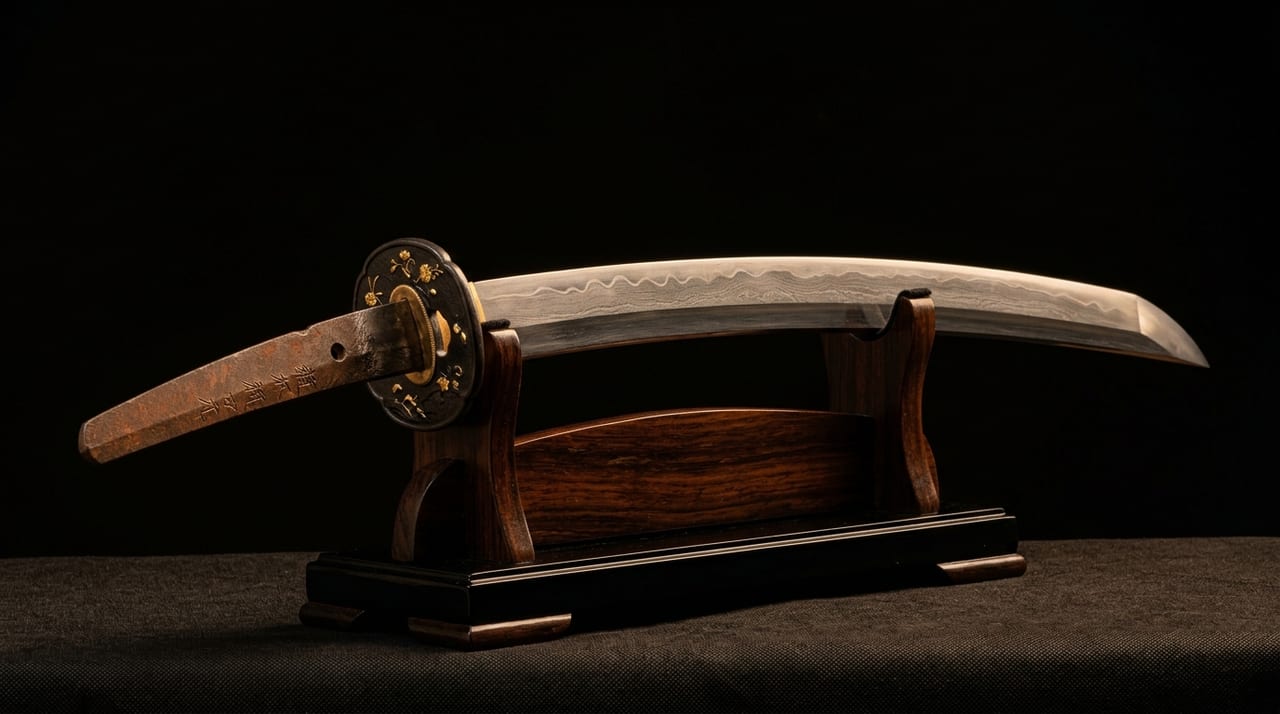
A tanto is a small sword with a blade length generally under one shaku (approximately 30cm), and compared to tachi and uchigatana, it is easier to hold. It is also a choice for those acquiring their first Japanese sword. However, just because it is small does not mean it is easy to choose. Unless you examine five elements in order—intended use, forging style, jigane and hamon, condition, and attachments—you are likely to find after purchase that it is not what you expected. This article organizes practical decision-making criteria for selecting a tanto.
First, Decide "What Purpose Will It Serve?"
The first decision to make when selecting a tanto is its intended use. The conditions that should take priority vary completely depending on the purpose.
- Viewing and study: Select works where the characteristics of the swordsmith or era are clearly evident. Soundness and quality of craftsmanship take top priority
- For display in a tokonoma or shoin: Emphasis on the condition of the koshirae (outer fittings) and shirasaya, and the overall beauty of the form
- With an eye toward future value: Whether it bears a signature or is unsigned, the presence or absence of a certificate of appraisal, and the stability of the maker's reputation become decision factors
- For gifts or commemorative purposes: A work with a known provenance or a blade with a story—such as one from the maker's birth year or a particular era—is appropriate
Once the purpose is decided, budget allocation follows naturally. For example, if viewing is the main purpose, you allocate budget to the polishing condition; if display is the main purpose, you allocate to the preservation state of the koshirae.
Examining Form and Forging Style
Because the tanto is small in size, the quality of its form has a major impact on the overall impression. Representative forging styles include hirazukuri, shobu-zukuri, unokubi-zukuri, kanmuri-otoshi-zukuri, and yoroi-dooshi. The details of these classifications are summarized in What Are Tanto Types?, so please read that as well.
When viewing in person, confirm the following points.
- Balance of blade width and depth: Blades with wide blade width and thick depth appear powerful, while those that are slender and thin convey an elegant impression
- Presence or absence of curvature: Tanto often have uchizori (inner curvature) or no curvature. Check that the form has not collapsed in an extreme way
- The form and yasuri-me of the nakago: The nakago is less likely to have been worked on later and serves as a clue to the era and maker's style
- The form of the mine: The iori-mine is the standard, and the shape of the mine varies depending on the forging style
Form is an element that is easy to confirm from photographs, but it is important not to decide based on photographs alone and to compare images from multiple angles.
Examining Jigane, Hamon, and Carving
The highlights of Japanese swords are the jigane and hamon. Because the tanto has a small surface area, the quality of details directly translates to the evaluation.
- Jigane: Is the hada tightly grained? Can you see jikage and utsuri? Pay careful attention to examples where the jigane is rough and the hada stands out
- Hamon: Is it suguha or midareba? Does the hamon continue unbroken with stable hardening?
- Carving: Are hi, gomazashi, and suken and other carvings free from wear? Has polishing not made the carving shallower?
For distinguishing characteristics by era and lineage, such as the differences between Soshu-den and Bizen-den, the Comparison of Soshu Hirazukuri Tanto and Bizen Hirazukuri Tanto is helpful as a reference.
Discerning Condition: Rust, Forging Marks, and Polishing
Even for the same maker's work, value and appearance change significantly depending on condition. The typical items to check are as follows.
| Item | What to Check |
|---|---|
| Rust | Is it light surface rust or deep rust that has eaten into the jigane? |
| Forging Marks | The presence and location of hagire, fukure, and ji no ware and similar defects |
| Polishing | Has the blade width become thin from polishing wear? Is re-polishing necessary? |
| Nakago | The condition of rust, readability of the mei, whether it has been worked on later |
| Shirasaya/Koshirae | Are there cracks, looseness, or missing metal fittings? |
Small rust can sometimes be removed by polishing, but deep rust and hagire are difficult to repair. If the condition description uses terms like kenzen or yō-togi, it is good to confirm the meaning before making a judgment. Preservation approaches are also discussed in Preservation Methods for Tanto.
Confirming Mei, Certificate of Appraisal, and Registration Certificate
Whether it is zaimei (bearing a signature) or mumei (unsigned) has a direct impact on evaluation and price. The certificate of appraisal confirms that the mei is authentic to the swordsmith. If the piece comes with a certificate of appraisal that has passed review by the NBTHK or similar organizations, it is easier to trust as a basis for judgment.
Additionally, ownership of a Japanese sword within Japan requires that a registration certificate be included. Before purchase, please be sure to confirm that the contents listed on the registration certificate match the actual piece and that there are no discrepancies in the recorded blade length or mei.
Budget Considerations and Comparison Tips
The price of a tanto varies widely depending on the swordsmith, era, and preservation condition even with the same blade length. When comparing, rather than simply lining up prices, considering them in the following order reduces the likelihood of mistakes.
- Narrow down the forging style and era that suit the intended use
- Within that range, compare multiple pieces in good condition
- Confirm the contents of the certificate of appraisal and registration certificate
- Make your decision based on the total amount, including additional costs for polishing and shirasaya
Because the tanto is small, differences in the condition of details are directly reflected as differences in quality. If you take your time and select by confirming form, jigane, hamon, condition, and attachments in order, you are more likely to find a blade that you can live with for a long time. On TOUKENZA, you can view the swords on display online.