Horikawa Kunihiro — Father of Shintō Swordsmanship, the Satsuma Smith Who Transformed Kyoto Blade-Making
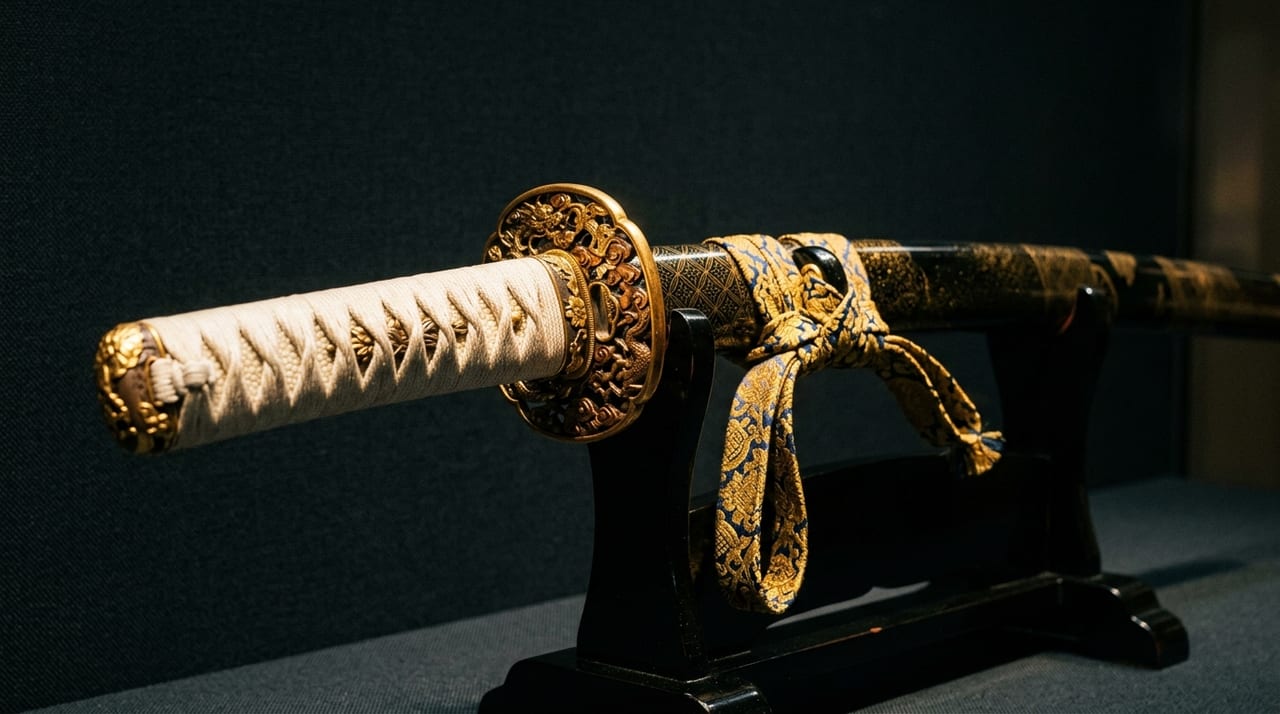 * Image is for illustrative purposes only.
Table of Contents
Who Was Horikawa Kunihiro?
Horikawa Kunihiro (c. 1531–c. 1614) was a sword maker who flourished from the Azuchi-Momoyama period through the early Edo period, and is celebrated in sword history as the "Father of the New Swords" (shintou) or the "Founder of New Swords."
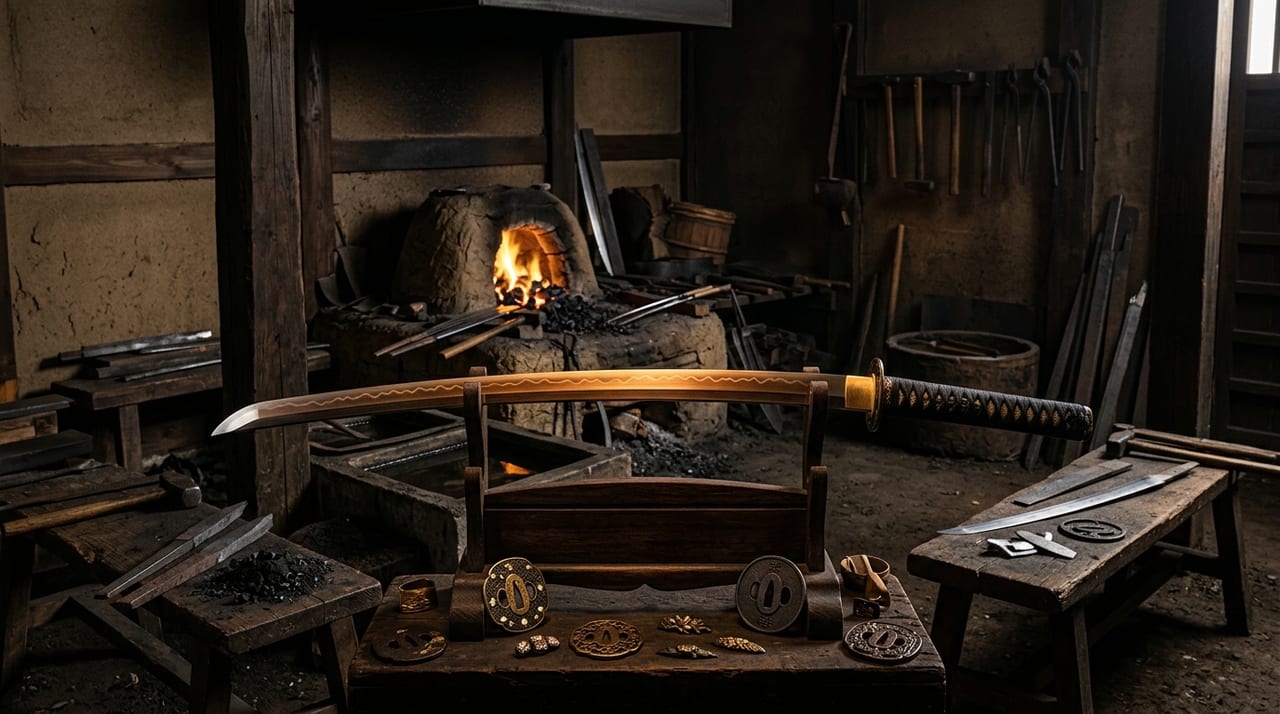
Kunihiro was born in Aya, Hyuga Province (present-day Miyazaki Prefecture), with his given name being Tanaka Kunihiro. He was originally a samurai retainer of the Ito clan, a Sengoku daimyo of Hyuga. After the Ito clan was defeated and fell into decline at the hands of the Shimazu clan in Tensho 5 (1577), Kunihiro left his samurai status and devoted himself to sword-making while wandering throughout various regions. Eventually, he settled in Horikawa (present-day Kyoto City) in Kyoto and established his workshop (forging smithy). The names "Horikawa Kunihiro" and "Horikawa school" became established from this place name.
The Father of New Swords—Revival of Old Sword Aesthetics
The reason Kunihiro is called the "Father of New Swords" lies not merely in his being an early swordsmith of the new sword era, but in his evaluation as an innovator who consciously revived the excellent aesthetics of the old sword period (kotō-ki) into the new sword period.
Swords from the late Muromachi period through the Azuchi-Momoyama period saw a marked decline in quality due to mass-production demands during the Sengoku period. Kunihiro resisted this trend and, using masterworks from the Kamakura and Nanboku-Chō periods as models, meticulously researched and attempted to revive the jigane, hamon, and sugata. This "inheritance of the spirit of ancient works" was Kunihiro's greatest contribution and became the starting point for the overall elevation of the standard of Edo new swords.
Kunihiro's Sword-Making Style
Jigane:
Kunihiro's jigane is characterized by itame as its basis and a refined, densely-worked grain pattern. White areas similar to "utsuri" sometimes appear in the ground steel, revealing a production approach conscious of the atmosphere of Ko-Bizen and Ko-Yamashiro. In works with forms close to the koshigatana of the Nanboku-Chō period, large-grained jigane in the Soshu tradition sometimes appears, demonstrating cross-school technical mastery.
Hamon:
Kunihiro worked with diverse blade patterns including gunome, notare, and komidare, with the impression varying greatly between works. Straight-bladed (suguha) works also survive, and pieces aimed at the refined beauty of the Yamashiro tradition are confirmed. The quality of the hamon is rich in nie, lively, and possesses orderly refinement amid variations that avoid monotony.
Sugata:
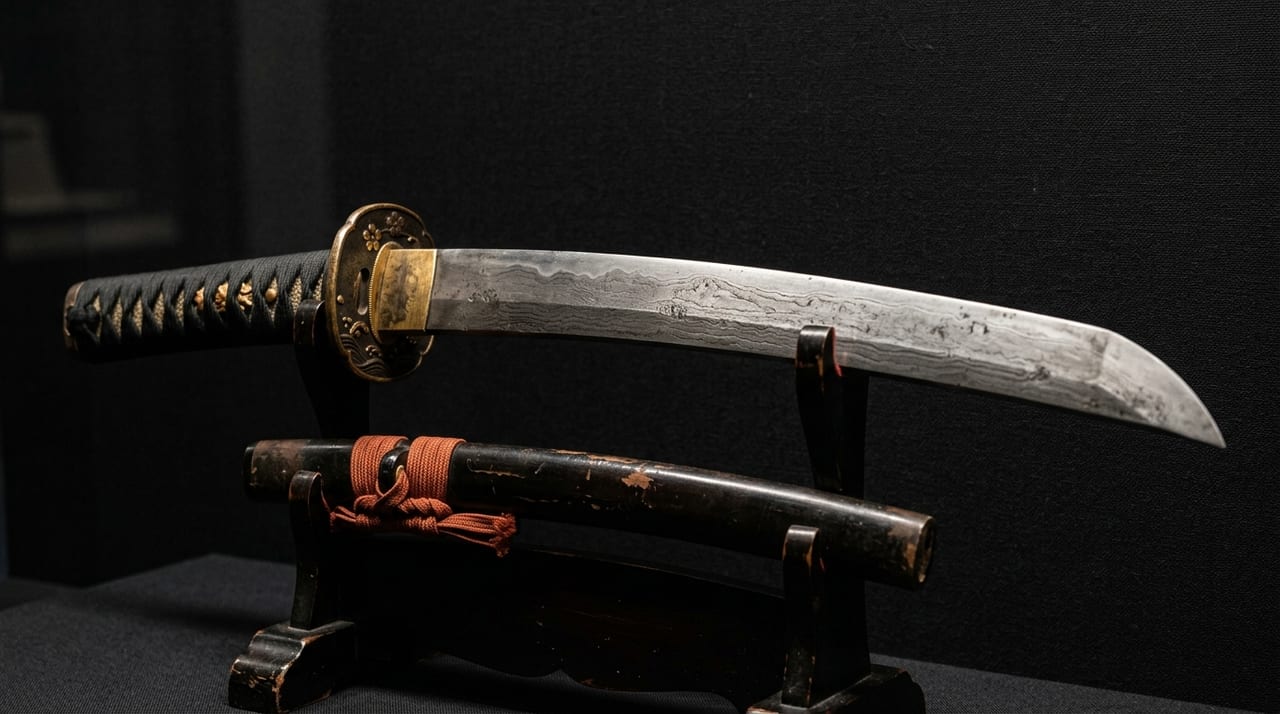
He left works in diverse forms including tachi, uchigatana, tanto, and wakizashi. While reflecting the era, uchigatana and wakizashi are more numerous, but Kunihiro also challenged classical tachi forms, and works attempting to recreate the beauty of Kamakura period tachi are known.
Evolution of Signatures (Mei)
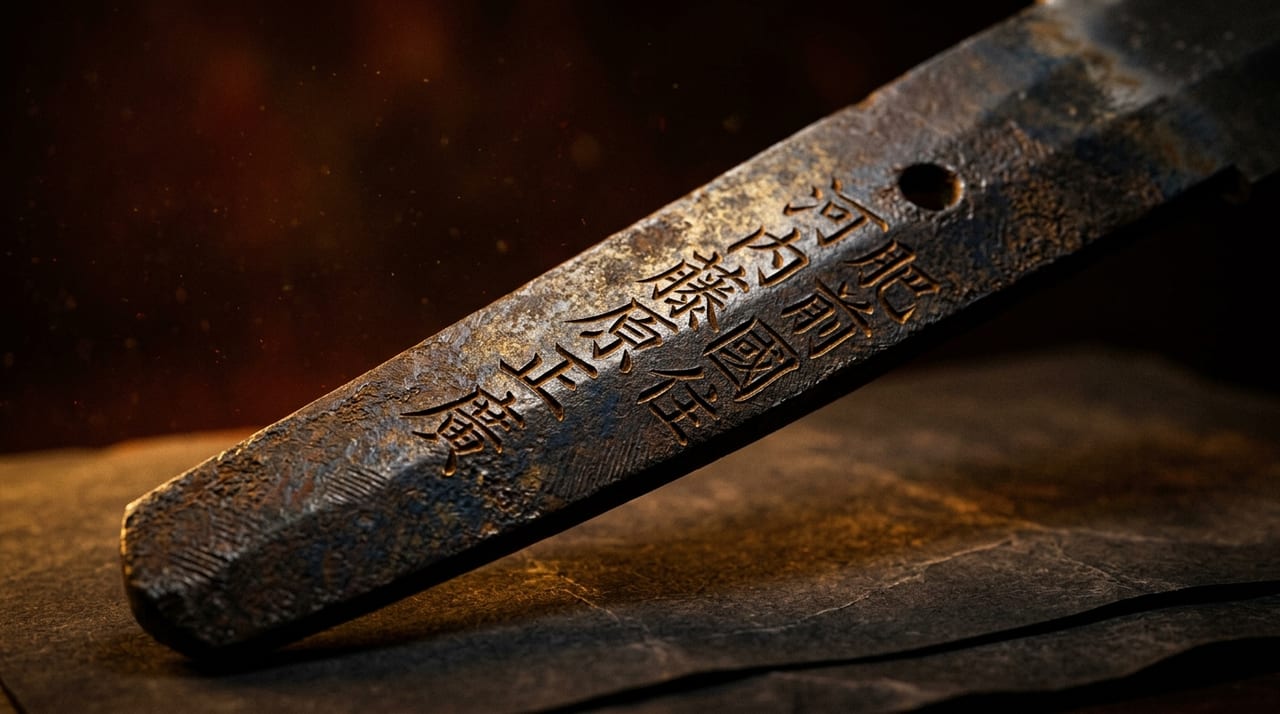
In Kunihiro's works, it is sometimes possible to read the period of creation from the style of the signature. In works from the period when he wandered away from Hyuga throughout various regions, signatures indicating his birthplace such as "Kyushu Hyuga-ju Kunihiro" are seen. In contrast, in works after settling in Kyoto, signatures employing his family name such as "Fujiwara Kunihiro" and signatures indicating his residence such as "Horikawa-ju Kunihiro" appear. The change in signature expression between the wandering and settled periods is considered one clue in authenticating works and determining their age.
Connection with Date Masamune—The "Honebami Copy"
An episode inseparable from any discussion of Horikawa Kunihiro is his connection with Date Masamune.
Masamune is said to have ordered a copy of the celebrated tanto "Honebami Toshiro" (made by Awataguchi Yoshimitsu) from Kunihiro during the Bunroku Campaign (1592–93). Upon receiving this daimyo commission, Kunihiro meticulously researched the characteristics of Yoshimitsu's Honebami Toshiro and produced a copy. This work is known as "Honebami no Kunihiro" and demonstrates the high technical standard demanded of swordsmiths in the Azuchi-Momoyama period, exemplified by the cultural practice of copying celebrated blades.
Formation of the Horikawa School—Disciples and Successors
Kunihiro trained numerous disciples and formed an influential group of swordsmiths known as the "Horikawa school." The principal disciples include the following swordsmiths:
- Dewa Daijō Kunimichi: One of the representative disciples of the Horikawa school
- Kuniyasu: A Horikawa school disciple who inherited his master's style
- Ōsumi no Jō Masahiro: A swordsmith belonging to the Horikawa school
- Echigo no Kami Kunitomo: One of the Horikawa school disciples
- Izumi no Kami Kunisada: A Horikawa school disciple known as a swordsmith who contributed to the flourishing of Osaka new swords
- Kawachi no Kami Kunisuke: A Horikawa school disciple who later formed his own school
- Yamashiro no Kami Kunikiyo: A swordsmith connected to the Horikawa school
Kunihiro's Historical Significance in the New Sword Era
Edo period sword history is divided into three eras: "old swords (kotō)," "new swords (shintou)," and "newer swords (shinshintō)." Kunihiro flourished in the earliest part of the new sword era and demonstrated through practice the aesthetic standards that later Edo swordsmiths should aspire to.
The assessment that without Kunihiro there would have been no qualitative improvement in Edo new swords is a convention repeatedly stated by later sword researchers. Multiple surviving works by Kunihiro are designated as Important Cultural Properties and Important Art Objects, and are housed in museums and collections both domestically and internationally as precious cultural heritage.
Yamanbagiri Kunihiro and the Odawara Campaign—Works Transmitting Early Kunihiro
A work known to transmit Kunihiro's early activity is the tachi called "Yamanbagiri Kunihiro." During the Odawara Campaign by Toyotomi Hideyoshi, Kunihiro is said to have served Nagao Akinaga, the castle lord of Ashikaga in Shimotsuke Province (present-day Ashikaga City, Tochigi Prefecture), and Akinaga's name is also carved into the signature of this tachi. This work tells of how Kunihiro, while still bearing his Hyuga origins in his signature, forged swords in response to the demands of summoned military commanders, and is designated as an Important Cultural Property as one of Kunihiro's representative works.
Similarly, among early signed works, a wakizashi with the signature "Fujiwara Kunihiro—Made while residing in Kyoto," believed to be from after his relocation to Kyoto, also survives and is designated as an Important Art Object. These signed works serve as precious historical materials supporting the process of Kunihiro's transformation from a wandering samurai to a swordsmith of Horikawa.
"Founder of New Swords"—Honored Alongside Umetada Myōju
The term "founder of new swords" is not applied to Horikawa Kunihiro alone. Umetada Myōju, a metalworker and swordsmith who was active in Kyoto, is also frequently called the "Founder of New Swords" alongside Kunihiro.
Myōju is known as a figure who influenced new sword-making through technical innovation, including the invention of a forging technique called "mizuheshi" (heating tamahagane steel and stretching it by hammer). Kunihiro, on the other hand, is distinguished by his pursuit of old sword aesthetics in his stylistic approach, as well as by his training of numerous disciples including Dewa Daijō Kunimichi and Izumi no Kami Kunisada, and by his establishment of the Horikawa school as a major force.
Because the achievements of both figures are different in character, they cannot be simply ranked in superiority or inferiority. However, it is becoming established that, as the technical innovator Myōju and the school founder and style establisher Kunihiro, each built the foundation of the new sword period from their respective positions.